





 Portuguese
  English
  Spanish
  5 min of reading
  0 comments



Small gaps hidden in doors and windows can increase energy consumption without visible signs, requiring more from air conditioning systems and directly impacting the electricity bill over the month, even when all appliances seem to function normally.
A significant part of the increase in the electricity bill may be far from the most obvious equipment and focus on small air leaks that go unnoticed in daily life, especially in doors, windows, and junction points between structures, where constant exchange with the external environment compromises the efficiency of air conditioning.
Even without clear visual signs, these gaps allow conditioned air to escape continuously, while outside air enters uncontrollably, forcing cooling or heating systems to operate longer and more intensely to maintain the desired indoor temperature.
According to the U.S. Department of Energy, simple interventions such as applying caulking and installing weatherstripping on movable openings can reduce cooling costs by 10% to 20%, in a process classified as quick, affordable, and possible to complete in a few hours.
-
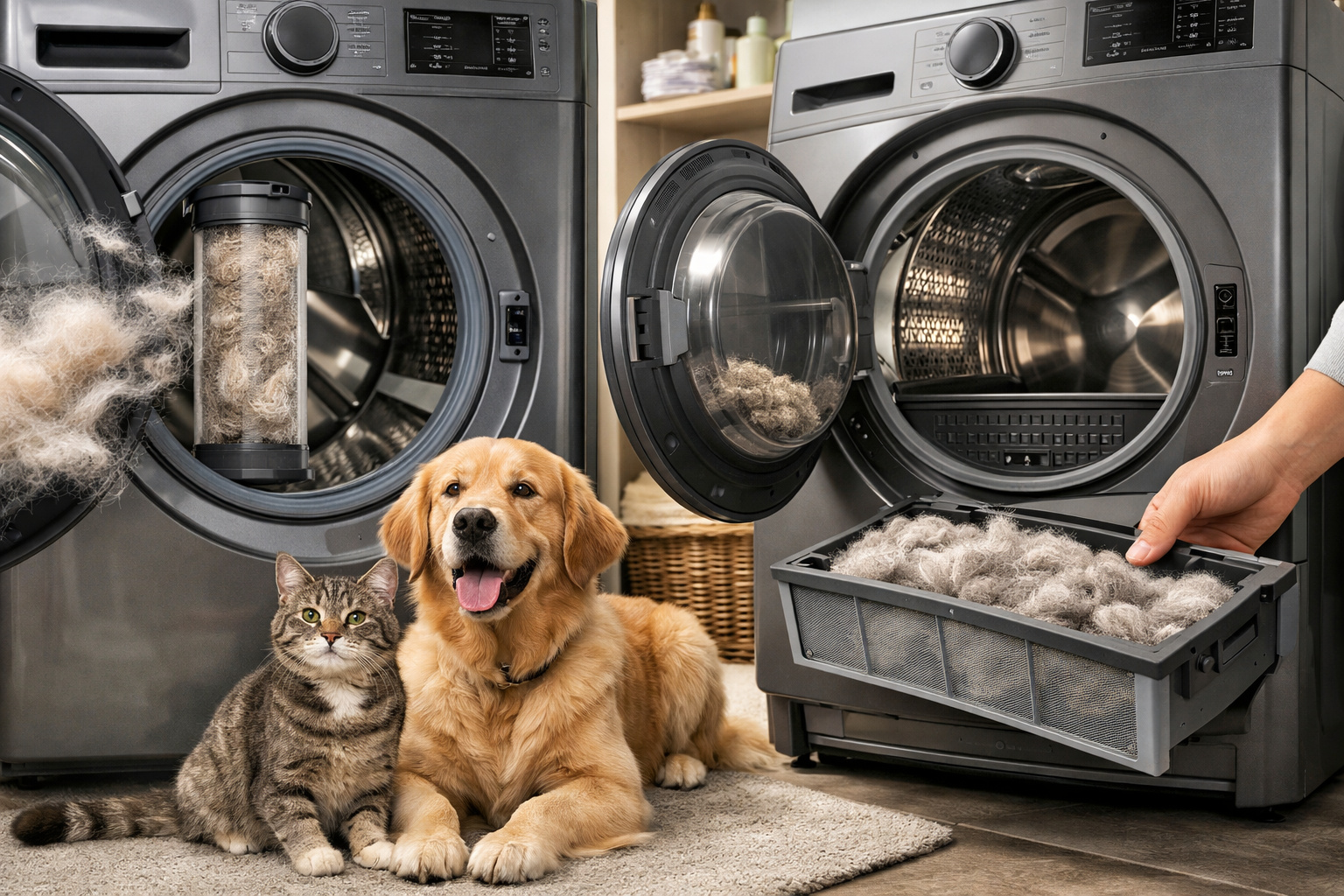
Goodbye pet hair on clothes: a washer with an internal filter promises to remove up to 5 times more hair than regular machines and uses an XL trap dryer system to capture what remains.
-
German engineers had an idea that no one had tried before: to hide the hydrogen tank inside the tractor’s wheels so that the machine can operate all day in the field without needing diesel.

-
China has created its first space exploration school, an academic structure with 14 areas, 22 new subjects, and a focus on interstellar propulsion to prepare for missions beyond the Moon and Mars.

-
Scientists discover in Fiji that a piece of land surrounded by mangroves is actually a giant mound of shells discarded by ancient inhabitants over 1,200 years ago.


Invisible leaks increase energy consumption
Unlike appliances that remain on for long periods, air leaks do not draw immediate attention, although they have a direct impact on energy consumption throughout the day, acting continuously and silently within residential environments.
The U.S. Environmental Protection Agency, through the ENERGY STAR program, points out that the sum of small gaps distributed throughout the so-called “envelope” of the house can be equivalent to keeping a window permanently open, significantly increasing energy expenditure.
This phenomenon occurs because the structure of the property ceases to function as a stable thermal barrier, allowing a constant exchange of air with the external environment, which reduces the efficiency of any air conditioning system installed on-site.
Impact on thermal comfort and efficiency
When treated air escapes through poorly sealed openings, the system must continuously compensate for this loss, resulting in higher energy consumption and noticeable temperature variations within the rooms, affecting the comfort of the residents.
In hot periods, the cold air produced by the unit dissipates quickly, while warm air enters through the same points, creating a dynamic that prevents thermal stabilization of the environment, even with the equipment running for long periods.
In cold conditions, the process occurs inversely, with heated air being lost and replaced by colder air from outside, reinforcing the need for prolonged use of heating systems and increasing energy consumption.
Additionally, the Department of Energy describes that these uncontrolled leaks can generate drafts, temperature differences between areas of the house, and even contribute to humidity-related problems, depending on local climatic conditions.
Where are the main gaps in the house
Although doors and windows are the most remembered points, sealing failures are often distributed in various parts of the residence, often in places that are not noticed during routine or superficial inspections.
Critical points include the surroundings of frames, pipe passages, electrical wiring entries, junctions between walls and floors, as well as areas near ceilings, cornices, built-in cabinets, and electrical outlets installed on external walls.
Over time, materials undergo natural wear, including the drying out of rubber, the retraction of old sealants, and small structural misalignments, which do not prevent the visual closure of doors and windows but allow constant air circulation.
Simple and cheap solutions for sealing
Correcting these failures depends on the type of opening and the behavior of the involved material, making it essential to use the appropriate technique to ensure efficiency without compromising the operation of movable structures.
For gaps in fixed areas, such as the junction between walls and frames, the technical recommendation is to use caulking, which fills cracks and permanently and flexibly prevents air passage, accommodating small structural movements.
For doors and windows, which require frequent opening and closing, the indicated solution is the application of compressible weatherstripping, capable of blocking air passage without interfering with the normal operation of these elements.
The Department of Energy warns that the incorrect choice of method can compromise the result, as rigid materials applied in movable areas can hinder use, while inadequate solutions in fixed areas tend to lose effectiveness over time.
Benefits beyond energy savings
In addition to reducing energy consumption, proper sealing helps improve thermal comfort and the quality of the indoor environment, making the temperature more stable and reducing the need for constant adjustments to appliances.
ENERGY STAR highlights that controlling air leaks also helps reduce the entry of dust, pollen, insects, and external noise, factors that directly influence the quality of life within homes.
Another relevant aspect involves humidity, as the continuous infiltration of air can alter the internal balance and favor conditions that affect thermal sensation, especially in areas exposed to intense sunlight or drafts.
Proven savings with sealing
Data released by official agencies indicate that sealing gaps represents one of the most accessible and effective interventions in the context of residential energy efficiency, with measurable impact even in basic projects.
According to the U.S. Department of Energy, the estimated cost for this type of improvement ranges from $3 to $30, with an average execution time of one to two hours, depending on the extent of the areas to be treated.
The Environmental Protection Agency, in turn, estimates that the combination of sealing with adequate insulation can reduce heating and cooling costs by an average of 15%, as well as represent a savings of about 11% in the total energy consumption of the residence.
Balance between sealing and ventilation
Although eliminating leaks is essential to reduce waste, experts emphasize that the house should not rely on these random openings to ensure ventilation, making it necessary to maintain a balance between efficiency and indoor air quality.
The technical recommendation is to reduce uncontrolled infiltration while ensuring adequate ventilation through planned means, avoiding that the environment becomes completely closed and harmful to the health of the occupants.
In cases of more complex or persistent infiltrations, the guidance is to seek professional evaluation to identify critical points and define the most appropriate solutions, ensuring that the intervention is effective and lasting.
Small gaps, often ignored, can continuously operate as an invisible channel of energy loss, requiring more effort from air conditioning systems and directly impacting the final value of the electricity bill, without drawing attention in daily routines.







Seja o primeiro a reagir!