





 Portuguese
  English
  Spanish
  5 min of reading
  0 comments


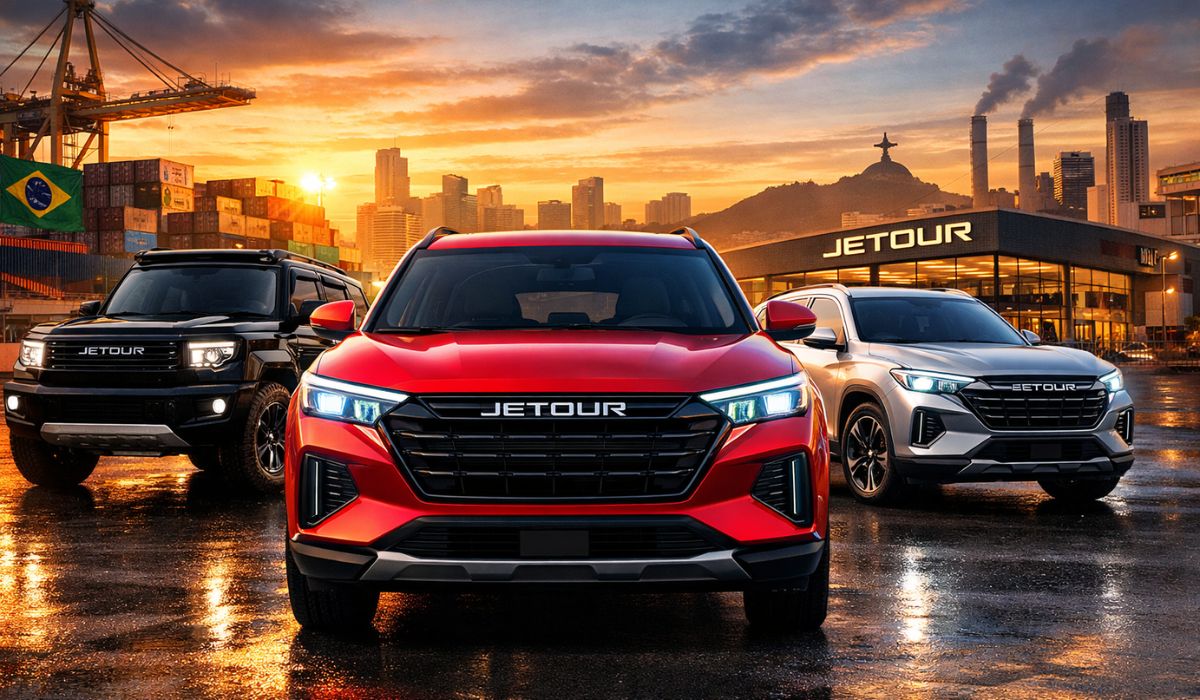
Chinese brand begins independent operation in the country with three plug-in hybrid SUVs, expands its own dealership network, post-sale structure, and puts local production on the radar of its strategy for the Brazilian market.
The Jetour officially announced its entry into the Brazilian market on March 18, 2026 with its own operation, three plug-in hybrid SUVs for sale, and plans to produce vehicles in the country in the medium term.
Linked to the Chery group, the brand stated that Brazil will play a strategic role in its expansion and announced a launch schedule that anticipates the arrival of one new model per year for the next five years.
The debut occurred with a structure separate from CAOA Chery, although the companies belong to the same group.
-
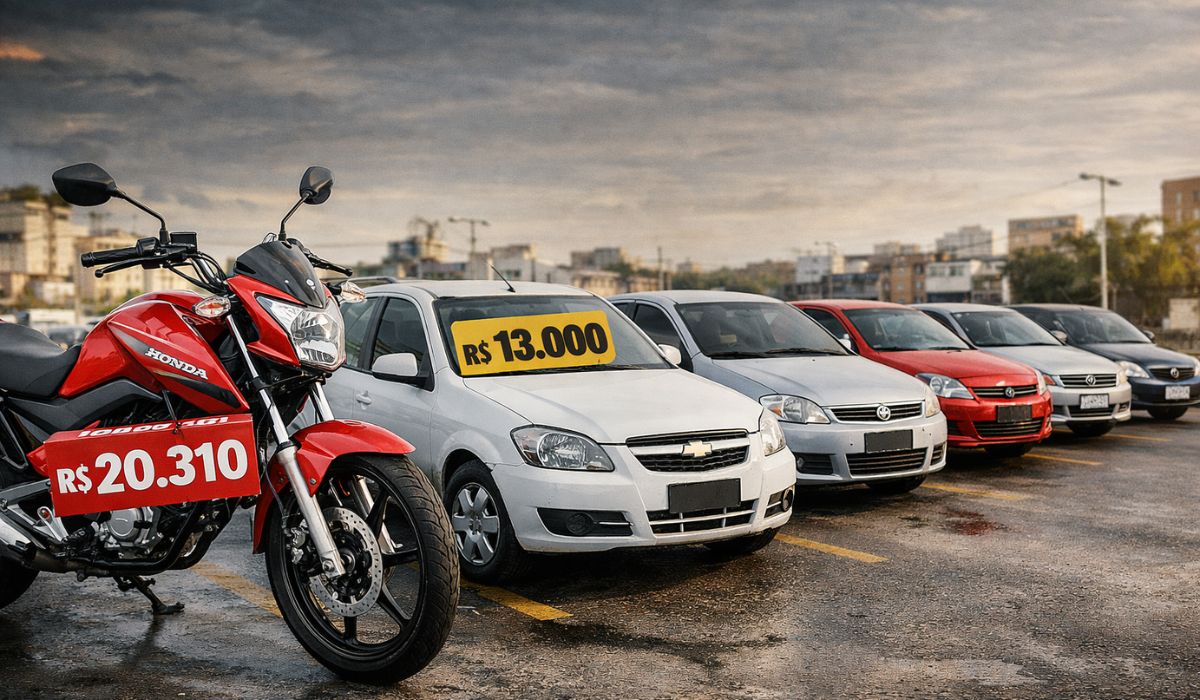
5 cheapest used cars than a Honda CG 160 Titan 0 km, with options starting at R$ 13,000 for those who want to trade their motorcycle for a car and escape the rain, sun, and risks of riding.
-
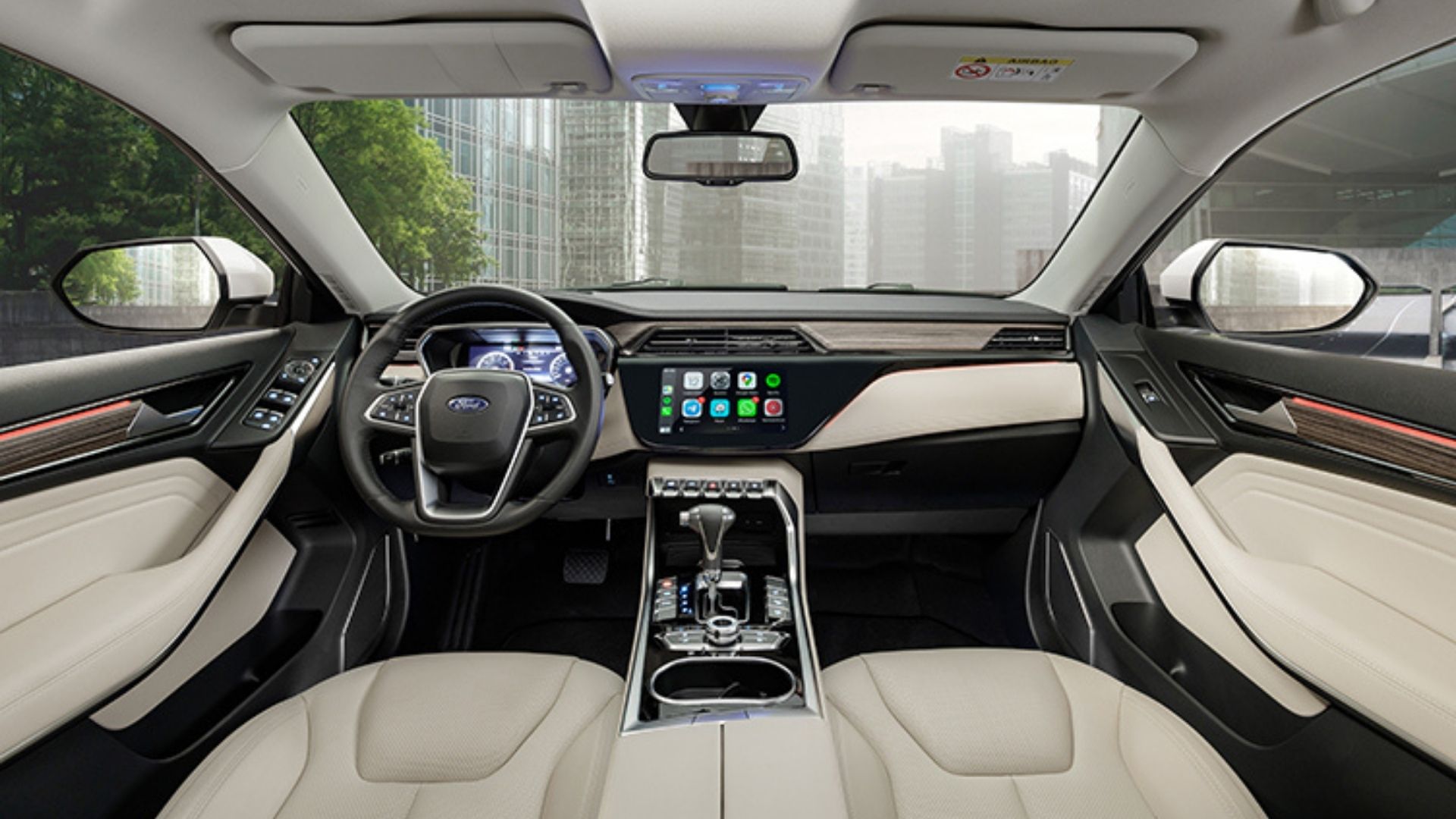
Around R$ 24,000: 4 used Ford SUVs with up to 253 hp, V6 engine, all-wheel drive, 7 airbags, panoramic sunroof, and a complete package that surprises with its price and performance in Brazil.
-
A brand new car starts at around R$ 75,000 in Brazil, but what stands out the most is seeing streets filled with SUVs and expensive sedans in a country where millions remain in debt.

-
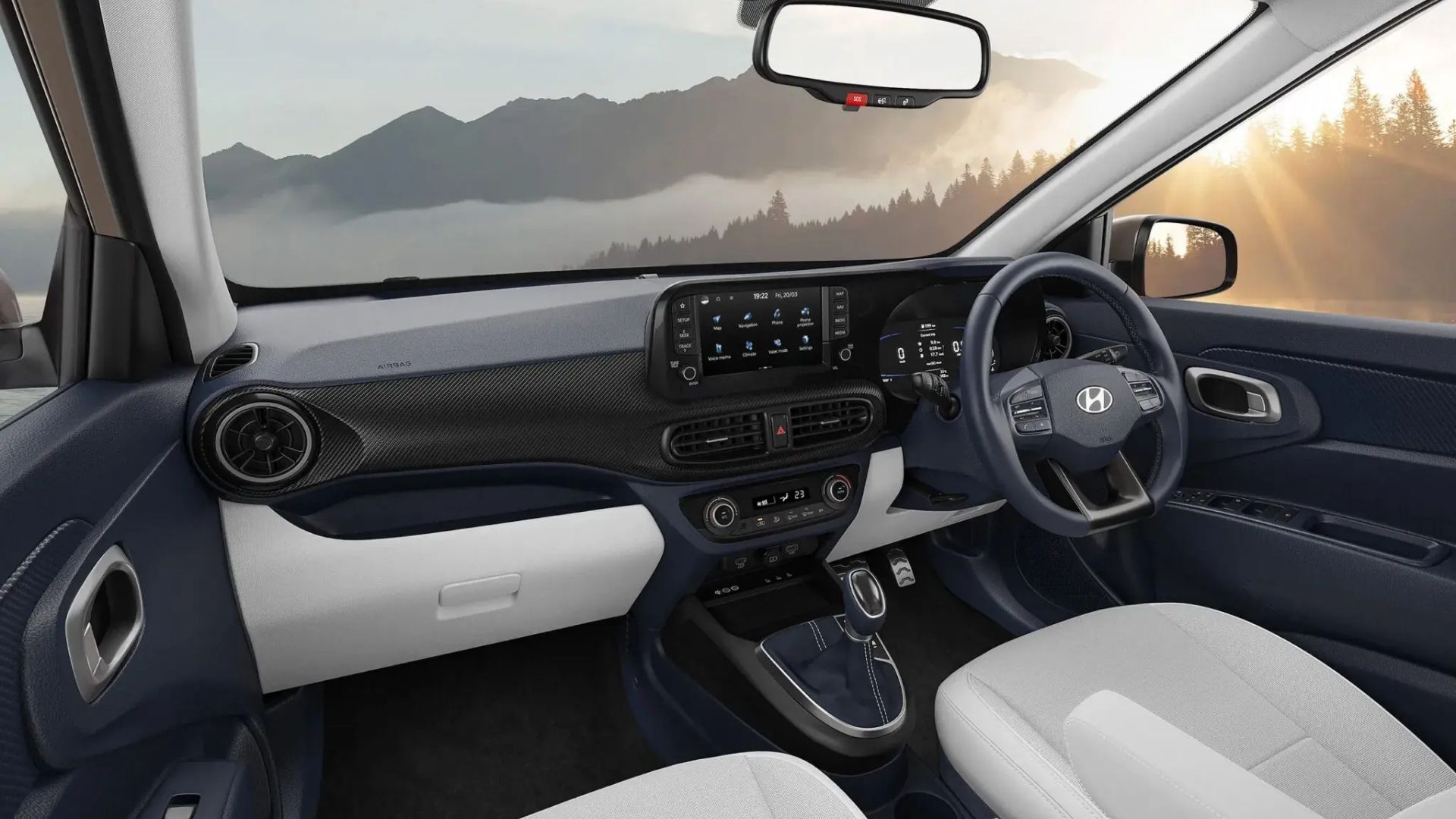
For R$ 32,000, a brand new Hyundai car is a rival to the Kwid with a 1.2 engine producing 82 hp, 6 airbags as standard, multimedia with wireless Android Auto, up to 391 liters in the trunk, and a refreshed look for 2026 in India.

In Brazil, Jetour has established its own headquarters in São Paulo, an exclusive dealership network, and independent operations.
According to the company, this format aims to avoid overlap in commercial positioning and strategic conflicts.
Jetour begins in Brazil with its own network and planned expansion
The initial phase started with 14 points of display and sale, set up from February, and had already registered about 500 units sold in pre-sales.
The announced goal is to expand this presence to 100 stores by the end of 2026, including dealerships and commercial points.
To support the expansion, Jetour has structured a distribution center in Cajamar, in Greater São Paulo, with a stock of 90,000 parts and 4,500 part numbers.
The initiative was presented by the automaker as part of its post-sale strategy to serve the network and consumers in the country.
At the same time, the manufacturer set up its import logistics through the Port of Vitória (ES), where batches of the utilities sold in the Brazilian market enter.
The company also partnered with Carbon to offer certified armor without losing the factory warranty.
The announced package also includes seven years of warranty for the vehicle and eight years for the battery and electric motor, in addition to a maintenance schedule with fixed prices at launch.
National production and research center enter planning
Although Jetour has not yet defined the state, factory, or schedule, the company confirmed that it is studying national production as part of its medium-term plan.
Executives of the Brazilian operation stated that partnerships within Chery’s own ecosystem are a possibility, including the use of existing structures, but emphasized that no final decision has been made yet.
Additionally, the brand announced the creation of a Research and Development center in Brazil, focusing on technologies adapted to the local market, especially in hybrid solutions with the possibility of flexible application.
Before entering the market, the three utilities underwent a validation program in the country that totaled over 600,000 kilometers.
According to Jetour, the tests considered climate, paving, fuels, and Brazilian usage patterns and resulted in adjustments to over a thousand technical and functional items.
Jetour’s hybrid SUVs launch the operation in the country
The initial portfolio was divided between a more urban-profile SUV and two models with a look associated with the adventurous segment.
The Jetour S06 was positioned by the brand as a family and everyday use option, targeting the segment of medium electrified vehicles.

The model is sold with a 1.5 turbo engine combined with an electric motor, a combined power of 315 hp, torque of 52 kgfm, and a battery of 19.43 kWh.
According to Inmetro’s cycle, the electric range reaches 70 km.
The Jetour T1 follows a different visual proposal, with straighter lines and larger dimensions.

The mechanical set repeats the formula of the 1.5 turbo engine with electric assistance, also with 315 hp and 52 kgfm, but features a larger battery of 26.7 kWh.
In this configuration, the range in electric mode rises to 88 km, according to Inmetro.
The combined autonomy announced by the brand reaches 1,200 km.
At the top of the line is the Jetour T2, which adopts a larger size and a visual proposal inspired by off-road appealing SUVs.

The model combines a 1.5 turbo engine and two electric motors, delivering 320 hp and 62.2 kgfm.
The battery is also 26.7 kWh, with up to 75 km of electric range.
The total autonomy declared by the manufacturer is 1,100 km.
At this first moment, the versions sold in Brazil are 4×2.
T2 4×4 and G700 appear among the next launches
Jetour has already confirmed that the next move in the lineup will be the arrival of the T2 with 4×4 traction, expected for 2026.
According to the manufacturer, the system will be supplied by BorgWarner and will automatically distribute torque between the axles.
The brand also presented the G700 as a future top-of-the-line model for the national market, with a launch planned for the second half of the year.
The utility is about 5.20 meters long and 2.87 meters in wheelbase, positioning itself above the T2 in the company’s lineup.
In the case of the G700, the manufacturer and vehicles already evaluated by the press indicate a plug-in hybrid system that combines a 2.0 turbo engine and two electric motors, with power close to 904 hp and estimated torque of 115.7 kgfm.
So far, however, Jetour has not yet published the complete technical specifications of the configuration intended for the Brazilian market.
The arrival of Jetour expands the presence of Chinese brands in the Brazilian automotive sector at a time of greater supply of hybrids and electric vehicles.
With three SUVs already in stores, factory in planning, and a new batch of models promised for the continuation of operations, the company begins its journey in the country focusing on its own network, post-sale, and portfolio expansion.








Seja o primeiro a reagir!