





 Portuguese
  English
  Spanish
  4 min of reading
  39 comments





The Oldest Construction Project in Brazil Still Ongoing: 93 Years of Billion-Dollar Investments, Delays, and Losses in the Construction of Highway BR-156
Imagine living in a state where the main highway linking the capital to the international border has been under construction for more than 90 years — and still is not completed. This is the reality of BR-156, in Amapá, a federal road approximately 823 kilometers long, connecting Laranjal do Jari, in the southernmost part of the state, to Oiapoque, on the border with French Guiana. The highway cuts through the state from north to south and was supposed to be one of the pillars of regional integration, but has ultimately become a symbol of delay and negligence.
Started in 1932, BR-156 is considered the oldest ongoing construction project in Brazil. Over nine decades, what has been witnessed are unfulfilled promises, abandoned sections, and billions of reais in investments that have not resulted in a dignified construction.
A Highway Forgotten by Time and Politicians
The BR-156 should be the main link between Macapá and Oiapoque, the northernmost point of Brazil, right next to French Guiana. However, those who venture there face real traps: stretches of dirt, muddy spots, and a back-and-forth of construction work that quickly washes away with the next rain.
-
With 55 km over the sea, a cost of US$ 20 billion, and enough steel to build 60 Eiffel Towers, China’s largest project has connected Hong Kong, Zhuhai, and Macau in a colossal bridge that defies the logic of engineering.

-
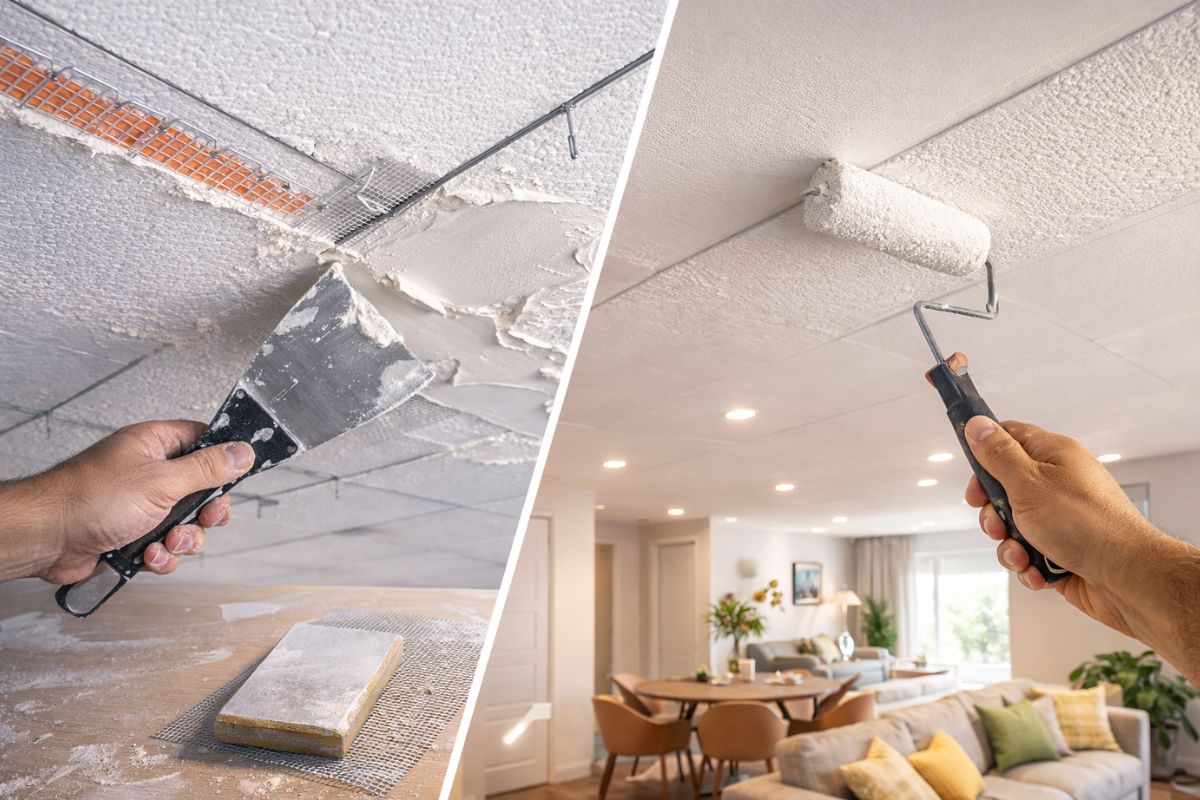
A trick with joint compound transforms a Styrofoam ceiling into a plaster-like ceiling: leveled panels, wires and mesh at the joints, sand, paint, and change the environment while spending little today.
-
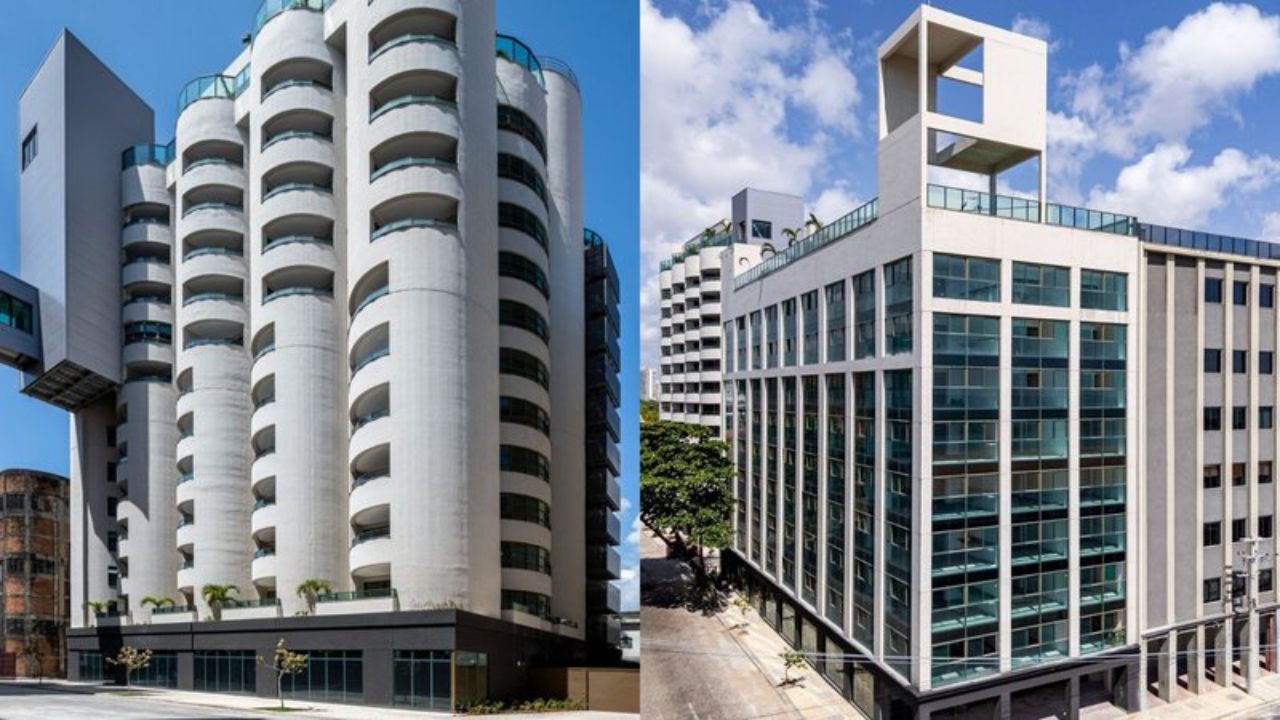
Abandoned for over a decade, century-old silos in the state of Recife have been transformed into 251 apartments with curved walls in one of the most complex retrofits ever done in Brazil.
-
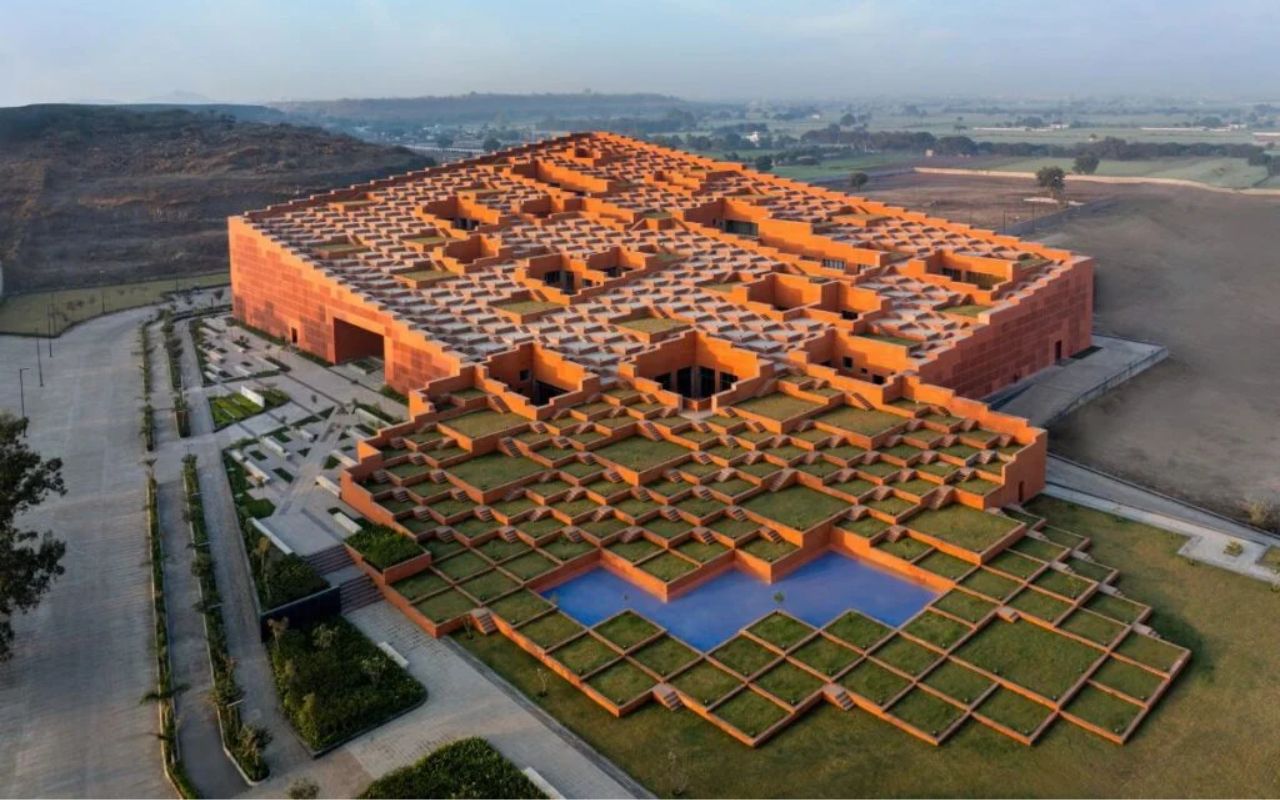
Inspired by millennia-old structures, a “differentiated” roof with 463 levels and a capacity for 9,000 people was built on top of a building in India; the tiered roof is almost a kind of giant garden of 9,000 m², reducing energy consumption and promoting interaction among students of Prestige University.

With only the stretch between Macapá and Calçoene paved, this highway has already become a symbol of the neglect and slowness with which the Brazilian state approaches investments in infrastructure in the North. According to Coluna Cláudio Humberto, from the site Diário do Poder, it is the oldest ongoing construction project in Brazil — a difficult negative mark to digest.
Work on BR-156 Remains Stuck, Always Accompanied by Promises of Resumption and Campaign Speeches
Faced with such delays, many residents of Amapá wonder: what is the purpose of Amapá’s federal delegation in Brasília? After all, it has been decades of mandates, chair swaps, and political alliances, but nothing concrete on the road that matters most to the state.
Meanwhile, the work on BR-156 remains stuck, always accompanied by promises of resumption and campaign speeches. And when a stretch is finally completed, it doesn’t take long for it to turn to mud again.
The Oldest Construction Project in Brazil Still Ongoing: 93 Years of Delays and Losses
The story of this highway is almost unbelievable. It started as an ambitious national integration project but ended up becoming a blatant example of public inefficiency and the lack of continuity in federal projects. Billions have been invested over the years, yet the real impact on the region remains paltry.
According to information from DNIT, there are plans to improve parts of the road, especially with the paving of new stretches. However, as reported by G1, many contracts have been halted or canceleddue to lack of funds or issues with contractors. In 2023, there was a new attempt to resume the works, but progress is slow and faces technical and logistical obstacles.
The Direct Impact on the Economy, Daily Life, and the Pockets of Brazilians
The BR-156 represents the main link of integration between Amapá and the rest of Brazil and South America. With its precarious situation, the transportation of agricultural, mineral, and industrial products becomes unfeasible during many periods of the year.
For producers and merchants, the result is clear: loss of competitiveness, rising transport costs, and discouragement of new investments in the region. For the population, the situation hinders access to public services, health care, education, and even tourism, which could grow with the safe opening of the border.
BR-156: The Open Wound on Brazil’s Road Map
It is not an exaggeration to say that BR-156 is an open wound on Brazil’s road map. The country that dreams of modern waterways, high-speed trains, and sustainable energy transitions cannot deliver a highway started nearly a century ago.
There is a lack of commitment from local and federal authorities. Meanwhile, thousands of residents in Amapá remain isolated within their own state, relying on ferries, expensive flights, or facing impassable stretches just to get around.
Amapá can no longer wait for concrete investments, nor can it continue to be ignored in the country’s infrastructure priorities. The BR-156 needs to stop being a national joke and finally become an example of reconstruction and dignity.
Are you a resident of Amapá or have you ventured along BR-156? Did you know that this is the oldest ongoing construction project in Brazil? Let us know in the comments: what was your experience on this highway, and what do you think about this neglect that has lasted almost a century? Your opinion is important!






Sou amapaense e estamos abandonados.
Aqui no Estado Do Amapá,nada vai pra frente.
TRISTE REALIDADE.
A famosa obra eleitoleira, como tantas outras em nosso pais
Esse Estado sempre foi esquecido. Mas um ótimo negócio para corrupção dos políticos de plantão.