





 Portuguese
  English
  Spanish
  7 min of reading
  0 comments


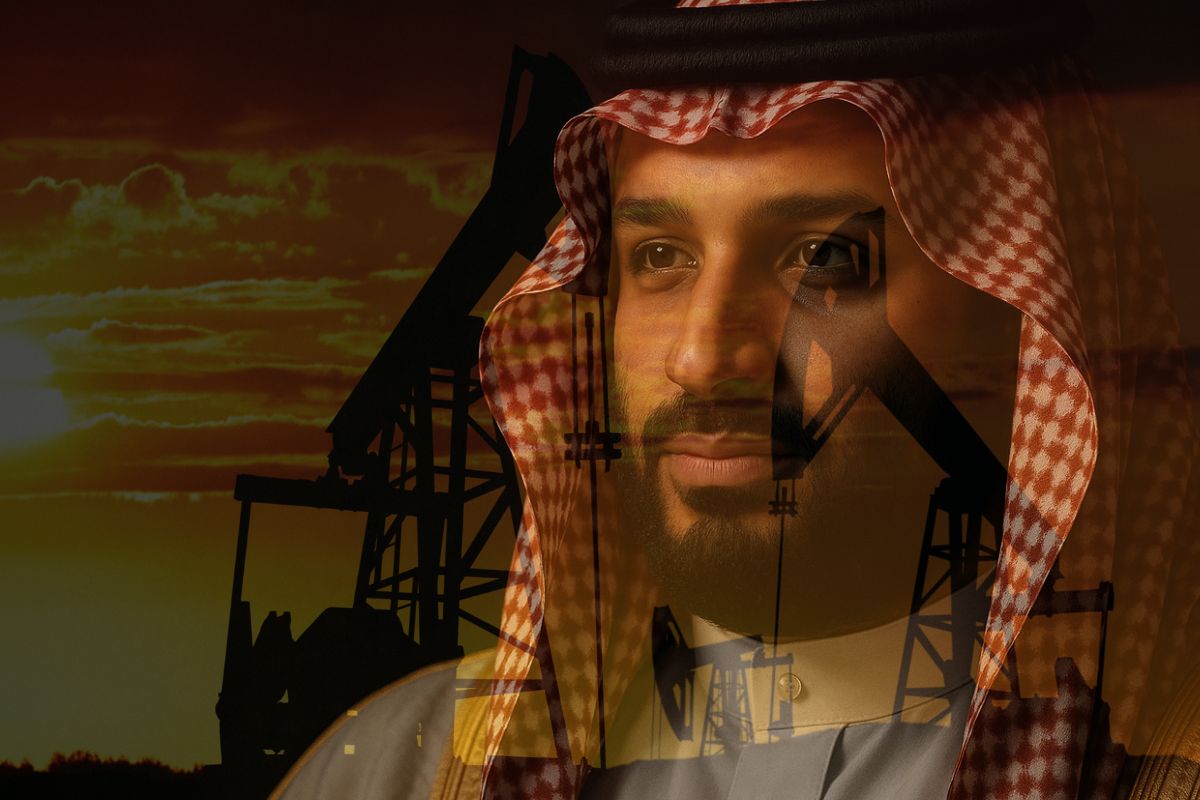
Mohammed bin Salman, Heir Apparent and Saudi Prime Minister, Concentrates Political, Economic, and Social Power by Implementing Bold Reforms and Repressing Opponents, Shaping the Future of the World’s Largest Oil Exporter.
Mohammed bin Salman Al Saud, known as MBS, is the only leader under 40 included among the most influential people on the planet. At 39, he effectively holds absolute command of the Kingdom of Saudi Arabia, serving as Heir Apparent since June 21, 2017, and since September 27, 2022, also as Prime Minister.
Under his leadership, the country has promoted the ambitious “Vision 2030,” an economic diversification program aimed at reducing dependence on oil and modernizing society while restricting political freedoms and repressing dissent. In this article, you will learn about the trajectory, policies, and challenges of the young ruler shaping the destiny of one of the Middle East’s most strategic nations.
ARTICLE CONTINUES BELOWSee also
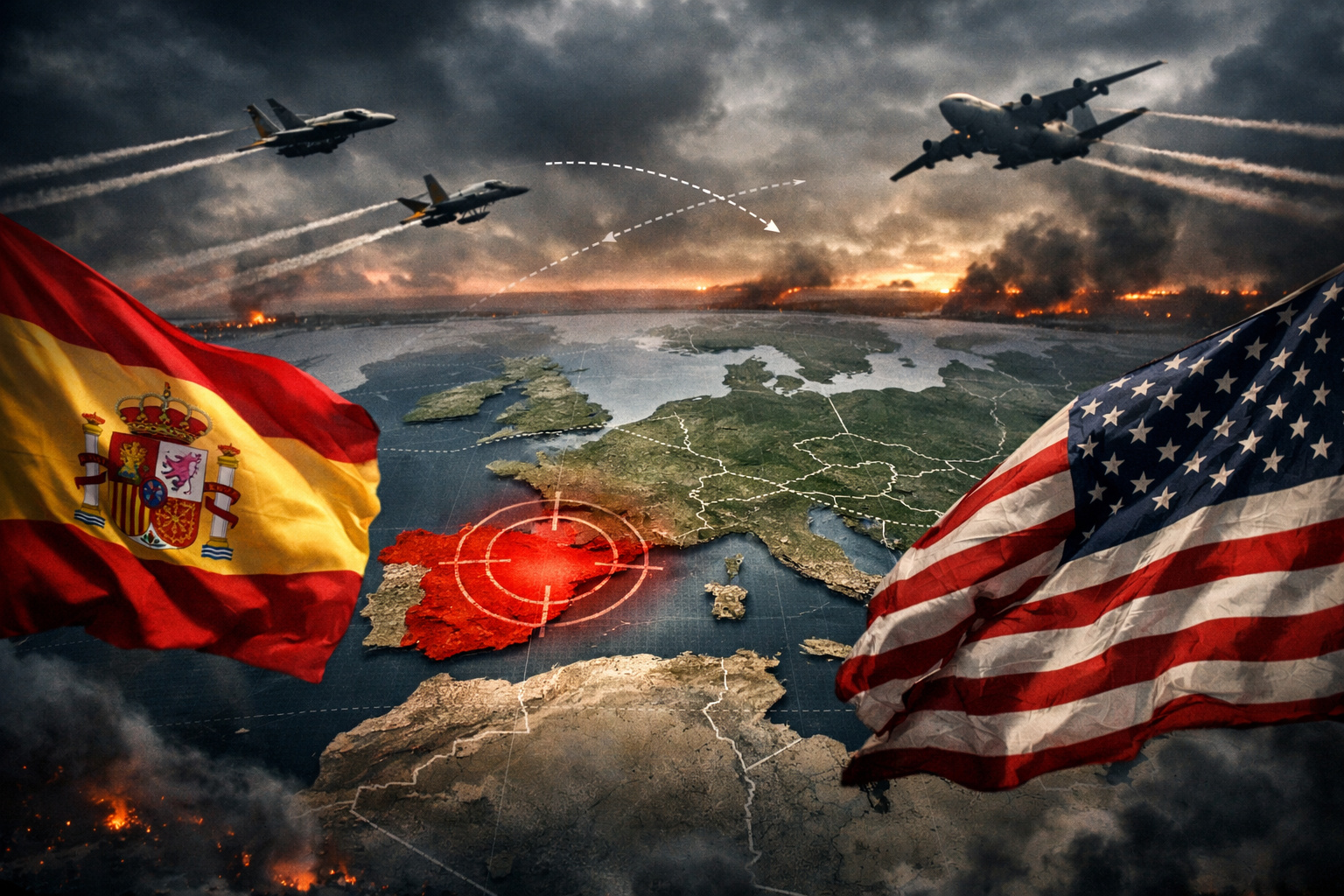
Spain challenges the USA and closes its airspace for operations against Iran, raising global tension and provoking the threat of a trade rupture.
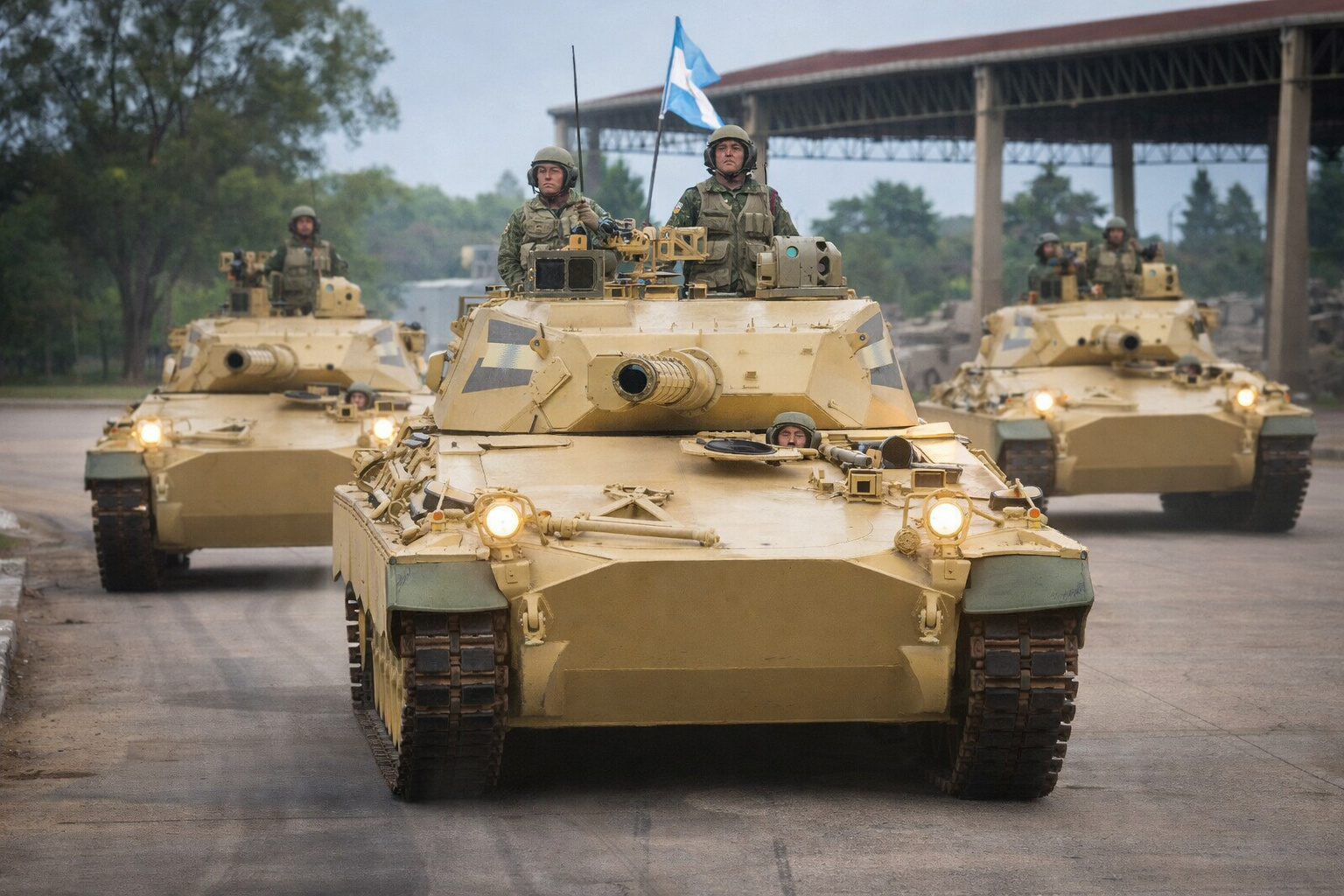
While no other country manufactures tanks in Latin America, Argentina activates the TAM 2C-A2 and raises a curiosity about the technological lag in the region.
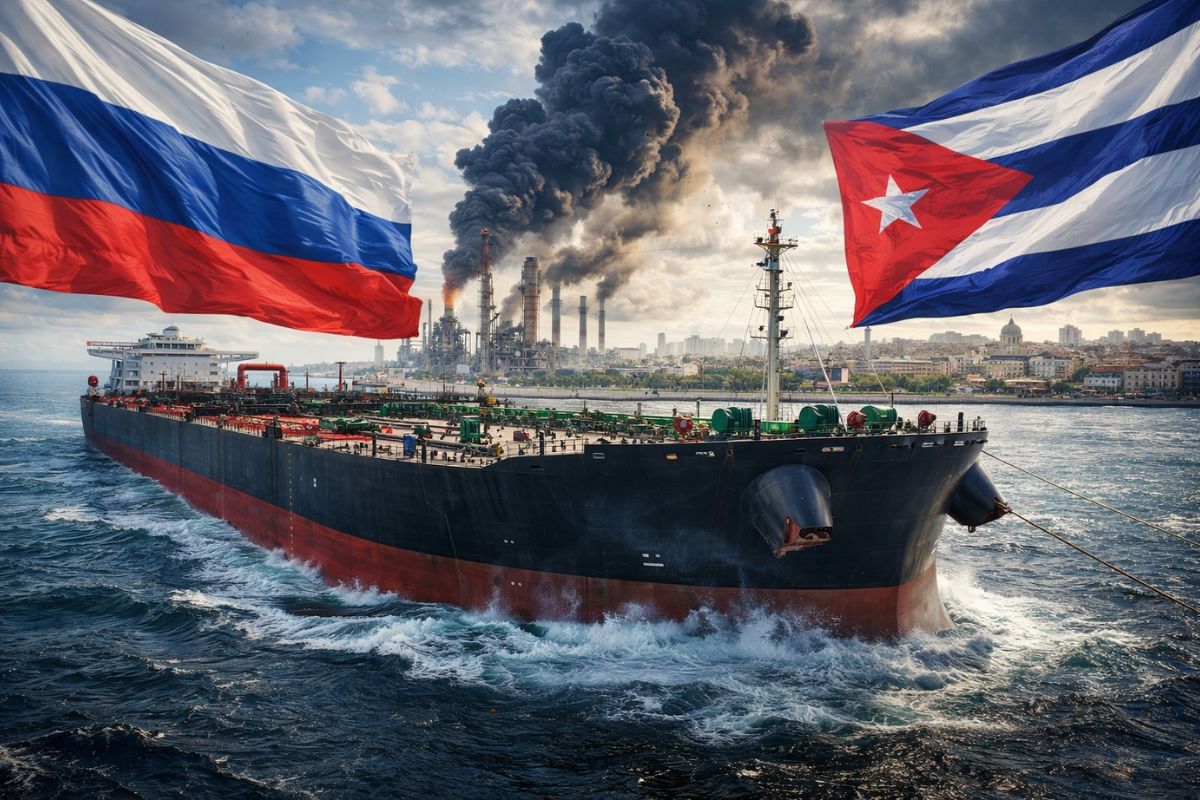
A Russian ship with 730,000 barrels of oil has just arrived in Cuba while Mexico negotiates fuel sales through private companies: the communist island is desperately seeking alternatives after losing its supply from Venezuela due to American military action.
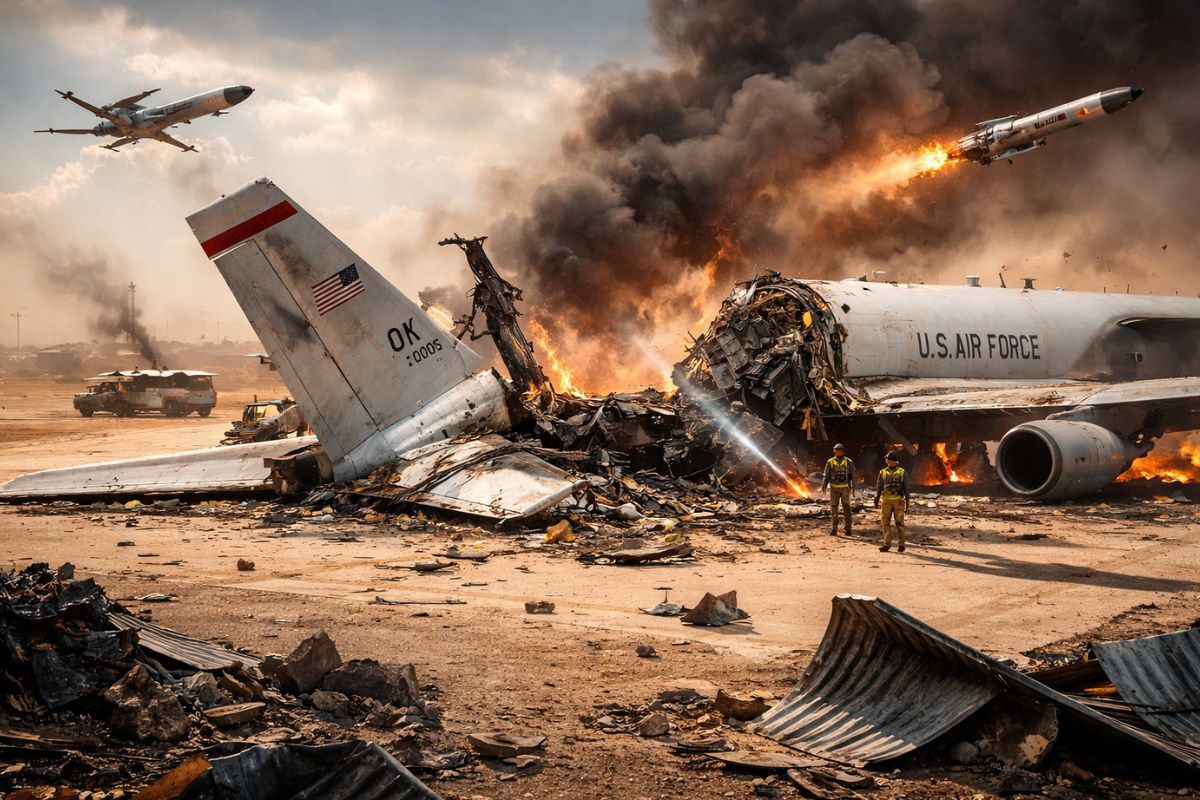
Iranian drones and missiles destroyed a 270 million dollar American spy plane in Saudi Arabia, splitting the E-3 Sentry aircraft in half and injuring 12 military personnel in an attack that exposes the vulnerability of U.S. bases in the Persian Gulf.
Origins and Education
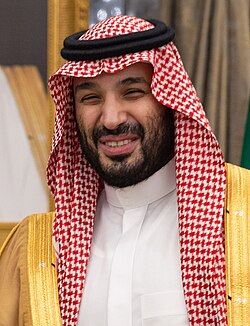
Mohammed bin Salman was born on August 31, 1985, in Riyadh, the son of then Prince Salman bin Abdulaziz (now the King of Saudi Arabia) and Fahda bint Falah Al Hithlain. The seventh son of King Salman, he is the grandson of the country’s founder, Ibn Saud. He grew up in the restricted environment of the royal palace alongside his brothers Turki, Mashour, Fahda, Noura, and Abdulaziz.

After completing high school at the King Abdulaziz Foundation for Research and Archives, Mohammed enrolled at King Saud University, where he graduated in Law in 2007, achieving the second-best academic performance in his class.
While still at university, he became involved in activities supporting the Economic and Development Council, preparing to assume public roles.
Political Rise
In December 2009, at the age of 24, he became a special advisor to his father, then governor of the Riyadh Province. He was quickly appointed as the Secretary-General of the Riyadh Competitive Council and a member of boards such as the King Abdulaziz Foundation for Research and Archives.
In October 2011, when his father became Deputy Crown Prince, Mohammed succeeded him as Chief of Staff to Crown Prince Saud bin Nayef Al Saud.
With the ascension of King Salman in January 2015, Mohammed was appointed Minister of Defense and Secretary-General of the Royal Court. In this role, he coordinated the Saudi-led military intervention in Yemen, defining himself as the “architect” of actions against the Houthi rebels.
Under his command, the Saudi coalition began airstrikes and naval blockades that, while aimed at restoring the ousted government in Yemen, resulted in a prolonged war of attrition.
On June 21, 2017, Mohammed bin Salman was elevated to the position of Crown Prince, replacing Muhammad bin Nayef. The decision, anticipated by German intelligence reports, reinforced his internal and external influence.
Shortly thereafter, in November 2017, he conducted a sweeping anti-corruption purge that resulted in the detention of dozens of princes, businessmen, and high-ranking officials at the Ritz-Carlton in Riyadh, further centralizing power within the House of Saud.
On September 27, 2022, King Salman delegated the position of Prime Minister to Mohammed bin Salman, traditionally held by the sovereign himself. From then on, MBS began to accumulate the three main executive titles of the Kingdom: Crown Prince, Prime Minister, and Minister of Defense (until 2022).
Internal Reforms and the “Vision 2030”
MBS drastically reduced the influence of the Wahhabi clergy, limiting the authority of the religious police, the Commission for the Promotion of Virtue and Prevention of Vice has ceased to have the power to detain or interrogate citizens for violating Sharia norms.
This measure allowed the reopening of cinemas in 2018, the expansion of entertainment events, and the organization of shows featuring international artists, breaking decades of strict conservatism.
Still in 2018, under the banner of modernization, the Crown Prince ended the ban that prevented Saudi females from driving vehicles.
The following year, he eased the male guardianship system, allowing women over 21 to issue passports and travel without the consent of their guardians.
Although these advances symbolized greater freedom for women, arrests and torture of women’s rights activists, such as Loujain al-Hathloul, persisted, highlighting the selective nature of the reforms.
Launched in April 2016, Vision 2030 is Mohammed bin Salman’s flagship project. The plan includes privatizations, subsidy reductions, and attracting investments in tourism, technology, and entertainment. It encompasses the creation of special economic zones, such as NEOM, a futuristic city costing $500 billion on the Red Sea, and nuclear and solar generation projects with ambitious carbon neutrality goals through carbon capture technologies.
During the proceedings of November 2017, dozens of princes and tycoons were detained on corruption charges, resulting in the seizure of billions of dollars in assets, estimated between $300 billion and $800 billion.
The operation, which included reports of torture and intimidation at the Ritz-Carlton in Riyadh, consolidated MBS as a central figure of power, but also generated international condemnation for coercive methods and lack of due process.
Foreign Policy and Regional Clashes
As Minister of Defense, Mohammed orchestrated the military intervention against the Houthis. While justifying the operation as a defense of Saudi interests and seeking to restore the exiled government, the campaign led to a severe humanitarian crisis, with over 50,000 children dying from starvation by 2017 — and criticism from international organizations for alleged war crimes.
In June 2017, Saudi Arabia, alongside the United Arab Emirates, Bahrain, and Egypt, imposed a diplomatic and economic blockade on Qatar, accusing it of financing terrorism and having close ties with Iran. The rupture was only reversed in January 2021, following mediation by Kuwait and the U.S., resulting in the Al-’Ula agreement.
In 2018, he became the first member of the House of Saud to publicly demonstrate support for Israel’s right to exist. MBS participated in discreet meetings with Israeli leaders in NEOM and stated that, personally, he did not care about the Palestinian cause, although he recognized its internal relevance for the Saudi people. In September 2024, he stated that he would only normalize relations with Israel upon recognition of a Palestinian state with East Jerusalem as its capital.
MBS solidified pragmatic ties with Vladimir Putin, coordinating oil production cuts via OPEC+ to influence international prices.
In December 2022, he hosted Xi Jinping on a historic visit, elevating economic cooperation to a “comprehensive strategic partnership” and agreeing on joint ventures in military technology, such as local drone production.
The Saudi neutrality in the Russia-Ukraine conflict and the refusal to increase oil extraction to pressure Moscow highlight Saudi autonomy on the geopolitical chessboard.
Internal Challenges and Controversies
Alongside economic reforms, MBS led an authoritarian government that severely repressed political critics, activists, and journalists, with the most emblematic case being the murder of columnist Jamal Khashoggi in October 2018, inside the Saudi consulate in Istanbul.
International organizations, such as the UN and the CIA, concluded that the Crown Prince ordered the operation. Despite this, no judicial action against him has been initiated, and he was granted immunity upon assuming the position of Prime Minister in 2022.
The 2017 purge, which led to reports of torture without fair trials or opportunities for defense, exemplified the consolidation of power through intimidation. In 2020, former intelligence officer Saad al-Jabri filed a lawsuit in the U.S., alleging that MBS attempted to assassinate him in Canada. The detention of al-Jabri’s family members and the issuance of an extradition notice by Interpol solidified the climate of fear among opponents.
Although Vision 2030 aims to diversify the economy, Saudi Arabia still depends 70% on oil sales for its revenue. Billion-dollar projects, like NEOM, Neom Bay, and Qiddiya, require massive investment in infrastructure but face delays, rising costs, and geopolitical uncertainties that may undermine the attraction of foreign capital.
Recognition and Global Influence
Despite internal controversies, MBS consistently appears on Forbes’ list of the world’s most powerful leaders, being ranked eighth in 2018 and sixth in 2019. In 2023, just behind Xi Jinping and Vladimir Putin, he remained among the top ten.
His domestic youth popularity, especially among the new Saudi generation, justifies social reforms, cinemas, sports, entertainment, and gradual opening to foreign investments. Internationally, he plays a central role as a mediator in conflicts, hosting Zelensky in March 2025 for peace negotiations in the Ukraine war and attracting heads of state to lend legitimacy to his initiatives.
Mohammed bin Salman is now the face of a transitioning Saudi Arabia: by enacting audacious social and economic reforms, he brings the Kingdom closer to international standards in entertainment, tourism, and trade while simultaneously reinforcing a repressive apparatus against opponents.
His Vision 2030 project promises to transform the oil economy into a diversified powerhouse, but his authoritarian methods and the legacy of the war in Yemen may undermine internal stability.
At 39, MBS represents the emerging generation of global leaders, but the combination of ambition and power centralization jeopardizes the future of human rights and governance in the world’s largest oil exporter.







-

Uma pessoa reagiu a isso.