





 Portuguese
  English
  Spanish
  3 min of reading
  0 comments


The Trajectory of Henrique Lage Reveals How the Integration Between Mining, Steelmaking, and Navigation Structured a Strategic Economic Empire, Deeply Linked to the Decisions of the Brazilian State Between 1918 and 1942
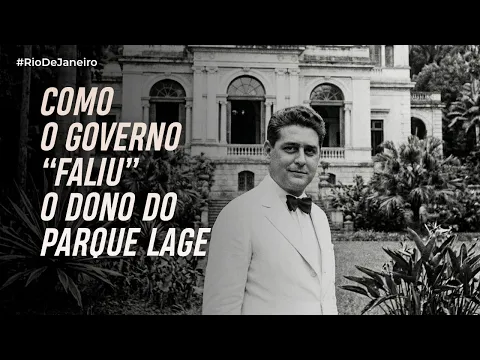

Territorial Expansion and Strategic Technical Training
From that moment on, territorial expansion becomes decisive, especially with the acquisition of coal deposits in Santa Catarina, essential for national energy supply. Meanwhile, the heir of the group obtains training in naval engineering in the United States, returning to Brazil with a technical vision. Even so, in 1908, state impediments, such as taxes and railway changes, hinder coal mining.
World War I and the Strengthening of State Support
With the onset of World War I, the economic landscape transforms. Faced with difficulties in maritime transport and coal supply, the government adopts emergency measures, reducing tariffs and encouraging domestic products. In this context, in 1918, the incorporation of the Brazilian Coal Company of Araranguá occurs, ensuring railway logistics to the mines.
-
He started running at 66 years old, broke records at 82, and is now a subject of study for having a metabolic age comparable to that of a 20-year-old, in a case that is intriguing scientists and inspiring the world.

-
Oldest tree on the planet reappears after 130 years of searches: Wattieza, 385 million years old, was 10 meters tall and had no leaves or seeds; Gilboa fossils in New York solved the mystery in 2007.

-
A 48-square-meter house assembled in hours with 4,000 bricks made of recycled plastic that does not absorb moisture, has natural thermal insulation, and costs less than 90,000 reais in a complete kit.

-
Luciano Hang revealed that Havan’s air fleet has already accumulated more than 20,000 landings, 10,000 flight hours, and 6 million kilometers traveled, and he says that without the planes, the company would never have grown so quickly.


Naval Plan and Change in Business Leadership
At the same time, the Wenceslau Braz Naval Plan eliminates taxes and provides incentives for shipbuilding. However, the death of brothers Antonio and Jorge, victims of the Spanish flu in October 1918, profoundly alters the corporate structure. Thus, the total control of the business becomes centralized, marking the beginning of a new phase of expansion.
Vertical Integration and Formation of the Lage Organization
Between 1919 and 1930, vertical integration solidifies, based on the trinomial coal, iron, and ship. Companies are created, incorporated, and reorganized, forming the Lage Organization. However, unfulfilled government agreements force investments with private capital and the taking of costly loans, increasing indebtedness.
Steelmaking Advancement and External Debt
Meanwhile, investments in steelmaking intensify, with projects in Minas Gerais, Niterói, Paraná, and Ilha do Vianna. In 1924, the National Steel Consortium is formalized, aiming to secure strategic inputs. However, the purchase of ships abroad during Artur Bernardes’ government, combined with the currency depreciation, deepens the financial crisis.
Political Crisis, Diversification, and Parliamentary Action
With the Revolution of 1930, temporary imprisonment and exile occur. After returning, lawsuits from Italian shipyards arise. Nevertheless, in the 1930s, there is business diversification, investments in aviation, and entry into politics. In 1934, elections for the Chamber of Deputies occur, with direct involvement in committees linked to the merchant navy.
New State, Closer Ties with Vargas, and Financial Collapse
During the New State, the relationship with Getúlio Vargas strengthens. In 1938, the Order of Military Merit is granted, symbolizing alignment between industry and state projects. However, in 1941, the suspension of navigation subsidies causes financial collapse, making bank commitments unfeasible.
Death and Incorporation of the Empire by the State
Shortly after, on July 2, 1941, the businessman passes away. With Brazil’s entry into World War II, in 1942, the government issues Decree-Law No. 4,648, incorporating the assets of the Lage Organization into national property, under the justification of strategic interest for national defense.









Seja o primeiro a reagir!