





 Portuguese
  English
  Spanish
  5 min of reading
  0 comments


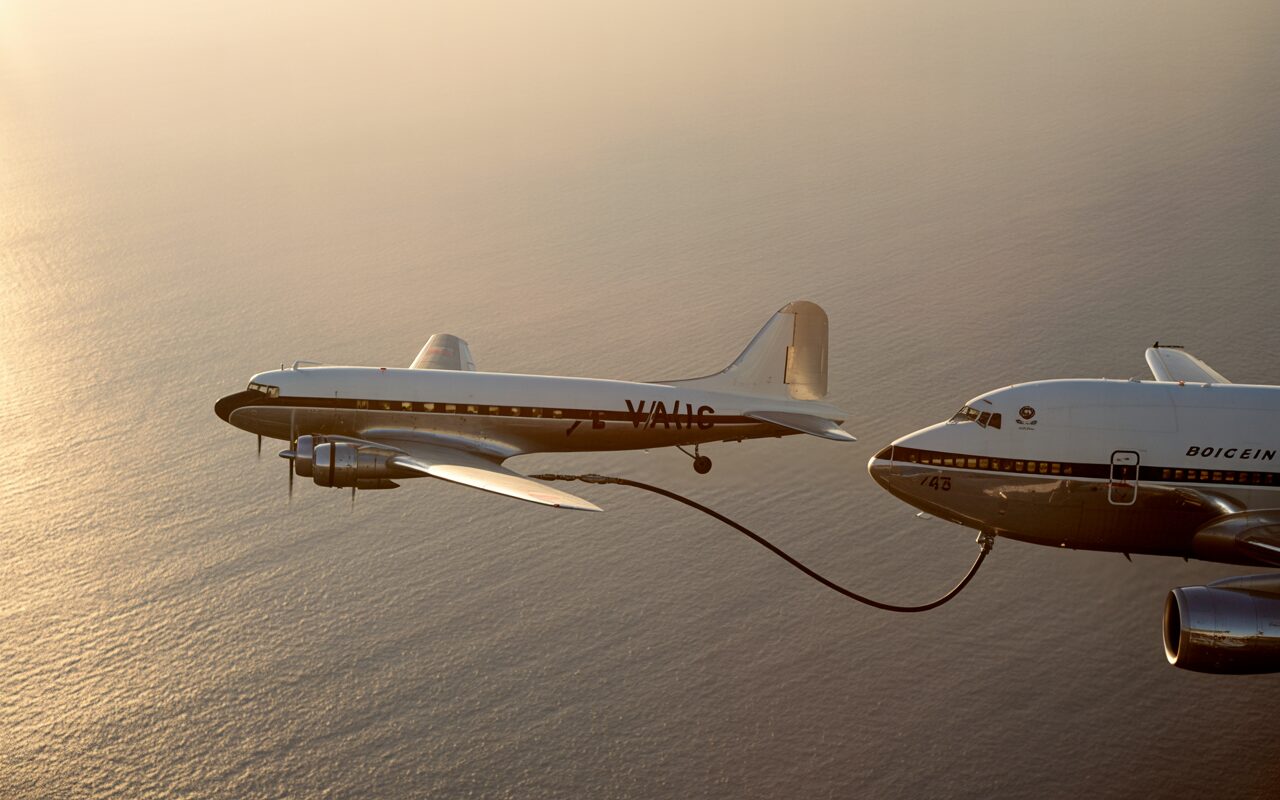
With a Maneuver That Looks Like a Scene from a Sci-Fi Movie, Military and Strategic Aircraft Can Spend Days in the Air Without Touching the Ground. Discover How Aerial Refueling Works and Why It Is One of the Boldest Achievements in Aviation.
The idea of an aircraft that can stay airborne for days without landing may sound absurd at first. After all, any commercial flight has a limited time, not only due to fuel but also due to factors such as crew fatigue and maintenance. However, in military aviation, this reality has existed for decades, thanks to a bold and extremely precise technique: aerial refueling. This procedure allows aircraft to receive fuel while still flying, eliminating the need for frequent landings. It is a technological feat that has forever changed the concept of flight autonomy and is among the most challenging maneuvers ever mastered by modern aviation engineering.
How Does In-Flight Refueling Work? The Aircraft That Can Stay in the Air for Days Without Landing
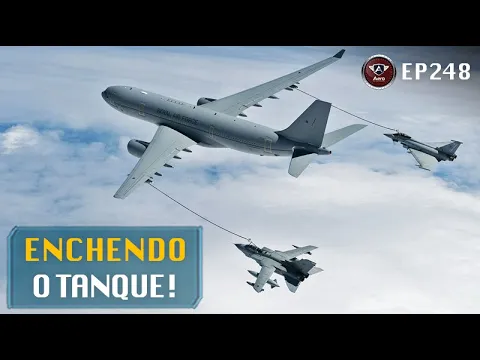

Aerial refueling occurs when a tanker aircraft, specially equipped for this function, transfers fuel to another aircraft during flight. The operation takes place at altitudes exceeding 10,000 meters, high up in the atmosphere, where conditions are severe and any mistake can be fatal.
There are two main methods:
-
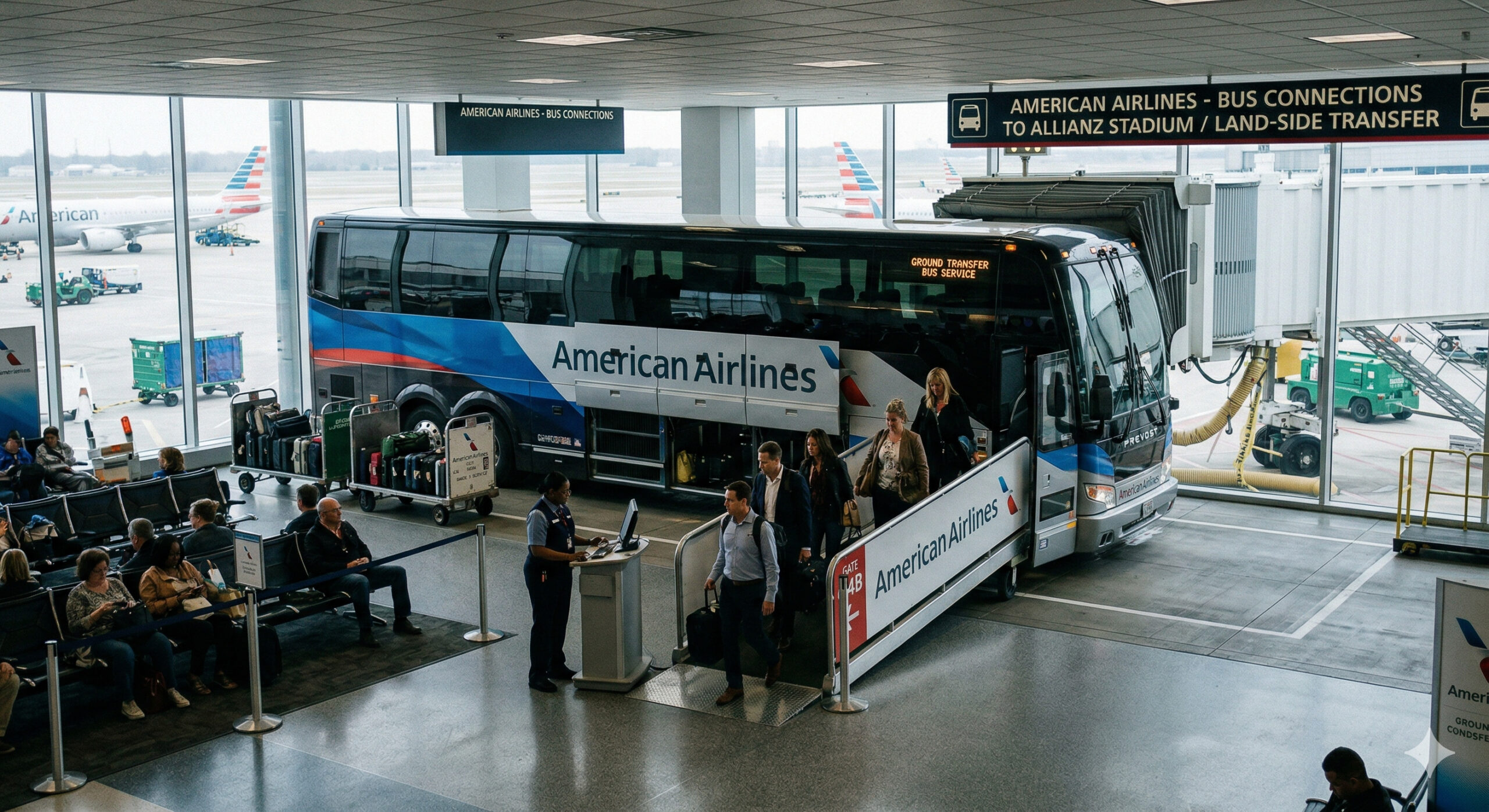
American Airlines starts selling trips as if they were flights, with check-in and baggage check at the airport, but on short routes, passengers board luxury buses connecting cities to major hubs in the U.S.
-
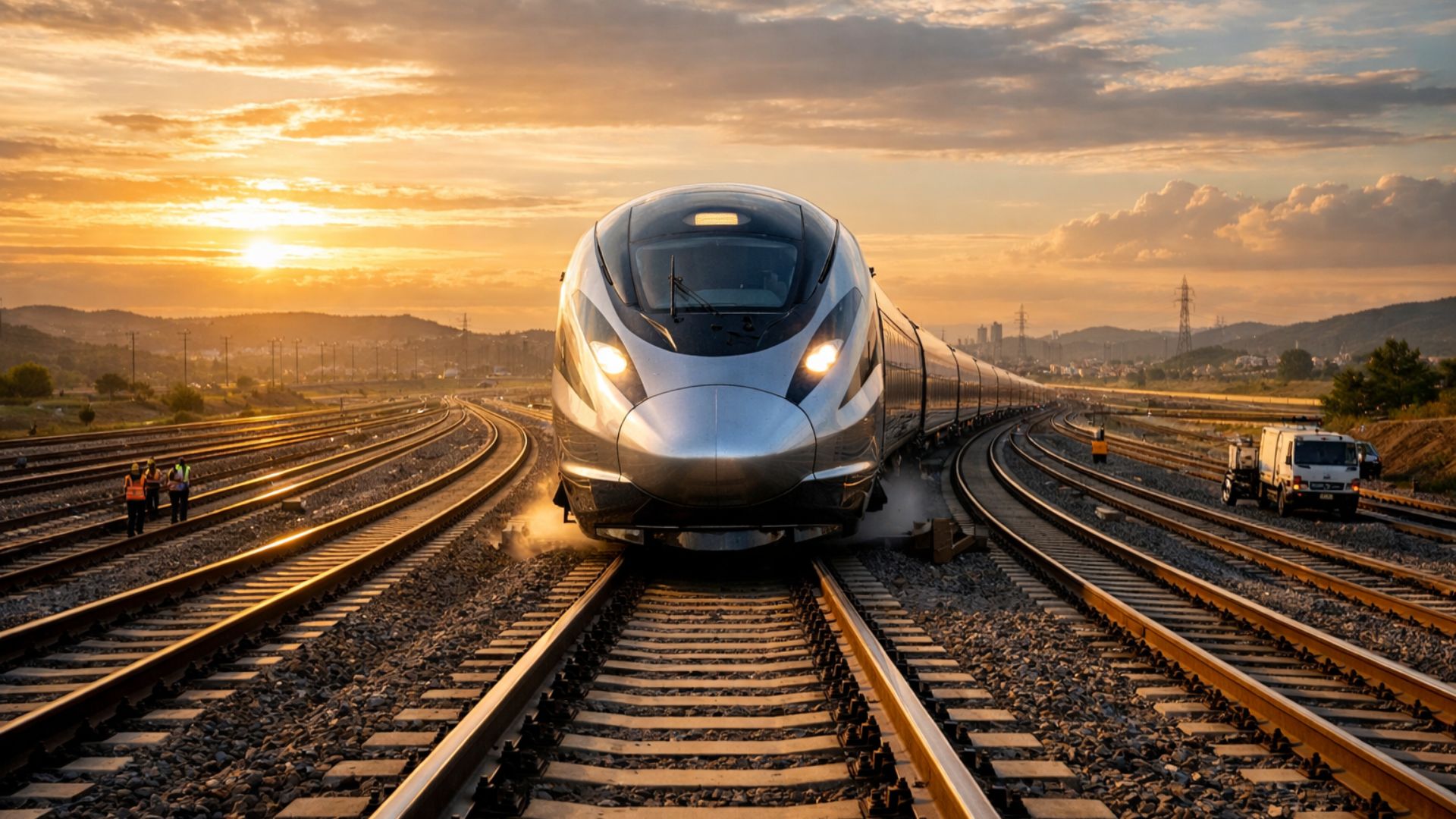
São Paulo surprises the world with a colossal railway network project that promises over 1,000 km of tracks, R$ 194 billion in investments, and 40 projects connecting the capital to the interior with fast and sustainable trains.
-
The world’s largest escalator, measuring 905 meters in China, reduces urban travel time from 1 hour to about 20 minutes and transforms mobility in mountainous regions with an engineering solution adapted to the terrain.

-
A R$ 300 million logistics giant is taking shape in Serra with over 100,000 m² and raises a question: how can this transform e-commerce and distribution in the state?

- Rigid Boom (Articulated Arm) – primarily used by the U.S. Air Force. An operator, known as a “boomer,” controls the telescopic arm from the tanker aircraft.
- Probe and Drogue – more common in NATO and European air forces. The receiving aircraft connects its probe to a kind of basket attached to a flexible hose.
Both methods require total synchronization between pilots and engineers, as alignment between the constantly moving aircraft, at hundreds of kilometers per hour, necessitates a minimal margin of error.
The Role of Tanker Aircraft
Tanker aircraft are true flying fuel stations. Models such as the KC-135 Stratotanker, the KC-10 Extender, and the modern KC-46 Pegasus from Boeing are adapted to carry tens of thousands of liters of fuel.
These aircraft can service everything from light fighters to heavy bombers, cargo planes, and intelligence aircraft. Brazil also has its version: the KC-390 Millennium from Embraer, which already operates with air-to-air refueling capability and real-time logistics.
Why Does an Aircraft Need to Stay in the Air for Days?
The ability to keep an aircraft in the air for days without landing is not just a technical trick: it is a strategic necessity. Here are the main reasons:
Prolonged Military Operations
During combat or surveillance missions, it is crucial that aircraft remain in the operational zone without needing to return to base. Aerial refueling ensures that reconnaissance aircraft, like the RC-135 Rivet Joint, or bombers like the B-52 Stratofortress, can stay on patrol for long hours — up to days.
Rescue and Humanitarian Support Missions
In remote locations or disaster zones, landing is not feasible. Aircraft can be kept in the air to deliver supplies, monitor conditions, or act as a command center, all without needing to land.
Scientific and Technological Experiments
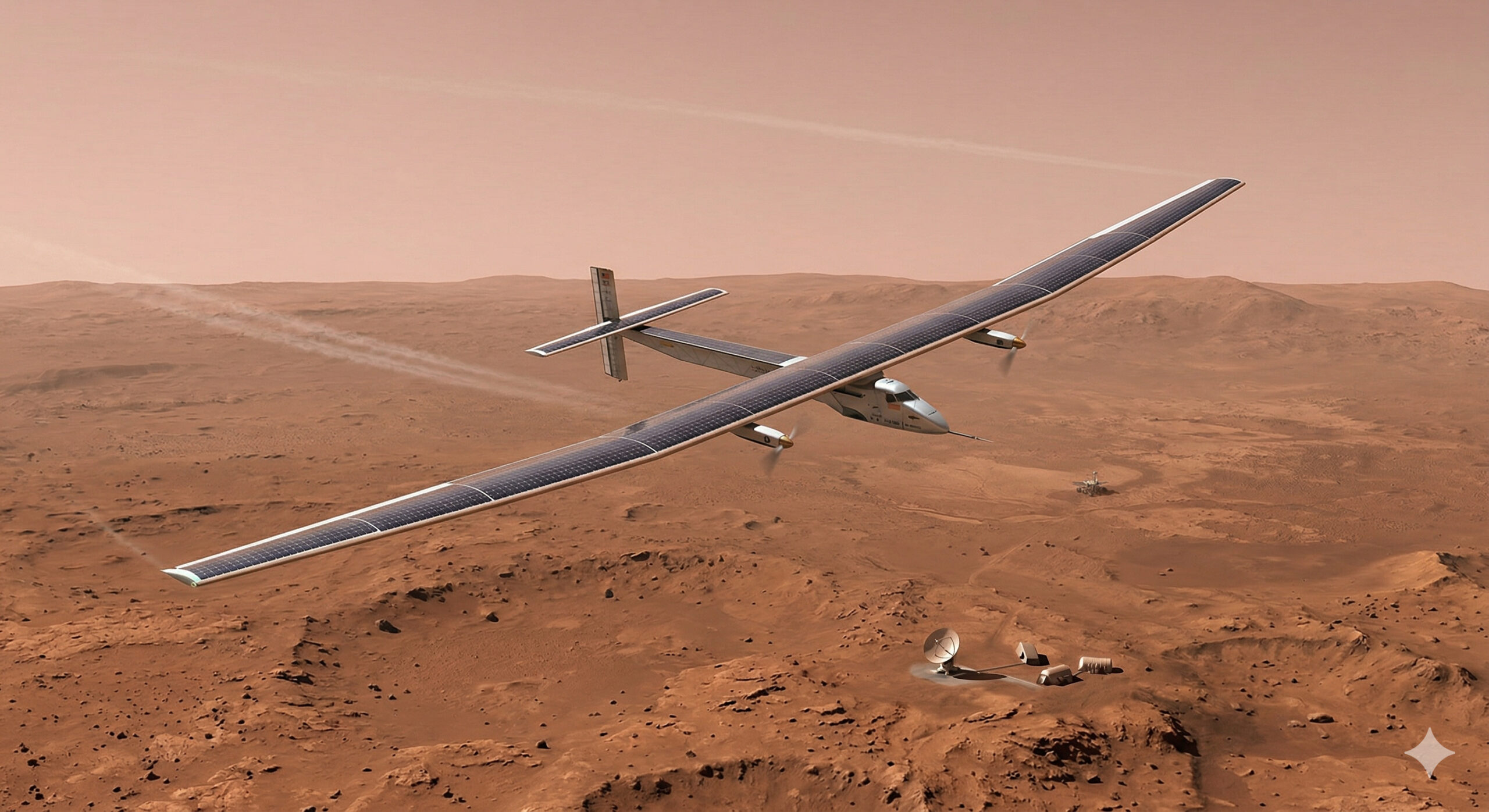
NASA and other agencies have already tested aircraft with extended range to monitor the weather, study atmospheric phenomena, and test new propulsion and solar power technologies.
Real Cases of Aircraft That Stayed in the Air for Days
You may be wondering if there has ever been a real case of an aircraft that stayed airborne for days without landing. The answer is yes — and with impressive numbers.
Cessna 172 — Absolute Record
In 1958, two American pilots kept a Cessna 172 in the air for an impressive 64 days, 22 hours, and 19 minutes, refueling in the air with the help of a truck following them on improvised runways. Although it does not involve military jets, the feat showed that, technically, an aircraft can remain in the air for months, as long as it is properly refueled.
U.S. Strategic Bombers
Models such as the B-2 Spirit and the B-52, during the Cold War and modern conflicts, often stay in the air for over 40 hours straight. The alternation of refuelings makes this possible.
Global Hawk (Drone)
The RQ-4 Global Hawk, a surveillance drone of the U.S. Air Force, can operate for up to 34 continuous hours, and there are versions being tested with automatic refueling, paving the way for flights of several days without human intervention.
The Aircraft That Can Stay in the Air for Days and Its Impact on Aviation
The ability to fly for days without landing redefines the limits of modern aviation. Instead of relying on ground infrastructure, such as airports and refueling runways, these aircraft become independent for long periods, which is crucial in wartime, international missions, and rapid crisis response.
This type of technology also influences the future of commercial aviation. With the advancement of more efficient engines, alternative fuels, and even solar-powered aircraft, it is expected that ultra-long and sustainable flights will become a reality.
And What About Crew Health?
Of course, keeping an aircraft in the air for days requires care for the crew. In military aircraft, teams work in shifts, and there are compartments for rest, meals, and hygiene. Constant communication with bases allows for crew rotations in mid-flight, through strategic support landings when necessary.
In extreme cases, drones and unmanned aircraft eliminate this limitation, making it possible to fly for days, weeks, or even months, without concerns for human well-being.
And What If Refueling Fails?
Aerial refueling is an extremely safe operation, but not without risks. Severe weather conditions, turbulence, equipment failure, or human error can lead to:
- Sudden disconnection of the hose;
- Fuel leakage;
- Collision between aircraft.
Therefore, there are rigid protocols and intensive training. Participating aircraft must be compatible, crews highly trained, and the process constantly monitored by sensors and radio communications.
The Technology of the Future: Autonomous Refueling
With the advent of autonomous systems, some companies are developing technologies to allow aircraft to perform in-flight refueling without human intervention. Airbus, for example, has already successfully tested automatic refueling in military aircraft.
Drones, fighters, and even cargo planes may soon receive fuel with commands assisted by artificial intelligence, reducing risks and increasing efficiency.
The aircraft that can stay airborne for days without landing is no longer a theory — it is a milestone in aeronautical engineering and modern aviation. Thanks to in-flight refueling, the autonomy of aircraft has multiplied, paving the way for long-duration missions, uninterrupted military operations, and new paths for the aviation of the future.
The maneuver, which requires millimeter precision, has become essential in a globalized world, where speed, range, and efficiency determine the success of each mission. In the era of advanced technology, the sky is no longer the limit — it is merely the starting point.







-

Uma pessoa reagiu a isso.