





 Portuguese
  English
  Spanish
  4 min of reading
  7 comments


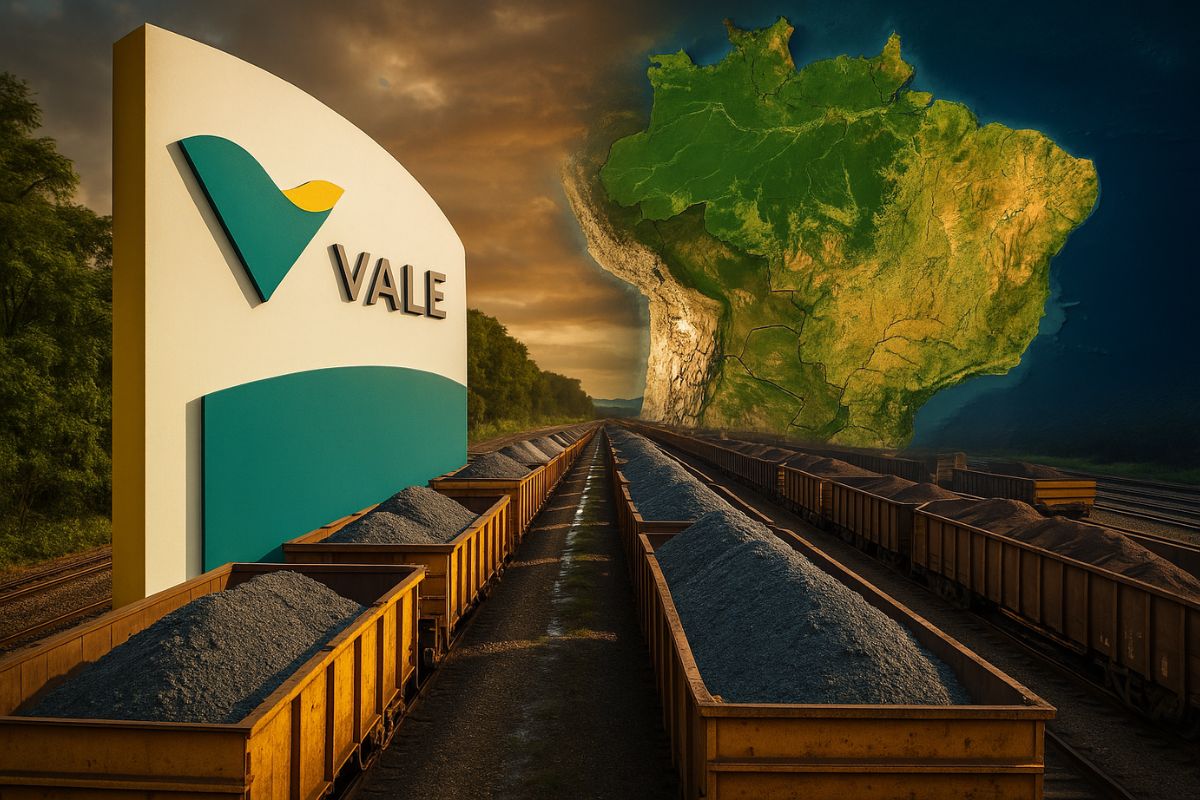


In May 1997, the sale of Companhia Vale do Rio Doce marked the peak of the privatization program in an auction surrounded by protests, legal battles, and controversies that echo even today.
The privatization of Vale on May 6, 1997, was more than just a deal; it was a turning point in Brazilian history. The sale of the controlling stake in Companhia Vale do Rio Doce (CVRD), the “crown jewel” of Brazilian state-owned enterprises, was the most symbolic and controversial event of an era marked by deep economic reforms in the country.
The transaction, worth approximately US$ 3.34 billion, was defended as an essential step for modernization, but faced fierce opposition that labeled it as the sale of national assets at a “rock-bottom price.” The history of the privatization of Vale is the tale of a day of war in the stock market, of complex financial engineering, and a legacy of two faces: on one side, a global giant with record profits; on the other, the shadow of two of the largest socio-environmental disasters in the country.
The Scenario of the 90s: Why Did the FHC Government Decide to Sell the “Crown Jewel”?
The decision to carry out the privatization of Vale was the pinnacle of the National Privatization Program (PND), initiated during the Collor government and deepened under Fernando Henrique Cardoso. Aligned with the neoliberal agenda that dominated the global landscape, the program aimed to reduce the size of the state and attract investments to modernize Brazilian industry.
-
How an innovative city combines high technology, well-being, and sustainability to become the largest reference in clean energy on the planet.
-
Couple buys 1846 church in ruins for R$ 660,000, invests R$ 3.2 million in renovations, transforms it into a millionaire mansion, and even preserved a historic cemetery with over 300 graves.

-
He started running at 66 years old, broke records at 82, and is now a subject of study for having a metabolic age comparable to that of a 20-year-old, in a case that is intriguing scientists and inspiring the world.

-
Oldest tree on the planet reappears after 130 years of searches: Wattieza, 385 million years old, was 10 meters tall and had no leaves or seeds; Gilboa fossils in New York solved the mystery in 2007.

The sale of Vale, however, was a special case. Unlike other state-owned enterprises that operated at a loss, CVRD was a consistently profitable company and a world leader in its sector. The government justified that, even though it was profitable, private management would make it more agile and competitive, free from bureaucratic constraints. For the opposition, it was the unnecessary sale of a strategic asset.
The Auction of May 6, 1997
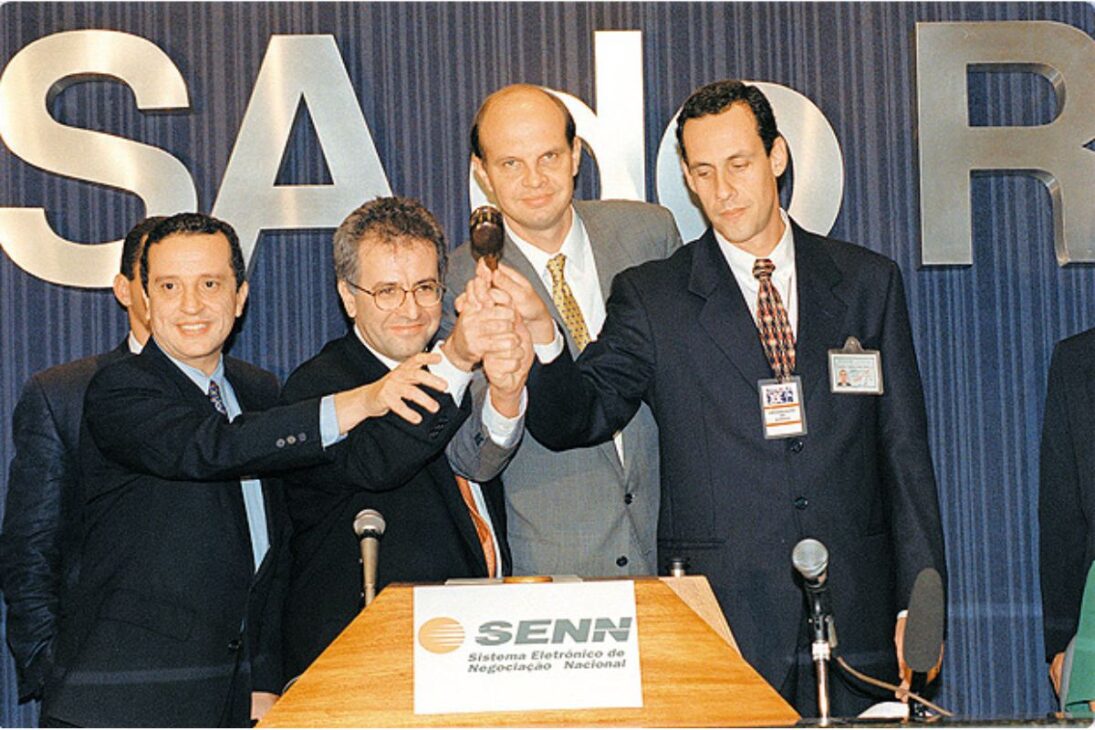
The day of the Vale auction at the Stock Exchange of Rio de Janeiro was one of the tensest in the history of the Brazilian capital market. Outside, a heavy police presence contained protesters opposed to the sale. Inside, a legal battle unfolded, with government lawyers working to annul dozens of injunctions attempting to block the auction.
At the end of the day, the government’s will prevailed. After a fierce competition, the gavel came down, sealing the fate of the largest mining company in Latin America.
A Billion-Dollar Deal: Who Bought It and How Did They Pay?
The federal government auctioned off a block of 41.73% of the voting shares, which guaranteed control of the company. The winning bid came from the Brazil Consortium, led by the newly privatized Companhia Siderúrgica Nacional (CSN), run by businessman Benjamin Steinbruch.
The final sale price was R$ 3.338 billion, which at the time was equivalent to about US$ 3.34 billion. This amount represented a premium of nearly 20% over the minimum price set by the government.
The Controversy over the “Rock-Bottom Price”: Criticisms of the Company’s Valuation
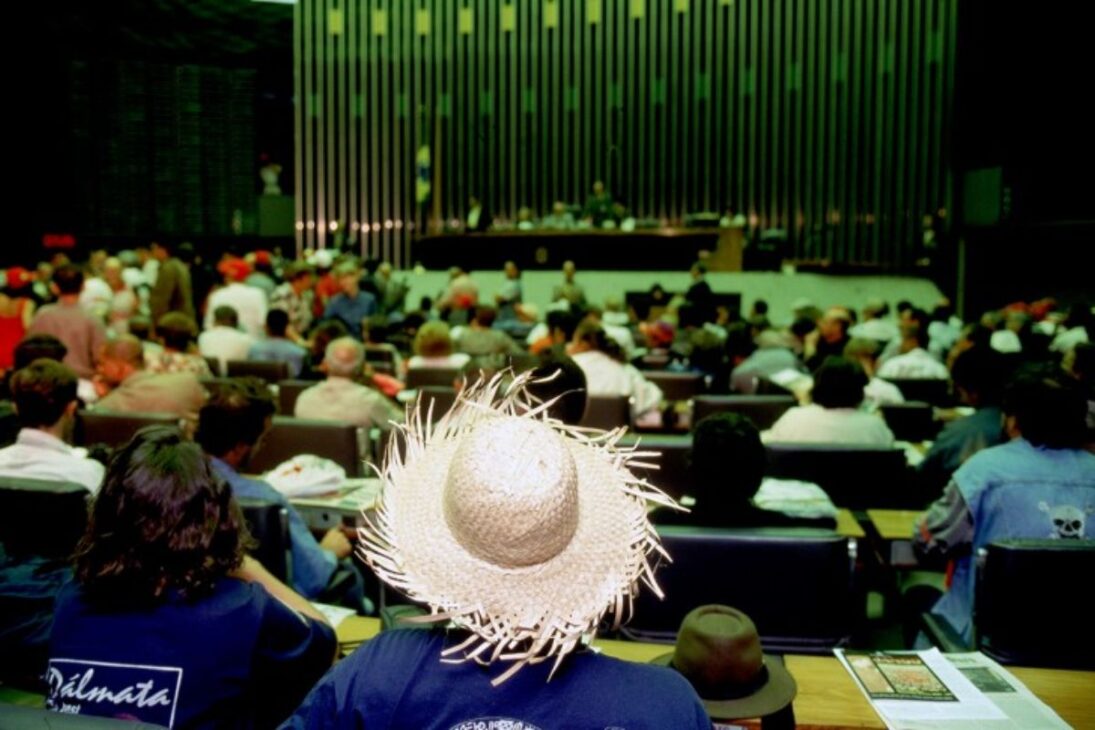
The strongest and most persistent criticism of the privatization of Vale was that the company was undervalued. Opponents argued that the calculation of the minimum price ignored the value of the vast mineral reserves of the company, which were a national asset.
Furthermore, the payment method was highly controversial. Part of the sale value could be paid with so-called “toxic currencies”, which were old public debt securities worth very little in the market, but which the government was obliged to accept at face value. For critics, this meant that the actual amount entering the public coffers was much lower than announced.
Record Profits and Socio-Environmental Disasters
After the privatization of Vale, the company experienced spectacular growth. Driven by the “supercycle” of commodities spurred by demand from China, the company became a global giant, with a market value that multiplied by more than 3,500% and distributed billions of dollars in dividends to its new shareholders.
However, this financial success is inseparable from a tragic socio-environmental legacy. For many critics, the focus on profit maximization after privatization led to a culture that neglected safety. This view is supported by the two largest environmental disasters in Brazilian history: the collapse of the Samarco dam (a joint venture of Vale) in Mariana (MG) in 2015 and the collapse of Vale’s own dam in Brumadinho (MG) in 2019, which together left a trail of hundreds of deaths and unprecedented environmental destruction.







Todas as estatais que foram vendidas,passaram a funcionar com muito mais eficiência. Nunca fui muito fã de FHC,mas decisão dele foi corretíssima. Vou dar exemplo de gestão estatal em relação a gestão privada…: RFFSA tinha 10 engenheiros por km .Quem comprou,inverteu..passou a ser 10 km por engenheiro. Compare os funcionários de dois grandes bancos estatais com os funcionários dos dois maiores bancos privados…vejam os salários, penduricalhos, prêmio e etc..e façam as contas…pq o governo não produz etanol…?…pq um tratorista da usina estatal ganharia 10 vezes mais que um engenheiro da usina privada…resultado: estatal só dá lucro com eficiência se for privatizada. Tem ainda 2 empresas estatais que dão lucro,mas se forem privatizadas,darão 10 vezes mais.(que venham os defensores)
Pois é, essa ex-estatal poderia hoje estar brilhando como está a EBCT, o “nosso” Correios …!
Podemos incansavelmente estar justificando que todas essas privatizações e tantos outros atos praticados pelo Estado em detrimento do povo são danosos ao país.
Eu vejo que o problema está na escolha dos chamados “representantes do povo” que em sua grande maioria estão interessados em suas candidaturas e a satisfazer os interesses daqueles que os patrocinam, tendo as mentes dominadas por ideologias burguesas e com vistas a vantagens indevidas. Para mudar essa realidade somente qdo o povo adquirir consciência de classe, contudo o sistema habilmente impede que o povo a adquira. Resta a alternativa da revolução, somente ela poderá mudar o destino da nação.