





 Portuguese
  English
  Spanish
  5 min of reading
  0 comments


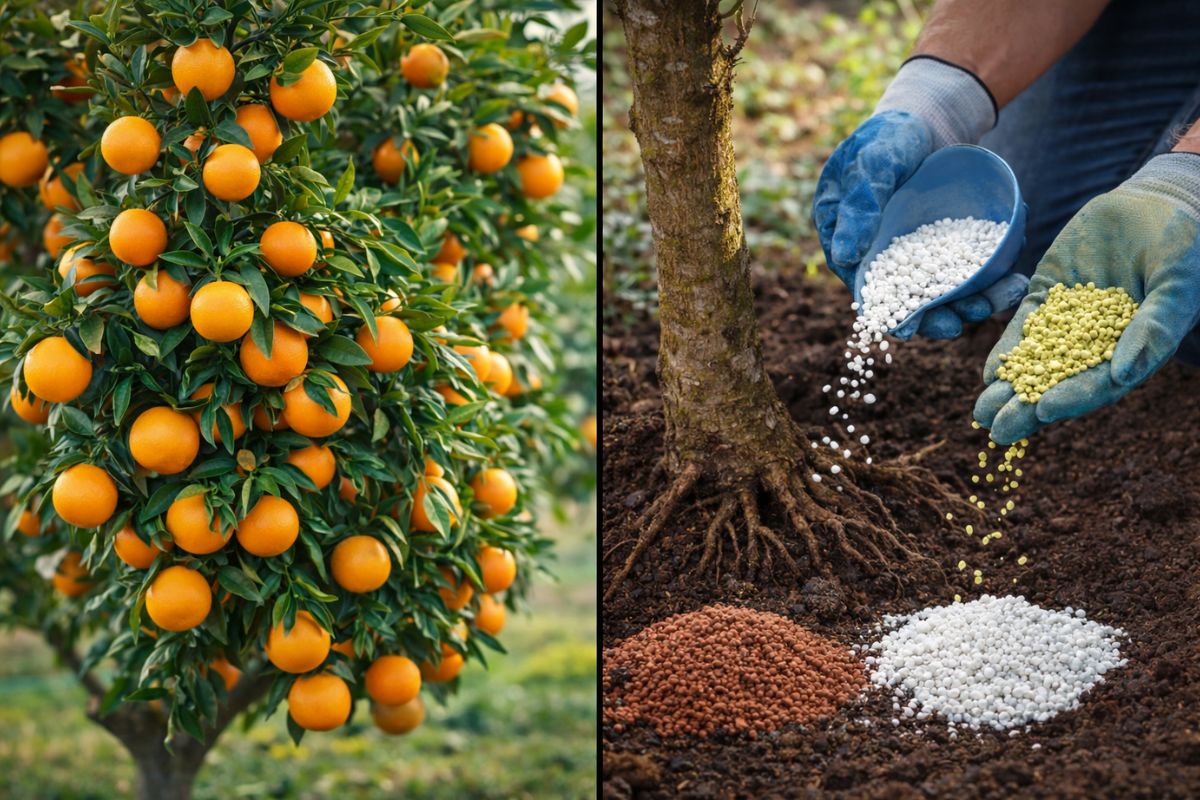
To have a fruit tree loaded all year round, the secret lies in fertilization with nitrogen, phosphorus, and potassium (NPK) applied at the right time: nitrogen strengthens the leaves, phosphorus stimulates roots and flowering, and potassium improves the size, flavor, and resistance of the fruits.
Many people look at a tree loaded with fruits in their neighbor’s yard and think it’s a matter of luck or having a “green thumb” for planting. But when the soil is balanced with the right nutrients, the tree gains a different disposition: it grows stronger, fills with flowers, and enters a constant production rhythm that repeats year after year. The secret is not in any magic formula, but in three nutrients that most people apply incorrectly or simply ignore: nitrogen, phosphorus, and potassium, known by the acronym NPK.
Whether in the backyard or in a large orchard, a well-fed tree produces much more and with superior quality. The correct fertilization makes the difference between a fruit tree that yields half a dozen fruits per harvest and one that fills its branches with beautiful, sweet, and fragrant fruits. The process takes about 90 days to show visible results when combined with proper pruning, adjusted irrigation, and soil that is neither waterlogged nor too dry. It’s not a complicated recipe. It’s constant care and knowledge of how each nutrient works within the tree.
What nitrogen does for your tree and how to identify when it is lacking

Nitrogen is the nutrient responsible for the vegetative growth of the tree. It fills the canopy with green and healthy leaves, which are the energy factories of the plant through photosynthesis.
-
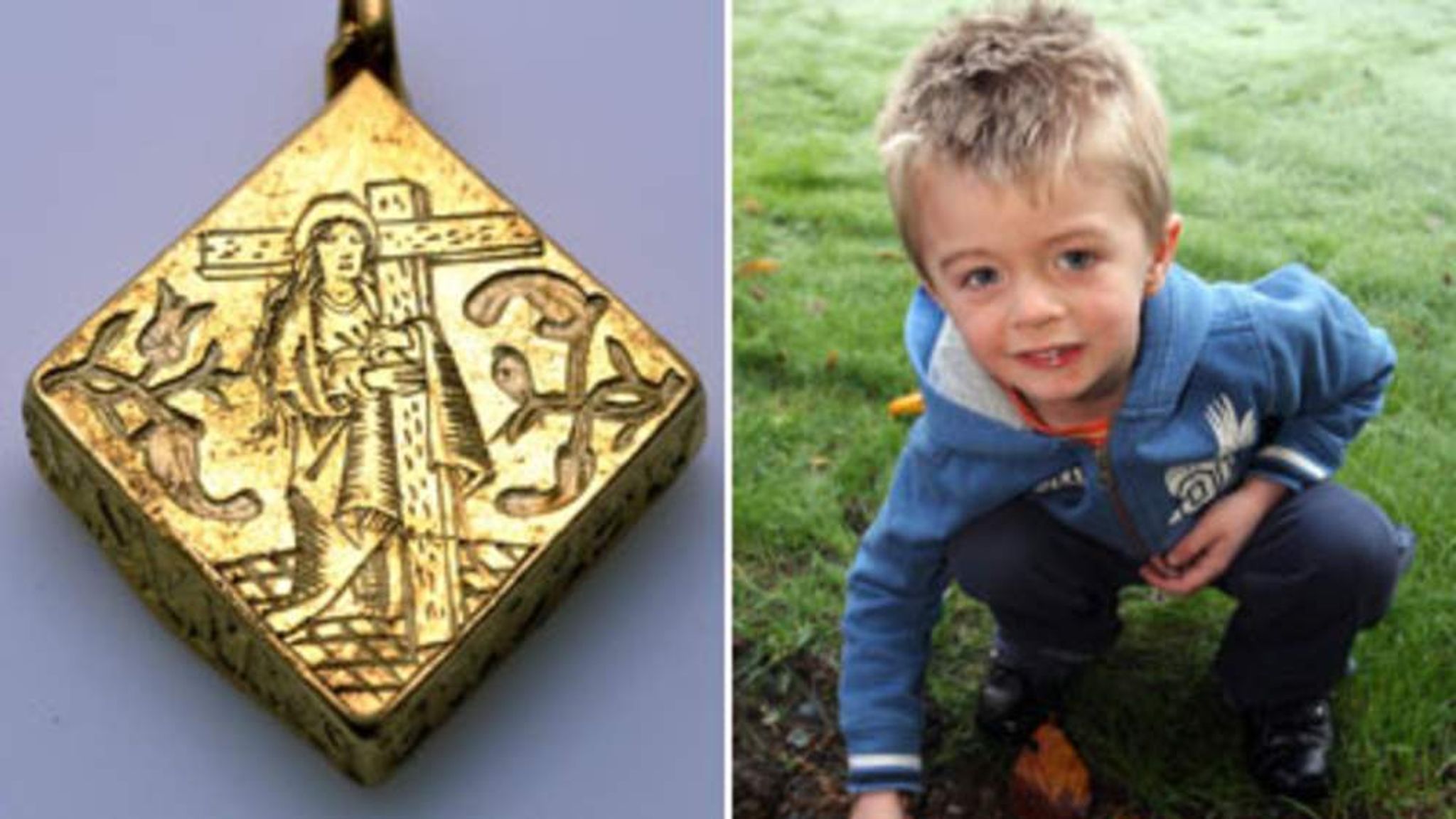
A 3-year-old child was playing with their father’s metal detector and found a gold pendant over 500 years old, valued at $4 million, a piece with a secret compartment linked to the era of Henry VIII, found by James Hyatt.
-
Brazil feels the record heat: 2025, the 3rd hottest year on the planet, brought 1,493 hydrological disasters, affected 336,656 people, and caused losses of R$ 3.9 billion, according to Cemaden in the country.

-
From a childhood marked by hunger to a symbol of hope: the house where Maradona was born becomes a cafeteria that feeds hundreds every day amidst the economic and social crisis in Argentina.

-
Few people know about this Greek island with 6 ideal months for visiting, perfect winds for kitesurfing, a medieval village on a cliff, almost untouched beaches, and a cuisine featuring fresh fish that surprises travelers.

Without enough well-nourished leaves, the fruit tree cannot produce the energy necessary to sustain a generous harvest. A tree with sparse foliage and small leaves is almost always a tree lacking nitrogen.
The signs of deficiency are visible: older leaves turn yellow, new ones become smaller, and the tree appears “stuck in time.” To correct this, urea and other nitrogen fertilizers can be spread around the canopy and lightly incorporated into the soil.
Well-composted chicken manure and organic compounds rich in nitrogen also work well because they release the nutrient gradually, feeding the tree slowly over weeks.
How phosphorus strengthens flowering and transforms flowers into fruits on the tree
Phosphorus is the nutrient that works on the roots and flowering of the tree. It strengthens the root system, allowing the plant to absorb more water and minerals from the soil, and stimulates the production of flowers that, if well pollinated, turn into fruits.
A tree with strong roots and abundant flowering is a tree that has sufficient phosphorus in the soil. Without it, production drops drastically even if the other nutrients are balanced.
Phosphorus deficiency manifests in dark green, sometimes purplish leaves, and in weak flowering that reduces production throughout the harvest. To replenish it, bone meal is one of the most accessible and efficient options for those caring for a tree in the backyard.
NPK formulas like 4-14-8 and reactive natural phosphate in acidic soils also provide phosphorus gradually, sustaining flowering for longer and increasing the fruit set rate on the branches.
Why potassium is the nutrient that gives flavor to your tree’s fruits
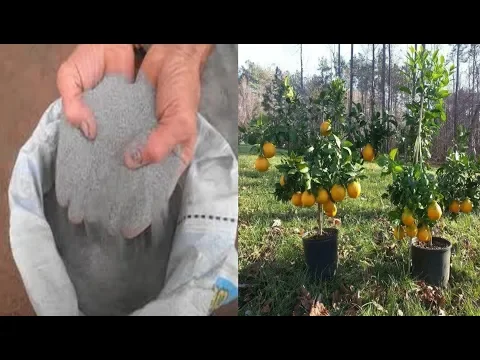

Potassium works behind the scenes, but its effect is felt with the first bite. This nutrient directly influences the size, sugar content, and resistance of the fruits, as well as strengthening the tree against pests and climate variations.
A fruit tree with balanced potassium produces larger, sweeter fruits with more uniform skin. Without it, the fruits come out smaller, less flavorful, and with irregular texture.
When potassium is lacking, the edges of the leaves become dry, as if burned, and the tree becomes more vulnerable to diseases. To replenish it, potassium chloride or NPK formulas rich in this element are used, always distributed evenly around the canopy.
The combination of nitrogen for the leaves, phosphorus for the roots and flowering, and potassium for the fruits is what transforms a common tree into a productive fruit tree that bears branches year after year.
The micronutrients that complete the fertilization and prevent flowers from falling off the tree
In addition to NPK, the tree needs micronutrients in small quantities that make a huge difference in production. Iron, zinc, calcium, magnesium, and boron participate in essential processes such as the fixation of flowers on the branches and the healthy formation of fruits.
The premature dropping of flowers, which frustrates those who saw the tree all in bloom but harvested almost nothing, is often caused by a lack of boron or zinc.
Complete foliar fertilizers, lime, and good organic compounds are the most practical ways to provide micronutrients to the tree. Foliar application has the advantage of being quickly absorbed by the leaves, correcting deficiencies in a few days.
For those who have only one tree in the backyard, a foliar fertilizer applied every two months during the growth and flowering phase already makes a visible difference in the quantity and quality of the harvested fruits.
The fertilization calendar that makes the tree produce in 90 days
Fertilization works best when divided throughout the year and synchronized with the phases of the tree. In the vegetative growth phase, nitrogen is a priority. In the flowering phase, phosphorus takes the lead.
In the fruiting phase, potassium comes into play to ensure quality fruits. Mixing organic matter with mineral fertilizer in each application enhances results because organic matter improves soil structure and nutrient retention.
In older orchards, the soil takes longer to react, but observing the color of the leaves, the number of flowers, and the quality of the fruits helps adjust management throughout the year. Whenever possible, a soil analysis better guides corrections and avoids fertilizer waste.
For those who want to see results in about 90 days, combining NPK fertilization with formative pruning, balanced irrigation, and well-drained soil is the safest way to transform even a discouraged tree into a productive fruit tree.
Do you have a fruit tree at home that is not producing as it should? Have you tried fertilizing with NPK or do you still believe it’s a matter of luck? Share in the comments. Tips for orchards and productive backyards are the kind of content everyone wants to exchange, especially those tired of seeing the tree in bloom and without fruit.







Seja o primeiro a reagir!