





 Portuguese
  English
  Spanish
  4 min of reading
  26 comments




Fiat Linea Failed In Brazil: Launched To Rival Corolla And Civic, Sold Just Over 60 Thousand Units In Eight Years And Was Discontinued In 2016.
When Fiat Launched The Linea In 2008, The Goal Was Clear: Compete For Space With The Best-Selling Mid-Size Sedans In Brazil, Such As Toyota Corolla And Honda Civic. The Model Featured An Elegant Design Inspired By European Lines, Refined Finishing, And The Promise Of Being The First Sedan From The Brand To Win Over Consumers With Higher Purchasing Power.
However, The Reality Was Quite Different From The Expectations. The Linea Had Some Initial Impact, But Quickly Fell Behind In Sales. In Seven Years In The Market, The Sedan Did Not Come Close To Its Japanese Rivals And Accumulated Performance Well Below What Fiat Had Projected.
In Total Numbers, Estimates Indicate Just Over 60 Thousand Units Sold Between 2008 And 2016, Which Is An Average Of About 7,500 Cars Per Year – Far Below Its Direct Competitors, Which Often Surpassed 50 Thousand Units Annually.
-
The car stored for 38 years: when opening the barn door, what appears is breathtaking and looks like a scene from a movie!

-
Fiat works miracles in the Brazilian market, lowers the price of its 0 km hatch to R$ 69,990, reestablishes the model as the cheapest car in the country, and reignites the battle against Kwid and C3.
-
Chevette with cooking gas: How the gas cylinder ends up being used in cars clandestinely and why this makeshift solution can result in leaks, explosions, damaged engines, and seized vehicles.

-
Fiat launches the new 2027 Toro hybrid with 48V, 176 hp, an electric motor of 15.5 hp, a 0.85 kWh battery, up to 7% fuel savings, 8% fewer emissions, and possible exemption from IPVA.

Low Sales Marked The Trajectory Of Fiat Linea
The Peak Of The Linea Occurred In 2010, When It Sold Just Over 13 Thousand Units, But After That, The Curve Was Only Downward.
In The Following Years, The Sedan Did Not Exceed A Few Thousand Units Per Year, Which Is Insignificant Compared To The Dominance Of The Corolla And The Civic. In 2014, For Example, The Corolla Recorded Over 60 Thousand Registrations, While The Linea Was Restricted To Just Over 4 Thousand, Highlighting The Abyss Between The Proposals.


These Results Made The Car Quickly Lose Relevance Within Fiat’s Own Lineup. The Siena And, Later, The Cronos Became More Important For The Brand, While The Linea Came To Be Seen As A Burden In The Portfolio.
Why Fiat Linea Failed In The Brazilian Market
The Failure Of The Linea Can Be Explained By Several Factors That, Combined, Made Its Growth Unfeasible:
- Non-Competitive Engine: The Linea Came To Market With A 1.9 Flex Engine Producing 132 Hp, Which Delivered Performance Below That Of Its Japanese Rivals, Known For Their Strength And Reliability.
- Misaligned Price: Positioned To Compete With The Corolla And Civic, The Sedan Was Expensive, But Did Not Convey The Same Perception Of Quality And Prestige.
- Brand Image: Fiat Has Always Been Strong In The Compact And Popular Segments, Like Uno And Palio. Convincing Consumers To Pay A High Price For A Mid-Size Sedan Was A Challenge The Company Could Not Overcome.
- After-Sales Network: Although Extensive, Fiat’s Network Carried A Reputation For High Maintenance Costs For Larger Cars, Which Alienated Some Consumers.
These Factors Explain Why The Linea Could Not Gain Traction In A Demanding Market Accustomed To High Standards In Mid-Size Sedans.
Line Lost Strength And Was Discontinued In 2016
With Increasingly Low Sales, Fiat Tried To Reverse The Scenario With Design And Equipment Updates, But Nothing Had An Effect.
The Model Was Never Seen As Anything Other Than An Expensive Sedan For What It Offered And, Over Time, Was Overtaken By The Competition.
In 2016, The Linea Was Officially Discontinued In Brazil. Fiat Decided To Focus On Higher Volume Models And Turned Its Attention To Other Segments, Such As Compacts, Commercial Vehicles, And More Recently, SUVs Like The Pulse And The Fastback.
Fiat Linea Became A Classic Example Of Commercial Failure
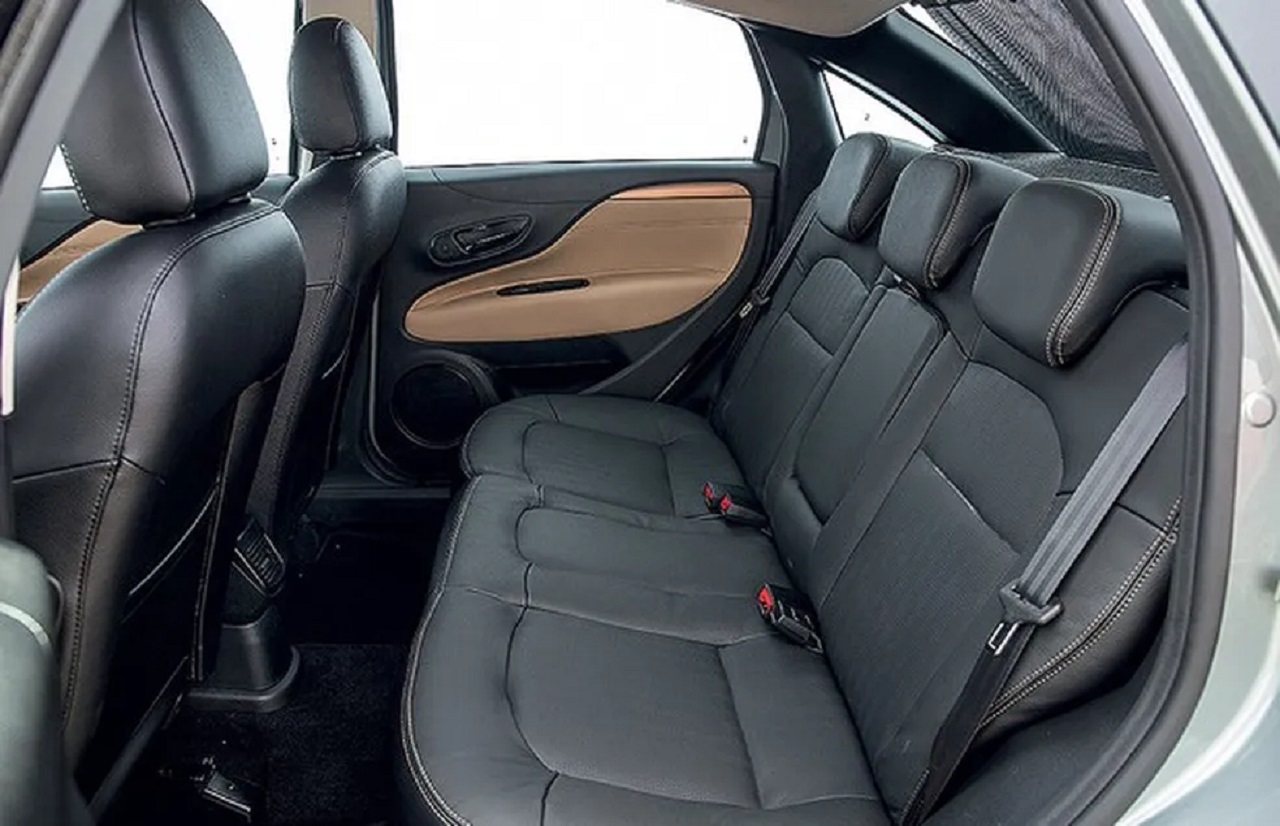
Today, The Linea Is Remembered As One Of The Biggest Failures For Fiat In Brazil. Despite Its Elegant Design And Good Interior Space, The Car Never Delivered On Its Promises In Performance And Market Value.
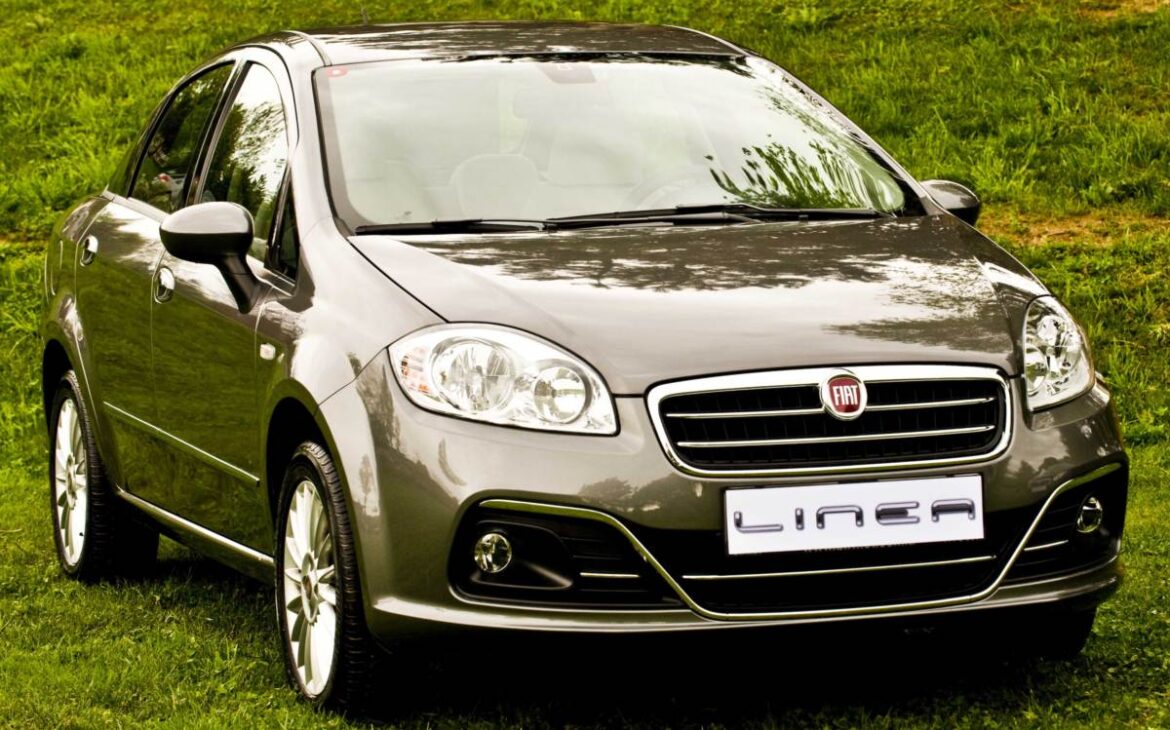
Its Numbers – Just Over 60 Thousand Units Sold In Almost Eight Years – Contrast With The Grandeur Of Its Japanese Rivals, Which Dominated With Tens Of Thousands Of Annual Registrations.
Among Collectors And Enthusiasts, The Linea Still Sparks Curiosity Due To Its Rarity, But In The Used Market, It Is A Depreciated Model, With Low Demand And Prices Well Below Its Contemporaries.
Lessons That The Failure Of The Linea Left For Fiat
The Trajectory Of The Linea Served As An Important Learning Experience For Fiat. The Episode Showed That It Is Not Enough To Launch A Beautiful Car With Modern Equipment To Compete With Established Rivals.
It Is Necessary To Align Price, Performance, Brand Reputation, And Consistency In After-Sales Service To Succeed In The Mid-Size Sedan Segment.
The Experience Also Reinforced That Fiat Should Invest In Areas Where It Already Had Strength – Compact And Commercial Vehicles – And Leave The Luxury And Prestige Competition To Brands More Established In That Territory.
This Is How The Automaker Started Growing Again With More Popular Models And Later With Urban-Friendly SUVs.







Tenho um 2009/2010 1.9 Duologic.Meu cunhado ficou 10 anos com ele e nunca deu problema. Na minha mão deu problema no câmbio. Mas foi de boa pra arrumar era só pino elástico.que quebrou por desgaste mesmo,e já ficou zerado de novo.O resto é só alegria… não troco e nem vendo…
Tenho um linea T-JET carro top demais, agora vou dar um UP na potência … nada a reclamar!!!! Os qie reclamam são aqueles cupim de carro. Pois o meu ano 2009 tem mais tecnologia do alguns zero km
O que matou o Fiat Linea na época , foi o câmbio automatizado , não existia gente especializada na época para dar manutenção e um valor elevado . Hoje é um câmbio de manutenção barata perto dos outros .