





 Portuguese
  English
  Spanish
  3 min of reading
  18 comments




From Economic Paradise to One of the Poorest Countries: The Island That Shone with Phosphate Wealth Now Faces Crises, External Dependency, and an Uncertain Future.
Nauru, with an area of just 21 km², is like a hidden gem in the Pacific Ocean. The island is located northeast of the Solomon Islands, with its closest neighbor, Banaba, in Kiribati, 320 km away. Despite its small size, Nauru was once an economic giant, thanks to a natural resource: phosphate.
In the early 20th century, the discovery of phosphate deposits transformed the island into an export hub. This mineral, essential for fertilizers, was so abundant that by the 1980s, Nauru reached the top of the list for per capita GDP in the world. It seemed that the island had found the magic formula for prosperity.
From the Top to the Bottom: How Nauru’s Economy Collapsed
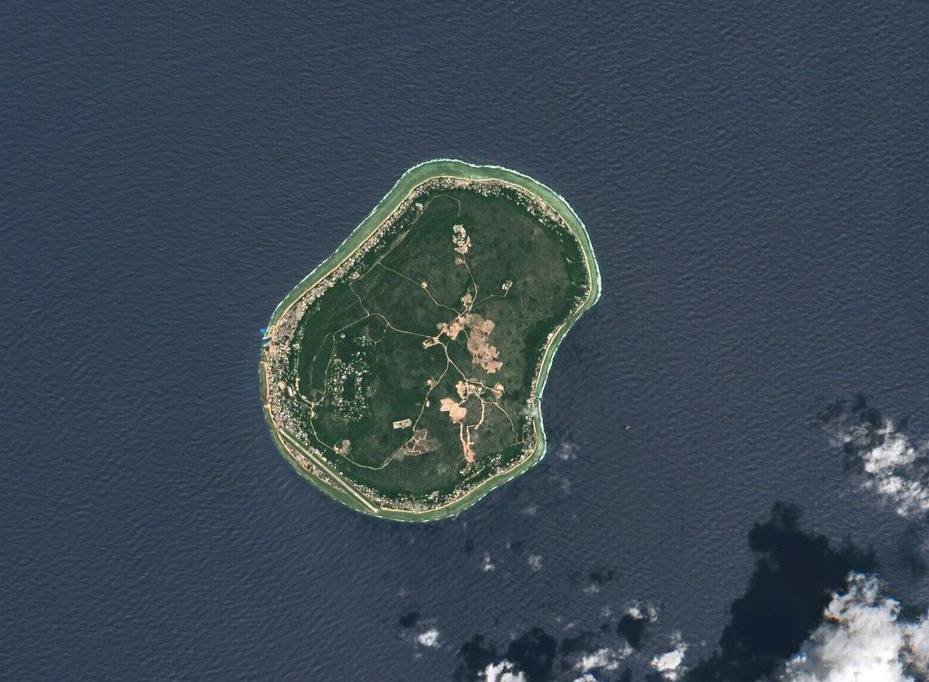
But, like a sandcastle at high tide, Nauru’s wealth did not withstand the test of time. In the 1990s, phosphate reserves began to dwindle. Consequently, the economy, which depended almost exclusively on this resource, collapsed. To make matters worse, the funds accumulated from mining were poorly managed and quickly squandered.
-
Airfare prices may rise with increasing fuel costs, and the government is considering urgent measures to avoid a direct impact on the wallets of Brazilians.
-
Chocolate prices soar nearly 15% and become a luxury item for Easter 2026, with increases surpassing inflation and changes in Brazilian consumption habits.

-
The Federal Revenue issues a good alert for Brazilian taxpayers: 60.9% are already using the pre-filled tax return, automatic refunds via Pix reach millions, and the government plans for a fully automated income tax in the coming years.

-
India announces a plan of $3.06 billion to bring aviation to forgotten regions: 100 new airports, $1.07 billion in subsidies, and regional routes guaranteed for 10 years, from 2026 to 2036, away from the centers.

What Nauru did next was try to reinvent its economy, but with questionable measures. The island became a tax haven, selling banking licenses and passports, attracting not only investors but also questionable money. In 2002, the United States classified Nauru as a money laundering state.
Desperate Attempts at Economic Survival
With declared bankruptcy, Nauru sought alternatives. Among the most controversial measures, the partnership with Australia stood out. The country agreed to host asylum seekers bound for Australia in exchange for financial aid. The Nauru Processing Center, an offshore immigrant detention facility, became a cornerstone of the local economy.
Although controversial, this agreement helped the island stay afloat for a longer time. However, dependence on external aid further highlighted Nauru’s economic fragility.
Lessons from Nauru’s History: What We Learn from the Island?
Nauru teaches us a lot about the importance of economic diversification and sustainable resource management. Relying on a single source of income may seem promising in the short term, but it’s like building a house on top of an inactive volcano. Eventually, the crisis comes, and without a contingency plan, the result is devastating.
Furthermore, Nauru’s case underscores the need to think long-term. If phosphate revenues had been invested more thoughtfully, perhaps the island could have avoided bankruptcy.
Nauru’s Uncertain Future
Today, the island is trying to rebuild its economy. Phosphate exports resumed in 2005, but the remaining reserves are projected for only another 30 years of exploitation. The government is also seeking new sources of income, such as offshore fishing licenses and even taxing bingo, one of the few private activities thriving on the island.
Despite the challenges, Nauru remains a living lesson in resilience. For the roughly 10,000 inhabitants, the future is still uncertain, but the country’s story shows that even in tough times, there is always hope.







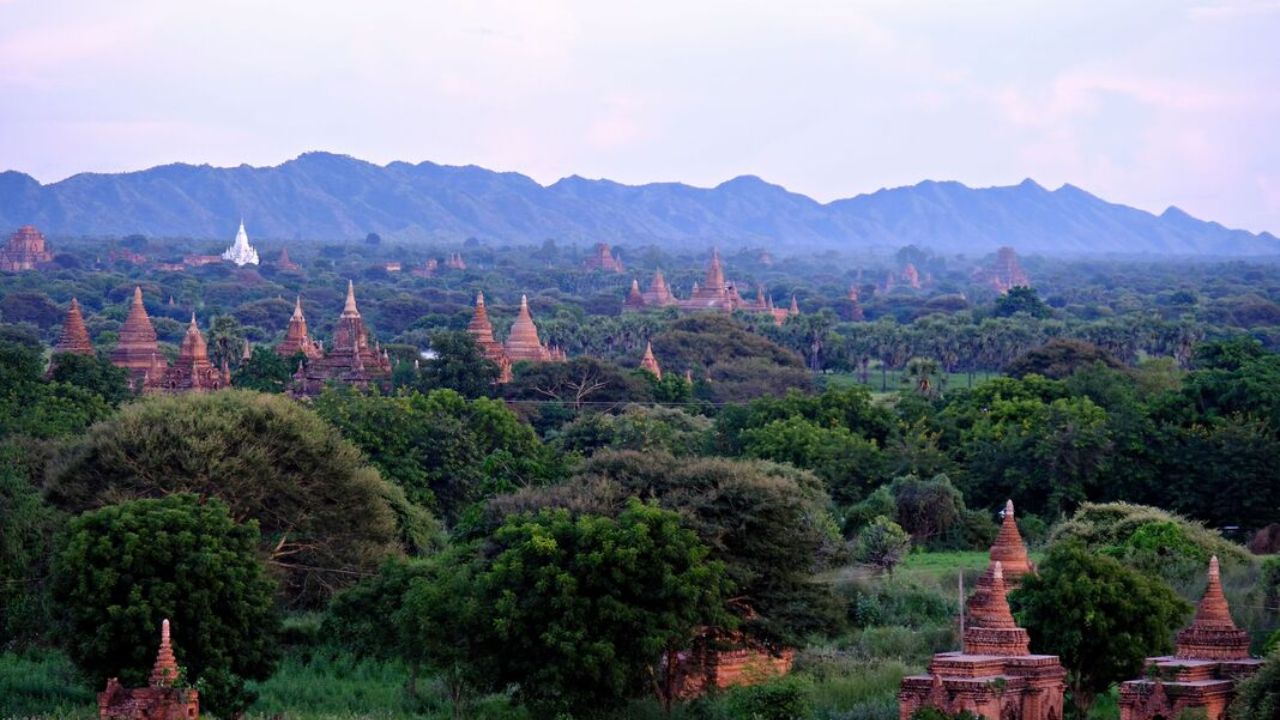
Mais a foto com os templos e de Myanmat/Burma. Nada ver com Nauru
Não entendi a foto do Myanmar
O Brasil é um covil de politicos malfeitores que só pensam nos seus próprios interesses e a nação que se liche.Os traficantes tomaram as rédeas da nação e os seus mandatários ,perderam o controle de tudo.O poder judiciário frouxo e covarde de maus exemplos dos seus magistrados,concorre para todos males e o aumento da criminalidade no país.Será difícil sair dessa situação que nos encontramos.Principalmente,pelos piores e incompetentes governantes das últimas décadas.