





 Portuguese
  English
  Spanish
  3 min of reading
  0 comments


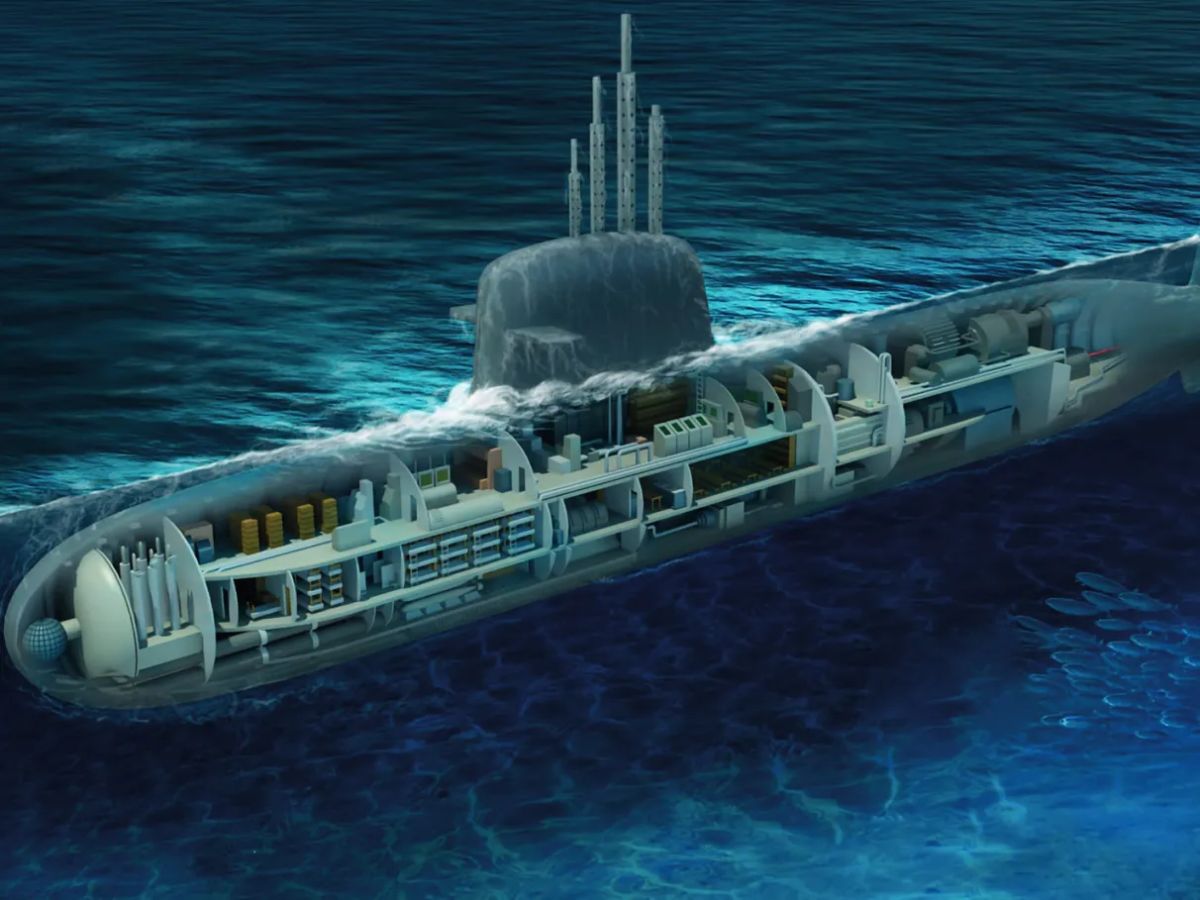
The Brazilian Navy Advances in the Construction of the First National Nuclear Submarine. Technical Visit to Nuclep Highlights Progress of PROSUB, Strategic Project for Defense and Innovation.
The Brazilian Navy is advancing with one of the most ambitious initiatives in its history: the construction of the first nuclear submarine in Brazil, within the scope of the Submarine Development Program (PROSUB).
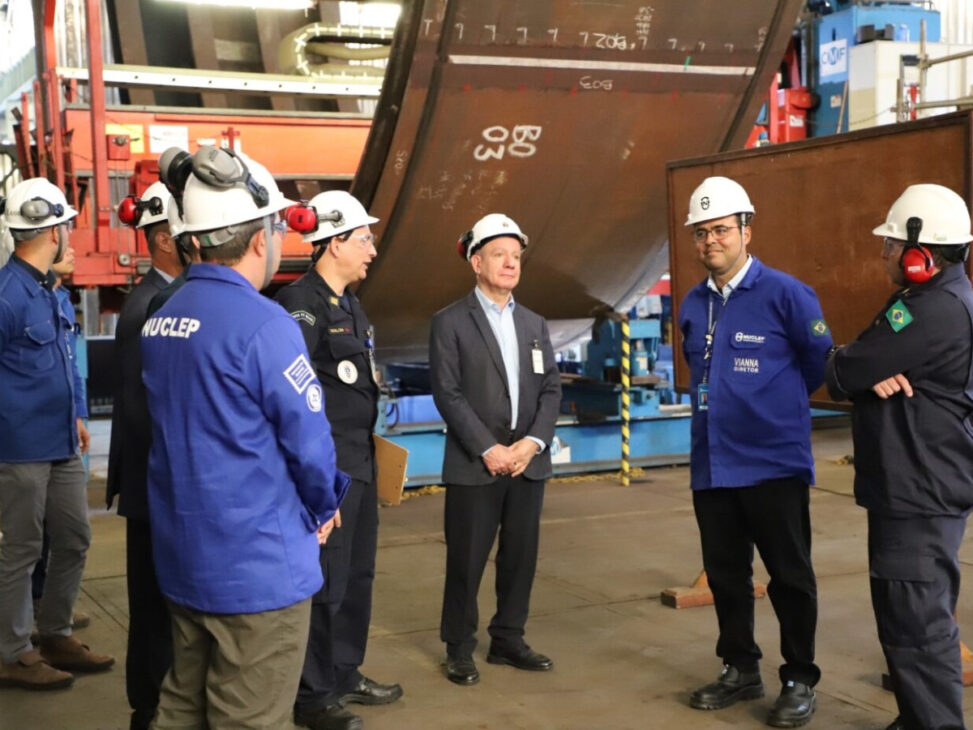
The most recent stage of this effort was marked by a technical visit from a delegation of the Nuclear and Technological Development Directorate of the Navy (DGDNTM) to the Nuclep facilities in Itaguaí (RJ), where the submarine is being built.
Brazil’s Nuclear Submarine Will Be a Symbol of Projection and Strategic Deterrence
The vessel, officially called the Conventionally Armed Submarine with Nuclear Propulsion (SCPN), represents a technological and strategic leap for the country.
-
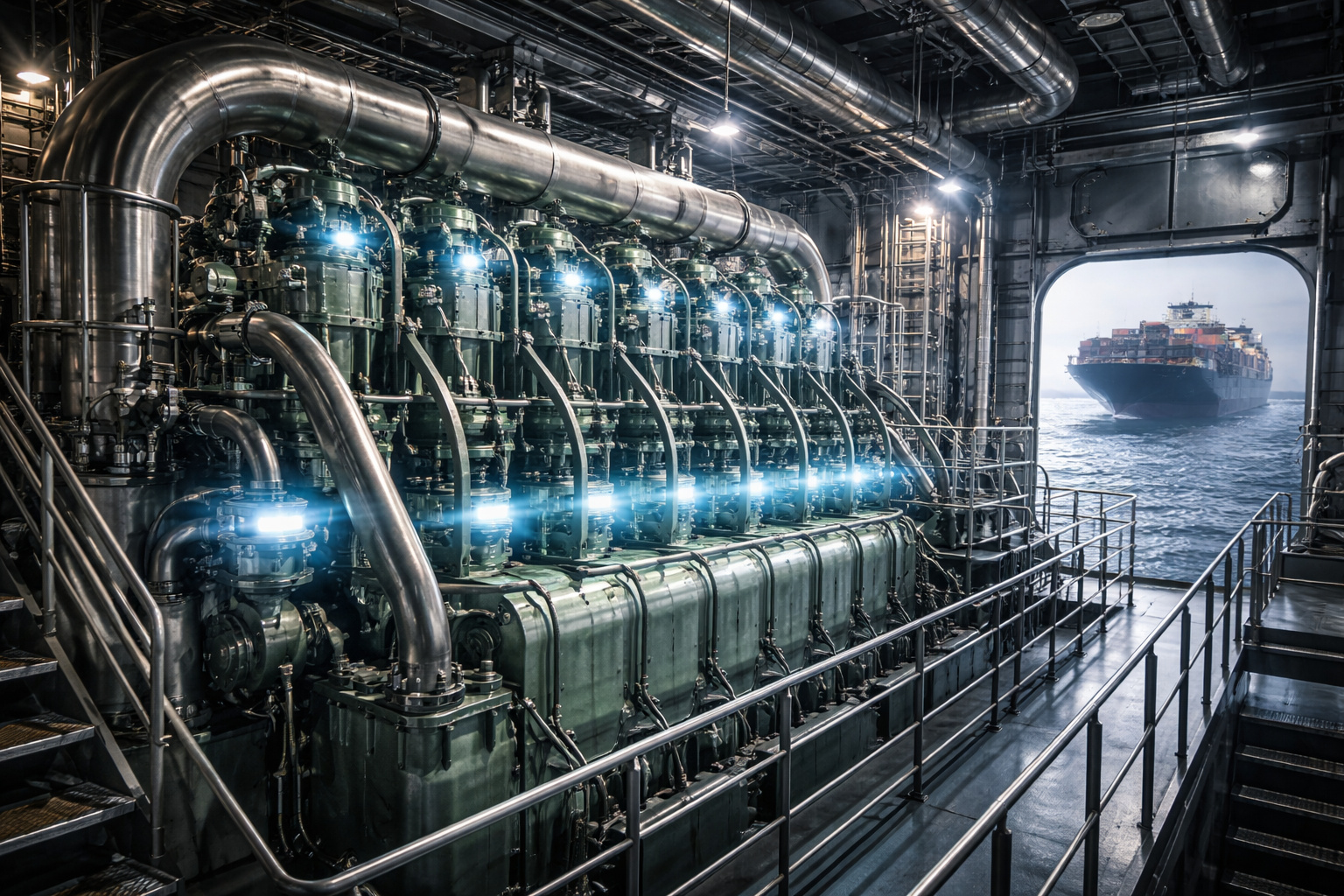
Europe is trying to create an ammonia-powered marine engine without auxiliary fuel, which could unlock the race for giant emission-free ships. The technology aims to eliminate one of the biggest obstacles to clean maritime propulsion.
-
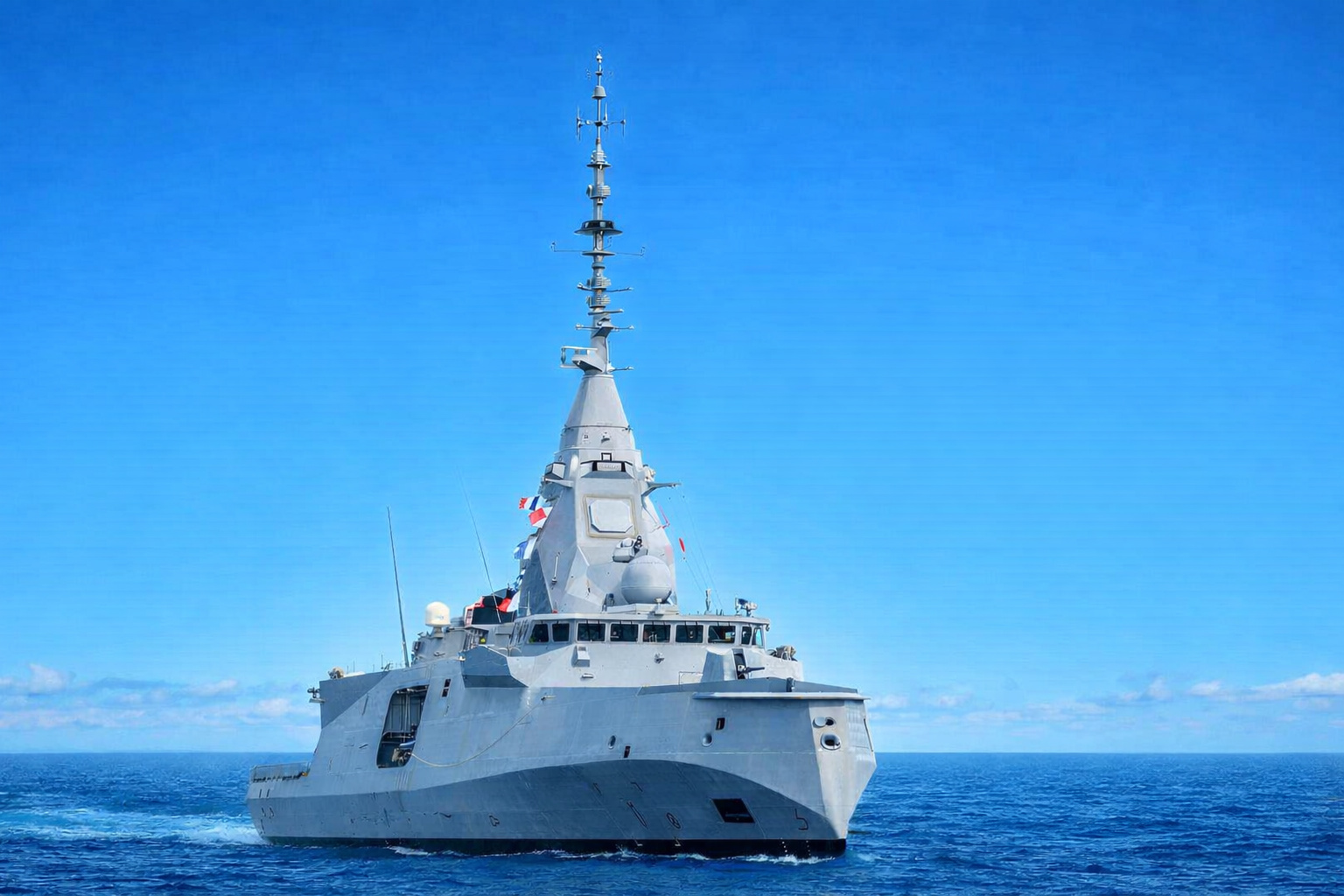
A 4,500-ton frigate with just over 100 crew members, state-of-the-art radar, and cruise missiles is being touted as the new standard of naval warfare in the 21st century.
-
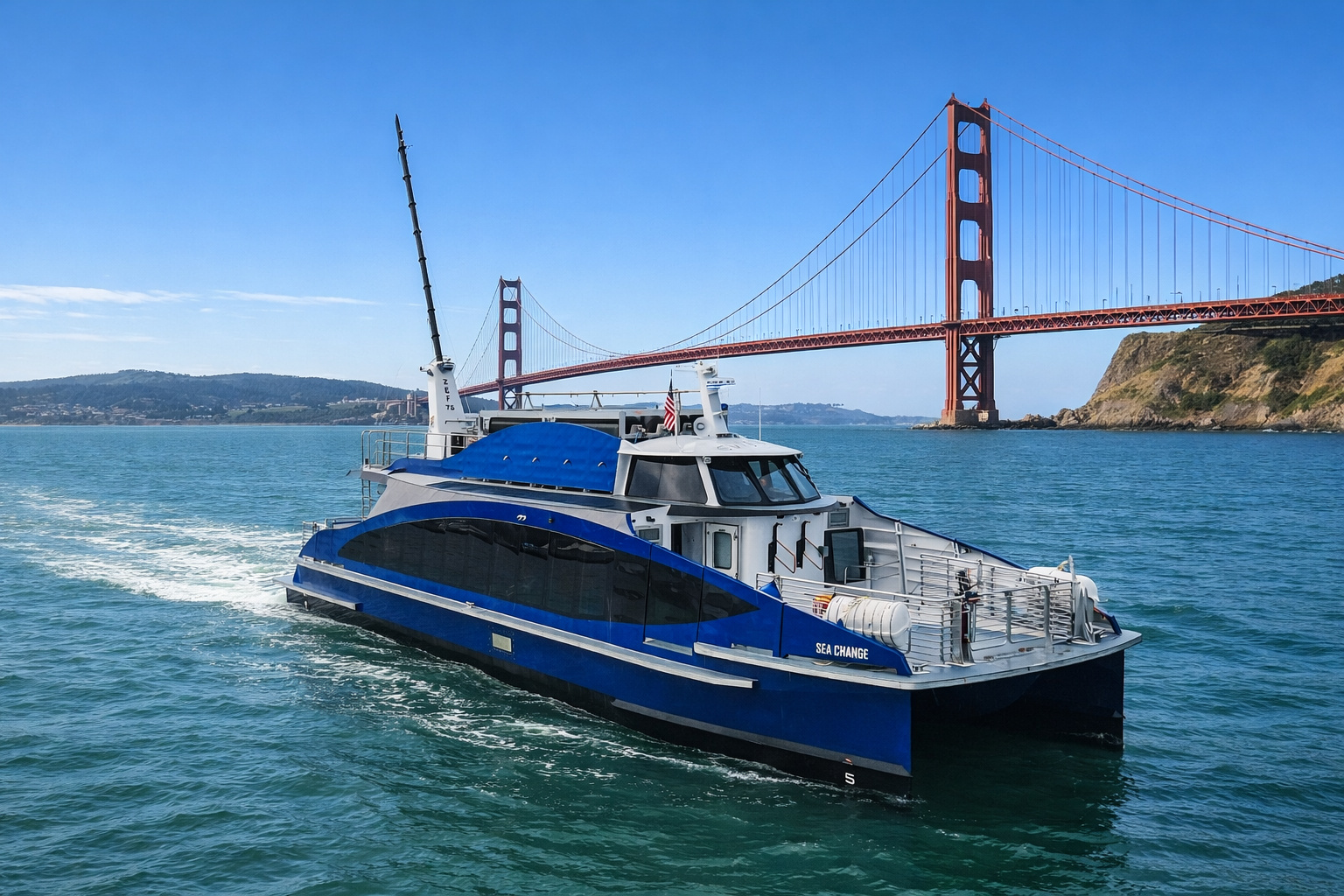
The first commercial hydrogen-powered ferry enters operation in the U.S., eliminates the use of diesel, uses fuel cells to generate clean energy on board, and transforms San Francisco Bay into a landmark of the new era of emission-free navigation.
-
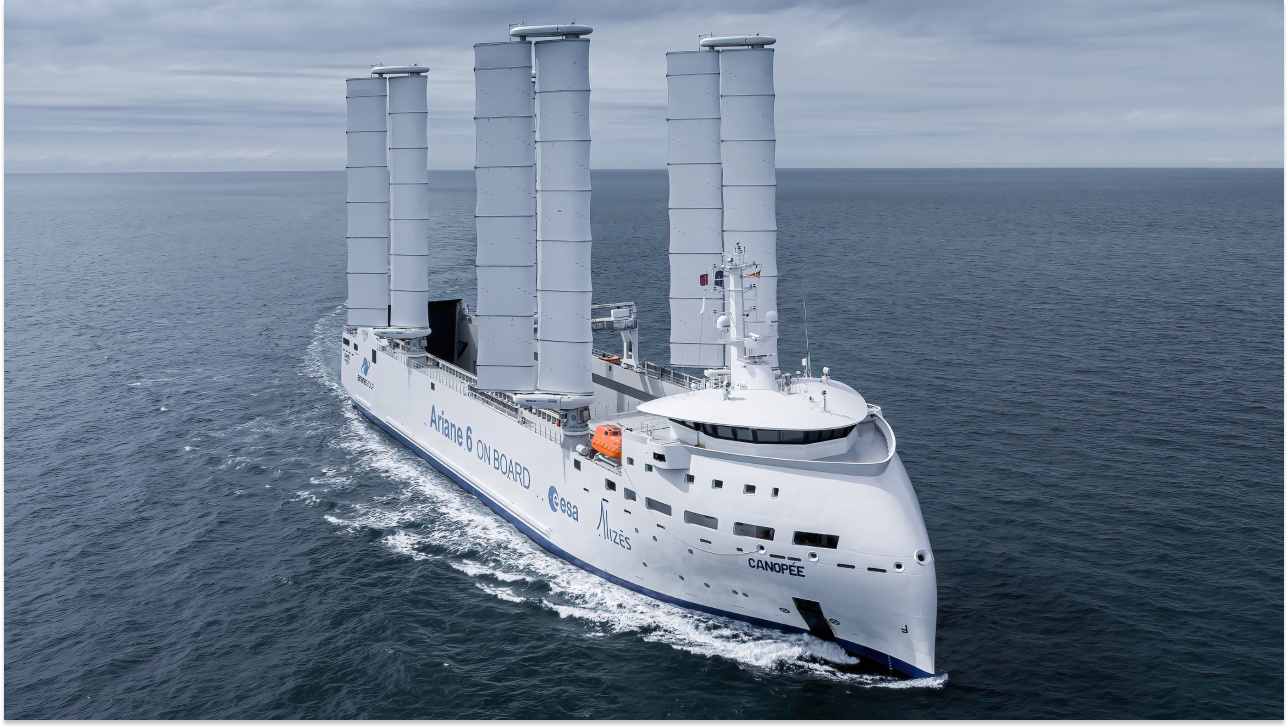
With a length of 121 meters and four rigid sails of 36 meters that automatically rotate to capture the wind, Canopée is the world’s first hybrid industrial cargo ship powered by wind, used to transport rockets and reduce fuel consumption by up to 30% on transoceanic routes.
With the capacity to operate submerged for long periods and at great distances from the coast, the submarine will significantly enhance the autonomy and deterrent power of the Brazilian Navy.
This is a milestone within the National Defense Strategy, which aims to expand Brazil’s presence and surveillance capacity over the more than 5.7 million km² of what is known as the Blue Amazon — the vast maritime area under national jurisdiction.
During the inspection of the Nuclep industrial facilities, the delegation led by Navy officers and accompanied by the company’s president, Alexandre Vianna Santana, toured various production areas to assess the progress of manufacturing critical sections of the SCPN.
The company, a reference in heavy engineering and structural component manufacturing, is responsible for developing essential parts of the submarine’s resilient hull.
The visit also focused on analyzing internal logistical conditions, production flows, points of structural integration, and the capacity of the industrial plant to expand its operations in the future stages of the project.
The objective is to ensure that all infrastructure meets the requirements of a program with such technical complexity.
Integrated Governance and Technological Advancement
The collaboration between the Brazilian Navy, Nuclep, the Naval Systems Projects Center (CPSN), and the General Coordination of the Nuclear Propulsion Submarine Development Program (COGESN) exemplifies the collaborative governance model adopted in PROSUB.
This integration between military institutions, strategic companies, and research centers is one of the pillars supporting the project.
“The Navy brings together two of Nuclep’s main operational areas: the Defense and Nuclear segments. When we talk about a submarine with nuclear propulsion, we are looking at a strategic project. Receiving this type of client reinforces our relevance and prominence in this market,” said Alexandre Vianna, president of Nuclep.
The development of a nuclear submarine by the Brazilian Navy is not limited to the military sphere. The project has a strong economic and technological impact, fostering the generation of qualified jobs, strengthening the manufacturing industry, and advancing scientific innovation in the country.
Moreover, by mastering the technology of onboard nuclear propulsion, Brazil joins a select group of nations with such strategic capability — including the United States, Russia, China, France, and the United Kingdom.
PROSUB: More Than Defense, a Vector of Sovereignty and Innovation
PROSUB, in addition to consolidating national maritime sovereignty, places Brazil in a new era of technological and military prominence.
The project symbolizes the Brazilian state’s commitment to the autonomous development of high-complexity solutions and to the protection of its natural resources.
The expectation is that the submarine will be operational within this decade, consolidating Brazil as an emerging maritime power and reaffirming its position in the international arena.








-

Uma pessoa reagiu a isso.