





 Portuguese
  English
  Spanish
  4 min of reading
  0 comments


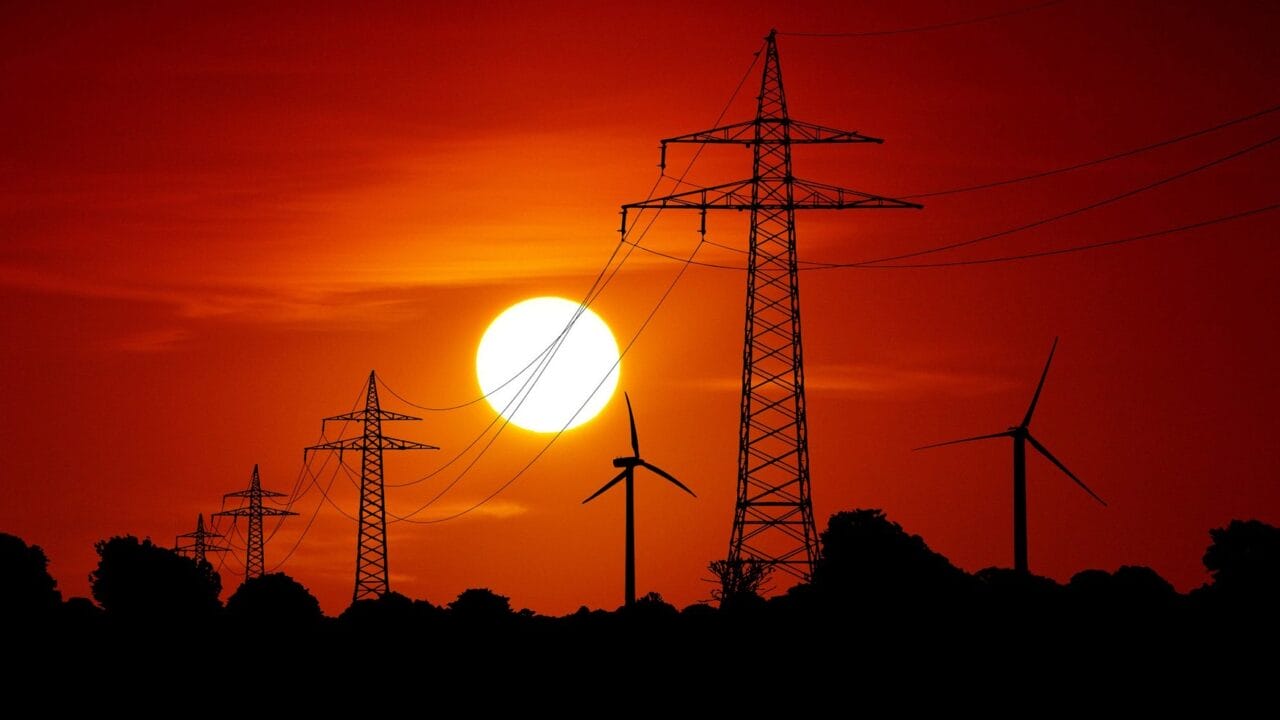
The Sun Directly Influences The Generation Of Renewable Energy, Such As In Photosynthesis And Photovoltaic Energy, And Indirectly In The Natural Processes That Feed Wind And Hydroelectric Energy. Transition To Renewable Energy Sources And Net Zero Are Fundamental.
The search for sustainable energy sources has become a global priority in light of environmental challenges and the need to reduce greenhouse gas emissions. In this context, solar energy emerges as a viable and promising alternative, offering numerous possibilities for the generation of clean and renewable energy.
Starting with the most obvious, photovoltaic solar energy stands out as a source directly derived from solar radiation. Solar panels take advantage of photons derived from **solar energy** to produce electricity, providing a renewable energy source that has gained prominence in recent years. The exponential expansion of photovoltaic solar generation capacity has significantly contributed to reducing dependence on non-renewable sources worldwide. Furthermore, **sunlight** is also used in water and space heating processes, presenting itself as a sustainable and economical solution for heat generation.
The Interconnection Of Solar Energy With Other Energy Sources
Solar heat also plays a crucial role in indirect energy generation processes. Wind energy, for example, is generated by air movement, driven, in large part, by the differential heating of the atmosphere by solar radiation. Therefore, wind energy is, to some extent, a manifestation of solar energy, highlighting the interconnection of energy sources.
-
The Brazilian state accelerates industrial competitiveness with a focus on the extraction of strategic minerals to boost the energy transition in Goiás.

-
Seagri’s headquarters invests in solar energy with Neoenergia Coelba and promises to cut electricity costs, highlighting a strategic advance in sustainability and energy efficiency within state public administration.

-
A Canadian retiree creates a hydroelectric system on a real river, generating energy continuously throughout the day and demonstrating how the power of water can supply a house with stability even in a simple structure.

-
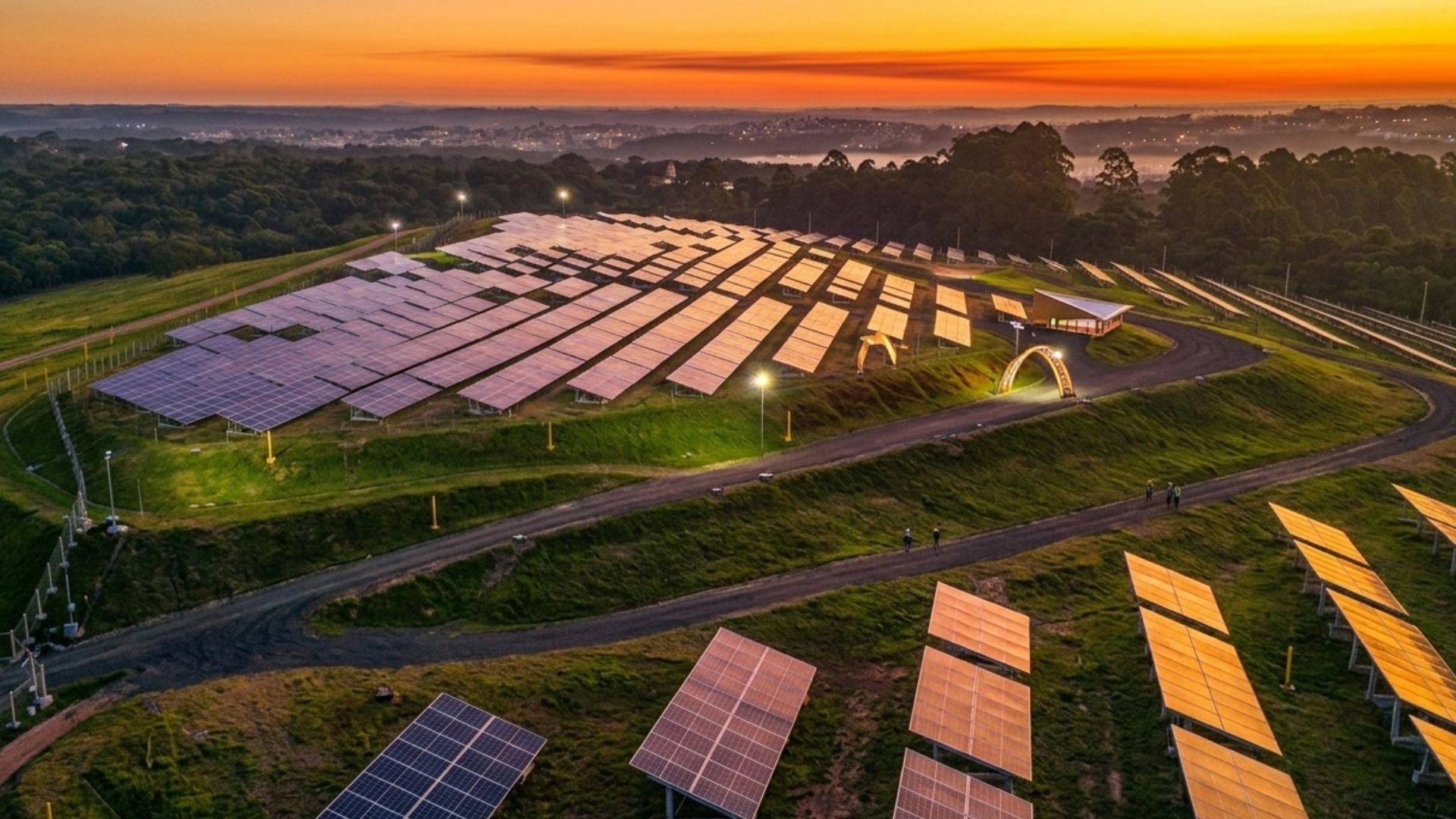
Solar Pyramid draws attention by converting solar energy into million-dollar savings and repositioning the City Hall of Curitiba as an example of innovation, sustainability, and intelligent use of public resources.

Moreover, hydroelectric power, which has historically been one of the main sources of electricity in many countries, especially in Brazil, is also linked to the sun. The water cycle, primarily fueled by solar energy, is the engine behind hydroelectric generation. Water evaporates, forms clouds, and, through gravity, flows to generate electricity in dams and waterways, demonstrating how solar energy is intrinsically connected to this form of renewable energy.
Biomass is another source that finds its roots in solar energy. The photosynthesis process is how plants, algae, and some bacteria convert sunlight into chemical energy, transforming carbon dioxide (CO2) and water (H2O) into glucose (C6H12O6) and oxygen (O2). This process is vital for food production and maintaining the atmospheric balance of oxygen and carbon dioxide.
The Connection Between Photosynthesis And Fossil Fuels
Photosynthesis is a significant natural carbon capture tool from the atmosphere, being part of the carbon cycle of biofuels. The carbon emitted when burning a biofuel was previously captured from the atmosphere during the biomass growth phase that gave rise to it, meaning the net carbon emissions in the atmosphere are zero. Biofuels are ultimately products of solar energy.
Although the direct relationship between the sun and fossil fuels may not be immediately evident, the interconnection occurs when considering the geological and biological processes that led to the formation of fossil fuels over millions of years.
Fossil fuels, such as coal, oil, and natural gas, originate from organic materials derived from the remains of plants and marine organisms, especially plankton that lived in ancient times. The formation cycle of these fuels begins with the capture of solar energy through photosynthesis performed by plants and phytoplankton. As they grow, they store solar energy in the form of carbon in their tissues.
The Temporal Relationship Between The Sun And Fossil Fuels
Therefore, the interconnection between the sun and fossil fuels lies in the fact that solar energy captured by living beings during photosynthesis is stored in these organic materials, which remained buried over a long period under very specific conditions. The heat and pressure of the soil, combined with geological processes, transform this stored carbon into fuels, thus representing an indirect form of solar energy stored over time.
In summary, the influence of the sun extends across almost all forms of energy that we use today, either directly, as in photovoltaic solar energy, or indirectly, as in the natural processes that feed wind, hydroelectric, and biomass energy, as well as in hydrocarbons derived from long-standing photosynthesis, such as oil, gas, and derivatives. Recognizing and harnessing this interconnection and its synergies is crucial for promoting a sustainable and just energy future, from environmental, social, and economic perspectives.
May the king star continue to illuminate and energize us, towards a future of net zero carbon emissions, towards Net Zero. The journey is long, but we are walking it in the light of the sun.
Source: Marcelo Gauto – EPBR










Seja o primeiro a reagir!