Portuguese
  Spanish



Technology Brings a Combination of Solar Tracking with Floating Solar Panels That Increases Energy Production Efficiency by 40%
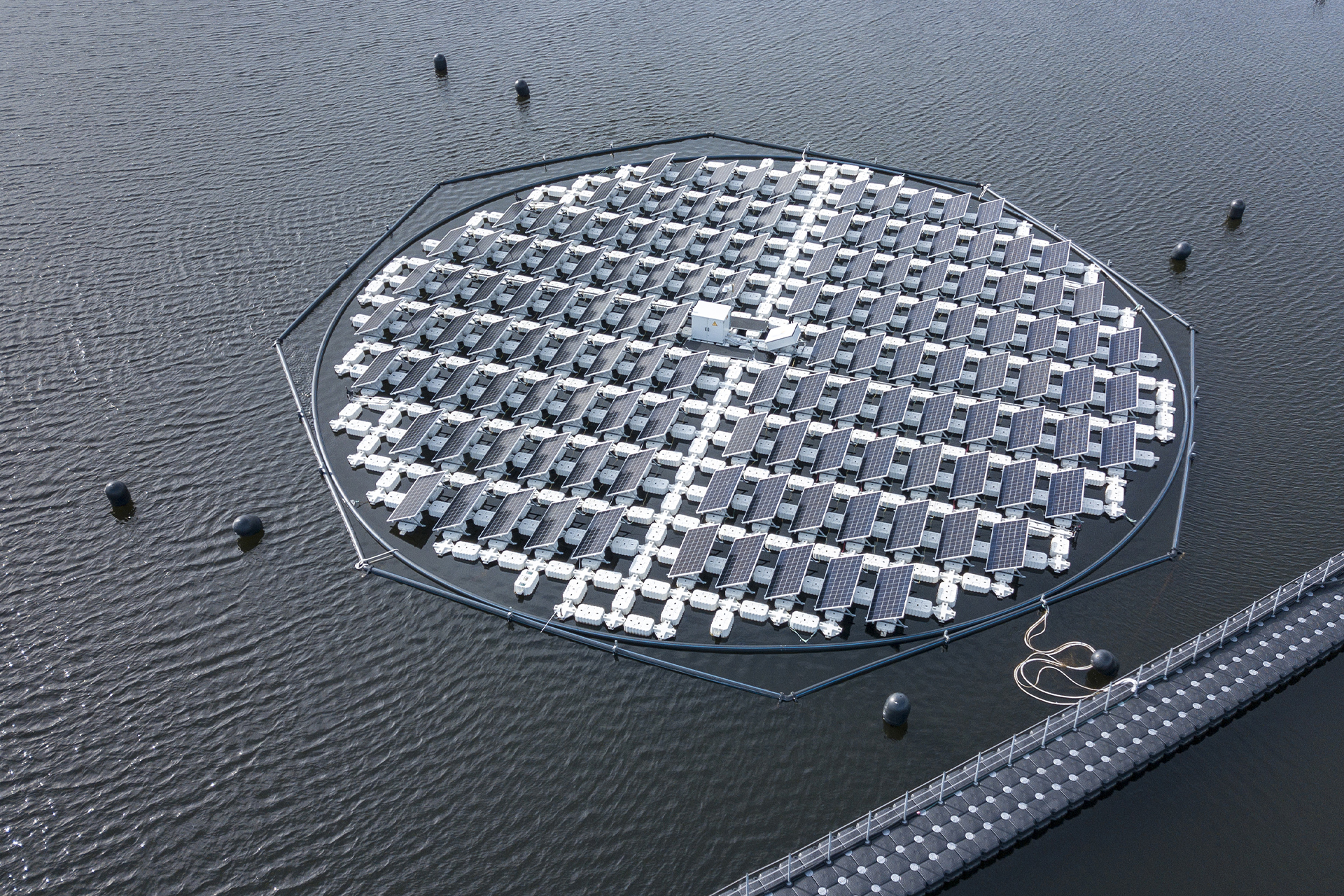
The Portuguese company SolarisFloat developed a solar panel island that follows the sun’s position to generate more energy. The floating installation has 180 photovoltaic panels and provides this essential differential for current floating solar technology.
The solar island is powered by electric motors that consume less than 0.5% of all the energy it generates and is equipped with solar tracking technology that can have a single or double axis. See how the system works in this video:


The movement of the floating solar panels contributes up to 40% more production of sustainable energy. Initially, the system was set up for a total capacity of 73 kilowatts of electricity.
-
Brazilian scientists are simultaneously advancing two research projects on clean hydrogen and driving solutions that could transform the energy matrix, enhance industrial competitiveness, and accelerate large-scale emission reduction targets.

-
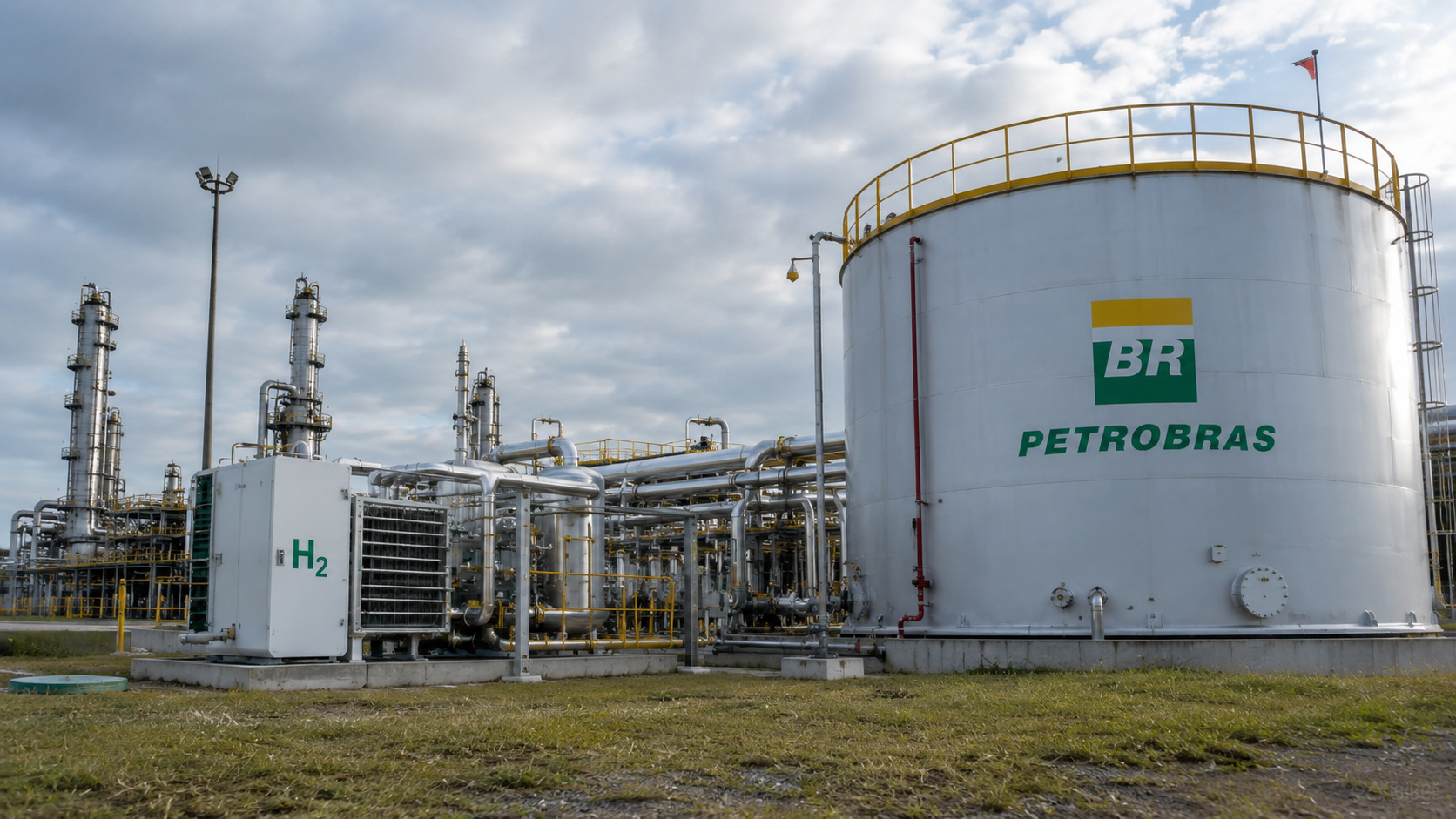
Advancement in renewable energy: A R$ 150 million project launched by Petrobras and Finep aims to create state-of-the-art electrolyzers for green hydrogen, strengthening national research and preparing Brazil to compete in a billion-dollar energy market.
-
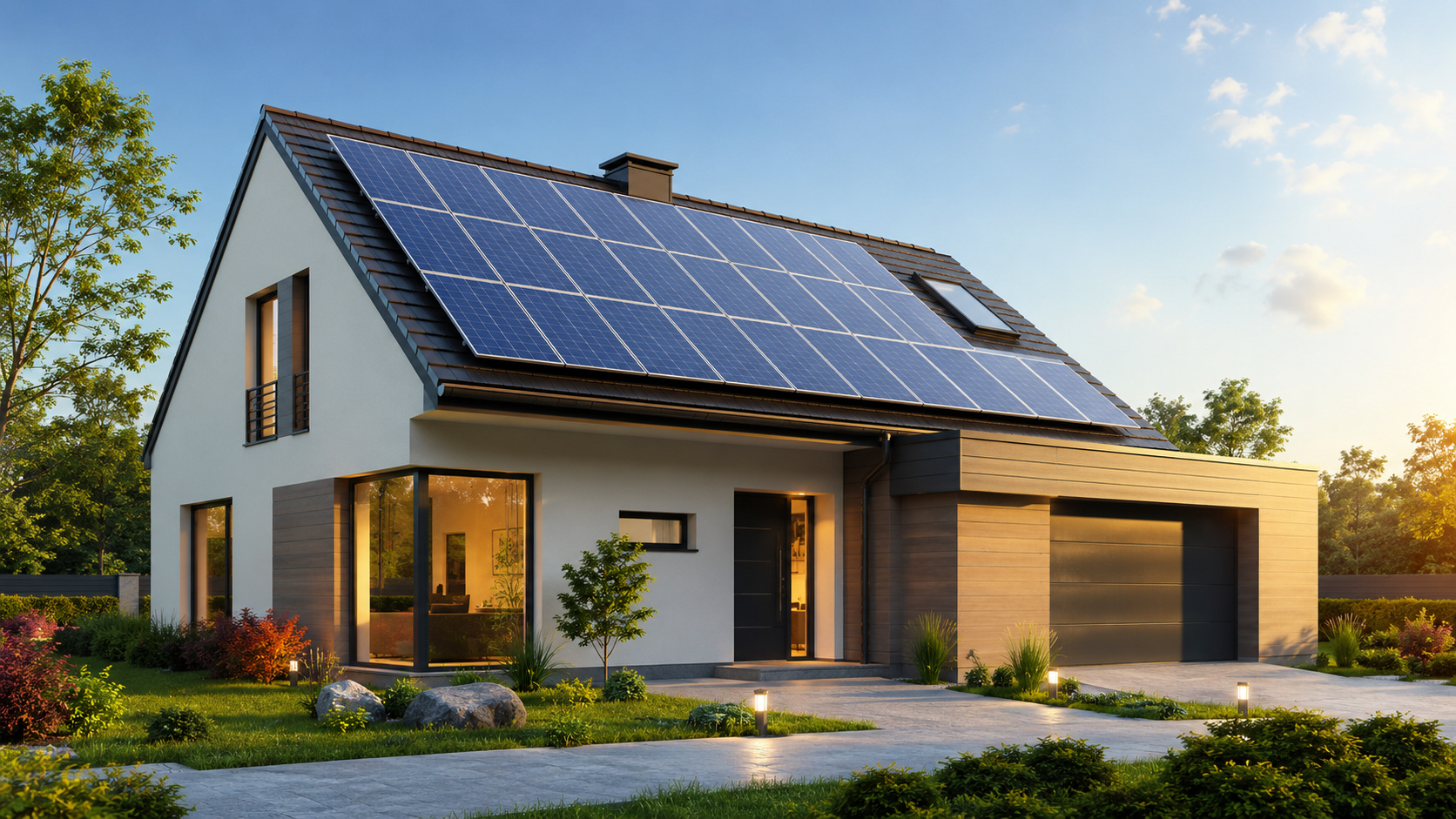
Solar energy can increase property value by up to 10% and become a selling point.
-
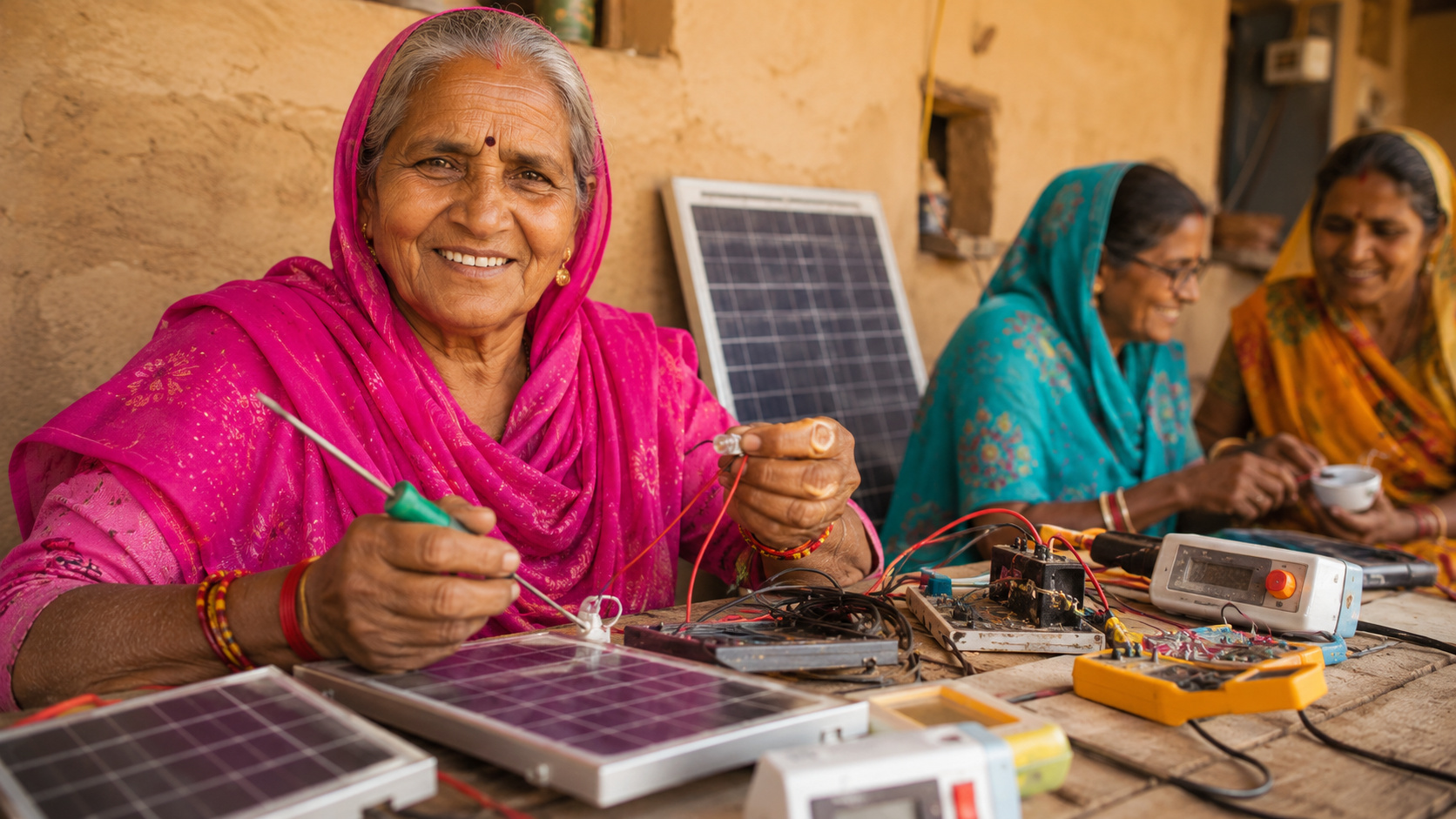
Illiterate or semi-literate grandmothers were trained to repair solar systems, open rural workshops, and light up homes that still depended on kerosene.

The Innovation, Named Proteus, Brings a Combination of Solar Tracking Technology with Floating Solar Panels
The floating solar farm of SolarisFloat was installed at Oostvoornse Meer Lake, in the southeast of the Netherlands. In contrast to other floating solar farms around the world, it tracks the Sun through its panels and seeks its best position in the sky to capture the maximum amount of radiation possible.
The Proteus system is designed to be modular, detachable, and scalable. Beyond its positive influence on the environment by producing clean energy, these solutions also clearly benefit the aquatic ecology in which they are integrated.
In Addition to Providing Clean Energy, SolarisFloat’s Solar Island Benefits the Aquatic Ecosystem
By producing a “superficial” decrease in temperature due to the shadows cast by the floating structure of the solar panels, the process results in a reduction of water evaporation by around 60%.
In addition, the shadow influence can reduce algae formation and accelerate the reproduction of other microorganisms beneficial to water quality. These advantages can still be improved with the installation of aeration devices.
At this moment, SolarisFloat offers two distinct types of its floating solar panel island. The first system is the PROTEVS+, which has a surface area of 1,444 square meters, 180 modules, dual-axis tracking, and a diameter of 38 meters. It also features panels that move vertically, making it more compact than the other systems.
The other type is the PROTEVS Single 360, which operates on a single axis and has a fixed tilt of 10 degrees. This is capable of providing 360 modules, with an installed capacity of 147 kWp for 410 W panels. However, the system’s tilt is not adjustable.