





 Portuguese
  English
  Spanish
  4 min of reading
  0 comments


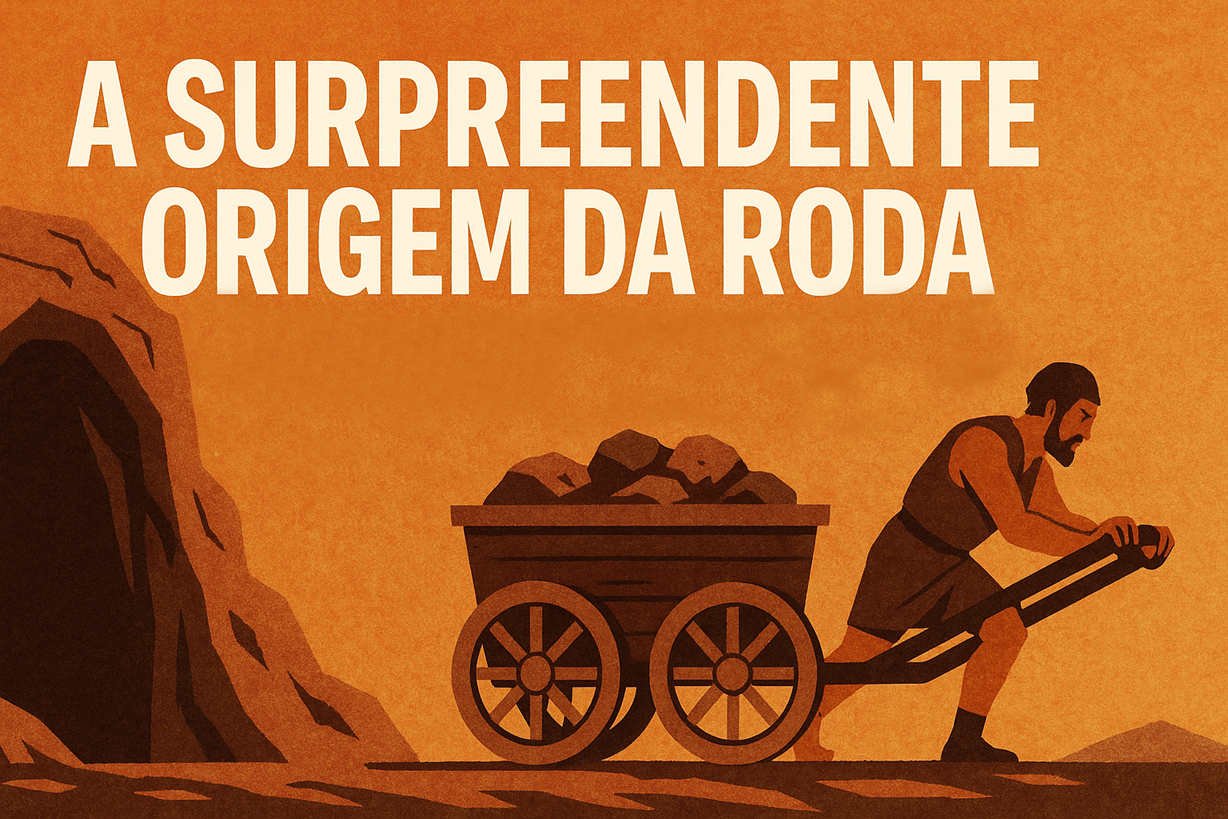
Researchers Believe The Wheel Originated In Mines Of Ancient Hungary, From Small Improvements Made By Prehistoric Miners
In 3900 B.C., in a copper mine in Southeast Europe, a worker was hauling ore through hot, narrow tunnels. The work was heavy, repetitive, and exhausting.
But on a regular day, he witnessed something that would change his routine – and the course of humanity. A colleague appeared with a strange device capable of transporting a load three times larger with much less effort.
What seemed like just a practical trick to facilitate ore transport would reveal itself as one of the greatest advancements in history.
-
Woman arrested after receiving $1.2 million due to banking error and not returning the amount.

-
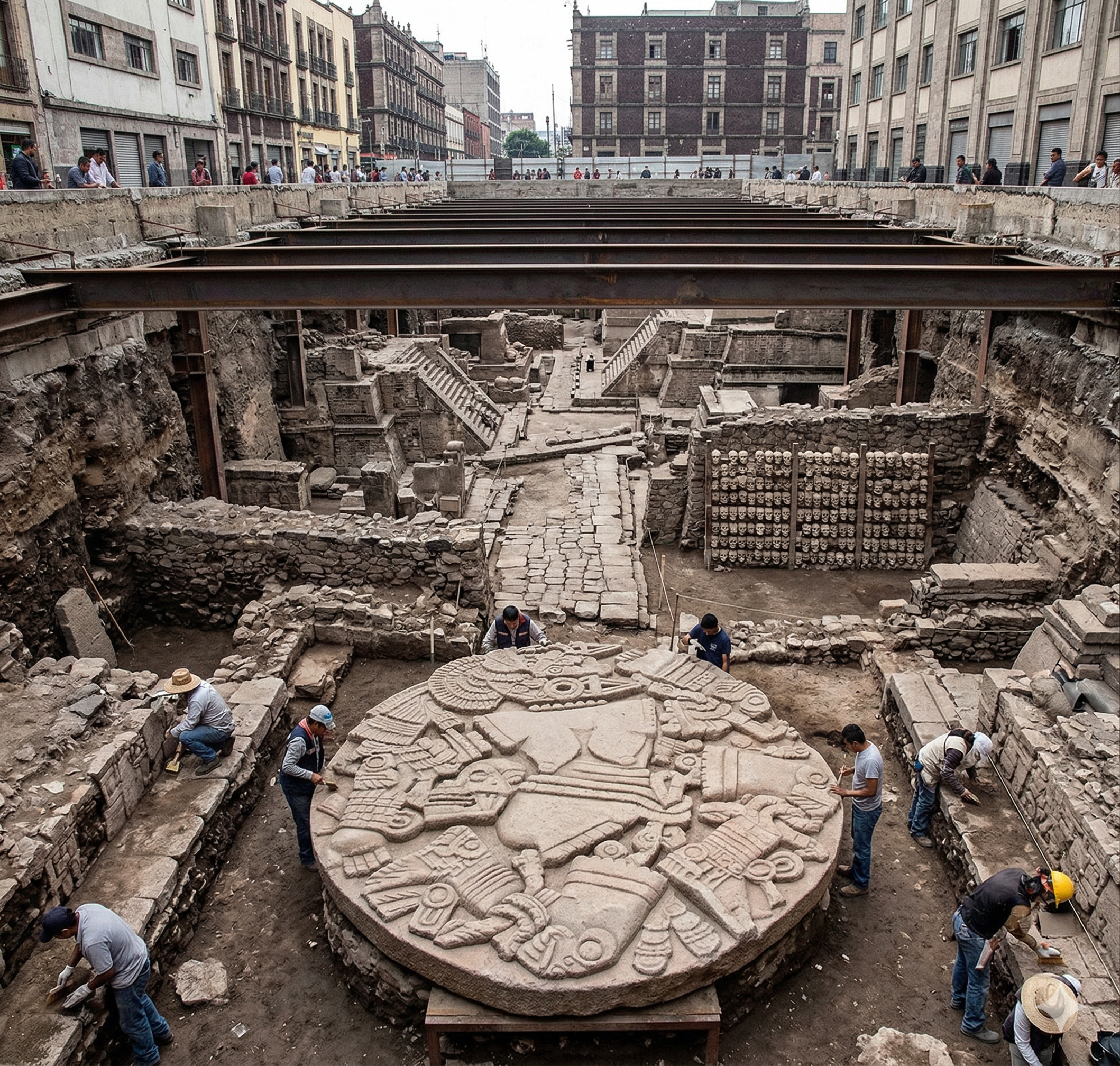
Beneath Mexico City lies an entire buried Aztec capital, and it all began when workers discovered a 3.25-meter stone disk featuring a dismembered goddess, revealing temples, skulls, and palaces beneath 22 million people.
-
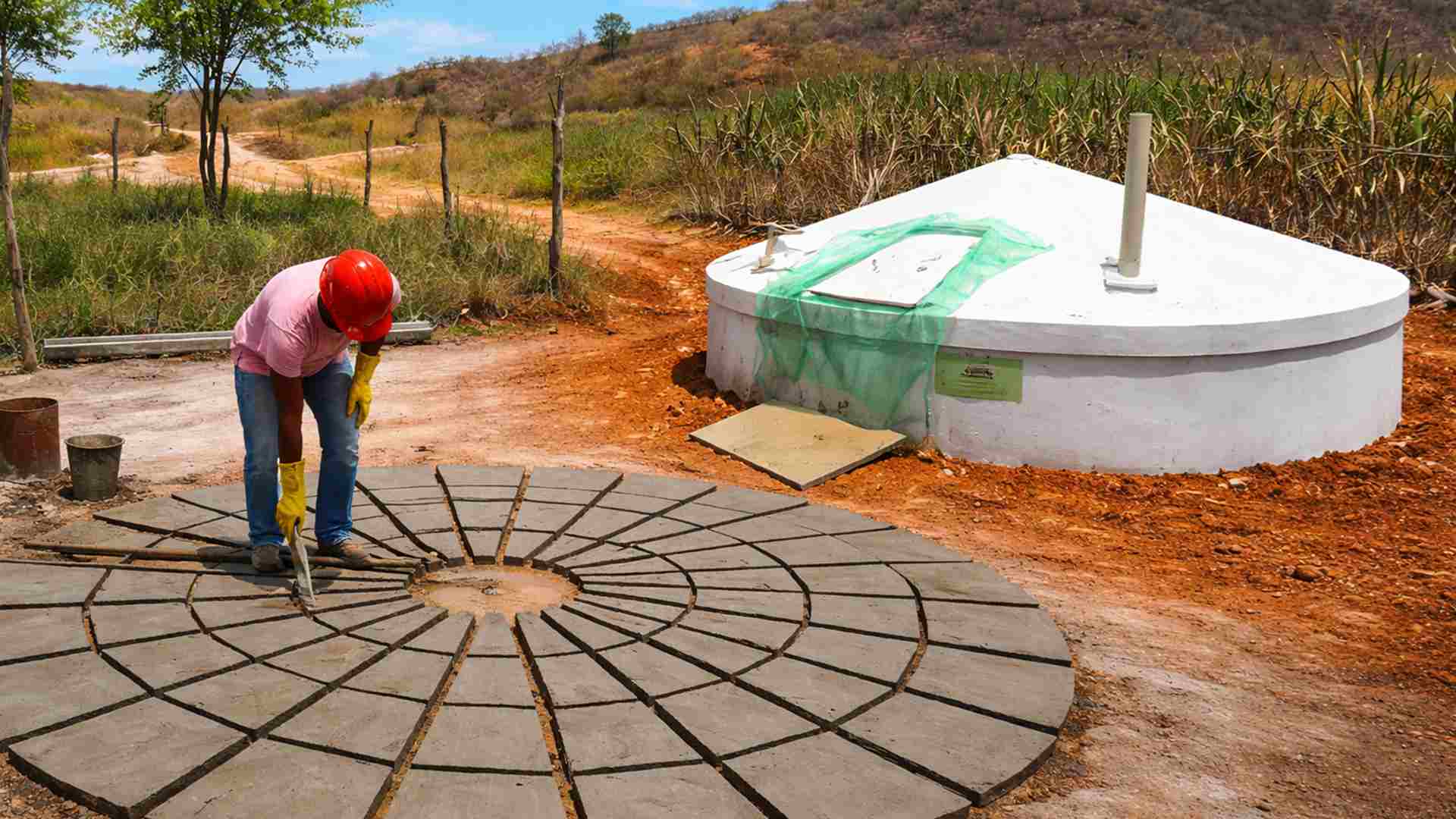
How to build a 35,000-liter cistern with 60 by 50 cm panels and rainwater for drinking and cooking without relying on water trucks or the city hall.
-
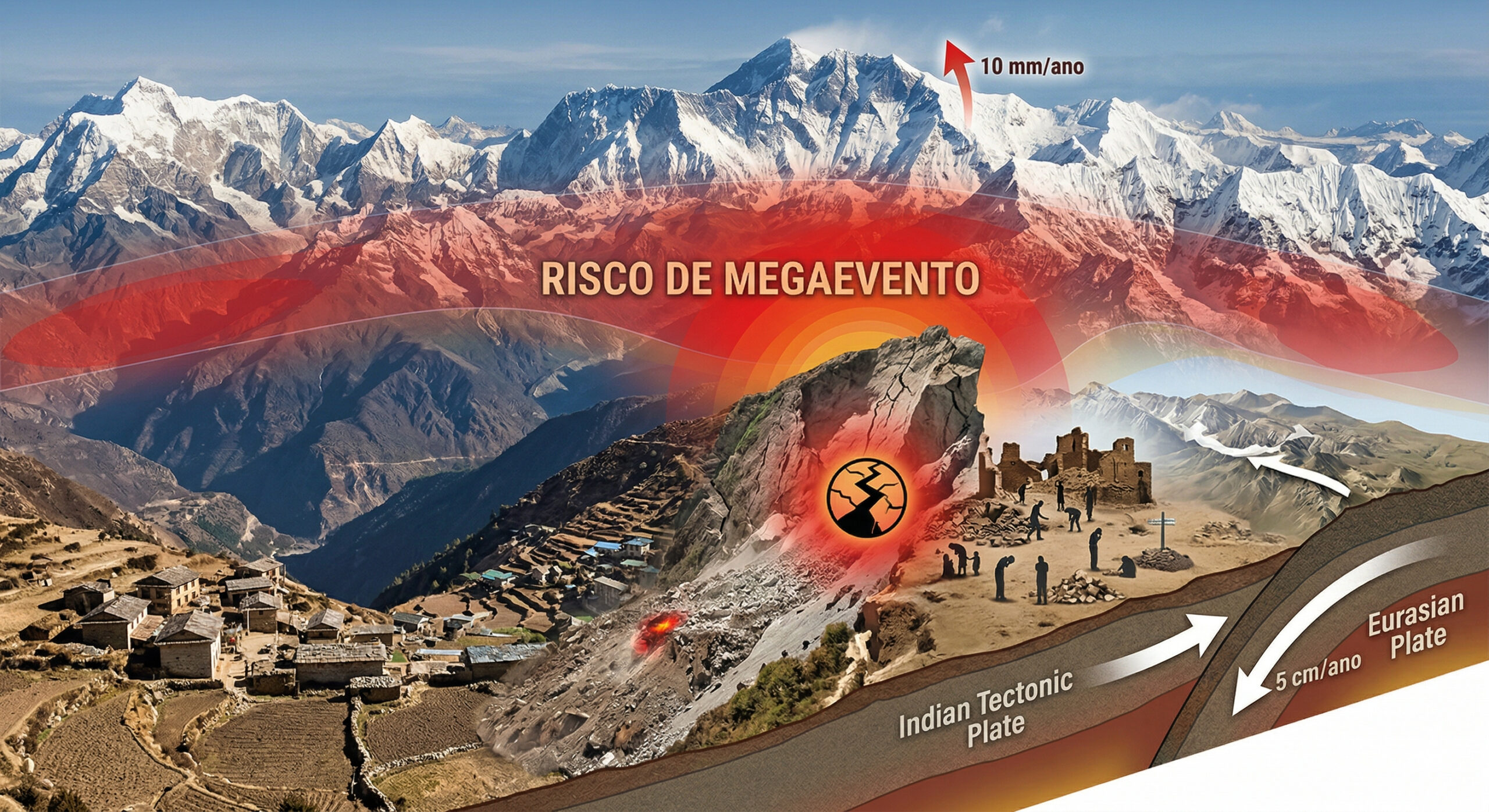
The Himalayas continue to grow to this day, with tectonic plates advancing 5 cm per year, mountains rising up to 10 mm annually, and the 2015 earthquake that killed 9,000 people may have increased the risk of an even larger seismic mega-event.

The wheel, the basis for countless innovations that followed, may have originated in this context: in mines of the Carpathian region, in what is today Hungary. This theory, presented in 2015, proposes that the first wheel engineers were actually simple miners.
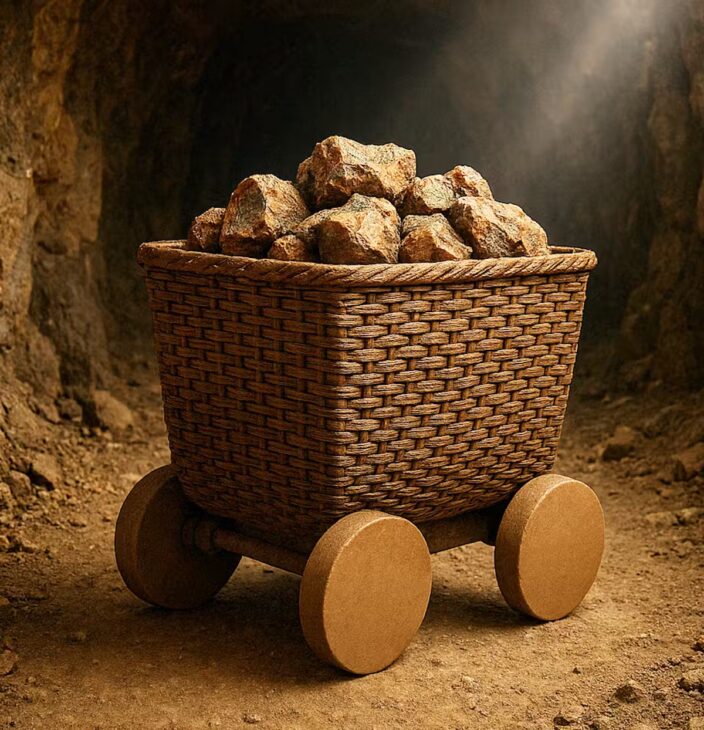
Miniature Models Reveal The Past
The idea is supported by relevant archaeological finds. More than 150 miniature carts have been discovered in the region, all made of clay, with four wheels and a surface that mimicked the texture of baskets used by miners.
Carbon dating indicated that these small wagons are, to this day, the oldest known representations of wheeled transport.
Although the impact of the invention is undeniable, no one knows exactly who created the wheel, when, or where it happened.
However, these findings suggest that miners may have been the pioneers, driven by a practical need: to transport more ore with less effort in a confined and grueling environment.
The Wheel Did Not Come From Rollers… Or Did It?
The traditional explanation is that the wheel evolved from simple wooden rollers. But this hypothesis began to be questioned in the 1960s.
Researchers pointed out that rollers were rarely used in the ancient world due to being impractical on uneven terrain and difficult to reposition after each use.
However, in mines – with artificial and straight corridors – rollers could be more efficient. This led a new generation of researchers to revisit this hypothesis, now with the help of engineering simulations and digital tools.
How A Revolution Is Born: From Socket To Wheel
The transition from rollers to wheels required two changes. First, the carts used in the mines needed to be adapted with semicircular sockets.
These fittings allowed the rollers to be fixed to the structure, being pulled along with the cart. This solved a practical problem: avoiding the need to constantly reposition the rollers in front of the cart.
This small change made the work less tiring. And paved the way for the second transformation: the alteration of the rollers’ own shape.
Computers Reveal The Logic Behind The Wheel
To understand how this happened, a team of engineers created a computer program. The goal was to simulate the evolution from a roller to a wheel.
The principle used was “mechanical advantage”, the same one that makes a pair of pliers multiply the force applied by the hand.
The algorithm tested hundreds of roller shapes, analyzing the performance of each one. Two criteria were considered: mechanical advantage (i.e., how much it helped the user push the cart) and structural resistance (so it wouldn’t break under the weight).
Over time, the ideal model emerged: a thin axle with large discs at the ends. The shape of the modern wheel arose as the best possible format for transportation with less effort.
Natural And Gradual Process
Engineers believe that the same process may have occurred, empirically, with the miners six thousand years ago.
Small changes in the shape of the rollers — whether by natural wear of the wood or to navigate obstacles on the mine floor — gradually led to the most efficient shape.
Over time, the models that worked best were copied and reproduced. Thus, the rollers became increasingly narrower in the center, until they became an axle with wheels at the ends. This, researchers say, is the likely origin of the wheel as we know it today.
The Wheel Was Born Without A Set Date
Unlike other inventions that have a “moment of creation”, the wheel likely emerged from the accumulation of successive improvements. A process similar to the evolution of species: small adaptations favored by their utility in the environment.
And the story of the wheel didn’t stop there. More than five thousand years later, in Paris, a bicycle mechanic revolutionized transportation once again.
He created ball radial bearings — parts that reduce friction when turning a wheel. These bearings use spheres around the axle, allowing the hub to rotate smoothly.
Back To The Beginning: Everything Turns In Circles
Interestingly, ball bearings work on the same principle as the ancient rollers. That is, modern innovation brought back the original idea that gave rise to the wheel.
This coincidence shows that the wheel, even being one of the simplest forms of engineering, has a complex trajectory, full of new beginnings and unexpected discoveries.
Thus, the wheel is not just a symbol of civilization. It is a portrait of how human ingenuity, even in challenging situations like a prehistoric mine, can transform basic needs into advancements that span millennia.








-

4 pessoas reagiram a isso.