





 Portuguese
  English
  Spanish
  4 min of reading
  0 comments


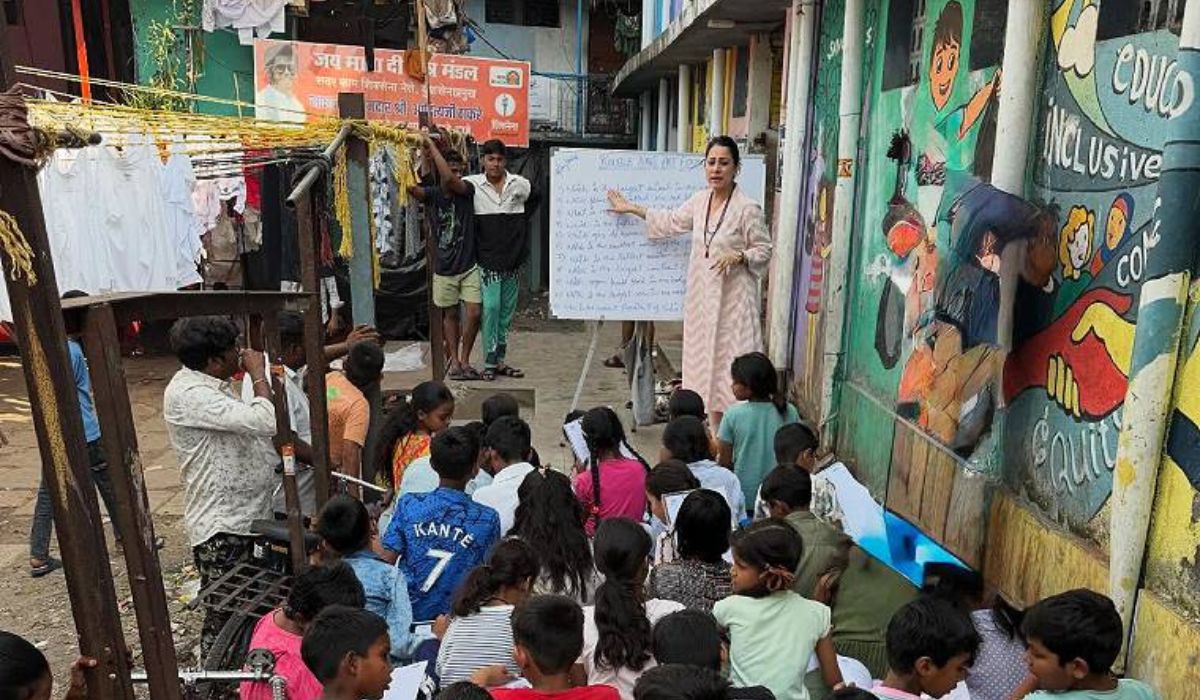
International recognition, education in vulnerable areas, and a project that grew within the communities mark the trajectory of the awarded Indian teacher, in a story that brings together social reach, pedagogical method, and educational impact.
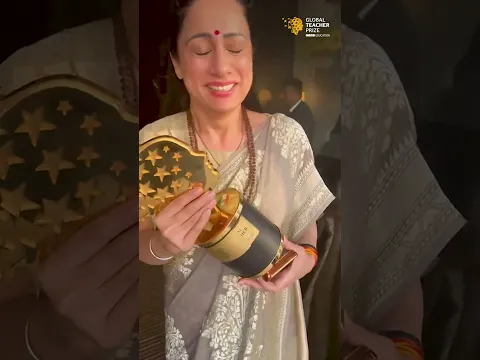
The Indian Rouble Nagi was announced as the winner of the Global Teacher Prize 2026 after developing a teaching model aimed at children in vulnerable areas.
According to the award organization, the initiative led to the creation of more than 800 learning centers in over 100 underserved communities and villages in India, focusing on children out of school or struggling to stay in the educational system.
The international recognition included a prize of $1 million, equivalent to about R$ 5 million in approximate conversion.
-
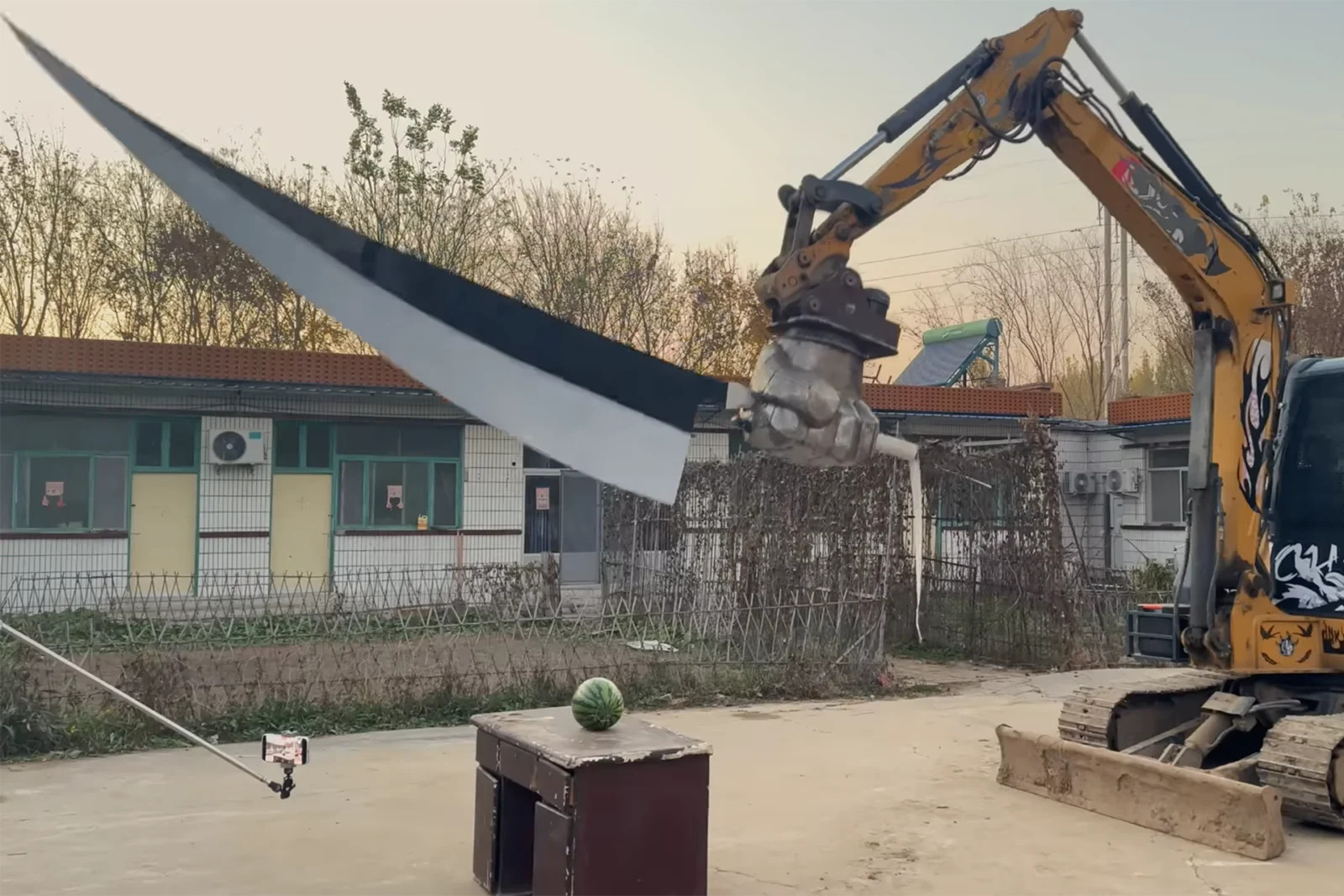
YouTuber creates an excavator equipped with a giant 4.5-meter sword to challenge his brother to a rematch, and the invention quickly goes viral on social media.
-
The U.S. Army surprises the world by presenting the UH-60MX Black Hawk helicopter capable of flying without pilots, controlled by a tablet, featuring the MATRIX system, smart sensors, and full autonomy in real combat and rescue missions.

-
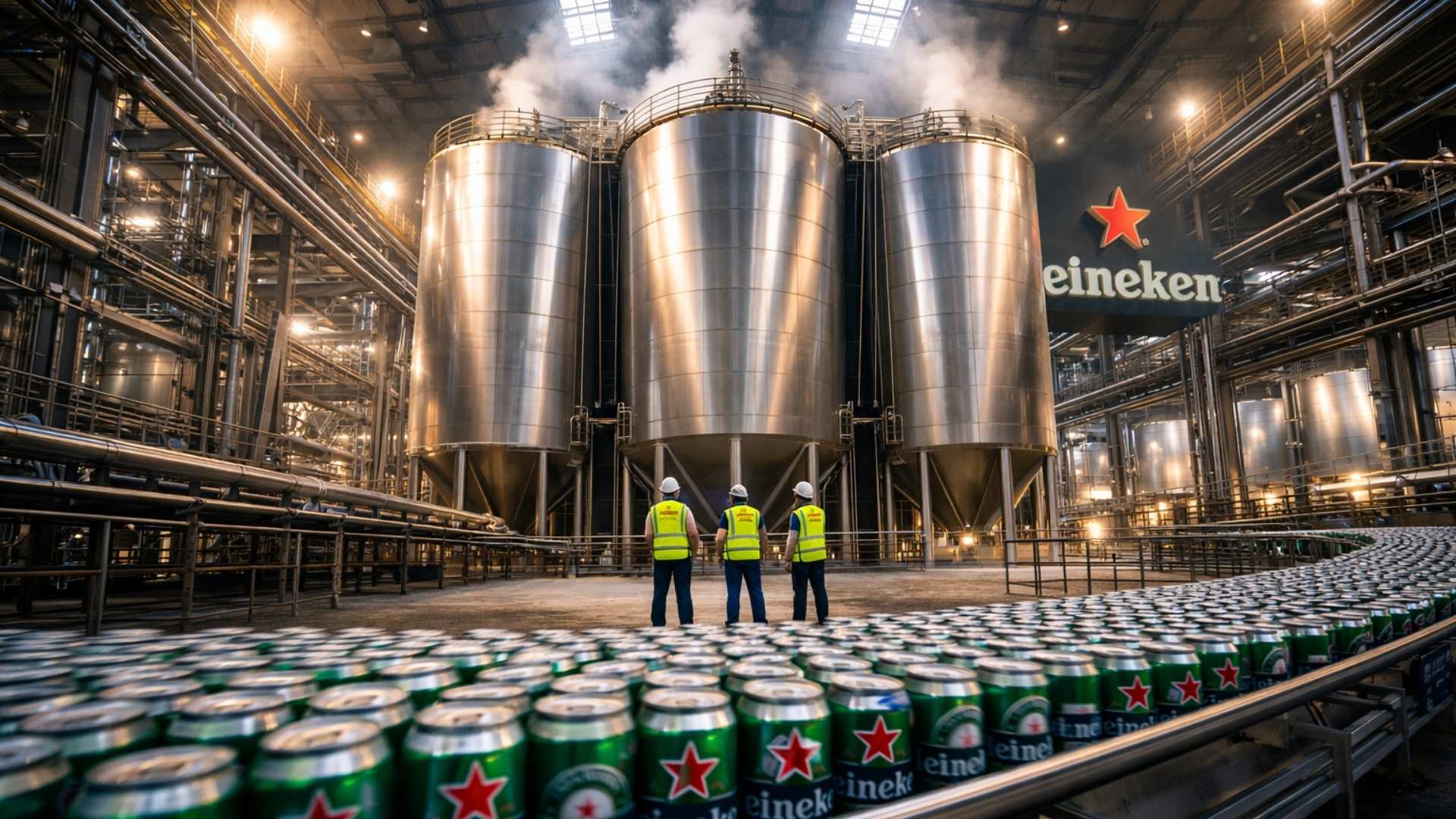
Heineken’s factory in Brazil produces 300 million beer cans in just 4 months, reaches 1 million hectoliters, received R$ 2.5 billion, and is already projecting an annual capacity of 5 million with sustainable technology.
-
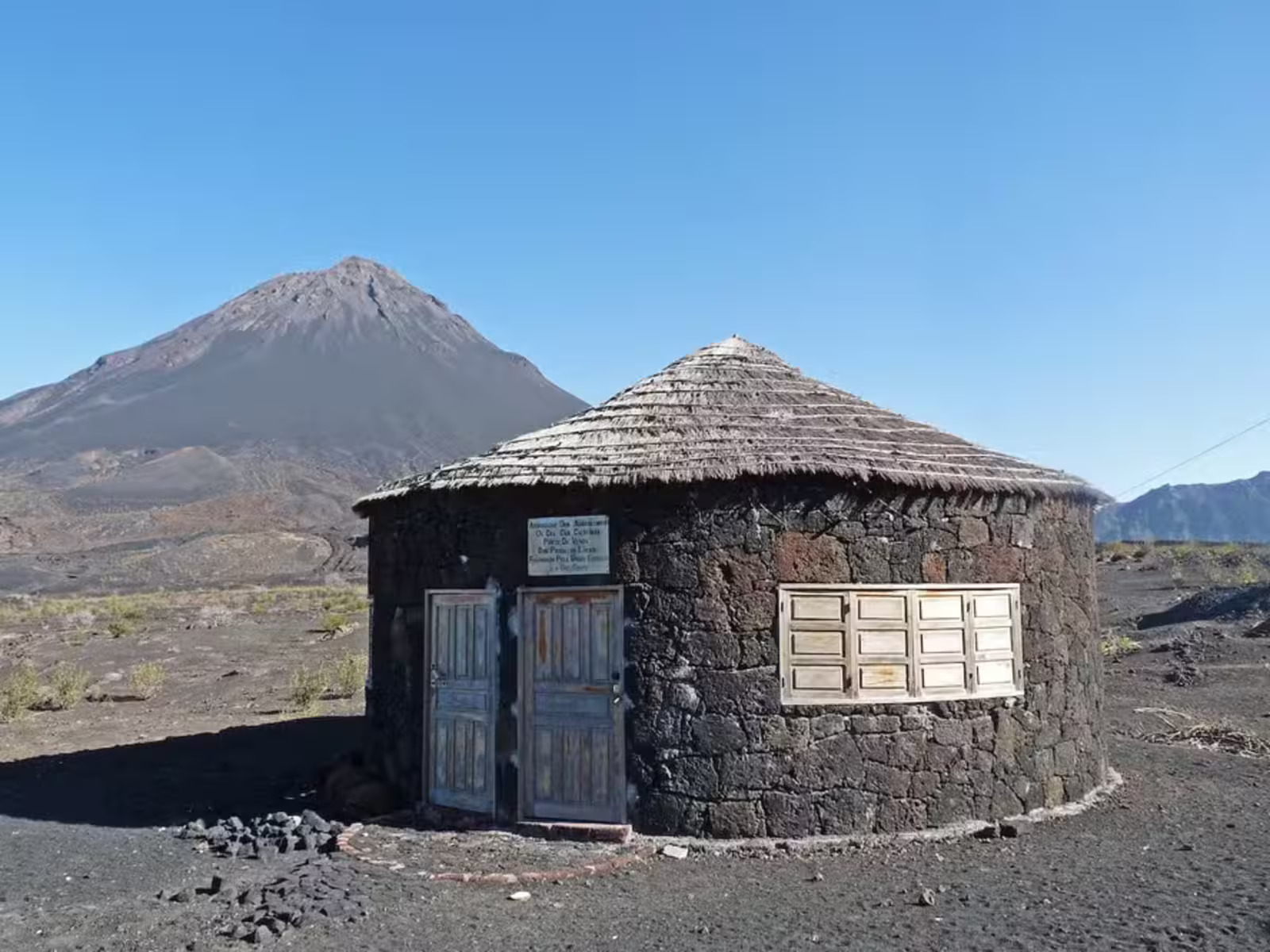
Inside an active volcano in Africa, residents use volcanic rocks to build houses in an impressive setting.

The award is organized by the Varkey Foundation in collaboration with UNESCO and recognizes educators with significant impact in the field of education.
In Rouble’s case, the organization highlighted the use of art, practical activities, and community spaces as teaching instruments.
How Rouble Nagi’s educational project began
The trajectory that led to the award began before the announcement made in Dubai.
According to the official description of the initiative, Rouble was working with art workshops when she began to have direct contact with children from peripheral communities who were out of school.
From this experience, she started using art as a pedagogical resource to bring students closer to the learning process.

As the project advanced, the Rouble Nagi Art Foundation was created, an organization responsible for structuring the initiative.
Since then, the work has expanded to different regions of India.
Instead of relying solely on conventional school structures, the foundation began to install learning centers in places where access to formal education was limited.
Learning centers in vulnerable communities in India
These spaces serve as gateways for children excluded from the education system and also as support for students already enrolled but at risk of dropping out.
According to the award organization, the proposal aims to serve students in contexts marked by poverty, child labor, and lack of infrastructure.
The model developed by Rouble adapts teaching to the realities of these communities.
Therefore, the activities do not follow only the traditional classroom format.
In many cases, content is presented through educational murals, practical workshops, and reused materials as pedagogical resources.
In this format, art plays a central role in the methodology.
The proposal, according to the official description of the award, is to use visual elements to facilitate literacy, logical reasoning, and teaching themes related to health and citizenship.
In communities without adequate school structures, these spaces have served as extensions of the learning process.
Global Teacher Prize 2026 and the reach of the project
The organization of the Global Teacher Prize reported that Rouble was chosen from over 5,000 nominations and applications from 139 countries.
The announcement took place during the 2026 edition of the World Governments Summit in Dubai.
In the presentation of the winner, the organizers stated that her work has helped over 1 million children enter the formal education system over more than two decades.
In addition to the numbers presented by the award, the case gained prominence for the model adopted within the communities served.

According to the official description, Rouble is not only involved in creating the spaces but also monitors the functioning of the centers and participates in the training of professionals linked to the project.
According to the organizers, the initiative has already recruited and trained more than 600 volunteer and paid teachers.
This process has allowed the foundation to expand its work in different territories without abandoning its presence in the communities served.
How the teacher plans to use the R$ 5 million prize
The award also increases the visibility of initiatives aimed at educational inclusion in areas of social vulnerability.
In the case of the Indian educator, the strategy was to organize learning spaces within the territories themselves, aiming to bring children and families closer to the school environment.
This model does not replace formal school but serves as a transitional step to it, according to the project description.
In many cases, the child’s first contact with organized teaching activities occurs in these centers maintained by the foundation.
The destination of the amount received was also informed by the award organization and the educator herself.
Rouble stated that she intends to use the resources to create a training institute, offering free vocational training and digital literacy for children and young people in vulnerable situations.

What the official description clarifies about the 800 classrooms
The recognition occurs in a context of greater international attention to experiences related to school retention, the reduction of dropout, and the expansion of access to education.
When announcing the winner, the Varkey Foundation and UNESCO associated the work with the effort to include populations that remain outside the formal education system.
According to the organizers and the foundation, more than 800 learning centers have been created across different vulnerable communities and villages in India.
The core of the information, however, remains: the teacher was internationally recognized for developing an initiative aimed at expanding access to education.




Seja o primeiro a reagir!