





 Portuguese
  English
  Spanish
  6 min of reading
  0 comments


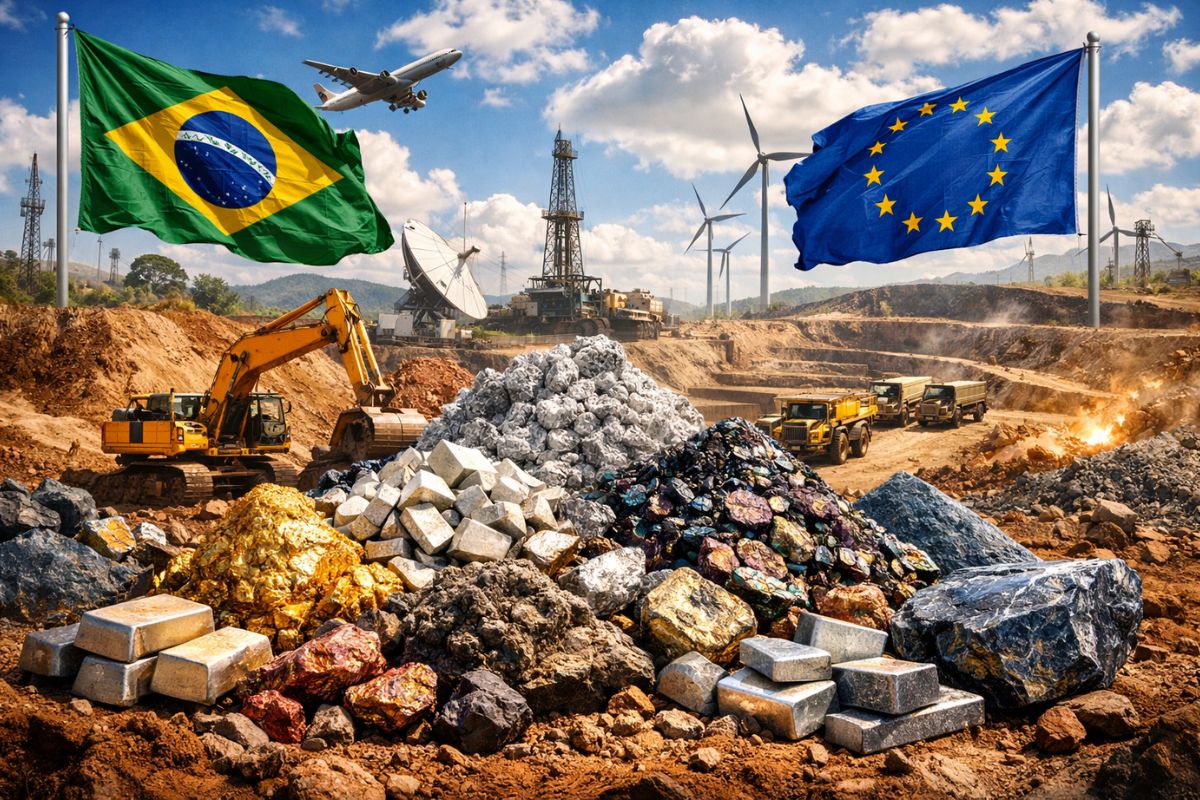
The Brazilian soil holds the second largest reserve of rare earths on the planet and minerals such as niobium, graphite, and tantalum essential for electric cars, artificial intelligence chips, and wind turbines, and it was the fear of dependence on China combined with Trump’s tariffs that made the European Union rush to finalize the agreement
The agreement between Mercosur and the European Union took more than two decades to come to fruition. It was 25 years of negotiations stalled by differences over deforestation, environmental standards, and agricultural protectionism. What finally unlocked everything was not diplomatic goodwill, but what is buried in Brazilian soil: rare earths, niobium, natural graphite, aluminum, and tantalum, strategic minerals without which Europe cannot build its energy and technological future. China dominates 70% of global rare earth extraction and 90% of processing, and Europe realized it urgently needs alternatives.
According to the channel DW Brasil, Brazil ranks second in the world in proven reserves of rare earths, only behind China. In the Serra da Mantiqueira, in southern Minas Gerais, a pilot plant is already processing clay rich in these minerals. From every ton of clay that enters the facility, only 4 kilograms of rare earth compounds come out, a recovery of 0.4%, but with immense strategic value. According to the project’s managers, the mine being developed could supply 10% of the world’s demand for rare earths and nearly all of Europe’s need for heavy rare earths. Brazilian soil is at the center of a geopolitical dispute that will shape the coming decades.
Why rare earths from Brazilian soil are essential for the future
Rare earths are not as uncommon in nature as the name suggests. What makes them rare is the difficulty of separating them from other elements with which they are mixed in the soil.
-
Everyone has started talking about the end of the minimum retirement age in Brazil — but has this “silent change” really happened, or are we facing one of the biggest recent rumors about the INSS?
-
Contactless payments in 2026 soar in Brazil, exposing new invisible fraud gaps and forcing users to double their security precautions with contactless cards.
-
End of Sunday shopping: one state has already prohibited supermarkets from operating on the day of rest, and more regions in Brazil may join by 2026.
-
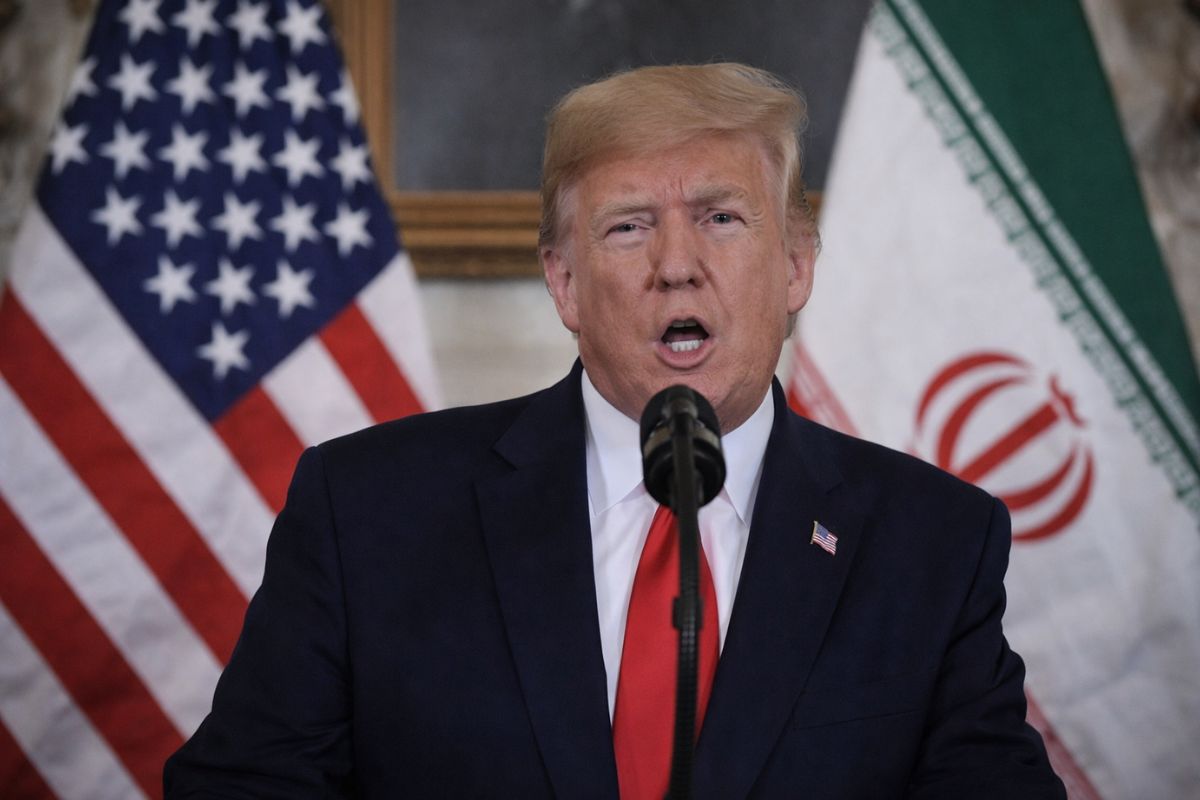
“The country can be destroyed in one night”: Trump makes historic threat to Iran after ceasefire rejection and the world awaits what comes this Tuesday (04/07)
These minerals are fundamental for technologies that define the future: electric car motors operate with rare earth magnets, artificial intelligence chips rely on them for processing and cooling, wind turbines use rare earths in their generators, and defense systems such as missiles and drones also need these elements.
The global energy transition—the replacement of fossil fuels with clean energy—simply does not happen without rare earths. Every electric motor is powered by magnets that contain these minerals, and demand only grows as more countries electrify their fleets and expand renewable energy generation.
Brazilian soil contains one of the largest reserves on the planet, and the reserve in Serra da Mantiqueira is especially valuable because it concentrates a high content of rare earths in a relatively small area, the result of millions of years of geological processes influenced by the tropical climate and the altitude of the region.
What Trump’s tariffs and China have to do with the agreement
The Mercosur-EU agreement had been stalled for years when two events accelerated everything. First, in April 2025, China restricted the export of rare earths, a show of power that made Europe’s vulnerability evident.
Then, the tariff policy that the U.S. president imposed on the world caused major disruptions in supply chains and radically changed the reputation of the United States as a reliable business partner.
Europe found itself squeezed: dependent on China for strategic minerals from Brazilian soil and other countries, dependent on the U.S. for defense, and increasingly economically pressured. The signing of the agreement with Mercosur in January 2026 was the response, and even diplomats acknowledge Trump’s role in the urgency.
“A big thank you to President Trump, of course, because he came with this new tariff agenda and that scared many European countries,” said a participant in the negotiations. The agreement not only reduces tariffs on minerals from Brazilian soil but also facilitates the entry of European investors into mining projects in Brazil.
What Brazilian soil offers beyond rare earths
Brazil is not just sitting on rare earths. Brazilian soil is a source of other strategic minerals that the European Union classifies as critical for its industrial autonomy.
The country is a world leader in niobium used in high-strength metal alloys for aviation and infrastructure, has significant reserves of natural graphite essential for electric vehicle batteries, and produces aluminum and tantalum at a relevant scale.
For Europe, diversifying suppliers of strategic minerals is a matter of economic survival.
Brazilian soil represents the most viable alternative to dependence on China, and the Mercosur-EU agreement is the legal instrument that enables this diversification by reducing trade barriers, simplifying regulations, and creating conditions for European capital to finance mining and processing projects in Brazil.
The race for the minerals of Brazilian soil is, in practice, a race for the future of the European industry.
How the agreement affects the lives of Brazilians in practice
For those living in Brazil, the effects of the agreement go beyond minerals. Exporters of fruits, instant coffee, fish, orange juice, and soybean meal gain easier access to the European market with reduced tariffs that currently reach prohibitive levels.
Less affluent regions, such as the Northeast, may be especially benefited by the increase in agricultural exports. On the industrial side, the import of European equipment and technologies will become cheaper, with rates of 12% to 16% being progressively reduced.
The trade-off is competition. European products will arrive cheaper in Brazil, which may pressure less competitive industrial sectors.
But international evidence shows that exporting companies, more connected to the global market, generate better jobs and pay better wages, according to experts consulted about the agreement.
What is at stake for Brazilian soil is also an environmental issue: the European Union demands compliance with anti-deforestation rules, which forces Brazil to take this agenda seriously if it wants to access the European market. For some, it is imposition; for others, it is an opportunity to organize what should have been organized long ago.
What lies ahead for the minerals of Brazilian soil
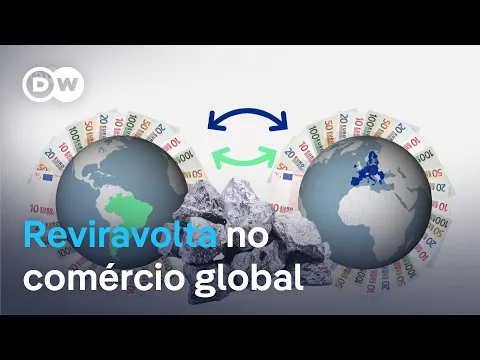

The pilot plant in Serra da Mantiqueira is already operating, but it will still take years until a full mine is in operation. The process requires an exploration license, environmental impact studies, and approval from the National Mining Agency.
The mining and processing capacity of rare earths from Brazilian soil is still much smaller than that of China, and closing this gap is the challenge that will determine whether Brazil captures the value of these minerals or continues exporting raw materials.
The Mercosur-EU agreement is just the beginning. The new trade order that is emerging is more fragmented, with Global South countries like Brazil taking on more important positions on the geopolitical chessboard.
Brazilian soil, with its rare earths, niobium, graphite, and strategic minerals, is not just geological wealth. It is a bargaining chip in an era where those who control the minerals of the energy transition control the future.
Did you know that Brazilian soil holds the second largest reserve of rare earths in the world? Do you think the agreement with Europe will benefit or harm Brazil? Let us know in the comments.






Seja o primeiro a reagir!