





 Portuguese
  English
  Spanish
  5 min of reading
  0 comments


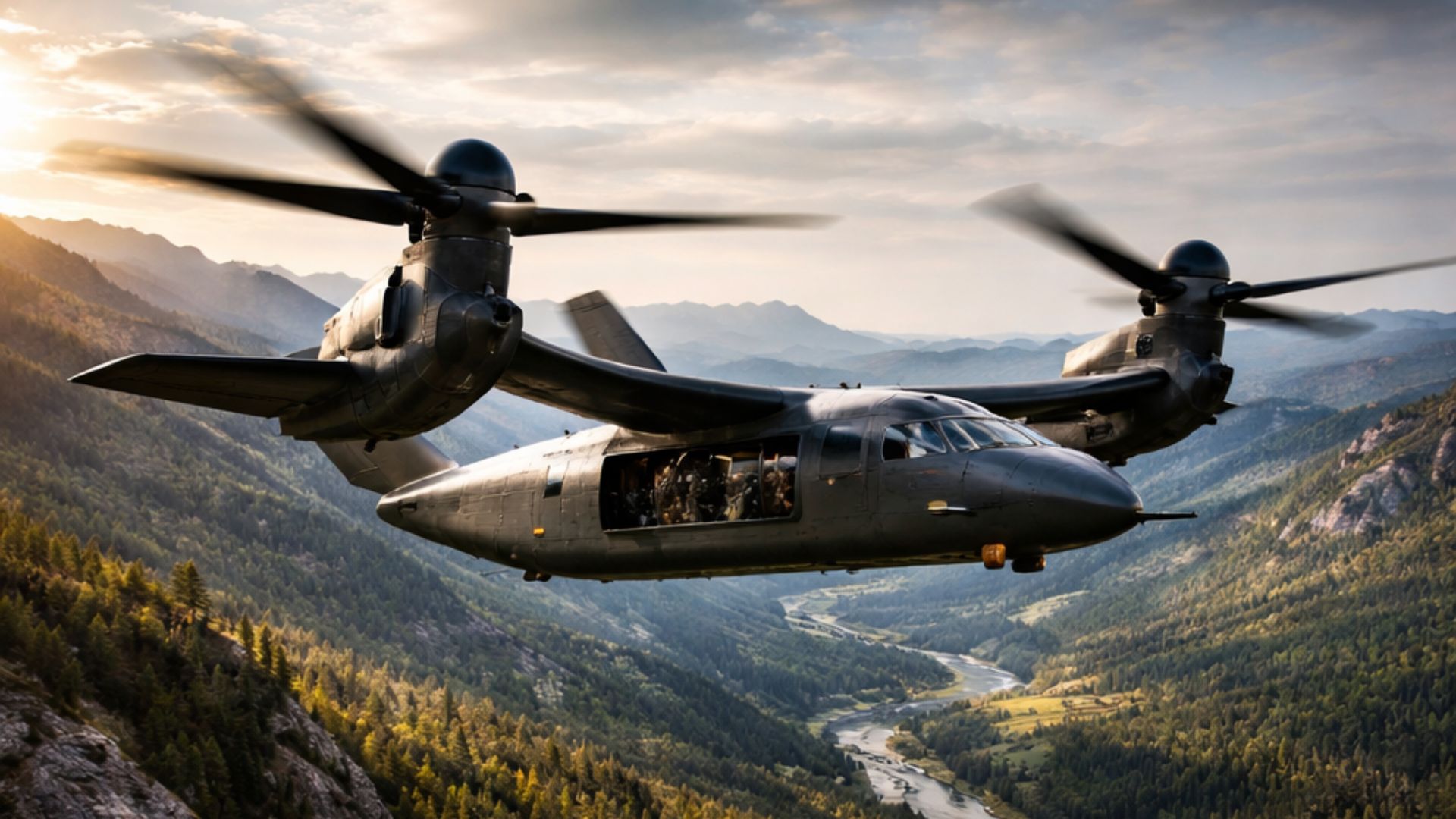
The US Army reveals details of the new multifunctional aircraft MV 75, highlighting advances in technology, greater range, and high speed that promise to change military strategies and expand operational efficiency.
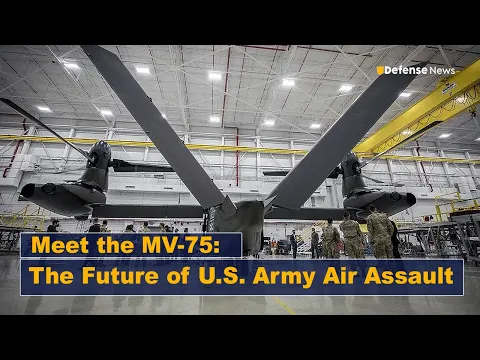
The US Army has taken a decisive step in modernizing its aviation by introducing the new multifunctional aircraft MV 75, a platform designed to raise the standard of military operations. According to an article published by Military Society, the project combines cutting-edge technology, greater range, and superior speed, characteristics that directly meet the demands of contemporary warfare.
The aircraft is part of the Future Long Range Assault Aircraft (FLRAA) program, created to replace or complement the traditional UH-60 Black Hawk. In operation since the 1970s, the current model no longer fully meets modern challenges, especially in the face of more complex and larger-scale scenarios.
With the MV 75, the US Army aims to reduce response time, increase mobility, and enhance troop survival in hostile environments. The proposal is clear: operate faster, farther, and with greater efficiency.
-
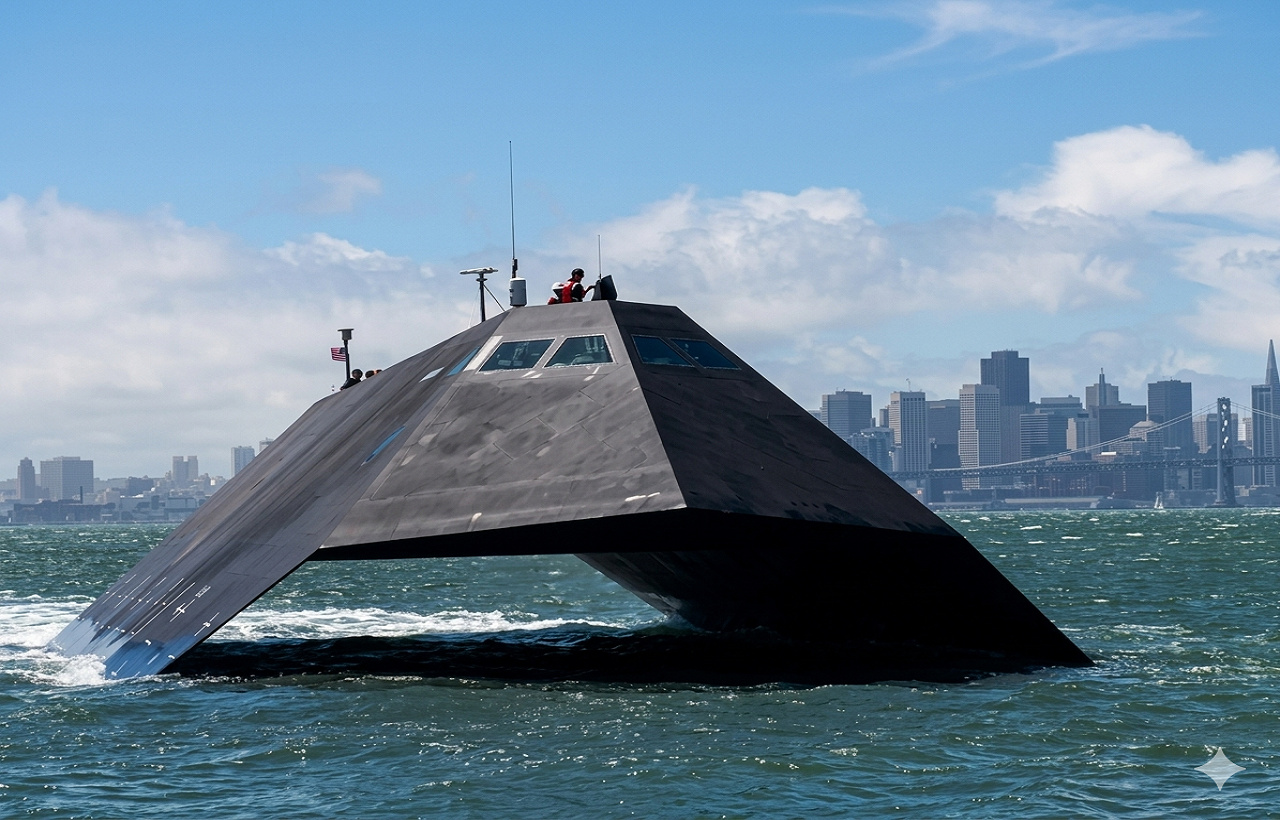
Built in secret inside a barge with a satellite-proof roof, the 49-meter, 560-ton ship with stealth technology deflected radar waves like an F-117 fighter, sailed invisibly for nearly 10 years at night, and, despite costing 170 million dollars, ended up being dismantled and sold as scrap for only 2.5 million.
-
North Korea tests intercontinental range rocket with a 2,500 kN solid fuel engine supervised by Kim Jong Un and advances in a five-year strategic plan.

-
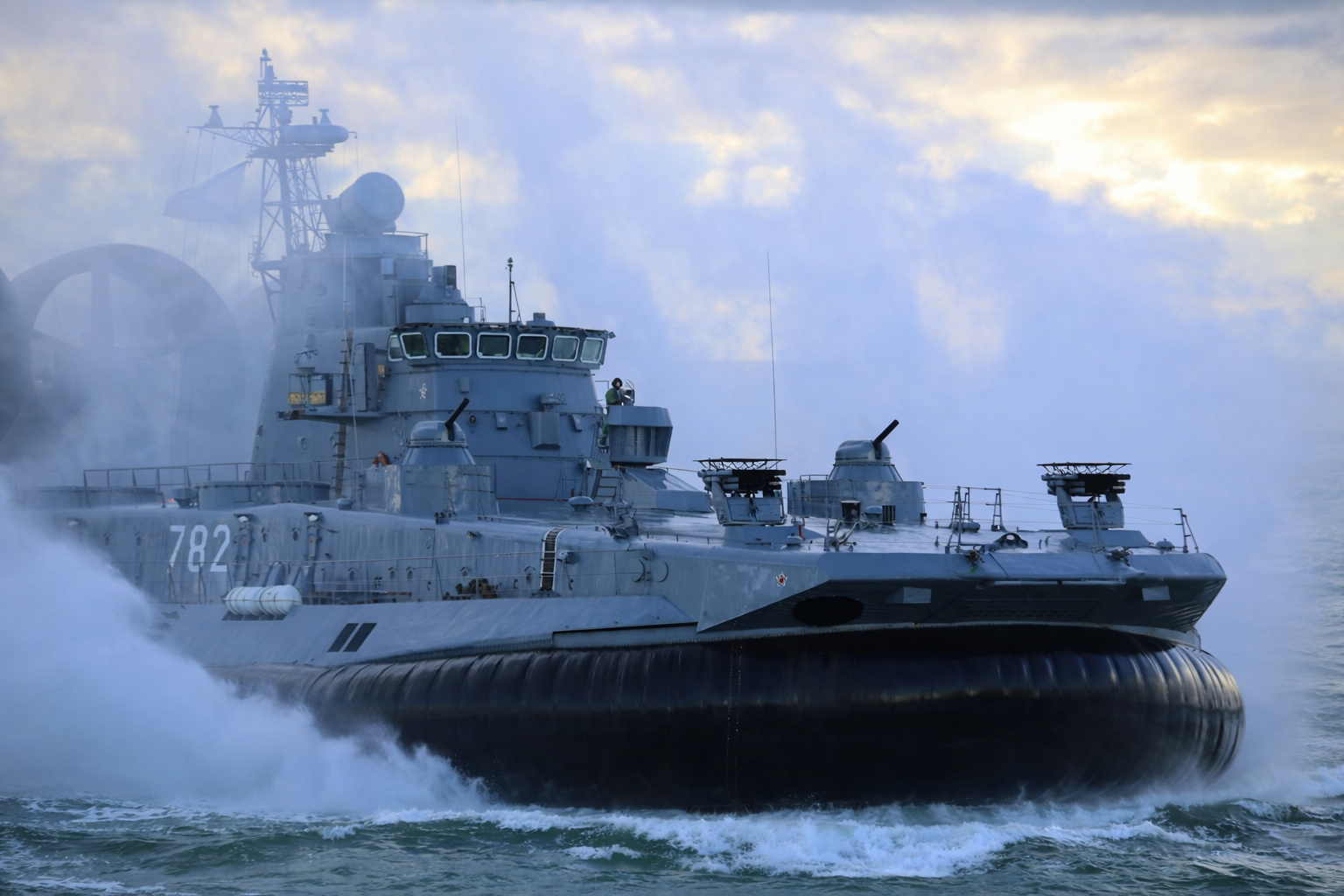
Classified as a “amphibious monster” weighing 555 tons, 57 meters long, and featuring three propellers with a diameter of 5.5 meters, the Zubr is the largest military hovercraft ever built, capable of transporting 3 tanks or 500 soldiers at speeds exceeding 100 km/h over water, ice, and sand, and China has resumed production of it to project power in the South China Sea.
-
The U.S. Army receives the first Black Hawk helicopter that can fly without pilots, be controlled by a tablet, and even land on its own during high-risk missions.


US Army bets on multifunctional aircraft MV 75 to overcome the limits of modern warfare
The US Army’s decision to invest in the multifunctional aircraft MV 75 reflects an important strategic shift. Instead of upgrading old platforms, the choice was to develop a completely new solution aligned with current demands.
The FLRAA program gained momentum after the selection of Bell in 2022 as the manufacturer responsible for the project. The company presented a proposal based on advanced vertical takeoff technology, capable of combining characteristics of helicopters and airplanes.
This change in approach shows how the US Army has begun to prioritize speed, range, and flexibility as central pillars of modern warfare.
Tiltrotor of the MV 75 combines technology and performance for safer missions
One of the main differentiators of the multifunctional aircraft MV 75 is the tiltrotor system. This technology allows for vertical takeoff and high-speed flight, representing a significant evolution in the sector.
In practice, the aircraft can operate in restricted areas like a helicopter and then reach speeds comparable to those of airplanes. This reduces exposure time in risk zones, increasing the safety of operations.
According to data released by the manufacturer, the MV 75 can reach speeds of about 480 kilometers per hour, while the Black Hawk operates at around 290 kilometers per hour. This significant gain directly impacts the efficiency of missions.
Among the main benefits of this system are:
- Reduction of travel time in combat areas
- Greater evasion capability in hostile environments
- Flexibility to operate in different types of terrain
This combination reinforces the role of the new aircraft as a key piece in the strategy of the US Army.

Extended range and rapid insertion redefine US Army operations with the MV 75
Another central point of the multifunctional aircraft MV 75 is the extended range. This feature allows the US Army to conduct operations in vast regions, such as the Indo-Pacific, where distances pose a constant challenge.
The ability to quickly transport a full squad also transforms the dynamics of missions. The insertion of troops becomes more agile and less predictable, making it harder for the enemy to react.
Additionally, the new technology reduces dependence on forward bases, increasing the autonomy of military forces. This means operations can be conducted with less infrastructure, enhancing strategic flexibility.
Black Hawk loses prominence in the face of the technological evolution of the MV 75
The UH-60 Black Hawk remains a relevant platform, but its limitations have become more evident in recent years. Designed for a different scenario, the model does not meet the new demands for range and speed.
In light of this, the US Army has chosen to invest directly in a new generation of aircraft. The multifunctional aircraft MV 75 emerges as a response to this need, offering significant improvements in mobility and efficiency.
Among the factors that drove this transition are:
- Increased distances in modern strategic scenarios
- Evolution of air defense systems
- Need for faster and more precise responses
These elements have made the adoption of new technology not only desirable but essential.
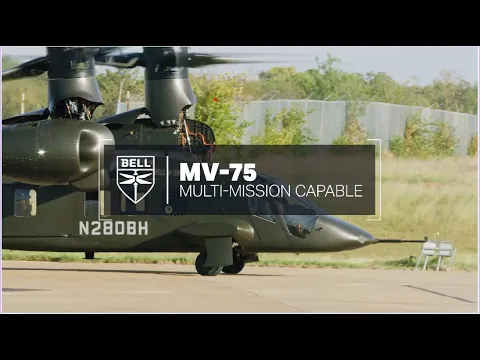

US Army accelerates tests and prepares for the entry of the MV 75 starting in 2026
The program schedule indicates that the US Army intends to begin operating the MV 75 as early as 2026. This accelerated pace demonstrates the urgency to incorporate new capabilities into the battlefield.
Tests are being conducted in locations such as the Redstone Arsenal, where pilots assess the aircraft’s performance under real conditions. This stage is crucial to ensure that the multifunctional aircraft meets operational requirements.
The current strategy prioritizes the rapid integration of new technologies, reducing the time between development and implementation. This allows the US Army to respond more efficiently to emerging threats.
Integration with unmanned systems expands the potential of the multifunctional aircraft MV 75
The architecture of the MV 75 has been designed to be modular, allowing for updates over time. This approach ensures that the technology remains relevant even in the face of rapid changes in the military landscape.
Another important point is the integration with unmanned systems. The US Army intends to use the aircraft in conjunction with drones and other autonomous platforms, creating a networked warfare environment.
This integration brings advantages such as:
- Greater coordination among different units
- Better collection and sharing of information
- Increased efficiency in complex missions
With this, the multifunctional aircraft MV 75 positions itself as a central element in modern operations.
A strategic leap that redefines mobility, range, and military response
The arrival of the multifunctional aircraft MV 75 marks an important moment for the US Army. More than just replacing an old platform, the project represents a change in how military operations are conducted.
The combination of speed, range, and advanced technology allows for faster and more effective responses. In an increasingly dynamic global scenario, this capability becomes a strategic differentiator.
The MV 75 also reinforces a clear trend: the future of warfare will be defined by technological integration, mobility, and adaptability. With this, the US Army positions itself at the forefront of this transformation, expanding its operational capacity on a global scale.








Seja o primeiro a reagir!