





 Portuguese
  English
  Spanish
  5 min of reading
  0 comments


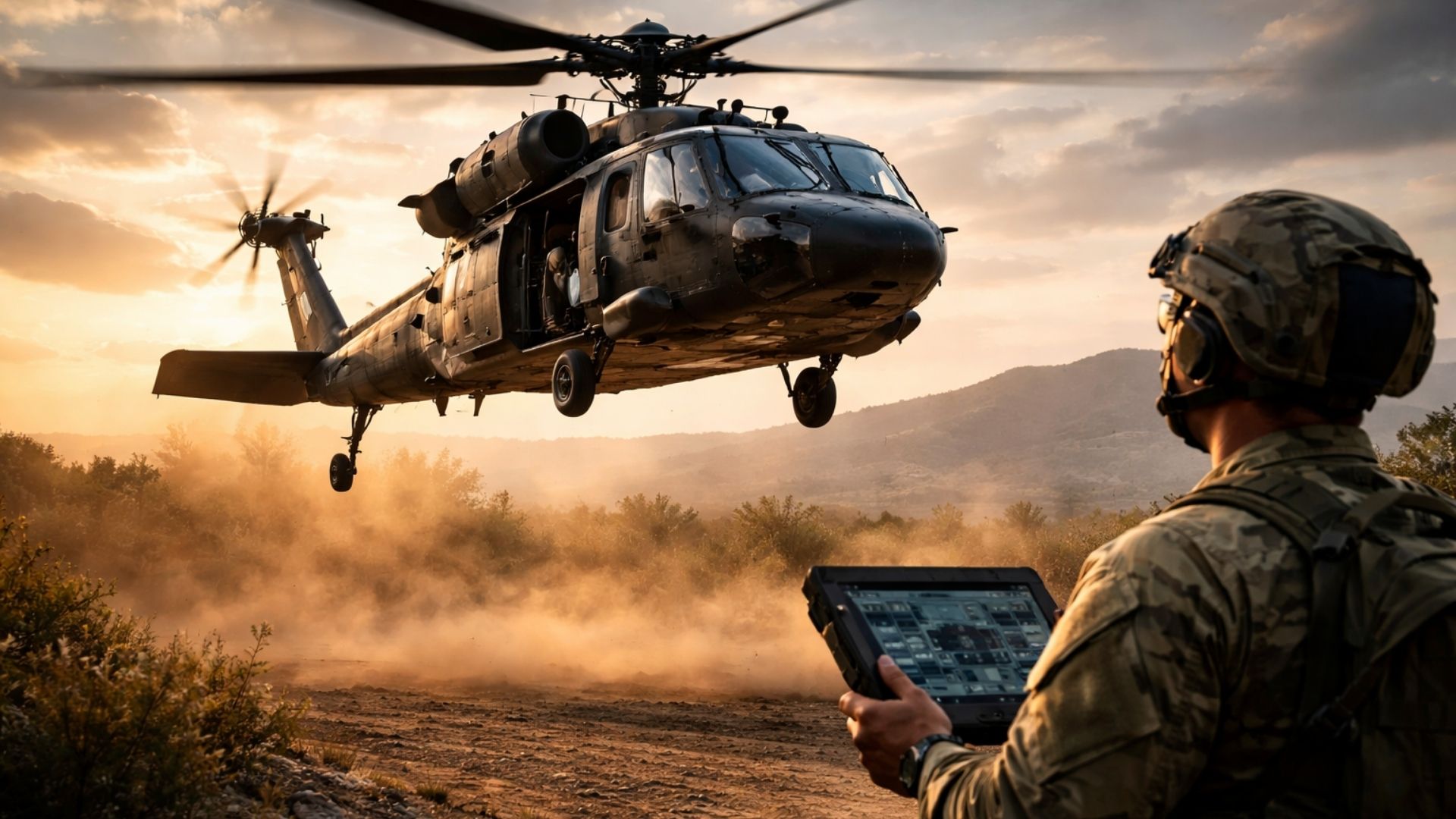
US military technology accelerates the transition to aircraft with extended range and reignites the debate on how traditional helicopters can operate in risk scenarios with less human exposure, more embedded automation, and new forms of command outside the cockpit.
The United States Army received, in March 2026, a modified Black Hawk helicopter to fly with a pilot on board, remotely supervised, or uncrewed in the cockpit.
The model, presented by Sikorsky as UH-60MX and referred to by the Army and DARPA as H-60Mx, was delivered for a phase of advanced operational testing, focusing on autonomy, reducing crew workload, and deployment in higher-risk scenarios.
In practice, the aircraft incorporates fly-by-wire electronic controls and the MATRIX suite, a system that combines automated flight management, sensors, and software to perform tasks ranging from takeoff to landing.
-
Heineken’s factory in Brazil produces 300 million beer cans in just 4 months, reaches 1 million hectoliters, received R$ 2.5 billion, and is already projecting an annual capacity of 5 million with sustainable technology.

-
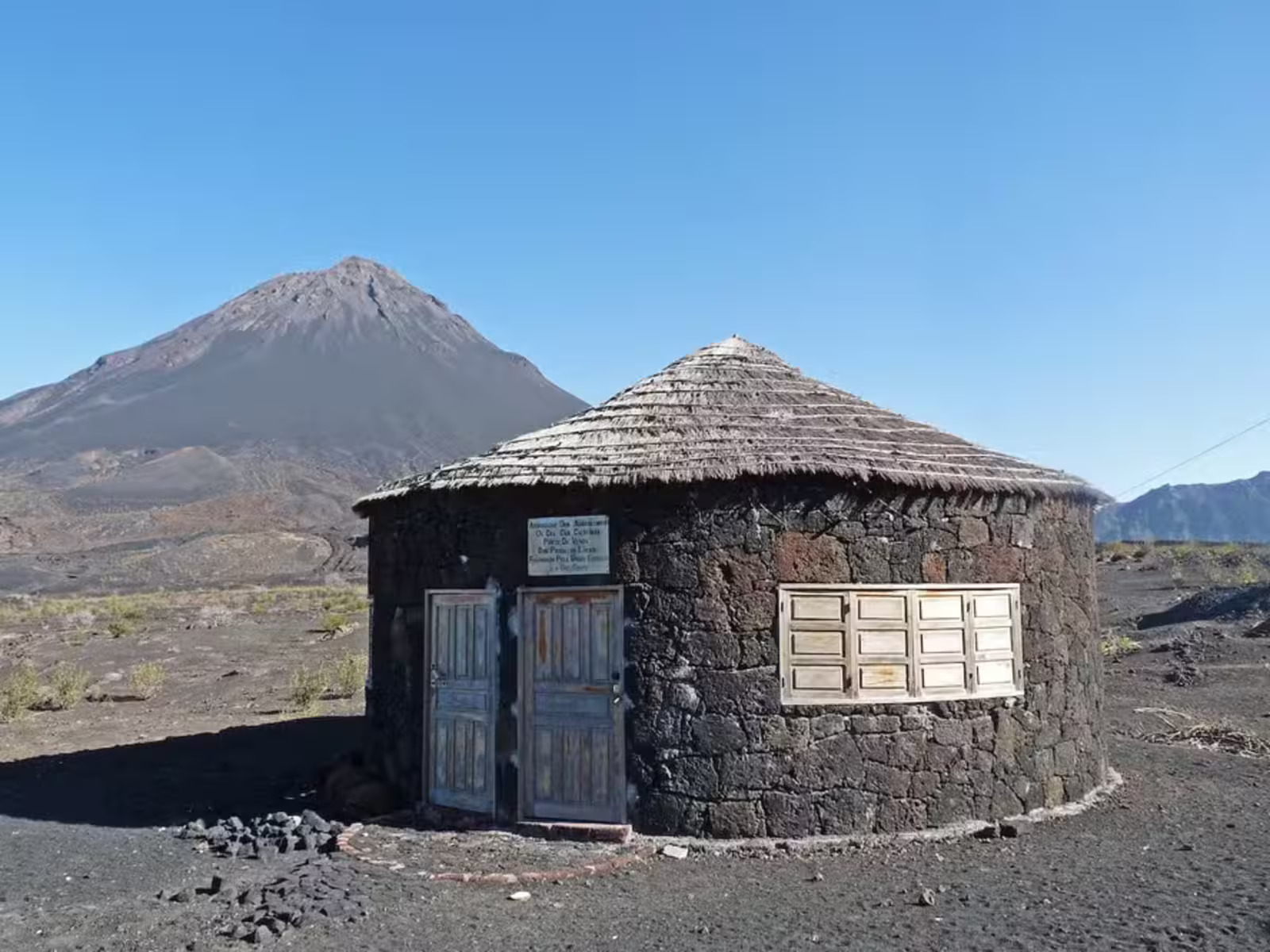
Inside an active volcano in Africa, residents use volcanic rocks to build houses in an impressive setting.
-
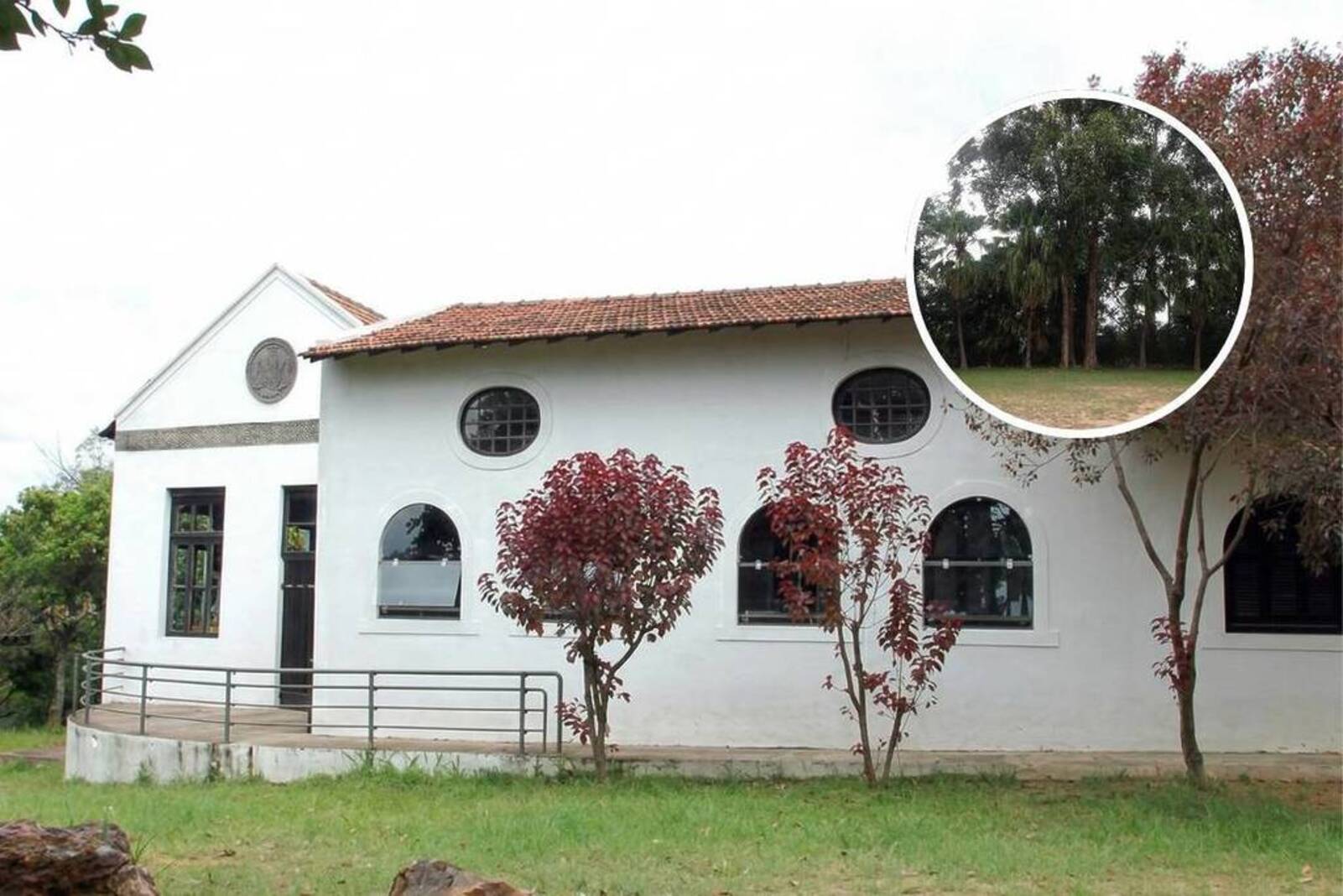
After 14 years of waiting, a rammed earth mansion built in 1702 in the North Zone of São Paulo will become a park with leisure facilities and green areas, with a million-dollar investment.
-
With 2 unfinished nuclear reactors, up to 25 billion in costs, and proven fraud, the Nukegate case has left 800,000 consumers still paying today for energy that will never be produced.


The proposal is to allow the helicopter to transition between crewed, optionally piloted, and fully autonomous modes, with ground supervision when necessary.
Autonomous Black Hawk enters Army testing phase
The delivery marks the entry, into the Army’s fleet, of the first UH-60 with full authority fly-by-wire and optional piloting capability.
According to Sikorsky, the package installed on the aircraft was integrated throughout 2025 in cooperation with the Army, which now intends to use the device as a platform for technological assessment and procedure development.
Rich Benton, vice president and general manager of Sikorsky, stated that the Army now has “a new tool” to advance in the qualification of pilot-supported autonomy.
In the company’s assessment, this type of resource tends to enhance mission effectiveness and troop survival, in addition to paving the way for future networked operations.
Nevertheless, the current stage is one of testing and validation, not immediate large-scale incorporation.
The Army itself reported that the aircraft will undergo, in the coming months, a battery of evaluations to measure performance in complex missions, integration with ground control, and potential use in real force operations.
MATRIX system brings together sensors, software, and flight automation
At the center of the project is the MATRIX technology, developed by Sikorsky from the ALIAS program of the DARPA military research agency.
This effort began over a decade ago with the goal of creating a removable and scalable set capable of adding a high degree of automation to existing aircraft without requiring a completely new design.
According to DARPA, the architecture was matured through a series of demonstrations that included everything from basic maneuvers to more demanding mission profiles.
One of the milestones occurred in 2022 when a Black Hawk equipped with the system performed what the agency described as the first uncrewed flight of the model, including pre-flight checks, navigation, and autonomous landing, as well as response to simulated failures.
In the intended use by the Army, the system is not limited to “taking the pilot” out of the cockpit.
The automation was also designed to function as a sort of digital co-pilot, capable of taking on complex tasks, stabilizing flight in degraded conditions, and reducing operational demands on the crew when military personnel are on board.
Another central point is the adoption of fly-by-wire, which replaces traditional mechanical controls with electronic commands.
According to the Army, this change makes the helicopter more stable and easier to control, especially in low-visibility situations, while automating difficult maneuvers and freeing the crew to focus on the mission.
Tablet control advances in military exercises in the US
The most striking image of the project is the external command via tablet, but this feature did not emerge only with the delivery of the aircraft in 2026.
In October 2025, Sikorsky had already placed the optionally piloted platform in the hands of military personnel during a National Guard exercise in Michigan, United States.
On that occasion, soldiers operated the helicopter in uncrewed mode with the oversight of the manufacturer and the Army.
According to coverage by Stars and Stripes, a National Guard sergeant with no previous aviation experience managed to learn, in less than an hour, to operate the Black Hawk in drone mode via a tablet.
During this training, the aircraft was used to transport external loads, such as pods from the HIMARS system, and in a simulated medical evacuation scenario.
These tests help explain why the Army sees value in the concept of optionally piloted aircraft.
In missions of refueling under threat, evacuation in hostile environments, or transporting cargo to contested areas, removing the crew from the aircraft can reduce direct human exposure to risk without sacrificing the ability to carry equipment, supplies, or casualties.
Army evaluates use of UH-60MX in future operations
The next phase will be conducted by the Army Combat Capabilities Development Command (DEVCOM), which will begin using the helicopter as a flying laboratory.
The intention is to test additional sensors, validate tactics, techniques, and procedures, and measure how autonomous systems and crewed aircraft can work together within the man-machine formations that the Army has been developing.
Additionally, the platform was presented as a step within the Strategic Autonomy Flight Enabler (SAFE) program, whose goal is to mature a broader application autonomy kit for the Black Hawk family and, in the future, for other aircraft.
Instead of treating autonomy as an isolated experiment, the proposal is to create a reusable, open, and scalable foundation for different missions and models.
The delivery of the H-60Mx, therefore, does not represent the immediate entry of a fully autonomous helicopter into regular combat and rescue missions, but the consolidation of a technology that has already moved beyond the purely experimental stage and entered the formal evaluation by the Army.
The advancement is significant because it combines software, sensors, remote control, and an already established aircraft in service, without relying on an entirely new platform to start redefining the role of military aviation in contested environments.






Seja o primeiro a reagir!