





 Portuguese
  English
  Spanish
  5 min of reading
  0 comments


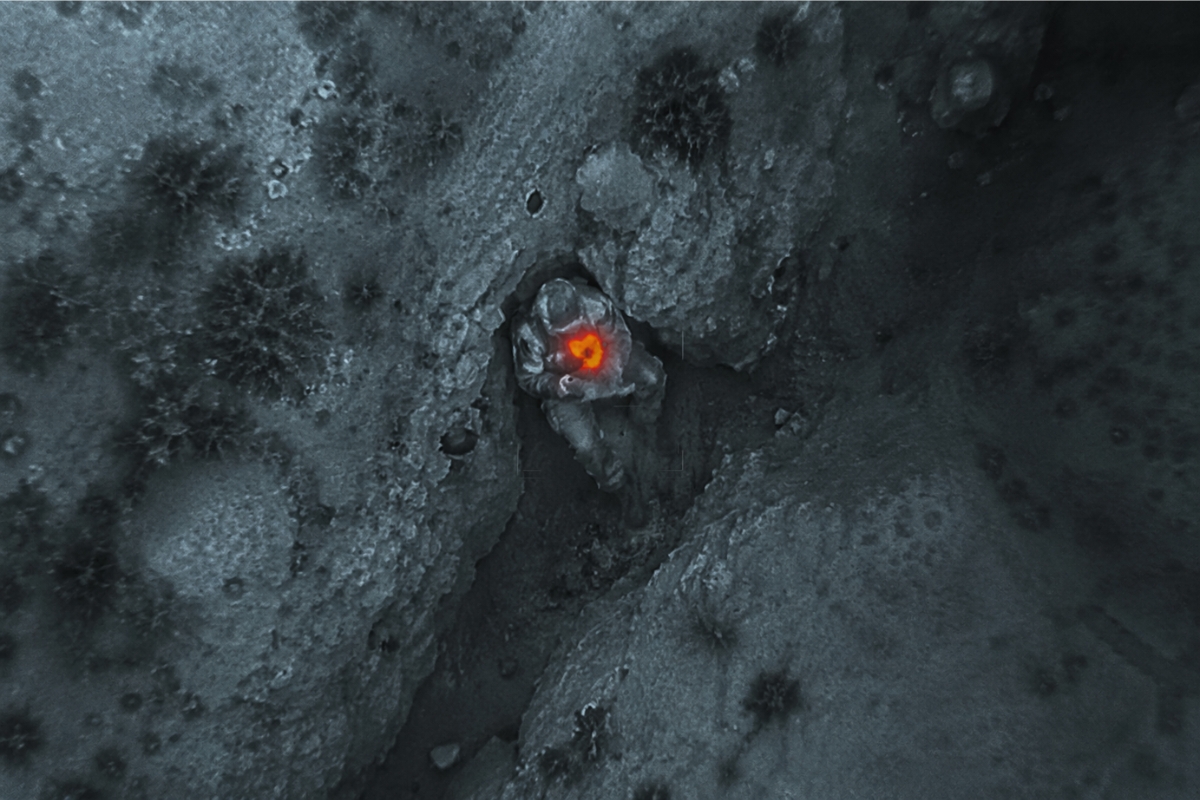
A secret technology called Ghost Murmur is said to have helped the CIA locate a pilot hidden in Iranian territory by identifying the electromagnetic signature of the human heart from miles away
A technology that was previously shrouded in secrecy has started to attract attention following reports that the United States may have used it to locate a downed pilot in Iranian territory. Named Ghost Murmur, the system is said to have been employed in a high-risk rescue operation.
According to information published by the American press, the resource would be capable of identifying electromagnetic signals emitted by the human heart over great distances. If confirmed, the use of this tool represents a significant advancement in the field of military search, surveillance, and rescue.
What is the Ghost Murmur technology
According to the disclosed information, Ghost Murmur would be based on quantum magnetometry, a technique aimed at capturing extremely subtle magnetic variations. In practice, the system’s objective would be to recognize the electromagnetic signature produced by a person’s heartbeat.
-
China will deliver more than 2,280 electric buses to Nicaragua and transform the public transport of the entire country into a showcase of Chinese technology in the backyard of the United States in Latin America.

-
China has chosen the most strategic point on the planet to establish its first military base abroad: Djibouti controls the strait through which oil, goods, and routes connecting three continents pass simultaneously.

-
China tests a 500-ton drilling machine that descends more than 1,000 meters into hard rock and could change mining by providing direct access to mineral deposits that were previously too deep, too expensive, and too complex for economic exploration.

-
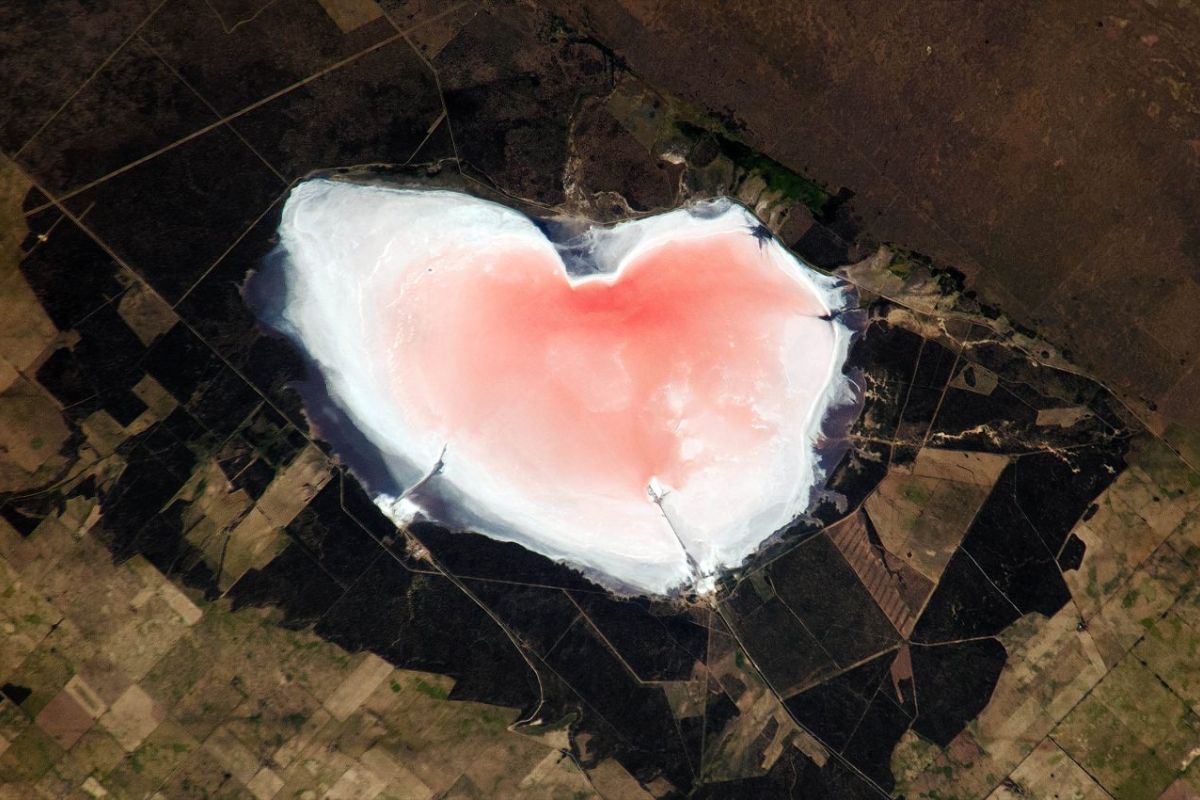
NASA photographs a pink salt lake in the shape of a heart in southern Argentina, revealing salt flats that change with rain and evaporation, with color generated by halophilic microorganisms like Dunaliella salina and flamingos.
The project would be associated with the Skunk Works division of Lockheed Martin, known for developing advanced military solutions. The proposal combines high-precision sensors with artificial intelligence to filter out noise and highlight human signals in vast and hard-to-reach areas.
How the system would work in practice
Sources linked to the program describe the operation of the equipment as something comparable to “hearing a voice in a stadium,” but in a much more complex scenario. The difference is that, in this case, the target would not be sound, but the electromagnetic trace generated by the human body.
The technical principle would involve sensors built with microscopic defects in synthetic diamonds. These elements would have the capacity to record minimal magnetic changes, something that was previously only possible in controlled environments, such as hospitals, and just a few centimeters from the patient.
This supposed technological leap would allow for a drastic increase in detection range. Instead of relying solely on traditional location devices, teams could use the survivor’s own body as a clue to confirm their position.
The case of the downed pilot in southern Iran

The operation is said to have begun after the crash of a fighter jet in southern Iran. The American pilot, identified in reports as Dude 44 Bravo, reportedly managed to survive the attack and remained hidden in a mountain crevice to avoid capture.
For about two days, he is said to have evaded Iranian forces while U.S. teams sought to determine his exact whereabouts. In a hostile environment with few chances for open communication, any reliable signal could be crucial for the rescue.
It was in this context that Ghost Murmur is said to have come into play. The system, according to reports, helped confirm that the soldier was still alive and hidden, allowing the final stage of the mission to proceed.
What made the location possible
Information indicates that the technology did not operate alone. It reportedly worked in conjunction with a conventional location device activated by the pilot. This initial signal served as support, but the exposure necessary to activate it also facilitated identification by the new system.
The combination of traditional tracking and biomagnetic reading would have been essential. Instead of relying solely on a transmitter, operators could also count on a biological confirmation of human presence at the monitored point.
This detail helps explain why the system is seen as potentially revolutionary. In situations where the target is immobile, hidden, or without constant communication, detecting that there is a living person at the location can completely change the planning of an operation.
The limitations of this tool
Despite the impact of the revelation, the use of such a technology would also raise important questions. The system’s performance would depend on very specific conditions, such as low electromagnetic interference and minimal presence of other human signatures nearby.
In urban areas, regions with many electronic devices, or scenarios with a high flow of people, reading would tend to become much more difficult. Additionally, the processing required to separate relevant signals from all the rest would demand enormous computational capacity.
Another point that remains publicly unexplained is the analysis time. Even if detection is possible, it is still unclear how long the system takes to process the data and generate a reliable response in the field.
What U.S. authorities said
During an official appearance at the White House, CIA Director John Ratcliffe stated that the agency was able to verify that the pilot was alive and hidden. Although he did not go into technical details, the statement reinforced the version that there was support from an unusual technology in the mission.
Meanwhile, President Donald Trump declared that the detection occurred at approximately 60 kilometers away. The statement drew attention precisely because of the mentioned range, far above what is usually associated with traditional biomagnetic measurements.
Even without complete technical confirmation, the statements helped turn the episode into one of the most discussed topics in the debate on electronic warfare, remote sensors, and rescues in enemy areas.
Why this case attracts so much attention
If Ghost Murmur was indeed used with this level of efficiency, the episode could mark a turning point in future military operations. This is because the technology suggests a scenario where even the most discreet signals from the human body can be transformed into a location tool.
At the same time, the case also opens up questions about operational limits, reliability, and strategic use. Technologies of this kind often emerge shrouded in secrecy, and not always what is publicly disclosed allows for understanding their real capabilities.
Still, the possibility of locating a hidden survivor based solely on their heartbeat is already enough to place the topic at the center of discussions about military innovation. In a field increasingly dominated by sensors, data, and artificial intelligence, the human body may have become yet another traceable signal on the map of war.








Seja o primeiro a reagir!