





 Portuguese
  English
  Spanish
  5 min of reading
  0 comments


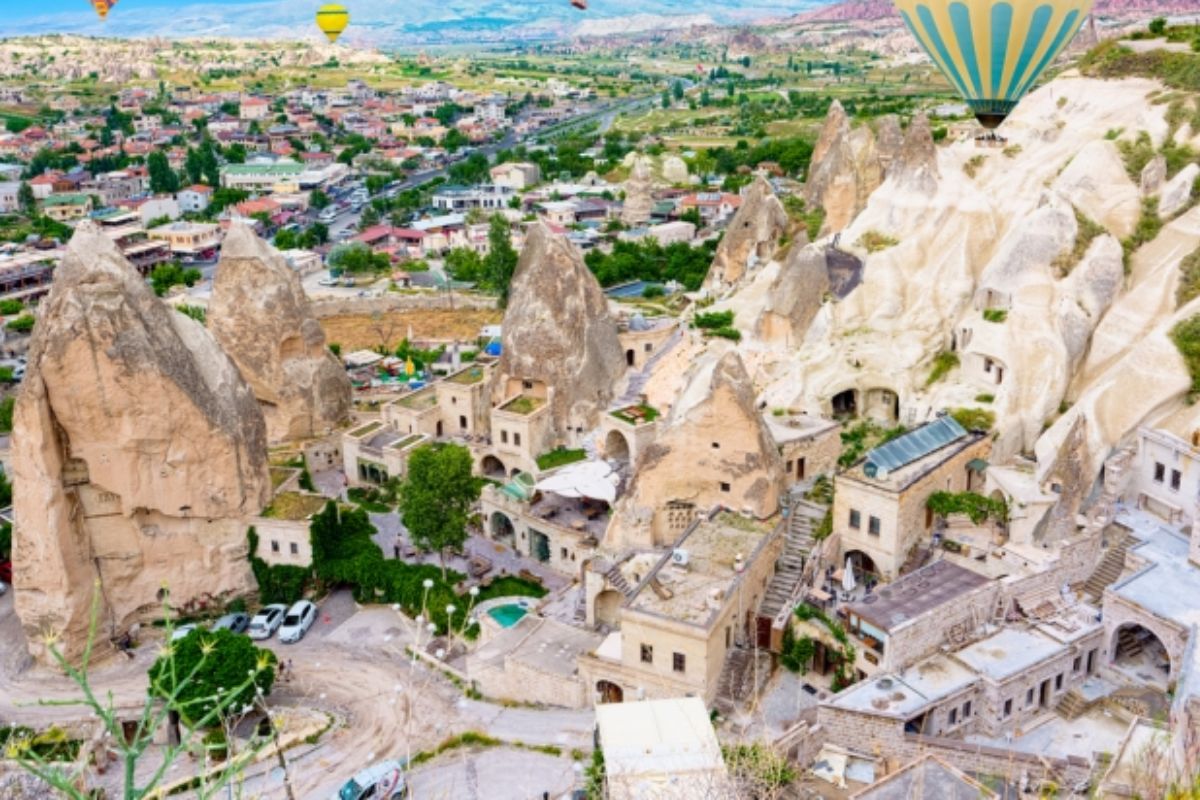
In a volcanic landscape sculpted by erosion, the underground cities are complemented by fairy chimneys and rock sanctuaries that preserve human traces since the 4th century.
The underground cities of Göreme, in Cappadocia, are not just a tourist curiosity. They are part of a rare set of rock-hewn dwellings that reveal how human communities adapted to an extreme territory, shaped by erosion and a volcanic geography that created valleys, pinnacles, and formations known as fairy chimneys.
In this setting, the underground cities coexist with troglodyte villages, convents, rock churches, and decorated sanctuaries, forming one of the most extensive and impressive cave dwelling complexes in the world, with records of occupation dating back to the 4th century.
Where Göreme is located and why the landscape is so different
The Göreme National Park and the Rock Sites of Cappadocia are located in the Central Anatolian plateau, in a volcanic landscape sculpted by erosion. The area encompasses the region between the cities of Nevşehir, Ürgüp, and Avanos, as well as sites like Karain, Karlık, Yeşilöz, and Soğanlı.
-
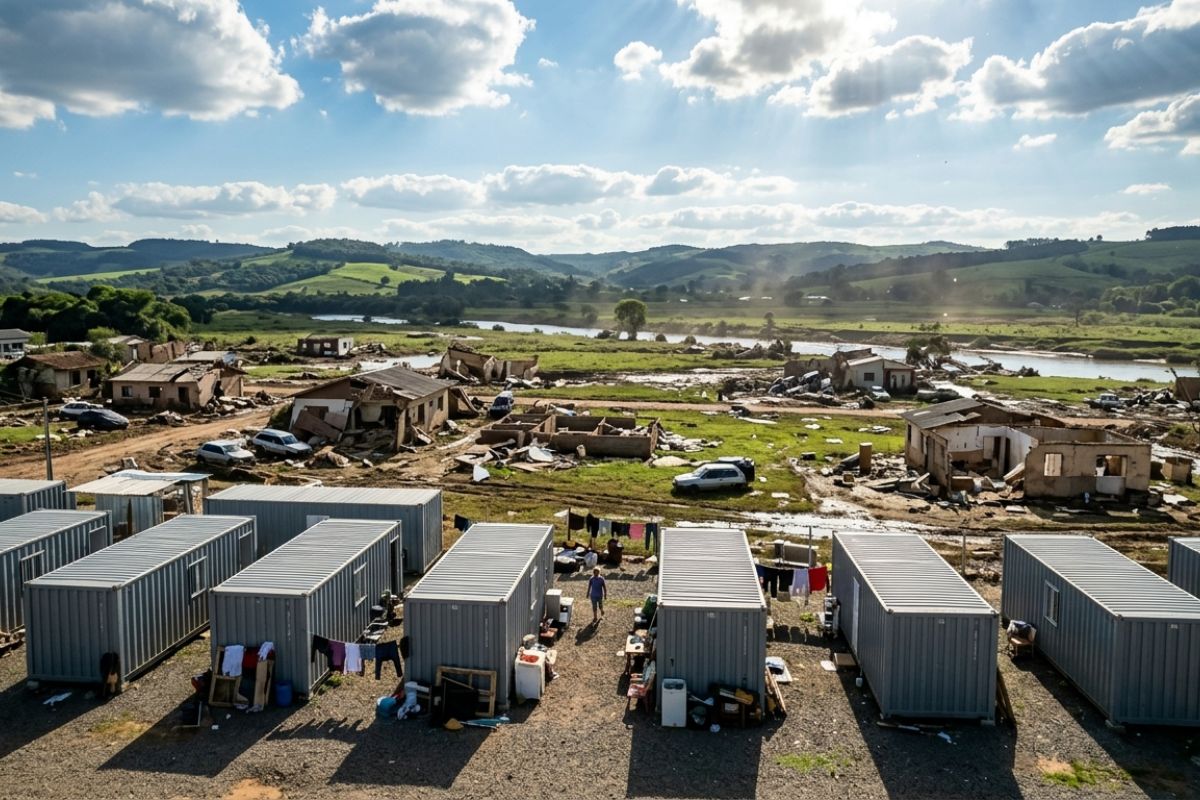
Two years after the floods, Rio Grande do Sul still has ghost villages, uprooted houses, and families in containers with sewage; unfulfilled promises without official response and donations become the last chance to start over.
-
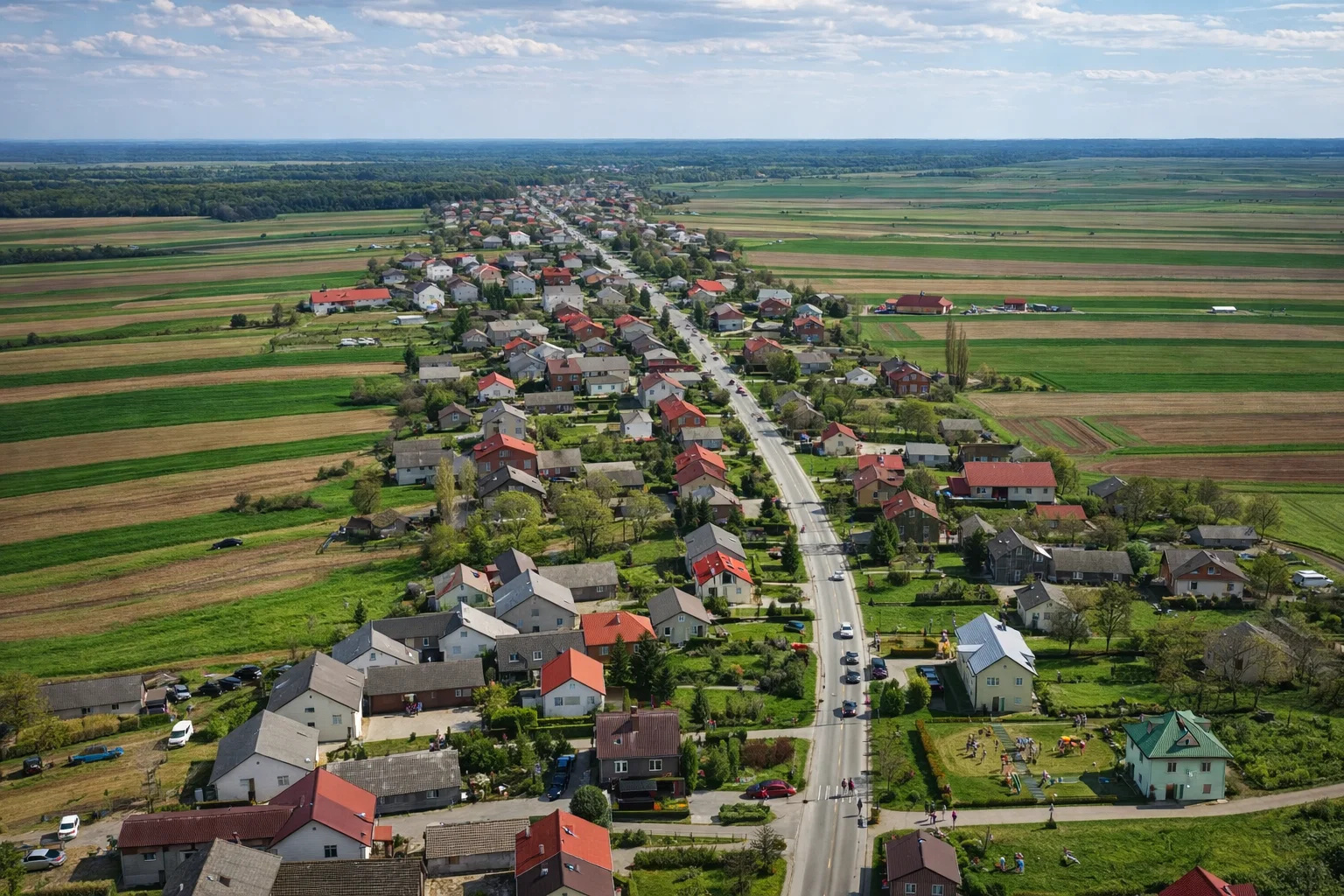
With around 6,000 residents on a single 9 km street, a village in Poland maintains a strong sense of community, cultivates strawberries and potatoes, and becomes the target of a false image created by artificial intelligence.
-
Sleeping at different times each day can be a bomb for your heart and even double your risk of having a heart attack.

-
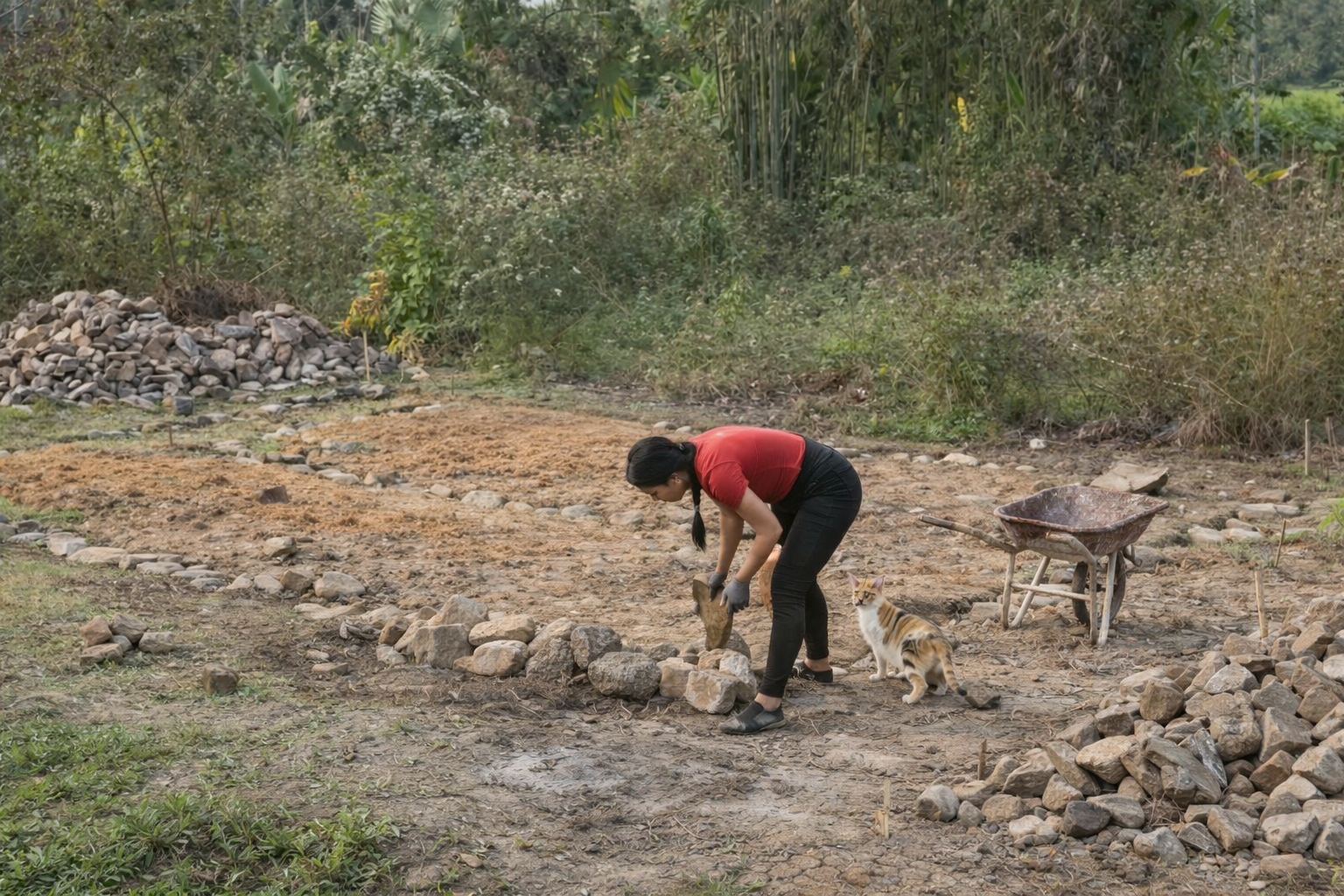
Without help and without heavy machinery, a woman builds a house from scratch with stone, wood, and cement, erects a chimney, creates a complete leisure area, and transforms an empty lot into her dream home.

The terrain is marked by mountain ranges, valleys, and pinnacles that have earned the nickname fairy chimneys, resulting from erosive processes acting on volcanic rocks. It is this “natural architecture” that allowed humans to create architecture by removing material, excavating the rock instead of building with bricks.
Why the underground cities became part of survival
The underground cities emerged as a response to a very concrete historical problem: security. The description of the site indicates that the earliest signs of monastic activity in Cappadocia date back to the 4th century, when communities of hermits, following the teachings of Basil the Great, Bishop of Kayseri, began to inhabit cells excavated in the rock.
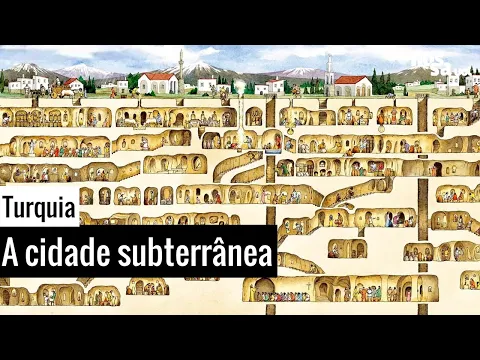
In later periods, in the face of Arab invasions, these communities began to unite in troglodyte villages or in underground cities that served as refuge, such as Kaymaklı and Derinkuyu. The logic was simple and powerful: to hide within their own land, using the rock as shelter and protection.
Rock-hewn churches and preserved Byzantine art

In addition to the underground cities, Göreme stands out for the density of rock sanctuaries and churches. The site offers unique evidence of Byzantine art in the post-iconoclastic period, particularly in the decoration of many sanctuaries.
The Cappadocian monasticism was already well established during the iconoclastic period, between 725 and 842, when many spaces maintained a strict minimum of symbols, often carved or painted crosses. After 842, however, many rock churches were excavated and richly decorated with figurative paintings in vibrant colors.
In the Göreme Valley, the base mentions churches such as Tokalı Kilise and El Nazar Kilise from the 10th century, Santa Bárbara Kilise and Saklı Kilise from the 11th century, and Elmalı Kilise and Karanlık Kilise from the late 12th to early 13th century. It is an artistic snapshot that transforms the rock into a living archive of a historical period.
A “fossilized” human habitat since the 4th century
The set of rock dwellings, troglodyte villages, convents, churches, and underground cities preserves the “fossilized” image of a province of the Byzantine Empire between the 4th century and the arrival of the Seljuk Turks in 1071.
This continuity helps explain why Cappadocia is seen as a remarkable example of traditional human settlement.
The underground cities do not arise in isolation; they fit into an entire way of life, combining housing, refuge, worship, and community organization within the rock formations.
Why the place is considered a World Heritage Site
The Göreme National Park and the Rock Sites of Cappadocia are recognized as a World Heritage Site for simultaneously bringing together cultural and natural values.
The description highlights the quality and density of the rock sanctuaries as a unique artistic achievement, as well as the essential testimony of a civilization that has disappeared.
The natural aspect also weighs in: in a landscape that dramatically demonstrates erosive forces, Göreme and its surroundings offer a recognized display of rock formations and erosive features of great beauty, interacting with the cultural elements of the landscape.
What threatens the underground cities and rock sites

The base points out a delicate issue: the same erosive process that created the fairy chimneys continues to act, and this means that natural and cultural values may be threatened if land use is not sustainable.
There are reports of overuse by tourists, vandalism, and the introduction of structures incompatible with the site. Some cones and pillars have suffered damage due to earthquakes, which is considered a natural phenomenon.
The greater risk, however, falls on cultural elements that may be irretrievable if compromised by erosion and natural processes, compounded by the pressure of mass tourism and development.
In this context, the underground cities are part of a fragile balance: they are resilient because they are “inside” the rock, but they are part of a heritage system that depends on careful conservation and management.
Legal protection and land management in Göreme
The site is subject to legal protection in Turkey, based on laws protecting cultural and natural resources and the national parks law.
Management and monitoring are the responsibility of national and regional government administrations, with regional conservation councils involved in the registration and approval of restoration works.
The base also mentions that the existing land use and conservation plan, originally from 1981, has undergone review and update with studies completed in 2003.
Among the decisions is strict control of the physical growth of cities located in conservation sites, as well as capacity limits for hotel developments. The idea is to reduce the impact of tourism without eliminating access, because access exists and is part of the challenge.
Why the Göreme valley looks like a maze
The “maze” of Cappadocia arises from the meeting between nature and human intervention. On one side, erosion sculpted valleys, mountain ranges, and pinnacles. On the other, communities transformed the rock into housing, churches, refuge, and passage.
When visitors see fairy chimneys, excavated sanctuaries, and underground cities in the same territory, the feeling is of a place that was not set up to impress, but ended up impressing because it carries function, history, and landscape in layers, as if the valley itself holds centuries within it.
If you could visit Göreme, would you enter the underground cities knowing they are a maze excavated in the rock, or would you prefer to stay only in the churches and viewpoints of the landscape?



Seja o primeiro a reagir!