





 Portuguese
  English
  Spanish
  5 min of reading
  0 comments


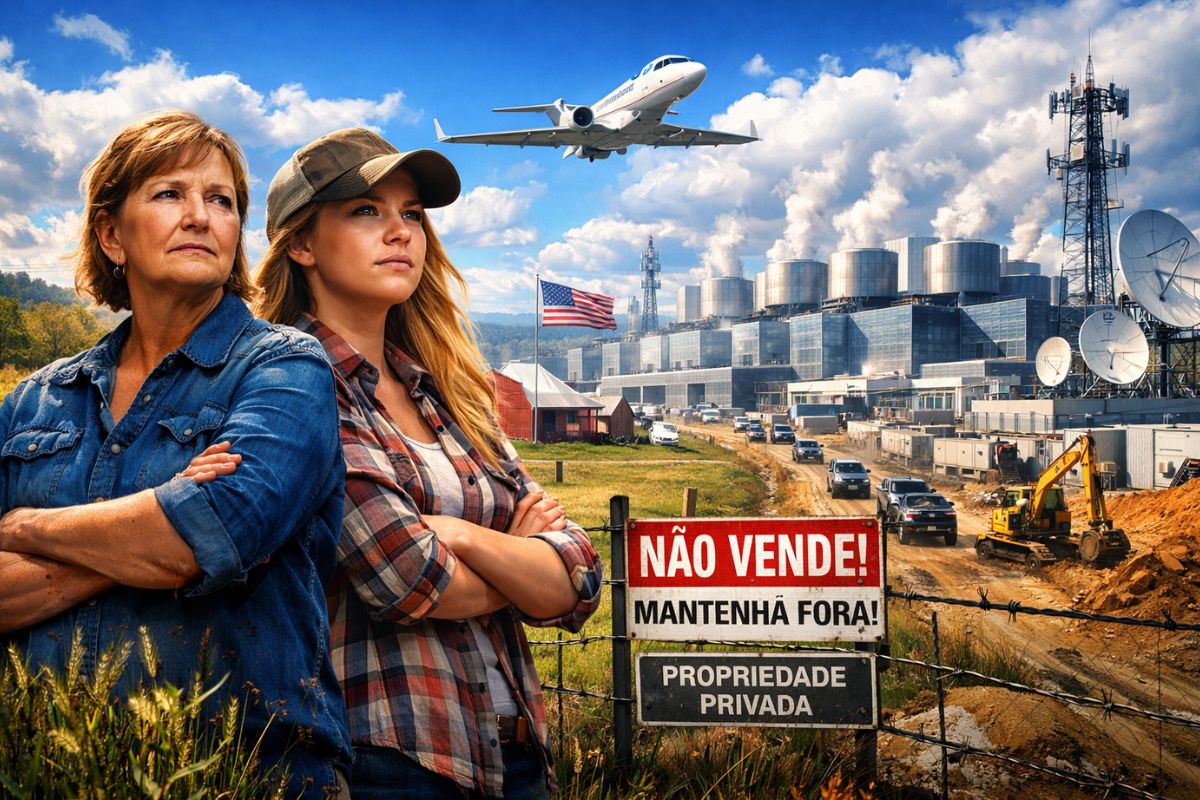
A million-dollar offer of 26 million dollars was not enough to convince Delia and her mother Ida to sell their lands in Kentucky, United States. An unnamed technology company wants to build the largest data center in the state on more than 2 thousand acres of rural land, but they both said the land is invaluable and they would make the same decision again.
A mother and daughter from rural Kentucky, United States rejected a million-dollar offer of 26 million dollars for their land and said they would do it all over again without hesitation. The proposal came from a technology company whose name has not been disclosed, which intends to build the largest data center in the state on more than 2 thousand acres of rural properties in Mason County, an area where local families have lived off agriculture for generations.
Ida, the mother, had a straightforward response: “My land is not for sale. I have never put up a for sale sign. I never wanted to sell. I never dreamed of thinking about selling my land.” For Delia and Ida, the million-dollar offer simply does not buy what they truly need because, in their words, if the land were to go away, there would be nothing else they wanted. The property is not just a real estate investment. It is where the family has barbecues, celebrates Christmas, and keeps alive a farming lifestyle that has been passed down for generations.
Why 26 million dollars was not enough to buy the land

The million-dollar offer represented tens of thousands of dollars per acre, an amount that, in any conventional financial calculation, would make selling a rational decision.
-
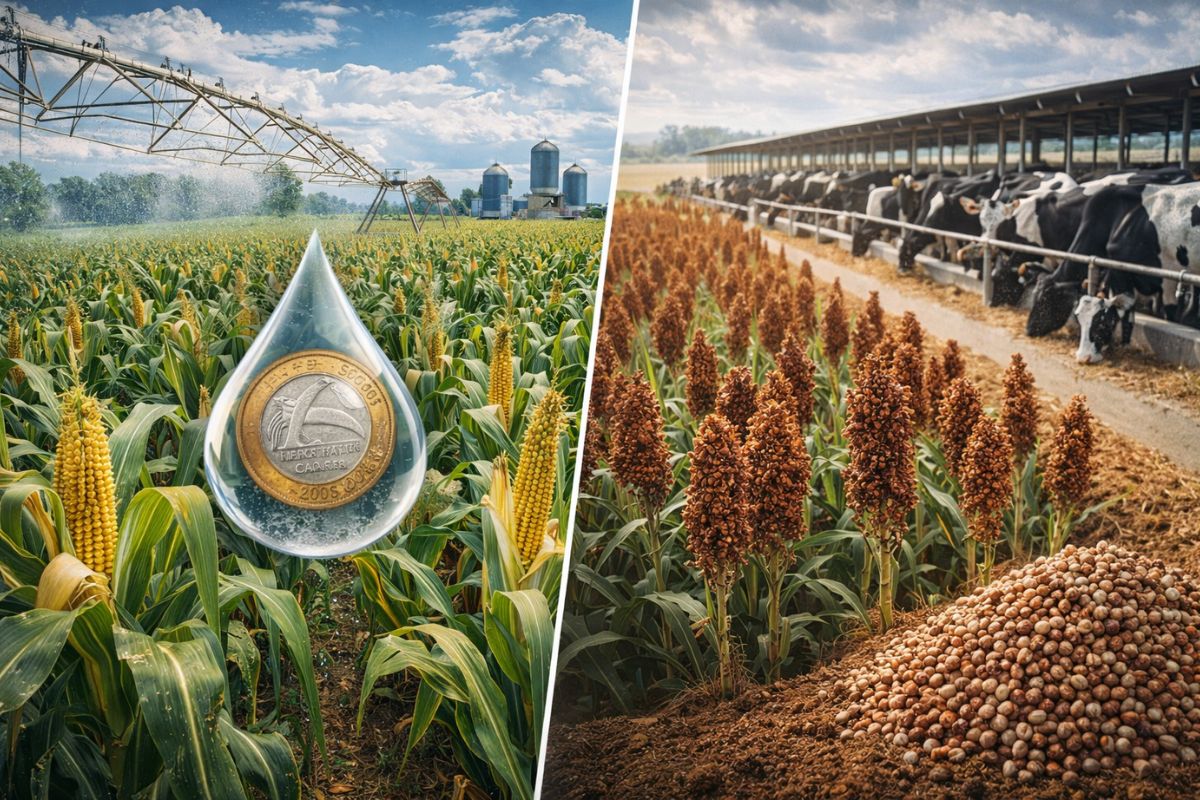
While corn requires rain and is expensive, sorghum produces almost the same volume per hectare at a cost up to 80% lower and uses less water, and it is revolutionizing dairy farming in the Triângulo Mineiro, where producers save hundreds of reais per hectare.
-
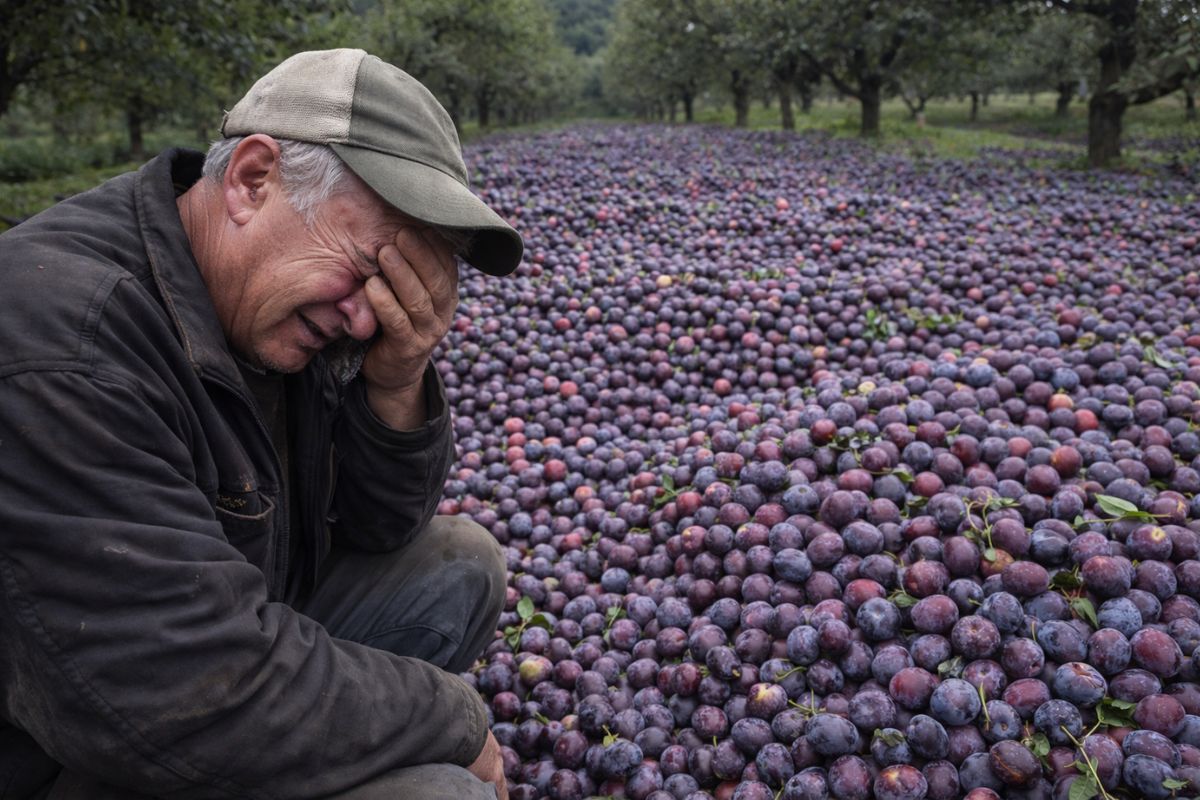
A rural producer from Urubici cries as he shows 50 tons of plums thrown on the ground because no one wanted to buy them, and in desperation, he records a video asking anyone to come to the property to pick the fruits before they rot.
-
Unable to pass through Hormuz, Brazil activated a plan B that uses Turkey as a gateway to the Middle East: the route through Gibraltar and the Mediterranean is longer and more expensive but ensures that chicken, beef, and corn continue to reach Arab markets.

-
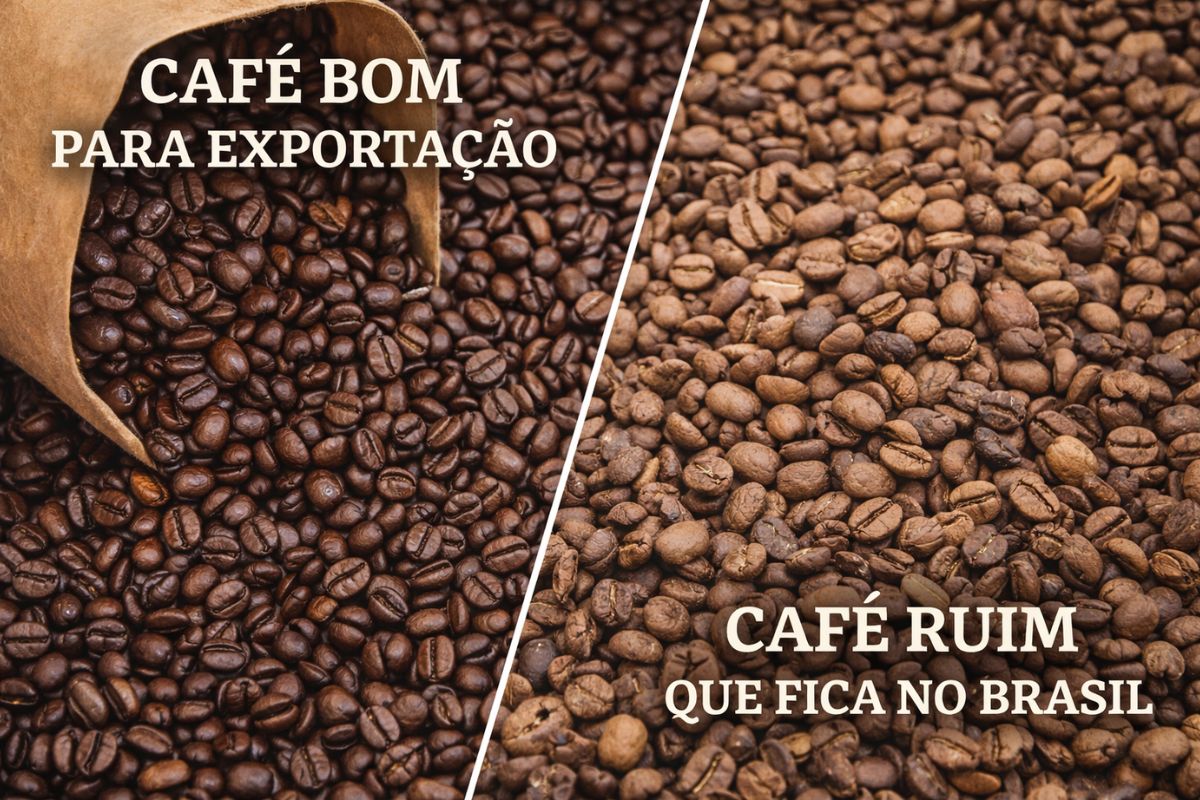
You grew up hearing that the good coffee from Brazil goes all abroad and the bad coffee stays for Brazilians, but this story has completely changed, and the numbers show that in the 1980s, thirty percent of the coffee sold here was adulterated with corn and barley.

But for families who have lived on the same land for generations, the calculation is not financial. It is emotional, cultural, and identity-based.
The land where Delia and Ida live is not a liquid asset that can be replaced by another equivalent. It is the place where grandchildren play, where parties happen, and where every corner carries memories accumulated over decades.
The decision to reject the million-dollar offer also reflects something more pragmatic. If the land were sold, the money would not buy back what would be lost: the neighborhood, the community, the rural landscape, and the way of life.
Buying another property elsewhere would not replicate the relationships built over generations. “It was not a difficult decision,” mother and daughter stated, “and we would make the same decision again.”
The mysterious company behind the largest data center in Kentucky
What makes the story even more unsettling for residents is that the company behind the million-dollar offer has not revealed its identity. It is only known that it is a technology company intending to build a data center on more than 2 thousand acres, which would be the largest project of its kind in the state of Kentucky. The lack of transparency about who is behind the proposal has generated distrust in the local community.
The scale of the project is impressive. More than 2 thousand acres of rural land would be converted into technological infrastructure, which would completely alter the landscape and economic dynamics of the region.
Large data centers require enormous amounts of energy, cooling systems, access roads, and security, meaning the impact would not be confined to the property limits but would spread throughout the neighborhood.
The community that sued the county for answers
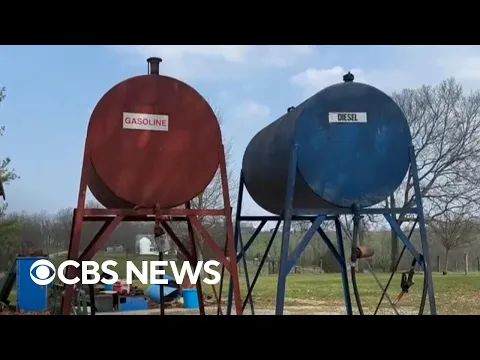

The reaction was not limited to Delia and Ida. A community group called We Are Mason County filed a lawsuit against the county to try to slow down the approval process for the project and, most importantly, to find out which company is behind the million-dollar offer.
Residents want to know who intends to transform their rural lands into a technological complex before any decision is made.
The neighbors’ concerns go beyond the loss of land. They fear that their businesses will be destroyed, that their homes will lose value, and that the rural community they know will cease to exist.
“Please, do not let us down. Our land will… our businesses will be destroyed. Our homes will no longer have value,” pleaded a resident of the area in public testimony. The million-dollar offer, which in theory should represent an opportunity, is seen by many as an existential threat.
What is behind the rush for rural lands for data centers
The Kentucky case is not unique. The global demand for data centers has exploded in recent years, driven by the growth of artificial intelligence, cloud computing, and massive data storage.
Technology companies are buying large tracts of land in rural areas of the United States because these locations offer cheaper energy, ample land, and fewer zoning restrictions than metropolitan areas.
For rural communities, this rush creates a real dilemma. The million-dollar offer brings the promise of capital injection and jobs, but also the risk of irreversible loss of farmland, destruction of century-old communities, and radical transformation of the landscape.
In Mason County, the tension between technological development and preservation of rural way of life has become the center of a debate that is likely to repeat in dozens of similar communities in the coming years.
A decision that goes beyond money
For Delia and Ida, the issue has never been about the value of the million-dollar offer it was about what no amount of money can buy. The land where they live is not just soil and fences. It is the place where family parties happen, where children grow up, where each season brings a routine that has been repeated for generations. Selling would mean ending not just the ownership of a piece of land, but an entire way of life.
The story of the two women from Kentucky who rejected 26 million dollars and said they would do it all over again reveals something that the real estate market rarely manages to price: the value that people assign to a place when it represents identity, memory, and family continuity.
As technology companies continue to seek land for their data centers, decisions like those of Delia and Ida remind us that not everything that has an owner is for sale.
With information from the Channel CBS news.
And you, would you accept a million-dollar offer for your family’s land, or are there things that are priceless? Leave your opinion in the comments.








Seja o primeiro a reagir!