





 Portuguese
  English
  Spanish
  3 min of reading
  1 comment


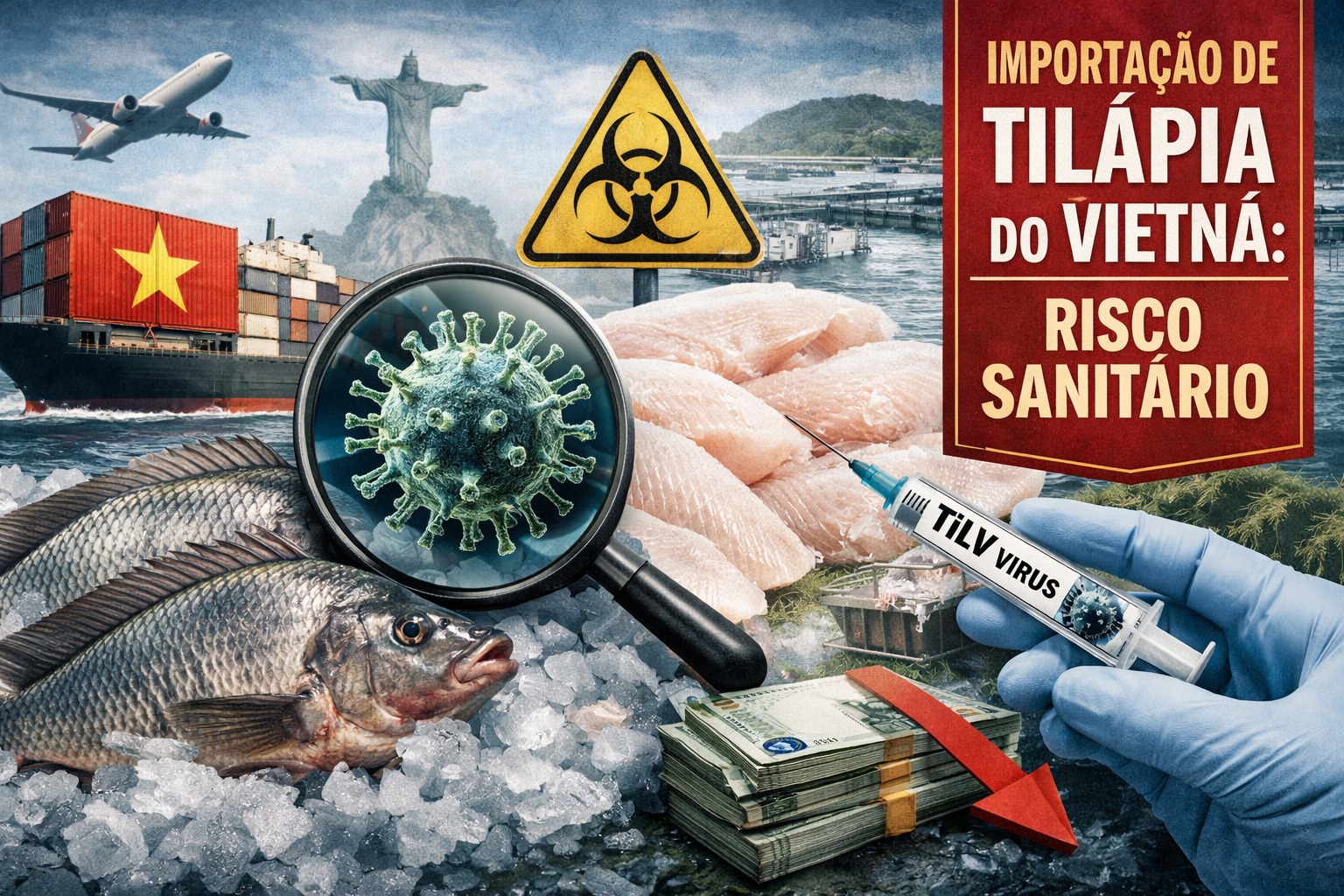


Advancement of Tilapia Importation from Vietnam After Temporary Suspension of Exotic Species List Reignites Debate on Sanitary Standards, Water Content in Freezing, Labeling, and Economic Impact on the Brazilian Fish Market
The Brazilian fish market faces a new regulatory challenge with the possibility of including tilapia as an invasive exotic species and the advancement of imports from Vietnam, a subject that mobilizes producers, agribusiness entities, and consumers due to its economic and sanitary importance.
Even with the temporary suspension of the exotic invasive species list, the discussion remains active among national producers and representatives of the Brazilian aquaculture sector.
The main concern revolves around the increasing entry of Vietnamese tilapia into the domestic market, intensifying competition with local production.
-
The eggshell that almost everyone throws away is made up of about 95% calcium carbonate and can help enrich the soil when crushed, slowly releasing nutrients and being reused in home gardens and vegetable patches.

-
This farm in the United States does not use sunlight, does not use soil, and produces 500 times more food per square meter than traditional agriculture: the secret lies in 42,000 LEDs, hydroponics, and a system that recycles even the heat from the lamps.

-
The water that almost everyone throws away after cooking potatoes carries nutrients released during the preparation and can be reused to help in the development of plants when used correctly at the base of gardens and pots, at no additional cost and without changing the routine.
-
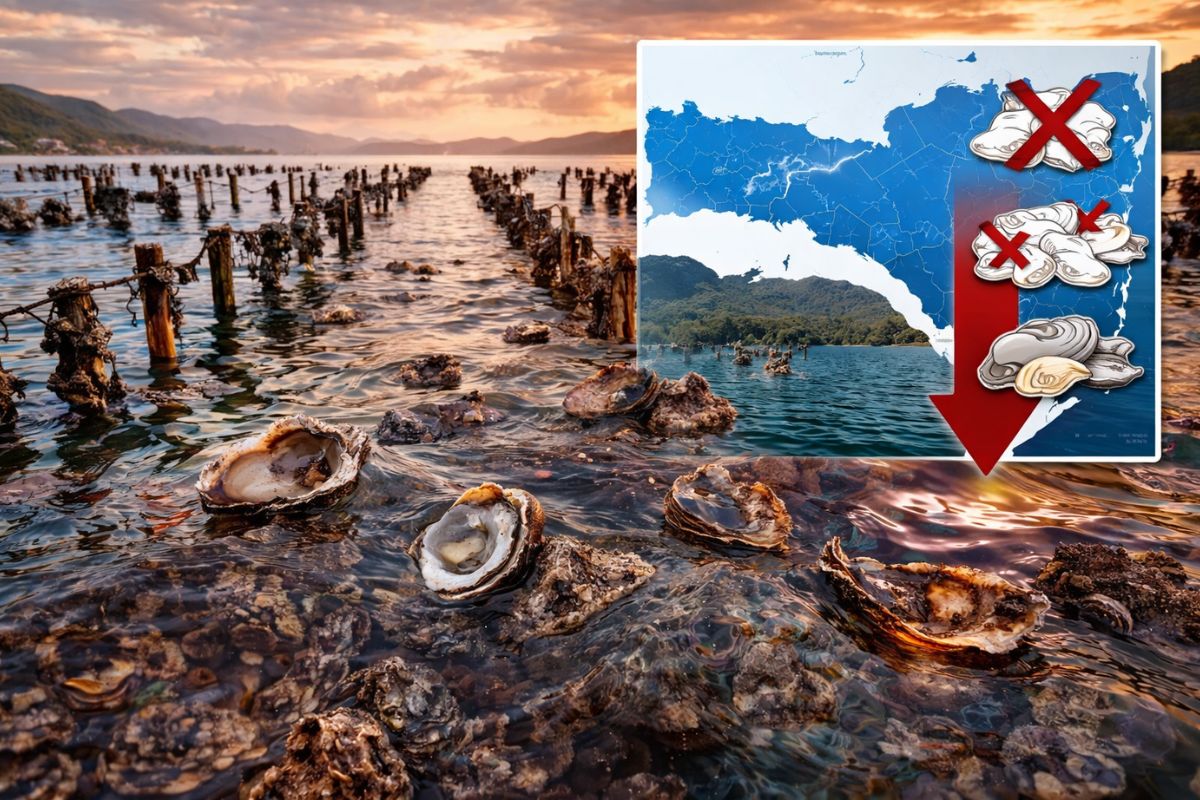
The sea water temperature rose from 28 to 34 degrees in Santa Catarina and killed up to 90% of the oysters: producers who planted over 1 million seeds lost practically everything and say that if it happens again, production is doomed to end.

According to producers, the situation creates regulatory asymmetry and directly impacts the competitiveness of the tilapia production chain in Brazil.
Nathalia Rabelo, agribusiness analyst at Sistema Faemg Senar, assesses that the problem lies not in consumption, but in the rules applied.
According to the analyst from Sistema Faemg Senar, tilapia consumption remains strong; however, the imported supply does not meet the same national standards.
She highlights that regulatory differences compromise fair competition and create price distortions along the production chain.
Differences in Processing and the Final Weight of the Frozen Product
One of the central points of the debate involves the industrial processing of tilapia sold in Brazil and Vietnam.
According to Brazilian standards, inspection rules limit the addition of water during freezing and control the glazing applied to the fillet.
These rules ensure that the consumer pays for the actual weight of the fish, with oversight on the protective ice layer.
In Vietnam, industrial methods allow for a significantly higher water content incorporated into the final frozen product.
In practice, this process alters weight, texture of the meat, and the effective value of the kilogram sold.
“The Brazilian will not stop eating tilapia, but the entry of the Vietnamese product brings a fish outside of our standards,” warned Rabelo.
According to her, the excess water masks prices and compromises the quality perceived by the end consumer.
Sanitary Concerns and the Risk of Lake Tilapia Virus
Beyond the commercial dimension, the debate includes sanitary risks associated with the import of Asian fish.
Vietnam reports occurrences of TiLV, the lake tilapia virus, which is currently absent in Brazilian waters.
The introduction of the pathogen through processed or fresh fish represents a systemic risk to production hubs.
Producing regions like Morada Nova de Minas, in Minas Gerais, could suffer severe impacts in case of contamination.
Producers point out that outbreaks of the virus cause high mortality in farming tanks, affecting local supply and income.
For the sector, strict sanitary control is a basic condition to preserve food safety and production stability.
Defense of Clear Labeling and Consumer’s Right to Information
In light of the impossibility of restricting free trade, the productive sector seeks defensive regulatory alternatives.
Sistema Faemg and CNA advocate for a reinforcement of the requirement for transparent labeling for imported products.
The proposal aims to ensure that consumers can easily identify the Vietnamese origin of the fish being sold.
Detailed information about the processing method and the composition of the frozen product is also sought.
Another central point is clear information about the water content present in the commercial packaging.
For Nathalia Rabelo, transparency is essential to allow fair comparison between national and imported products.
Without this information, Brazilian producers lose ground even when investing in genetics, health, and sustainability.
As a precedent, the sector assesses that the discussion about the list of invasive species has opened a broader debate.
The topic now encompasses international trade, sanitary defense, and consumer rights in the Brazilian fish market.
With information from Itatiaia.









Desculpa de tudo que é jeito é vírus é água no congelamento e tudo mais quando na verdade é só conversa fiada é sim a fim de querer barrar para continuar com os preço interno no país nas alturas