





 Portuguese
  English
  Spanish
  9 min of reading


The Search For Cleaner And Cheaper Energy Sources Is Becoming Increasingly Common On The Planet. Ultimately, It Is Of Paramount Importance For The Future Of Humanity That Everyone Engage In Sustainable Actions. And Here In Brazil, What Drives This Search Is The Surge In Prices On The Electricity Bill.
Renewable energies come from inexhaustible sources such as wind and natural light that are captured by panels. These panels are installed on rooftops of buildings or grouped in so-called solar farms. However, another alternative within this modality is presenting itself for the near future: solar paint.
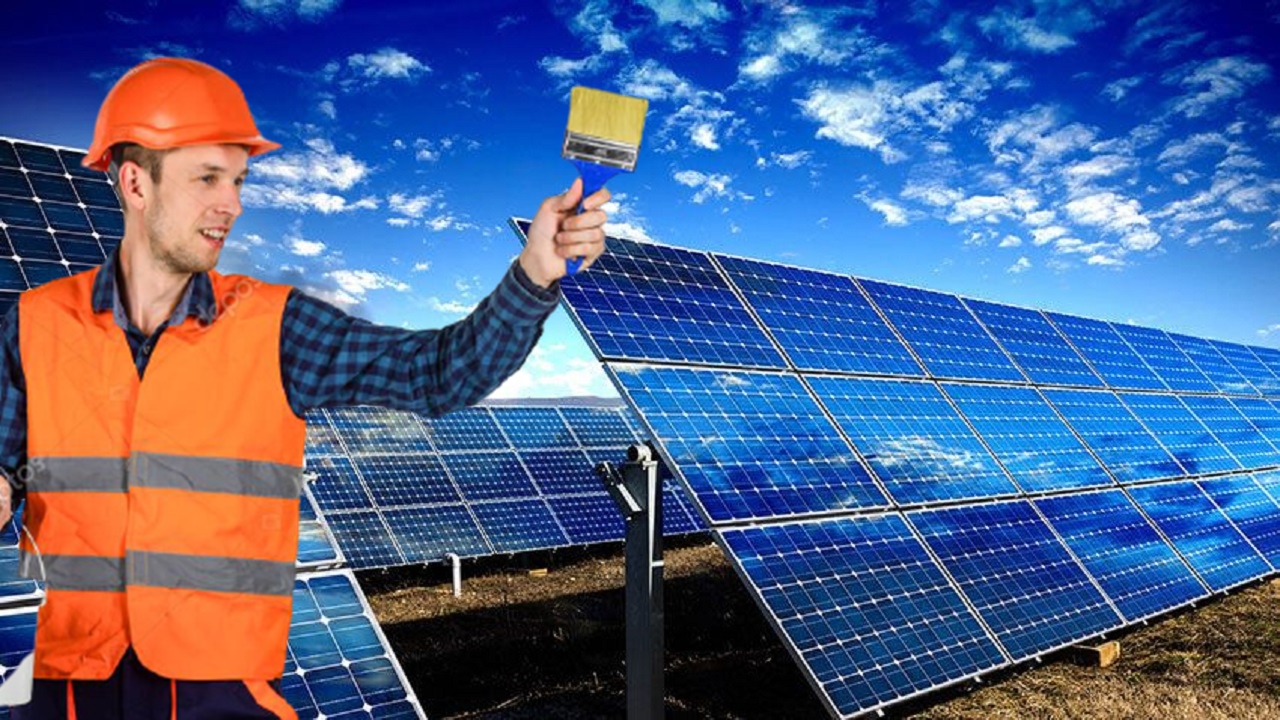
Solar paint is being studied and developed by researchers from various research centers around the globe. The application would be simple, on the roof or walls, just like conventional wall paint.
Initially, solar paint for energy generation only serves a complementary function, as it still does not have the same performance as solar panels. Its current capacity is only 3% to 8% of solar energy that falls on the painted surface.
-
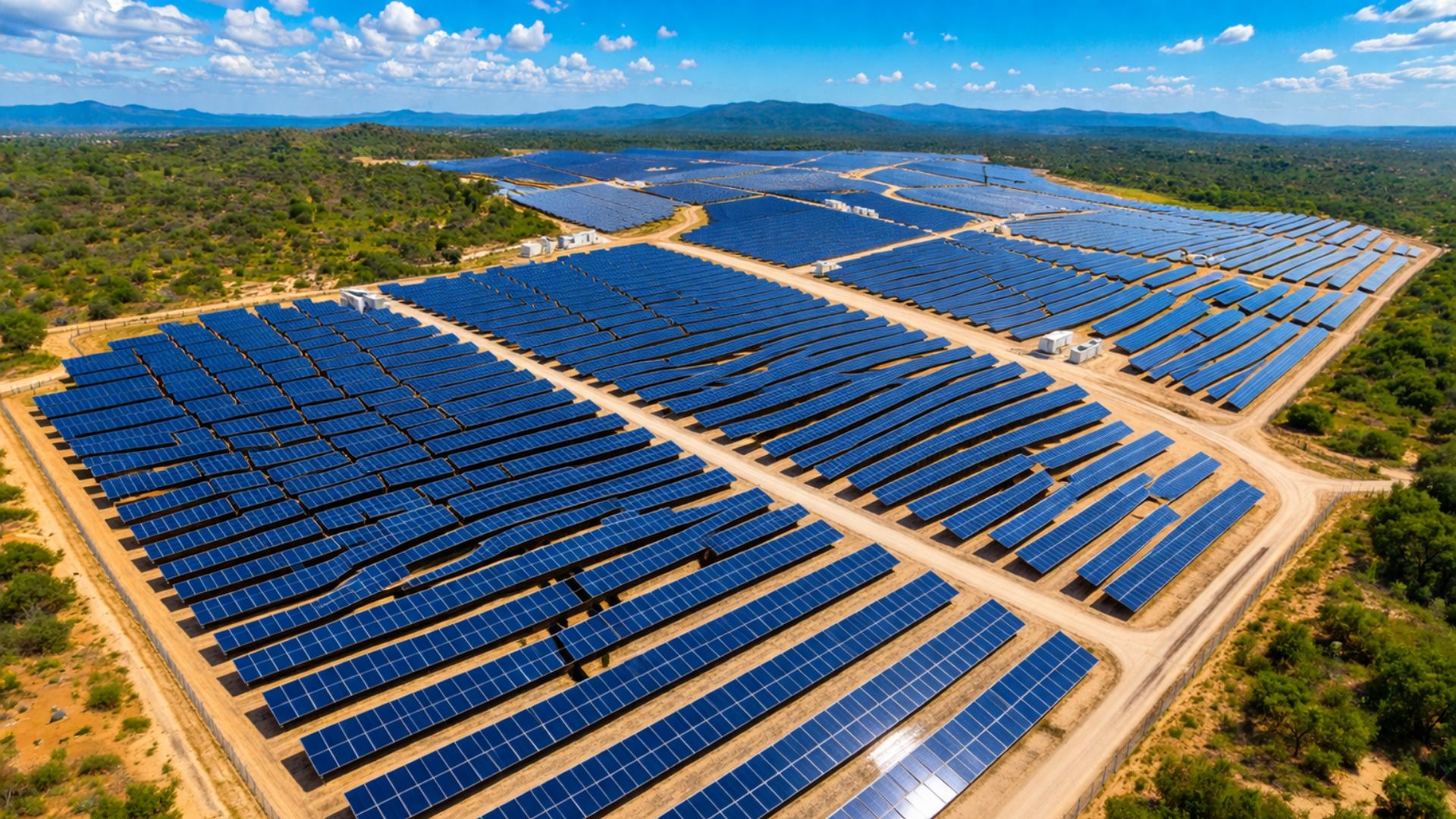
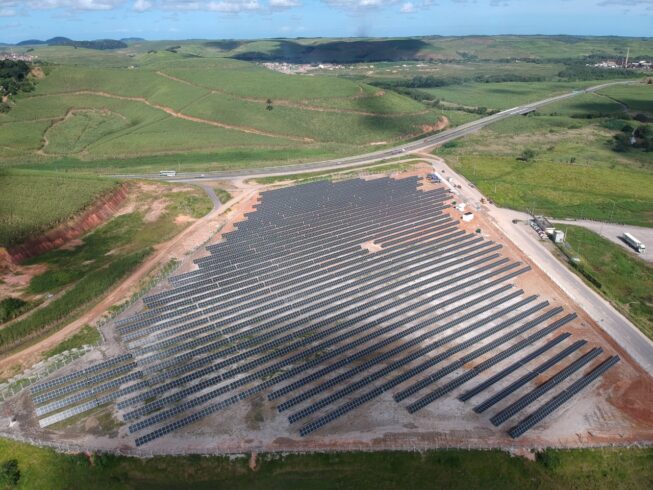
The Sol do Agreste Photovoltaic Complex begins operations in Pernambuco and accelerates the expansion of solar energy in Brazil, directly impacting the reduction of emissions and strengthening the sustainable energy matrix.
-
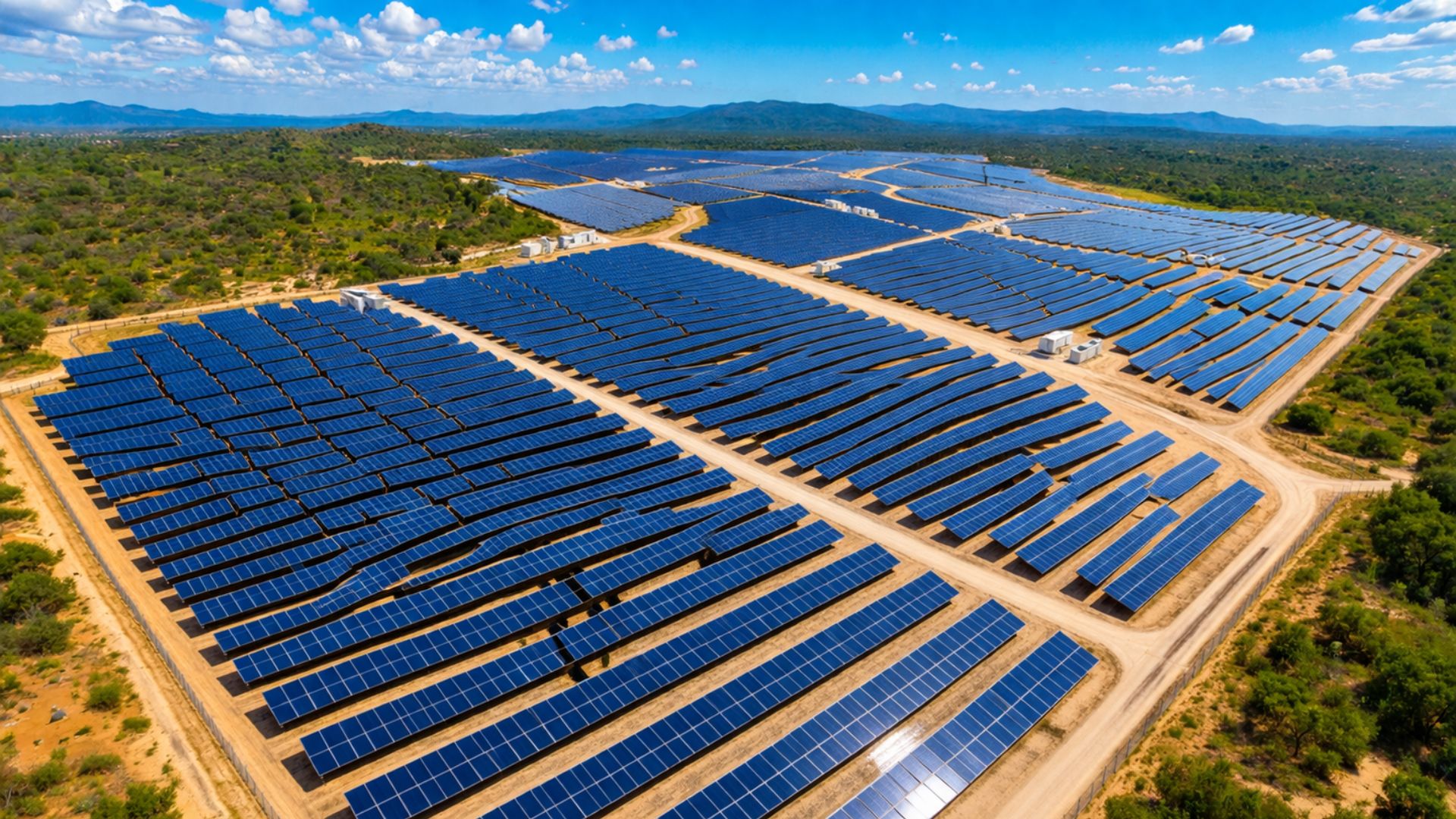
The Sol do Agreste Photovoltaic Complex begins operations in Pernambuco and accelerates the expansion of solar energy in Brazil, directly impacting the reduction of emissions and strengthening the sustainable energy matrix.
-
Renewable energy advances over protected areas in Brazil, and a survey by the Energy Transition Observatory reveals silent impacts that challenge environmental conservation and pressure sensitive traditional territories.

-
Rio Grande do Sul accelerates energy transition: State invests in renewable technologies and consolidates decarbonization strategies and pathways to attract billions in new industrial investments.


Video: How to Generate Energy Using Solar Paint

In any case, this solar paint is not widely sold. There is only the registration of the company SolarPaint, in Tel Aviv, the capital of Israel, in the Middle East. Remembering that besides the paint, it is necessary to install the equipment that conducts the generated energy to the consumption site.
However, the intention of specialists is for solar paint to have the potential for large-scale supply. Therefore, three types of this photovoltaic energy capture material are under development.
Solar Paint Riding the High Demand and Photovoltaic Energy Generation
Being a consumer of solar energy is becoming increasingly common worldwide. And as we mentioned above and will delve deeper into this article, Brazil is following the trend, albeit more out of necessity than environmental awareness.
Therefore, we understand that this is a market that will inevitably gain much more traction in society and space in homes and businesses in Brazil and the world. And solar paint is expected to arrive in the near future, either in the wake of other modalities of the kind or as a revolution.
But where do the studies stand? Basically, three types of solar paint are being worked on globally for extensive commerce. They are: the solar paint that produces hydrogen, the solar paint referred to as “nanoscale photovoltaic paint”, and the so-called “Solar Perovskite” paint.
Let’s detail each of them now:
Hydrogen-Producing Solar Paint
The hydrogen-producing solar paint was created at the Royal Melbourne Institute of Technology in Australia. Its function utilizes not only solar light but also the moisture that the sun produces from water evaporation.
The paint collects water vapor from the air and generates electricity. It contains a mixture of compounds, allowing the paint to act as a semiconductor to catalyze water atoms into hydrogen and oxygen using solar energy from air moisture.
Moreover, this solar paint is composed of titanium oxide, also found in conventional wall paints that you use for finishing or renovating your home or business.
Nanoscale Photovoltaic Paint
The nanoscale photovoltaic paint was created by researchers at the University of Toronto in Canada, aimed at increasing the efficiency of solar cells by up to 11%. It contains the functionality of nanoscale semiconductors embedded in a photon absorber.
In practice, the idea is for the solar cells to be sprayed onto flexible surfaces or to print sun-sensitive dots. Thus, the paint could be applied to irregular surfaces, such as airplane wings. Just imagine.
Solar Perovskite Paint
The paint is named after the Russian mineralogist Lev Perovskite. This paint capable of generating electrical energy contains crystalline structures that can act as energy semiconductors.
These semiconductor crystals, named “perovskites”, were discovered in 1839 by Lev Perovskite, are light-absorbing, capable of converting solar light into electrical energy.
In 2014, researchers at the University of Sheffield in England created solar molecules based on perovskites in liquid form, which can be applied by spray method.
In other words, this solar paint would have much less waste and easy application on any surface. For this reason, this formula is also referred to as spray cells.
You May Also Like
- Scientists Develop New Flexible Solar Cell With Performance Superior To Silicon Solar Panels
- Scientists Develop Thermoelectric Paint Capable Of Generating Electrical Energy From Car Exhaust
- Minas Gerais Develops Organic And Transparent Solar Energy Panel
And In Brazil? Are There Studies For The Development Of Photovoltaic Paints?
It Would Be Inevitable That Brazil Would Be In The Race For The Development Of Photovoltaic Paints. After All, The Country Has A Great Potential For Solar Energy Generation. And The Number Of Adopters And Investors In This Modality Is Only Growing.
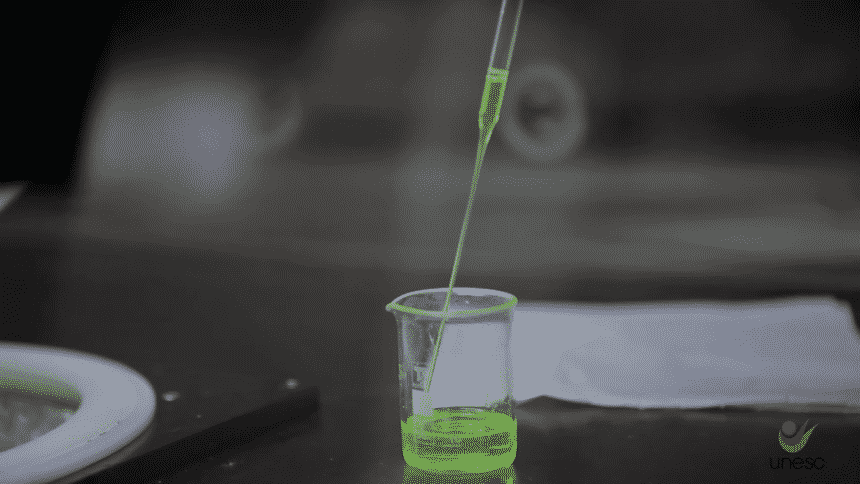
Since August 2012, the University of Extreme South of Santa Catarina (Unesc), in the state of Santa Catarina, has invested about R$ 1 million in studies on solar paint.
The invested funds were for the acquisition of materials and equipment for the researchers’ work, such as gloveboxes, atomic force microscopes, and potentiostats.
The development process of the photovoltaic paint was conducted with a rigorous process of discussions of strategies among doctors, masters, and engineers; various feasibility studies, research, laboratory tests, and result meetings with the financing companies.
“There Was A Group Working On The Development Of Photovoltaic Material. We Had A Group Working On The Development Of The System Component And A Third Working Solely On The Prototype Evaluation”.
Details Professor Dr. Luciano da Silva, Project Coordinator
Professor Dr. Marcos da Silva Paula explains that the development work of photovoltaic paint requires protocols and monitoring.
“A Protocol Was Established, Followed Rigorously Throughout The Development. This Protocol Included The Development Of The Photosensitive Material, All Its Components And Intermediates, Including Toxicological And Cytotoxic Evaluations, Until Achieving The Development Of A Prototype Of An Organic Solar Cell”.
Prof. Dr Marcos da Silva Paula, Researcher
The Brazilian Potential In Generating Solar Electric Energy
The Adoption Of Solar Energy Only Keeps Growing In Brazil. As Mentioned Above, The Search For This Modality Is The Main Way To Escape The High Electricity Bill That Is Affecting All Regions.
The Numbers Regarding The Search For Own Generation Or Through A Shared Network Show That Solar Energy Is A Trend And Dispel The Story That This System “Is For Rich People.”
According To The Brazilian Electricity Regulatory Agency (Aneel), In The First Half Of 2021 Alone, There Were 142,199 New Adoptions By Consumers For Solar Energy.
In The Same Period Of 2020, There Were 98,502 Consumers Who Adopted The Photovoltaic Modality At Home Or In Their Own Business. This Is A Difference Corresponding To Over 44%.
The Most Common Ways To Adopt Solar Energy Are Through The Installation Of Panels On Individual Roofs, Which May Require Construction Work But Yield Considerable Savings.
Or Through Contracting Solar Energy Subscription Companies That Work With The Local Electricity Distributors, Which Guarantee Up To 20% Discount On The Electricity Bill.
The Generation Of Solar Energy In Brazil Is Expected To Grow 67% This Year Of 2021, According To The Monthly Energy Bulletin Produced By The Ministry Of Mines And Energy. The Document Indicates That The Solar Energy Produced In The Country Should Reach 18 Terawatt-hours, Compared To 10.7 Terawatt-hours Produced In 2020.
Renewable Energies Can Reduce Damage To Nature And Even Eliminate The Risk Of Blackouts
The Concept Of A Sustainable World Is To Utilize What The Planet Offers Without Compromising Future Generations. They Are Based On Actions That Must Be Practiced Now, From Avoiding Littering To Using Renewable Energies And Even Political Incentives In This Direction.
In 2020, However, Brazil Went Against The Grain Of The World, Increasing Greenhouse Gas Emissions During The Pandemic. There Was A 9.5% Increase In 2020.
In Total, 2.16 Billion Tons Of Carbon Dioxide Were Emitted, The Highest Level Since 2006. And The Deforestation Of The Amazon Has A Direct Relation To This Pollution, In Addition To The Ongoing Water Crisis That Is Already The Worst In The Last 91 Years And The Risk Of Electrical Energy Rationing.
The Deforestation Alert System Of The Amazon Institute Of Man And Environment (Imazon) Registered 10,476 Km² Of Deforested Area In The Amazon From August 2020 To July 2021. This Is The Fastest Rate Of Devastation In The Last 10 Years.
With Fewer Trees, The Rain Process Decreases: Trees Drain Moisture And Return It To The Air Carried By Wind. With Less Rain, Reservoirs Do Not Reach The Desired Average For Electricity Supply.
The Reservoirs – Or The Hydroelectric System – Are The Main Way Of Energy Generation In Brazil. They Account For 75% Of The Electrical Energy Produced, Representing 42% Of The Brazilian Matrix.
In Other Words, There Is A Dependence On Rain To Prevent Blackouts. However, To Avoid A Supply Shortage, Thermoelectric Plants Are Activated To Distribute Electrical Energy.
Thermoelectric Plants, On The Other Hand, Are Powered By Fossil Fuels. And The Operation Costs Are Passed On To Consumers Through Tariff Flags. In Other Words, We Are Paying A High Price For Energy That Is Harmful To The Environment.
Tariff Flag Prices:
- Water Scarcity Flag: R$ $ 14.20 For Every 100 KWh Consumed (Currently Established Flag)
- Red Flag Level 2: R$ 9.49 For Every 100 KWh Consumed
- Red Flag Level 1: R$ 3.97 For Every 100 KWh Consumed
- Yellow Flag: R$ 1.87 For Every 100 KWh Consumed
- Green Flag: No Extra Charge (With No Prospect Of Returning)
The Solution, Therefore, For This Complex System Of Generation, Supply, And Charging Lies In Renewable Energies. Solar Energy Leads As The Most Accessible, With A Variety Of Existing Modalities And Those On The Way, Such As Solar Paint.
Numbers Already Indicate That The Solar Plant Market Is Larger Than Thermoelectric Plants
As We Detailed Above, The Thermoelectric System Is Still Important For Current Times, But It Needs To Be Extinguished One Day And Renewable Energy Needs To Be Consumed More And More For A Sustainable Future.
Numbers Indicate That The Solar Plant Market Already Surpasses That Of Thermoelectric Plants Amid The Water Crisis Affecting Brazil. According To A Survey Conducted By The Brazilian Association Of Photovoltaic Solar Energy (Absolar), There Are 3.8 Gigawatts (GW) In Solar Plants. Meanwhile, Thermoelectric Plants Produced 3.6 GW.
In Order To Surpass Coal – The Main Fuel Of Thermoelectric Plants – Solar Plants Assume The Sixth Position As The Largest Source Of Electrical Energy Generation In Brazil.
The Main Enterprises In Operation Are Located In The States Of Bahia, Ceará, Paraíba, Pernambuco, Piauí, And Rio Grande Do Norte, São Paulo, Tocantins, And Minas Gerais. The Latter Is The State That Generates The Most Solar Energy In Brazil.
The Mining Territory Accounts For 18% Of The Entire Brazilian Photovoltaic Solar Power Park. There Are 101,606 Operational Connections In 843 Mining Cities (98.8% Of The 853 Municipalities In The Region).
Currently, There Are About 137,269 Electricity Consumers Who Already Have The Assurance Of Lower Electricity Bills And Greater Electrical Autonomy And Security.
Northern Minas Gerais Is Considered Attractive For The So-Called Solar Farms. These Are Areas Where There Is No Agricultural Production, So The Land Is Cheaper And The Region Is More Favorable For Solar Radiation Index.
One Of The Companies Operating In The State Of Minas Gerais Is Liben. The Company Generates Solar Energy Through Its Own Farm And Distributes It To Customers Through The Network Of The Minas Gerais Electric Company S.A. (Cemig).
This Is A Rental Modality. Consumers, Mostly Small And Medium Business Owners, Do Not Need To Carry Out Installation Work Or Pay Fees. And The Guarantee Of Savings On The Electricity Bill Is Up To 20% Less Than What They Are Currently Paying.
“The Energy Generated Becomes Credits That Will Be Discounted Monthly On The Electricity Bill. In Practice, You Will Have Two Bills: One From The Utility Company And One From Liben. However, The Total Will Be Lower Than Your Current Electricity Bill”
Details Liben CEO Fábio Machado








Seja o primeiro a reagir!