






 Portuguese
  Spanish
  3 min of reading


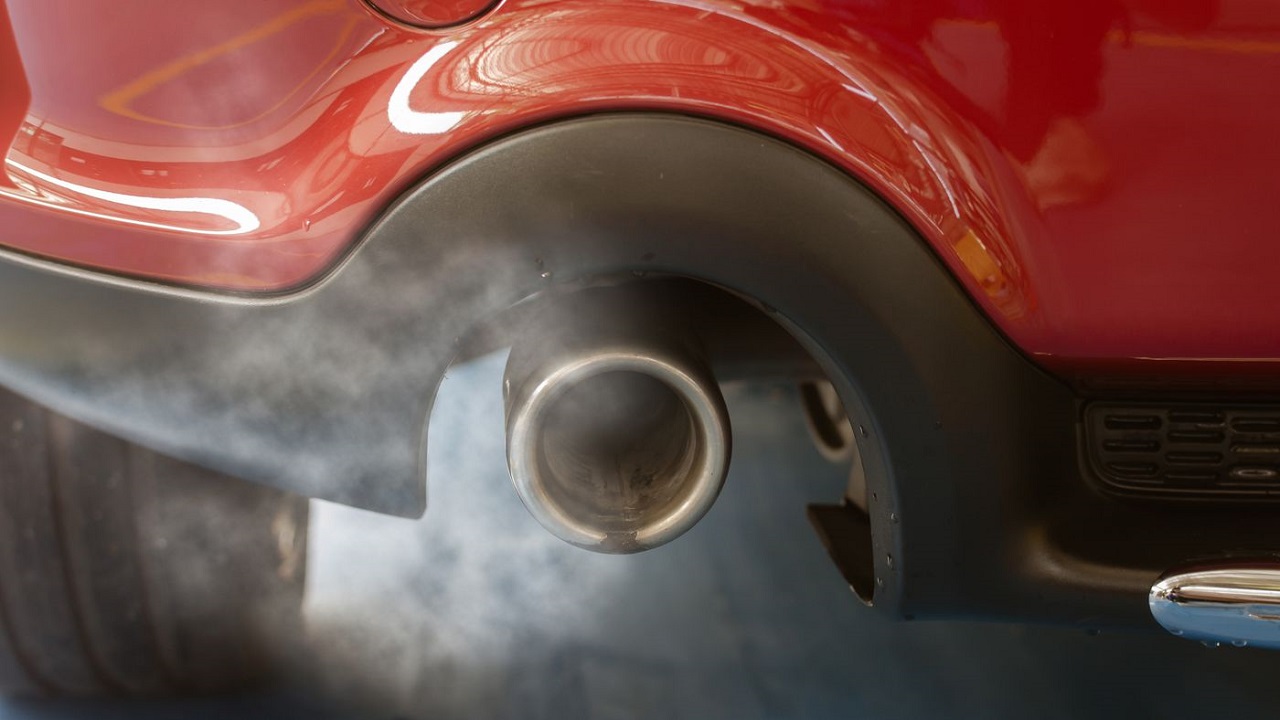
The New Technique of Scientists Used in Thermoelectric Paint Uses a Compound of Lead and Tellurium, Capable of Generating Energy From the Emission of Residual Heat of These Gases Through the Exhaust of Cars
According to Jae Sung Son, a professor of Materials Engineering and the lead author of this study, it is possible to convert the heat generated in factory chimneys into electrical energy. Based on research and various tests, Jae Sung said that such a feat is viable. The professor also states that, until a while ago, this would have been impossible, as the thermoelectric devices that existed had rectangular shapes, making them ineffective. Creating pipes similar to car exhausts brought more satisfactory results to the scientists.
Read Also
Thermoelectric Paint Could Revolutionize the Energy Market
The scientists leading the research project on thermoelectric paint decided to 3D print thermoelectric tubes, precisely due to the ineffectiveness of existing thermoelectric devices. They also chose to mix the metallic material in a glycerol solvent, mainly to increase the viscosity and elasticity of the thermoelectric paint.
The viscosity and elasticity of the thermoelectric paint without additives improved greatly, as surface charges were induced through electronic doping by the researchers in the lab. With all of this, the researchers achieved good results, such as improved performance of the tubes manufactured on the 3D printer.
-
Brazilian scientists are simultaneously advancing two research projects on clean hydrogen and driving solutions that could transform the energy matrix, enhance industrial competitiveness, and accelerate large-scale emission reduction targets.

-
Advancement in renewable energy: A R$ 150 million project launched by Petrobras and Finep aims to create state-of-the-art electrolyzers for green hydrogen, strengthening national research and preparing Brazil to compete in a billion-dollar energy market.
-
Illiterate or semi-literate grandmothers were trained to repair solar systems, open rural workshops, and light up homes that still depended on kerosene.
-
The world has bet on green hydrogen as the fuel of the future, but now faces the side effect: producing 1 kilogram requires about 9 liters of ultrapure water, and the largest projects on the planet are precisely in the driest regions of the Earth, where water is already scarce for people.




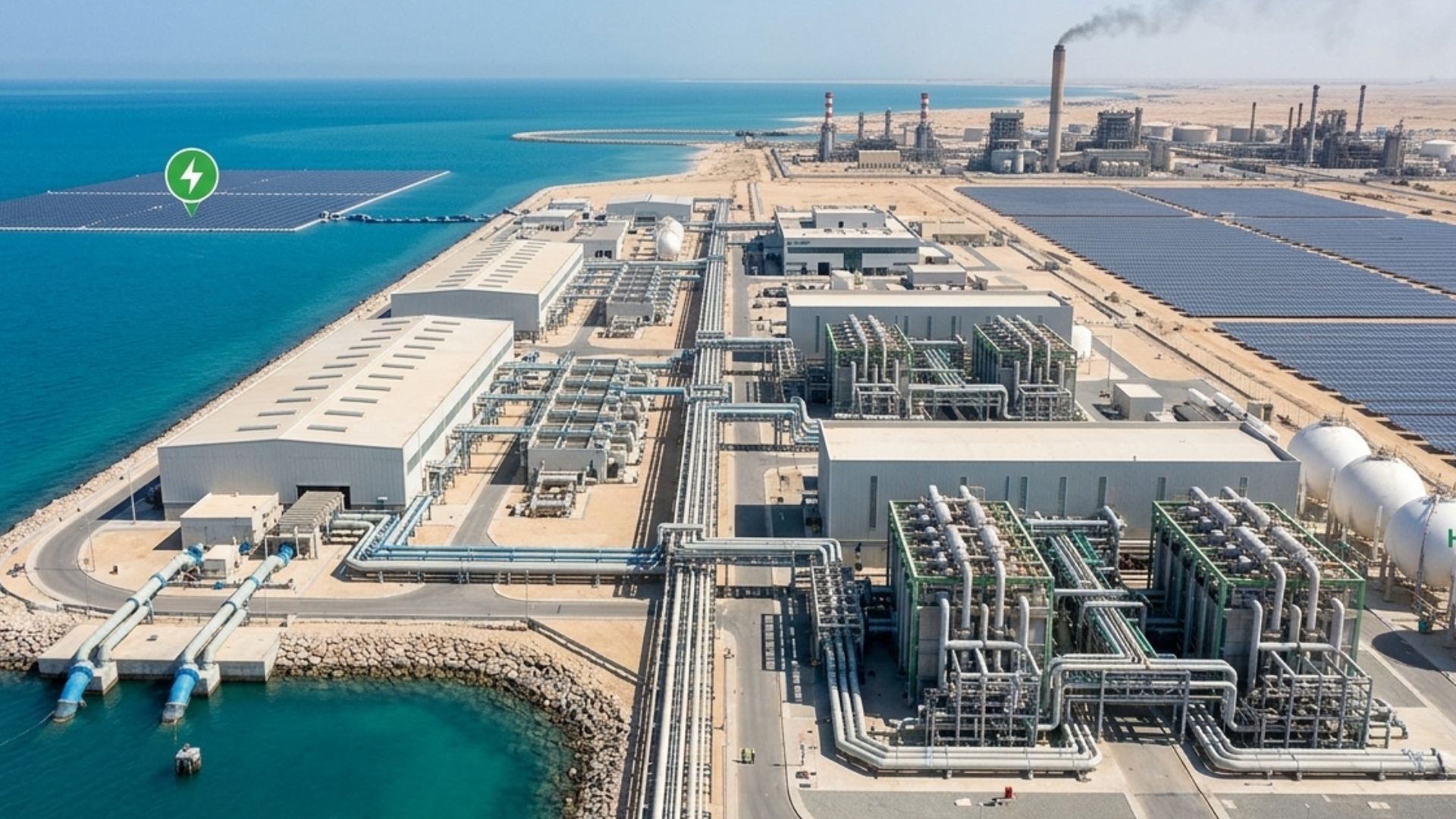
The thermoelectric performance of the tubes ranged between 400 °C and 800 °C, which is an extremely satisfactory result, as it fell within the same temperature range that the gases are subjected to inside the exhaust of gasoline or diesel-powered cars. The positive results from the laboratory tests by the scientists bring this project closer to reality.
Researchers’ View on the Project
The professor of Mechanical Engineering and co-author of the study, Han Gi Chae, emphasized the shape of the tubes. He believes that making a tube similar to a car’s exhaust made the device more effective in emitting and collecting heat, as well as paving the way for the study to progress successfully.
According to Professor Chae, if 3D printing technology starts to be used in the production of thermoelectric materials, there will be great possibilities of replacing and surpassing traditionally used materials. Large companies need to believe in and invest in this technology, which has proven to bring savings and a significant increase in revenue.
Thermoelectric Paints and Car Exhausts Can Be Transformed into Thermoelectric Generators
The scientists believe that in the future, in addition to car exhausts, exhaust pipes from fleets and also from factory chimneys should be transformed into thermoelectric generators. And the research does not stop there.
It is necessary for these generators to be constantly adapted or modified to produce renewable electrical energy on a large scale, varying according to the system’s needs.
Moreover, believing in and investing in more research projects is key to preparing for the future. The scientists hope that the positive outcome of their project will help make vehicles less polluting and that this technology will also be applied in other areas. For Professor Jae, the use of these thermoelectric tubes could be the future of an increasingly less polluting industry.






Be the first to react!