






 Portuguese
  Spanish
  3 min of reading


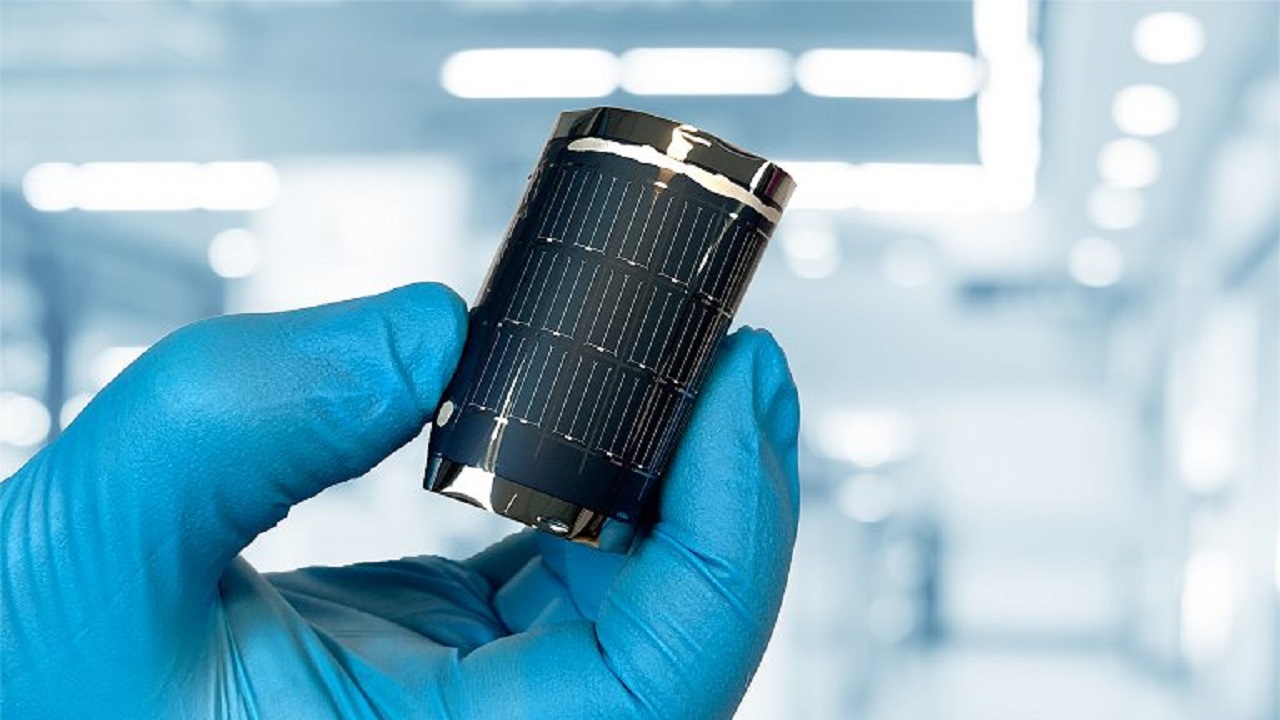
The Latest Innovation Is From The Swiss Laboratory EMPA, Which Managed To Improve And Develop A New Type Of Solar Cell With Performance Superior To Silicon Solar Panels
Scientists from the Swiss laboratory EMPA have created a new flexible solar energy cell and set a historic record in terms of efficiency. The product, which performs better than silicon solar panels, can be made in plastic films and through inkjet printing, known as CIGS. This acronym stands for the initials of the materials used in the construction of the solar cell. The materials are: Copper, Indium, Gallium, and Selenium.
Read Other Related News
Scientists Create More Efficient and Durable Solar Cell
The solar cell created by the EMPA scientists is made up of very thin layers that are placed on flexible polymer substrates in industrial systems. The application of CIGS is done on roofs and building facades, portable electronic devices, vehicles, and other similar uses.
The solar energy cells created by the scientists were processed into a polymer film through the low-temperature co-evaporation method. This method serves to cultivate thin films of a semiconductor, which is responsible for absorbing light.
-
Brazilian scientists are simultaneously advancing two research projects on clean hydrogen and driving solutions that could transform the energy matrix, enhance industrial competitiveness, and accelerate large-scale emission reduction targets.

-
Advancement in renewable energy: A R$ 150 million project launched by Petrobras and Finep aims to create state-of-the-art electrolyzers for green hydrogen, strengthening national research and preparing Brazil to compete in a billion-dollar energy market.
-
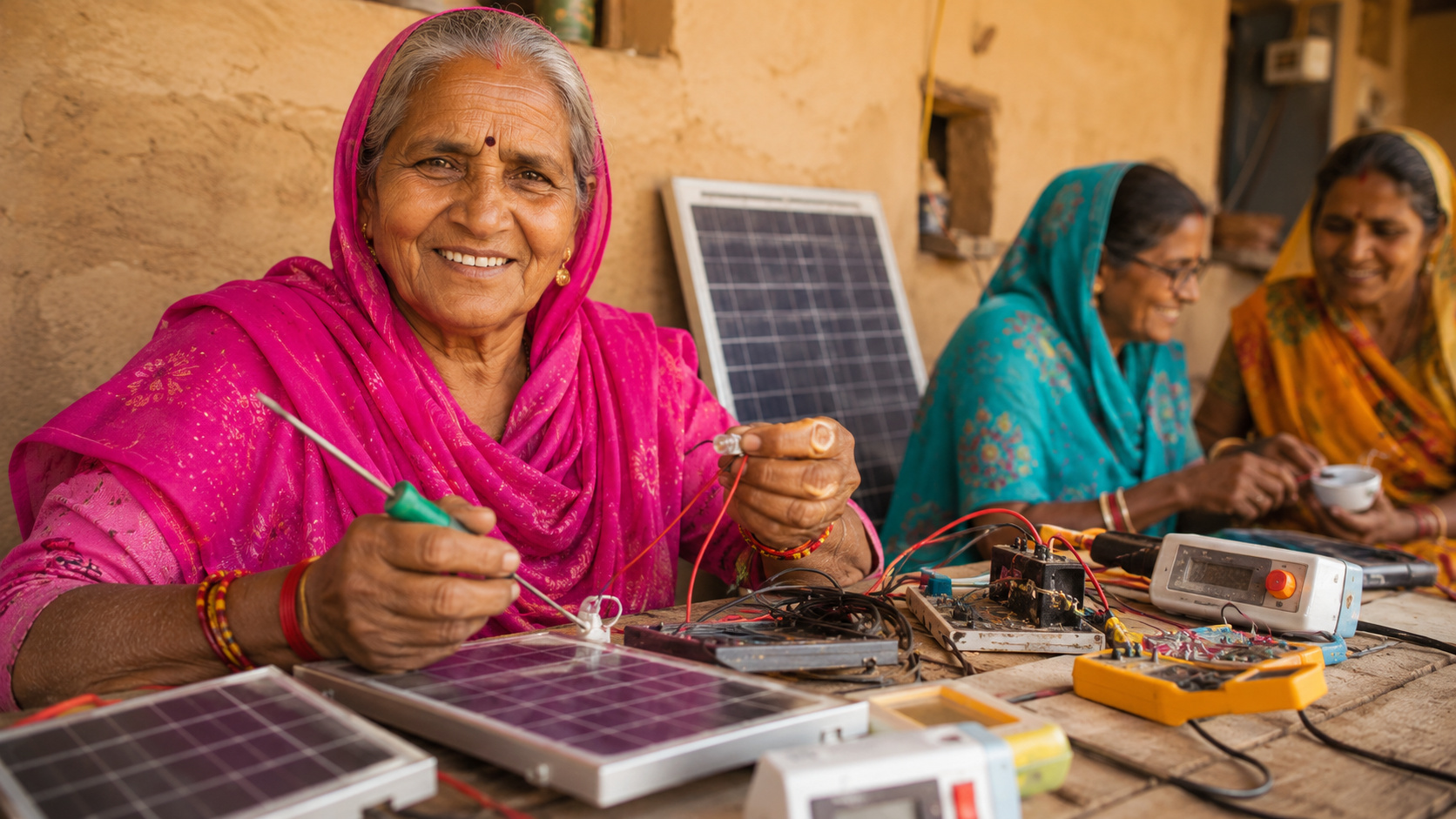
Illiterate or semi-literate grandmothers were trained to repair solar systems, open rural workshops, and light up homes that still depended on kerosene.
-
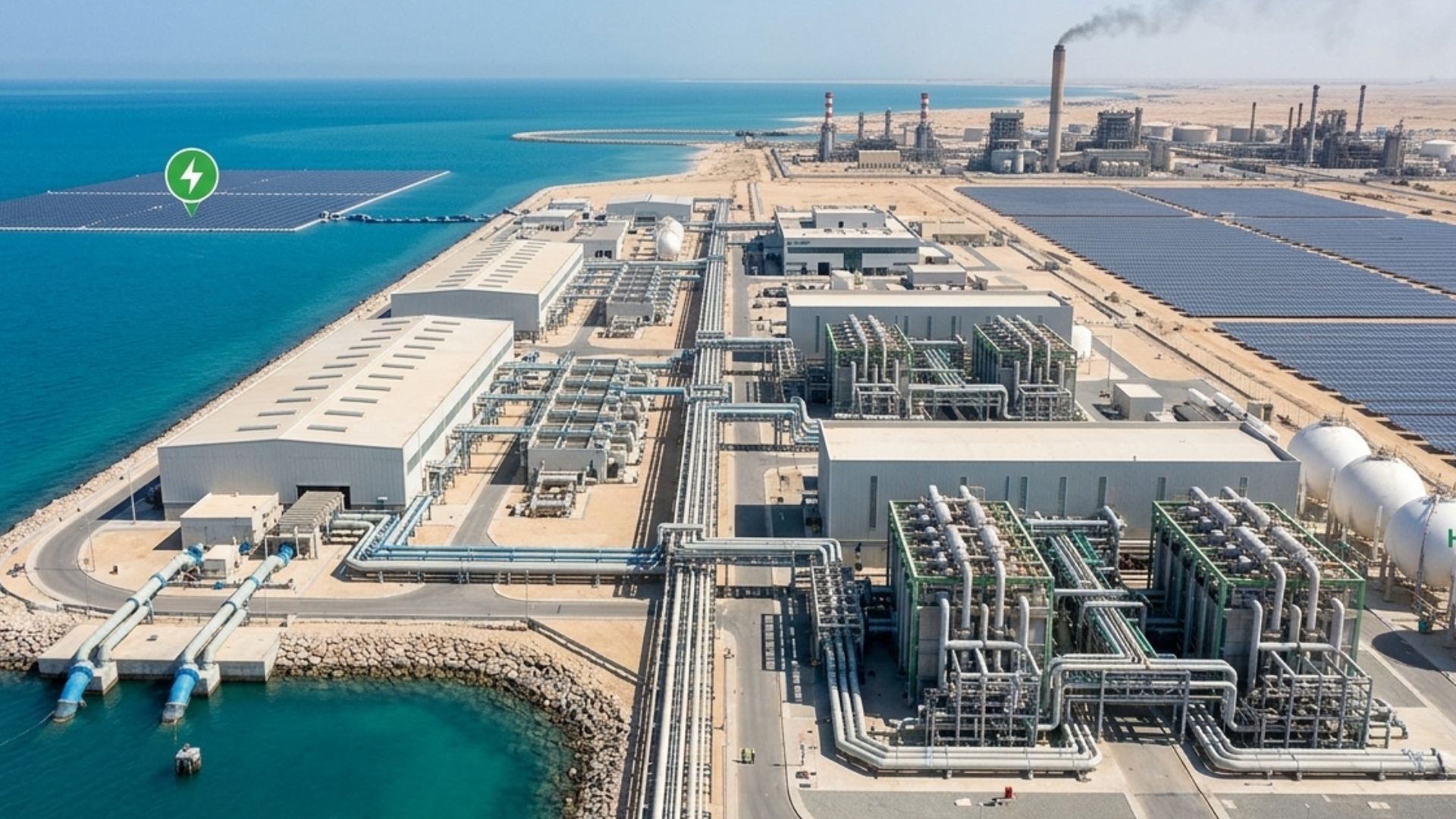
The world has bet on green hydrogen as the fuel of the future, but now faces the side effect: producing 1 kilogram requires about 9 liters of ultrapure water, and the largest projects on the planet are precisely in the driest regions of the Earth, where water is already scarce for people.



The new historic record set by the scientists with the solar cell more efficient than solar panels was achieved thanks to the optimization of the layer composition and also the optimization of alkaline dopants.
When investigating the results of exposure after processing the solar cell, alongside heat and lighting, an increase in performance was observed. The new performance variation remained stable even after several months, with efficiency measured independently at the Fraunhofer Institute for Solar Energy Systems in Germany.
Flexible Solar Panels Could Revolutionize the Renewable Market
The historic efficiency record set by the German scientists was 21.4%, an excellent percentage compared to solar panels made of crystalline silicon.
Crystalline silicon cells, besides not being able to bend and requiring heavy solar panels to convert radiation into energy, have an efficiency of 26.7%. The scientists from the Swiss laboratory have been breaking new records over several years. Check the records below:
- 12.8% (1999)
- 14.1% (2005)
- 17.6% (2010)
- 18.7% (2011)
- 20.4% (2013)
- 20.8% (2019)
- 21.4% (2021)
Currently, scientists are working alongside the company Flisom, with the mission of manufacturing rolls of flexible and lightweight solar energy modules.
New Solutions for the Solar Market
New solutions to continually enhance the consumer experience with solar energy are emerging worldwide, and Brazil is not left out of these innovations. The CSEM Brazil Institute has been creating an organic solar panel for over 10 years at its applied research center located in Belo Horizonte, Minas Gerais.
The Institute aims to obtain green energy in all segments, including in the production of the panel itself. The new material, when produced on a large scale, could be 30 times cheaper than traditional silicon solar energy panels. The product is still in the testing phase, and specific machines have already been built and adapted for the printing process.






Be the first to react!