





 Portuguese
  English
  Spanish
  3 min of reading
  0 comments


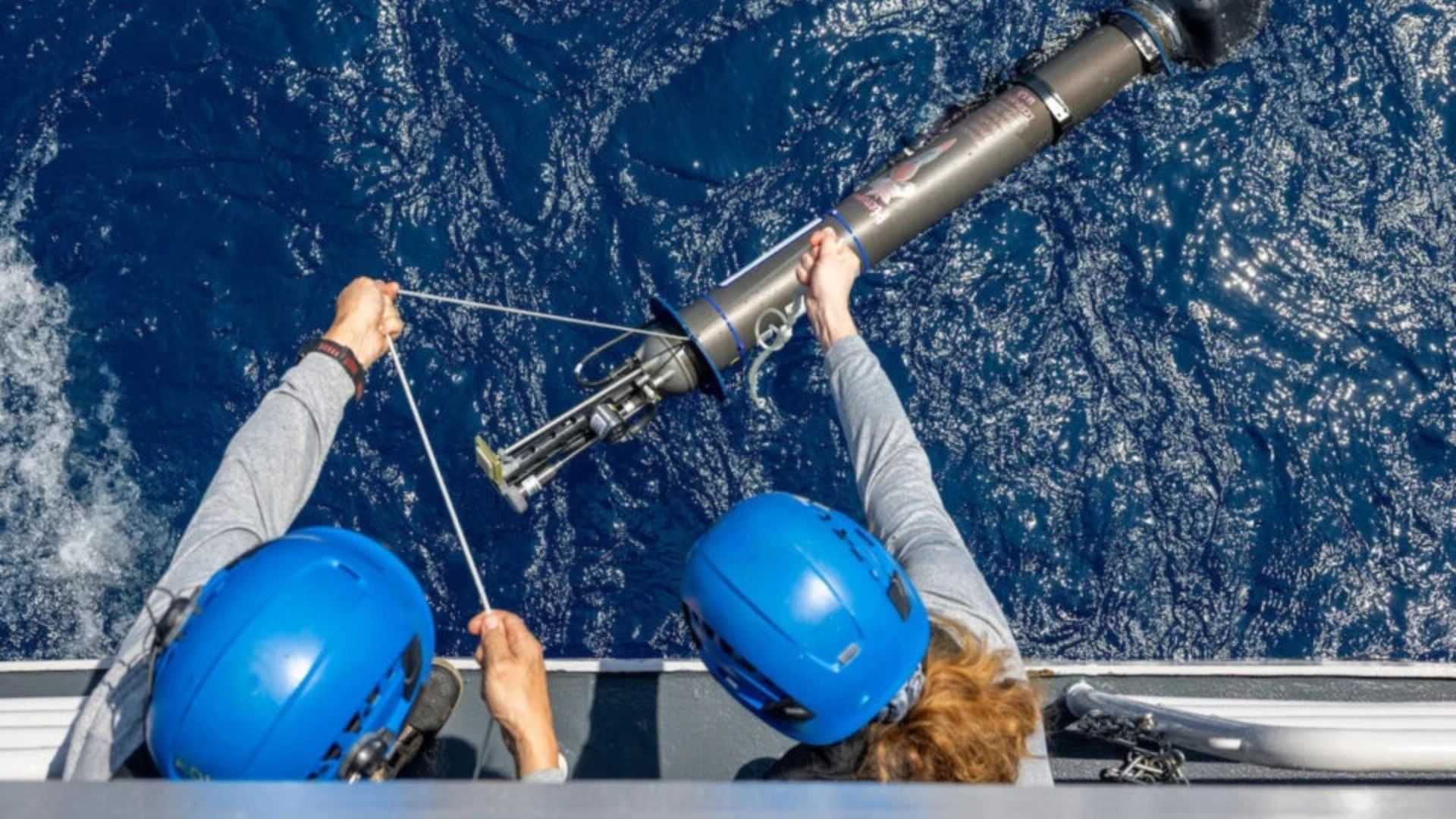
The tiny robots equipped with high-precision sensors navigate autonomously to measure the nitrogen cycle and environmental impacts at previously inaccessible ocean depths.
Small underwater robots, known as “miniprofildores,” are transforming scientific understanding of the ocean’s “dead zones” by revealing hidden chemical processes in low-oxygen waters.
Developed by researchers from the University of Washington and Princeton University, these autonomous devices can navigate depths previously inaccessible to conventional high-precision sensors. The use of tiny robots has allowed for the collection of unprecedented data on how nitrogen and other elements react in extreme environments, directly impacting global climate models.
Exploration of low-oxygen zones
Low-oxygen zones are ocean areas where marine life faces critical challenges due to the scarcity of O2, affecting biodiversity and biogeochemical cycles.
-
The largest volcanic event in Earth’s history may have changed everything beneath the Pacific: a study shows that eruptions 110 to 120 million years ago reshaped the oceanic plate of the Ontong Java Plateau, the largest oceanic plateau on the planet.

-
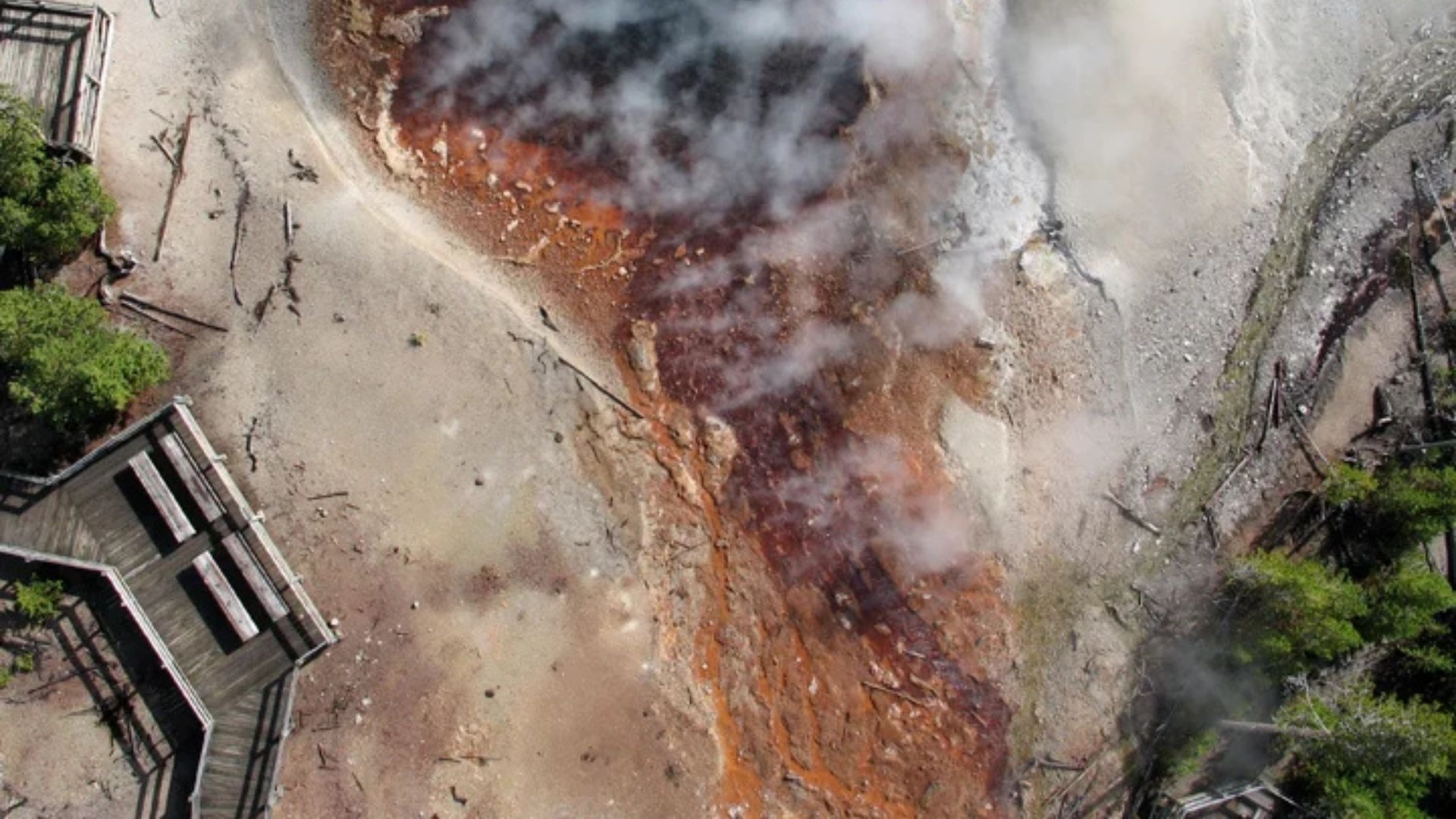
The world’s largest acid geyser awakens in Yellowstone and reaches record heights after years of dormancy.
-
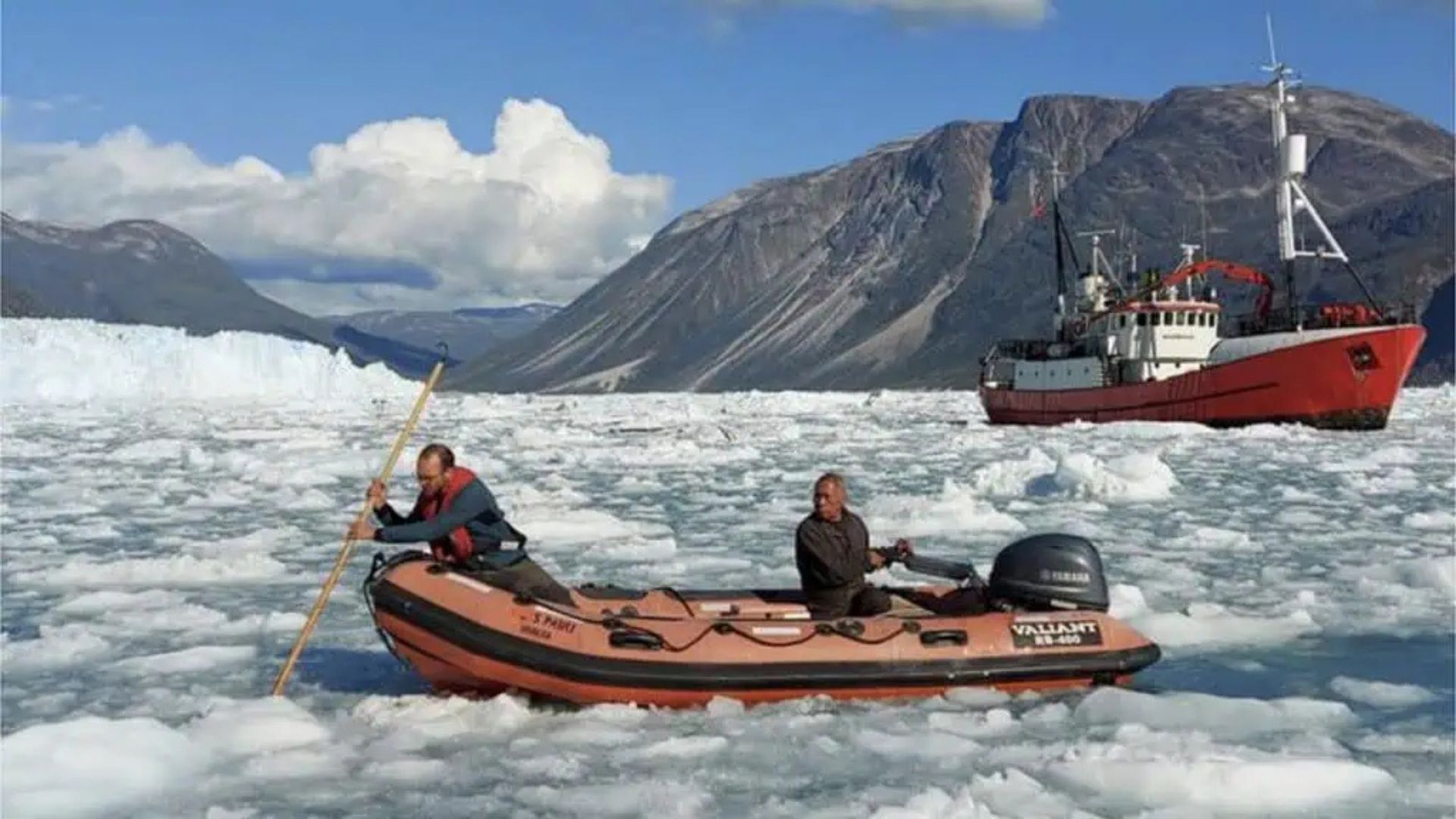
Scientists use a nearly 10-kilometer fiber optic cable to monitor and record the detachment of 56,000 icebergs in real time.
-
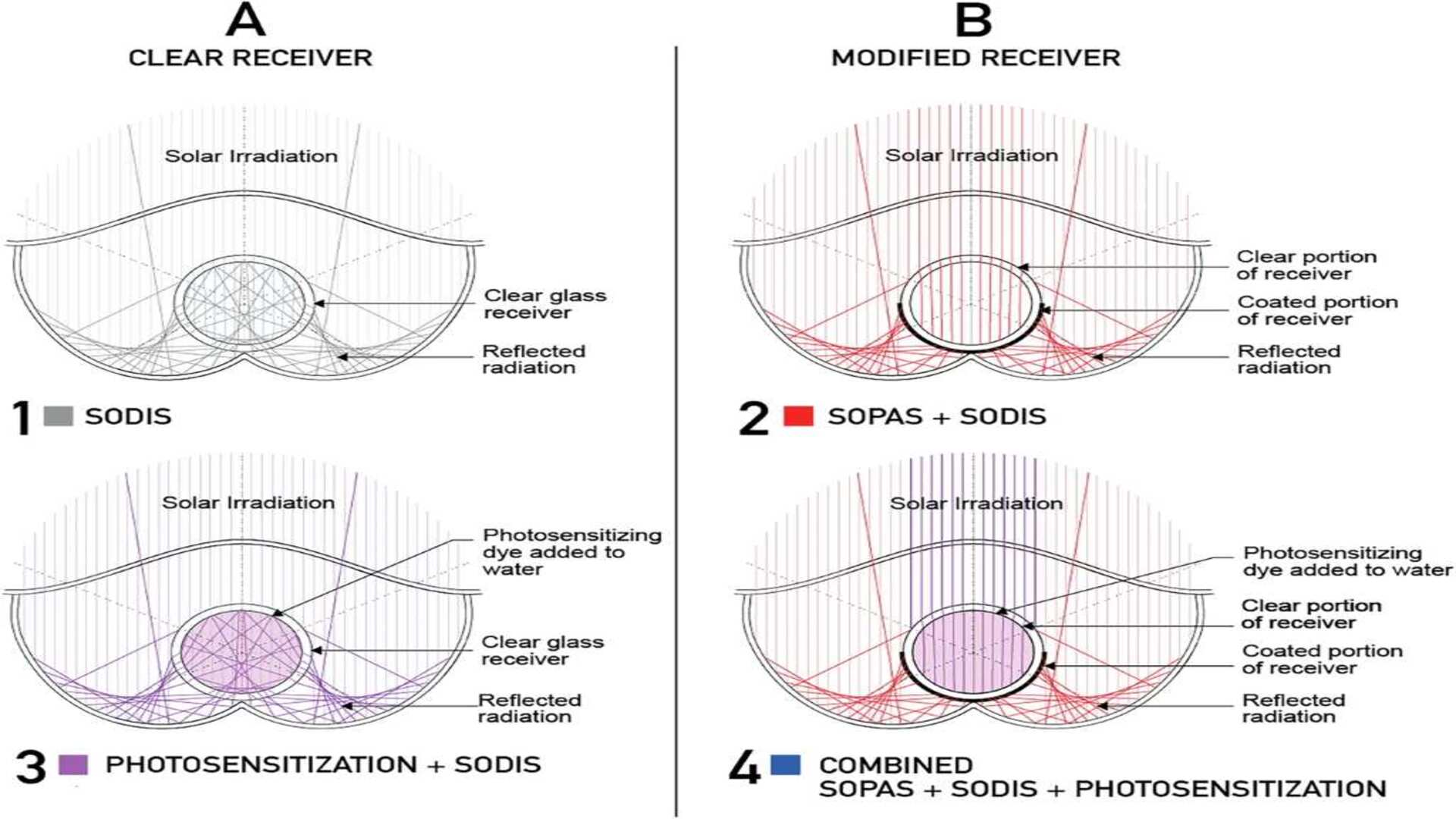
Scientists develop innovative method using sunlight and food dye that allows for clean water to be obtained in just 28 minutes.
The tiny robots are designed to float and dive in these specific layers, measuring subtle chemical variations that occur when microorganisms consume nutrients in the absence of oxygen. Traditionally, these measurements were made by research vessels, but the turbulence caused by the ships often contaminated water samples with surface oxygen.
By operating silently and autonomously, the tiny robots eliminate human interference and ensure the integrity of samples in real-time. They are equipped with sensitive electrochemical sensors that detect traces of substances such as nitrite and hydrogen sulfide.
This data helps scientists understand how the ocean “breathes” and how these dead zones may be expanding due to global warming and agricultural fertilizer runoff.
Sensor technology and underwater autonomy
The design of the tiny robots prioritizes durability and energy efficiency, allowing missions that last weeks or months in open water. Each unit can adjust its buoyancy to rise and fall in the water column, creating a detailed vertical profile of ocean chemistry. The onboard technology processes information locally before transmitting it via satellite when the device surfaces, optimizing bandwidth and battery life.
The integration of new sensors in the tiny robots has allowed for the identification of “hidden chemistry” related to the nitrogen cycle, which is vital for the biological productivity of the oceans.
Researchers have found that the denitrification processes in these zones are much more dynamic than previously thought. These findings are crucial, as nitrogen released into the atmosphere as nitrous oxide is a potent greenhouse gas, linking the deep ocean chemistry directly to global temperature.
Implications for conservation and climate
The application of tiny robots offers a new tool for predicting how ocean health will change in the coming decades.
By providing a constant stream of high-resolution data, scientists can calibrate computational models more accurately, anticipating the emergence of new low-oxygen zones. This is essential for managing global fisheries, as many commercial species depend on oxygen-rich waters to survive and reproduce.
Furthermore, the ability of tiny robots to monitor remote areas economically reduces the need for expensive and polluting oceanographic expeditions.
The scalability of this technology suggests that in the future, swarms of robots could patrol vast stretches of the ocean, functioning as an early warning system for environmental changes. With the advancement of underwater robotics, science is finally illuminating the darkest and chemically complex parts of our blue planet.
to access the study.





Seja o primeiro a reagir!