





 Portuguese
  English
  Spanish
 3 min of reading
  0 comments



Agricultural Adjuvants promotion is an expression that has become increasingly frequent in purchasing choices and in the organization of rural applications. However, in addition to the appeal to the market, understanding the true role of adjuvants is essential to achieve efficiency in agriculture, reduce losses, and optimize the performance of crop protection products.
When chosen appropriately, adjuvants act as technical partners in application, modifying the physical and chemical characteristics of the mixture. This ensures more efficient deposition, distribution, and absorption of the products, which are crucial elements for effective management of pests, diseases, and weeds.
Why Use Agricultural Adjuvants in Spraying?
The application of pesticides in agriculture includes several variables, such as weather conditions, water purity, crop species, and application techniques. Without proper modifications, a considerable portion of the product used may be lost due to drift, runoff, or evaporation.
-
Oil surged to $115 a barrel due to the war in the Middle East, and diesel in Brazil has already risen to R$ 7.45 per liter, while the United States…

-
From 130 producers in the year 2000 to just 15 today: the dramatic decline of passion fruit in Araguari shows how the lack of labor in the Brazilian countryside is killing a decades-old agricultural tradition, even with Brazil being the largest producer in the world.

-
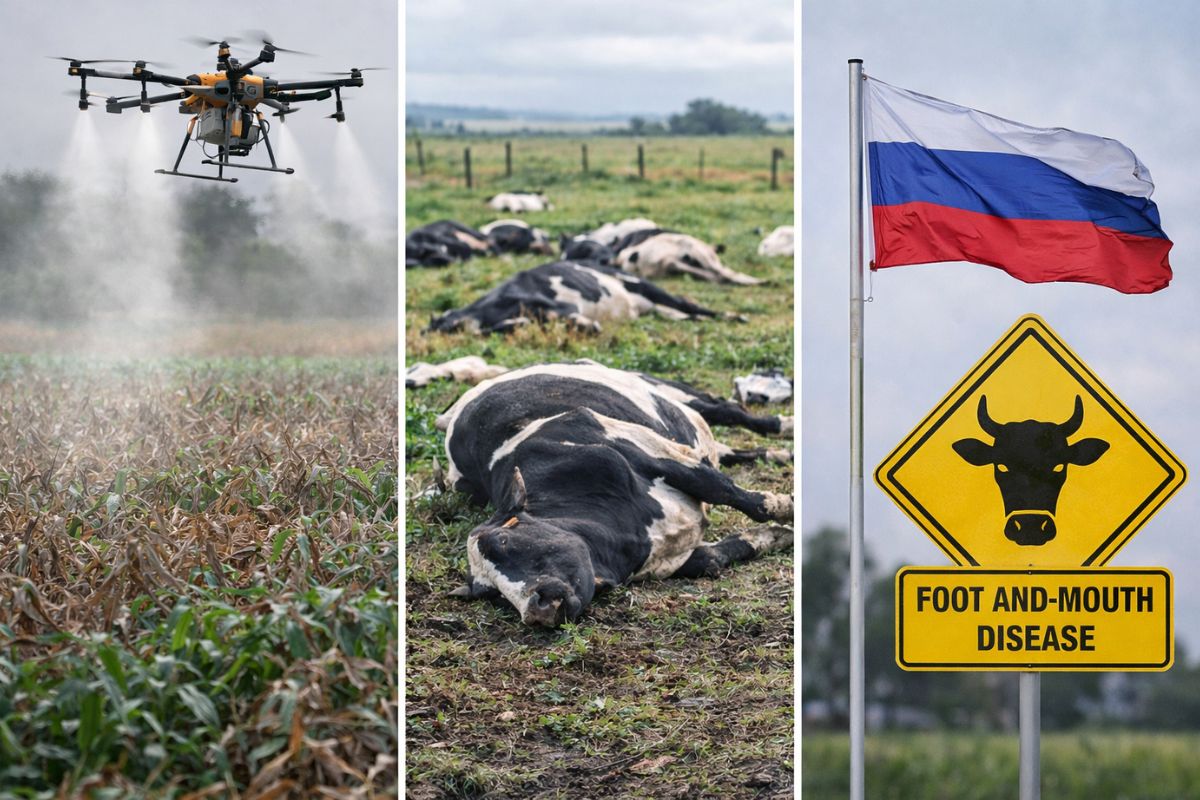
Agricultural drone sprayed poison into the air and destroyed the neighbor’s crops, causing 1 million in damages; 48 cows died from nitrite poisoning in the pasture, and Russia is hiding a possible outbreak of foot-and-mouth disease: the week was brutal for the rural sector.
-
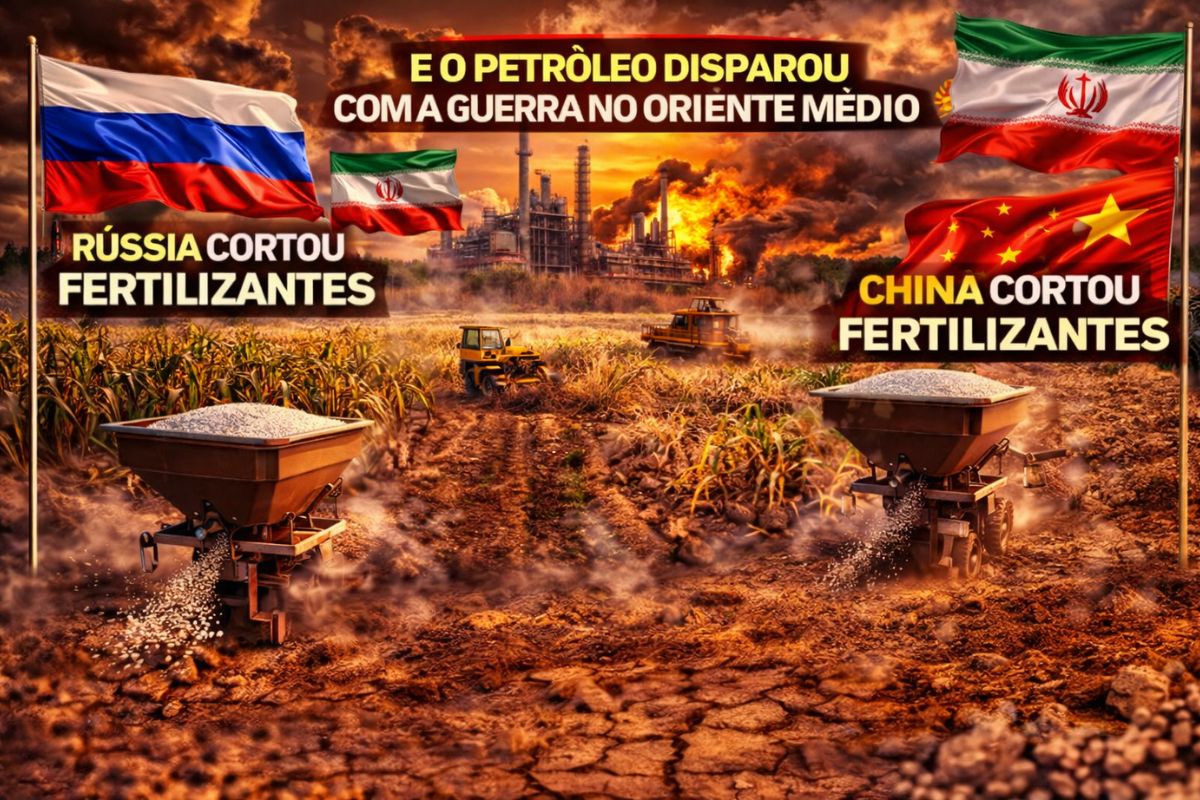
Russia cut fertilizers, China cut fertilizers, and oil prices soared with the war in the Middle East: sugarcane producers in the interior of São Paulo are seeing costs explode from all sides and warn that the effects will take months to be absorbed.

Adjuvants are used precisely to overcome these limitations. They enhance operational efficacy by enabling the active ingredient to reach the right target, in the appropriate dose. This reduces waste, increases the reliability of results, and assists in creating applications that are safer and more sustainable, considering both the economic and environmental aspects.
Moreover, the responsible use of adjuvants helps to standardize the mixture, making the process more consistent and repeatable. It is in this context that agricultural adjuvants need to be evaluated technically, not just taking into account price or related advertising.
What Are the Types of Agricultural Adjuvants and Their Specific Functions?
Adjuvants used in agriculture are categorized based on their main function. Activators, in turn, directly influence the effectiveness of the agrochemical, improving the penetration and absorption of the active component by the vegetation. Spreaders, sealants, and oil-based liquids frequently exemplify this group.
On the other hand, mixture modifiers aim to alter physical characteristics of the solution, such as acidity, surface tension, fluidity, and foaming. Drift reducers and water conditioners are part of this category and are essential to ensure stability and safety during application.
Each variety of adjuvant has a particular function and must be selected according to the goal of the spraying. Using an inappropriate product can lead to undesirable consequences or even undermine the effectiveness of the treatment, highlighting the importance of technical knowledge in the selection process.
How to Know If the Adjuvant Is Trustworthy and Effective?
Trust in an adjuvant is closely linked to its composition, origin, and technical confirmation. Products with defined specifications, compatibility assessments, and reliable agronomic guidance provide more security to the producer and the applicator.
Another fundamental aspect is compatibility with the pesticides used. An effective adjuvant must blend well with the mixture without causing sedimentation, layer separation, or reduction of effectiveness. Analyzing labels, technical documents, and usage guidelines is an essential activity.
Finally, well-established companies in the market help make more accurate decisions. When searching for promotional agricultural adjuvants, it is essential to focus on quality and technical support, rather than just the initial cost of the item.
Rigrantec
Rigrantec serves as a strategic ally in providing solutions for agriculture, promoting the technical and effective application of adjuvants in spray treatments. Its quality-focused strategy promotes safer, more efficient uses in accordance with the best practices of contemporary management.
Conclusion
The adjuvants used in agriculture are fundamental to the effectiveness of applications; they play a role that goes beyond mere additives in the mixture. Understanding their categories, roles, and selection criteria is essential to achieving consistent results in the field.
By analyzing the promotion of agricultural adjuvants with a technical emphasis, the farmer ensures better efficacy, cost reduction, and sustainability in agricultural practices.









Seja o primeiro a reagir!