





 Portuguese
  English
  Spanish
  5 min of reading
  0 comments


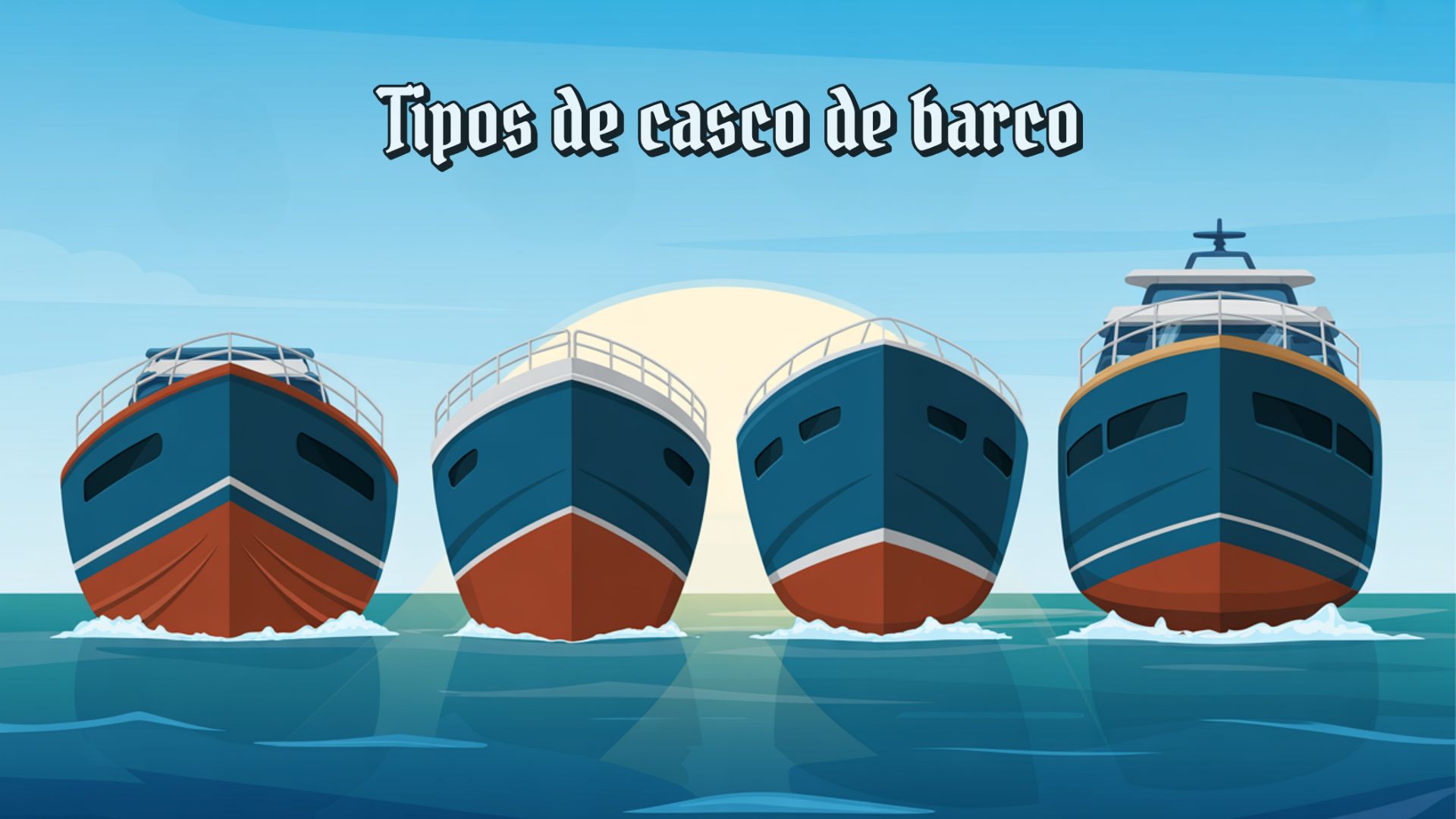
Discover How Boat Hull Type Influences Performance and Learn to Choose the Most Suitable One to Ensure Safety, Economy, and Efficiency in Your Navigation.
The choice between types of boat hulls is one of the most important points when defining which vessel best meets each type of use. The hull shape directly influences stability, speed, fuel consumption, and navigability in different sea or river conditions.
In leisure, fishing, or transport vessels, the hull can be designed in different shapes. Among the most common are the V-hull, flat hull, and multi-hulls, such as catamarans and trimarans. Each of these models has specific characteristics that adapt better to certain types of navigation.
What Is a Boat Hull?
The hull is the lower part of the vessel, responsible for ensuring buoyancy and performance during navigation. It comes into direct contact with water and, therefore, its design influences stability, speed, and efficiency of the boat.
-
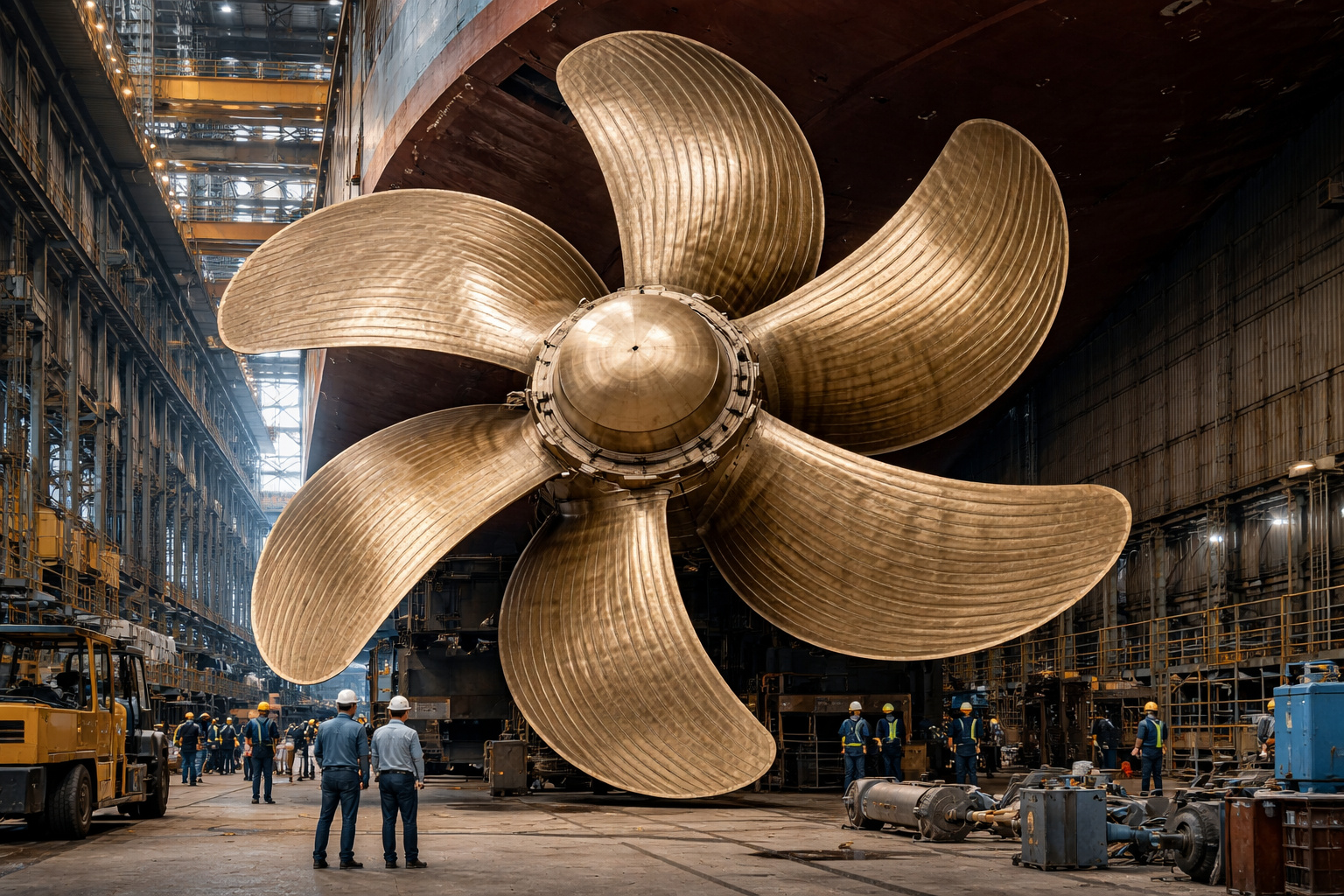
How a 131-ton, 11-meter propeller supports 90% of global trade and transforms the largest container ships on the planet.
-
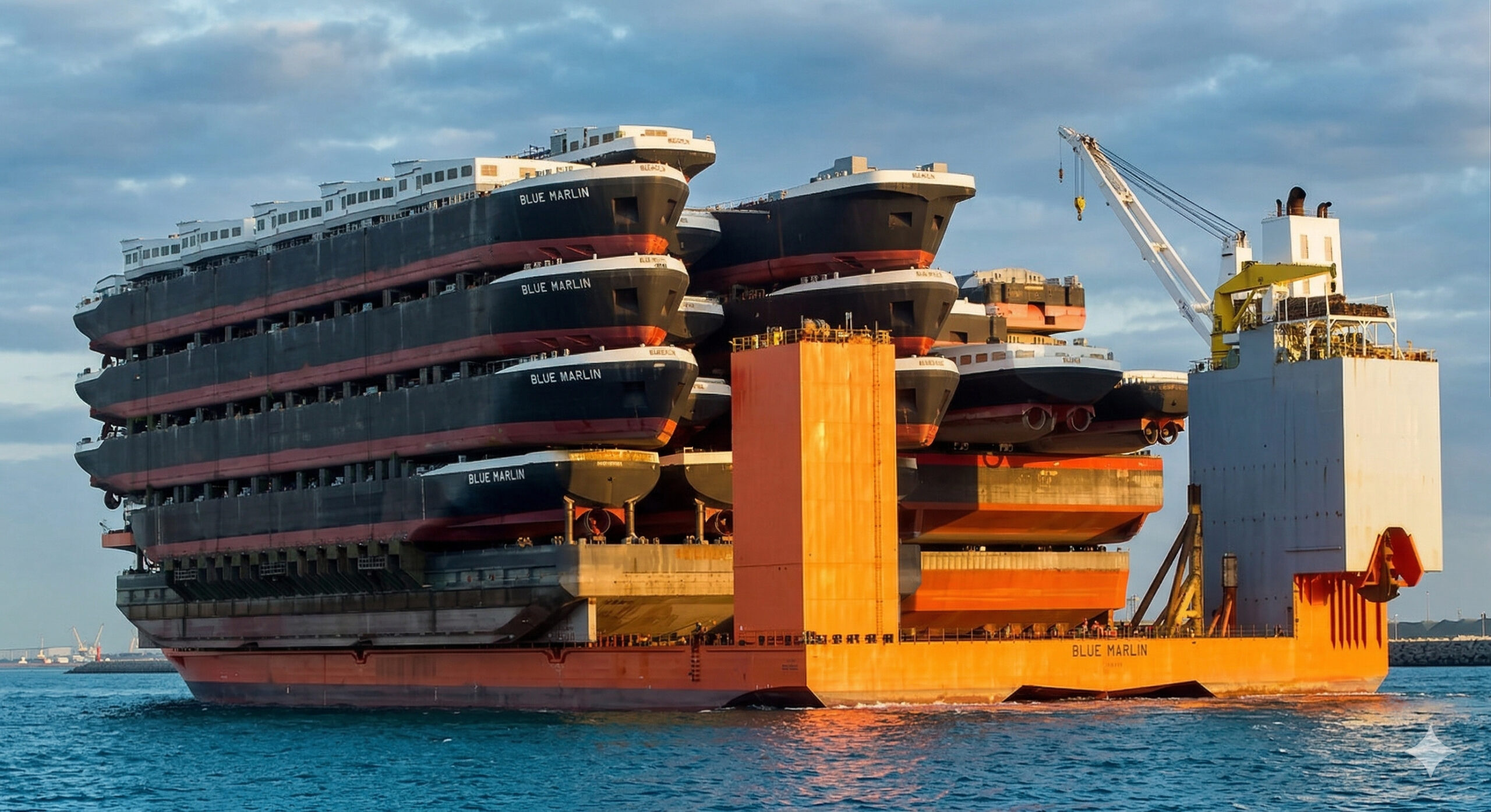
With a length of 225 meters and a capacity of 76 thousand tons, this ship “sinks” its own deck down to 28 meters deep to accommodate war destroyers, oil platforms, and giant radars floating above, and then emerges with everything intact on top like a colossal tray crossing oceans.
-
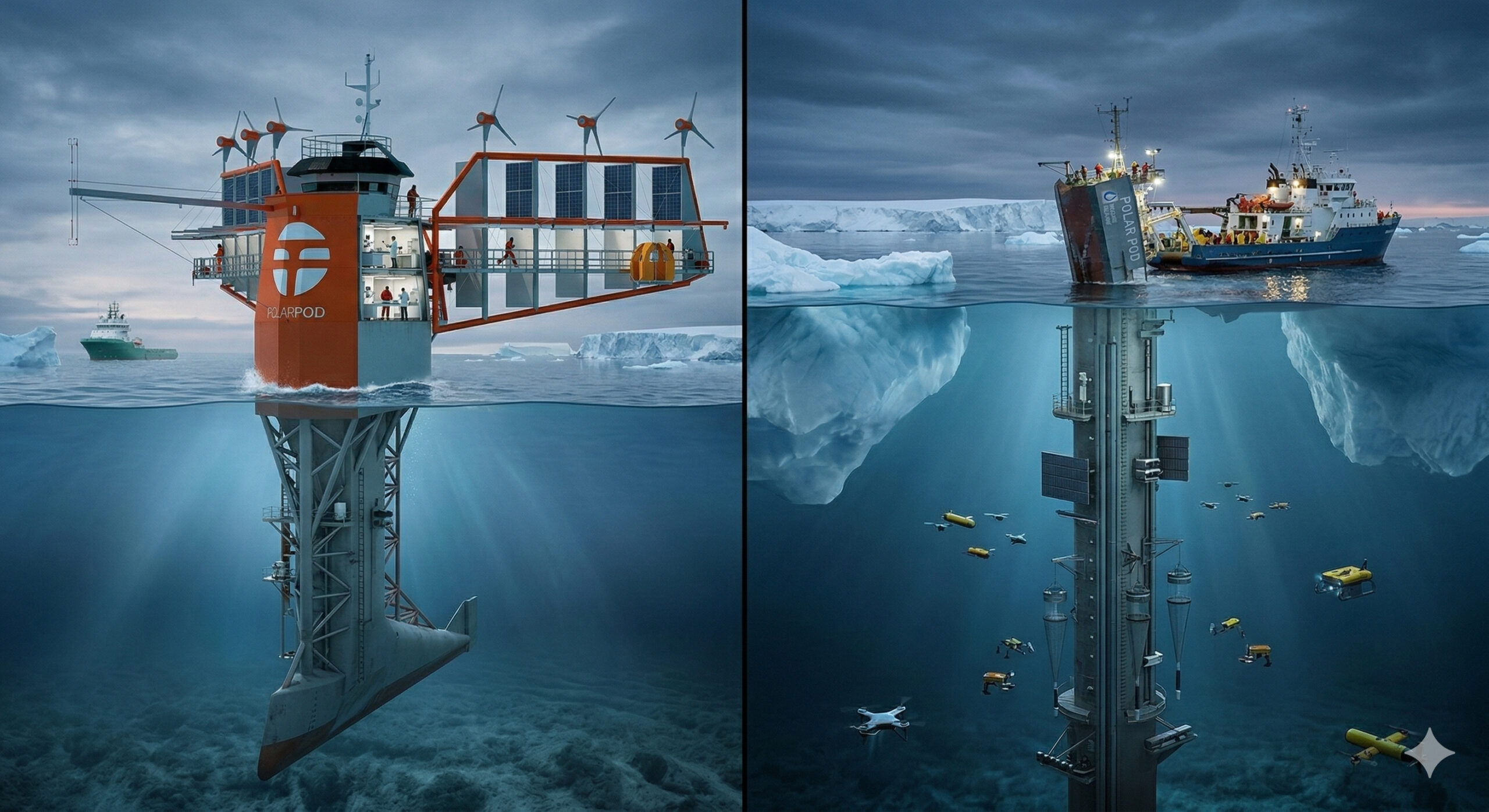
A 100-meter platform without a motor, without a keel, and operating upside down rotates 90 degrees in the ocean, sinks 75 meters, and drifts around Antarctica for two years driven by the planet’s most powerful current to study the largest carbon sink on Earth, still poorly understood by science for accurate climate modeling.
-
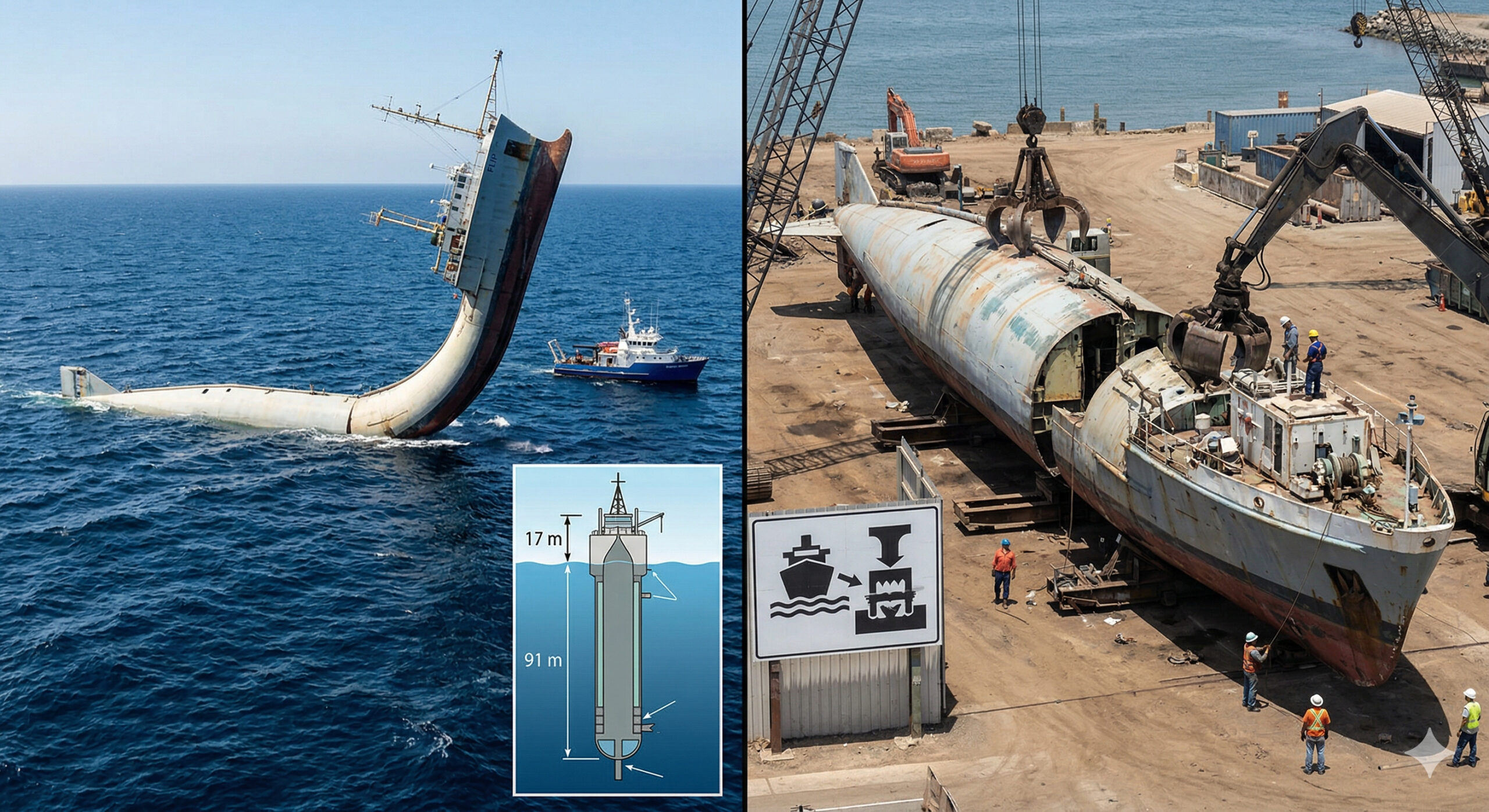
With a length of 108 meters and a giant spoon shape, the FLIP was the only ship in the world capable of rotating 90 degrees in the ocean and remaining vertical, with 91 meters submerged, operating for 60 years until it was retired and sent to the scrapyard in 2023.

The hull design is intended to provide the best possible performance depending on the environment in which the boat will be used. The shape also affects how the vessel cuts through waves and the comfort level on board.
Main Types of Boat Hulls
V-Hull
The V-hull is one of the most used in speedboats and fast vessels. Its shape, similar to the letter V, facilitates cutting through waves and improves performance in open sea or choppy waters. This type of hull provides a smoother navigation experience, reducing jolts caused by wave movement.
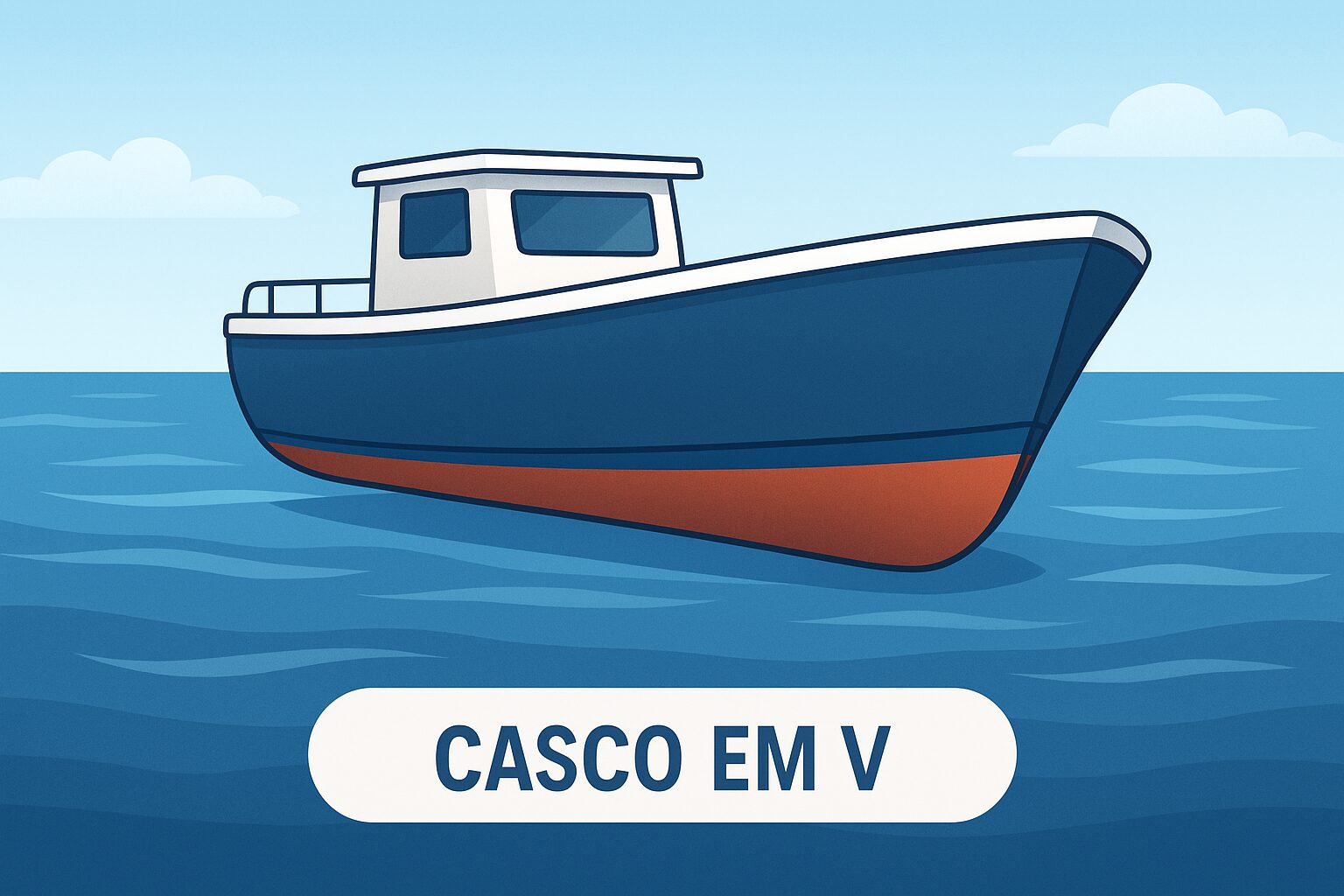
The depth of the V shape can vary. A deep V-hull is suitable for seas with more consistent waves, as it tends to offer more stability at high speeds. On the other hand, a moderate V-hull is more versatile, suitable for both sea and lakes and rivers.
Flat Hull
The flat hull has a flat bottom and is widely used in small fishing boats, especially in rivers, reservoirs, and sheltered waters. Its main advantage is lateral stability when the vessel is stationary.
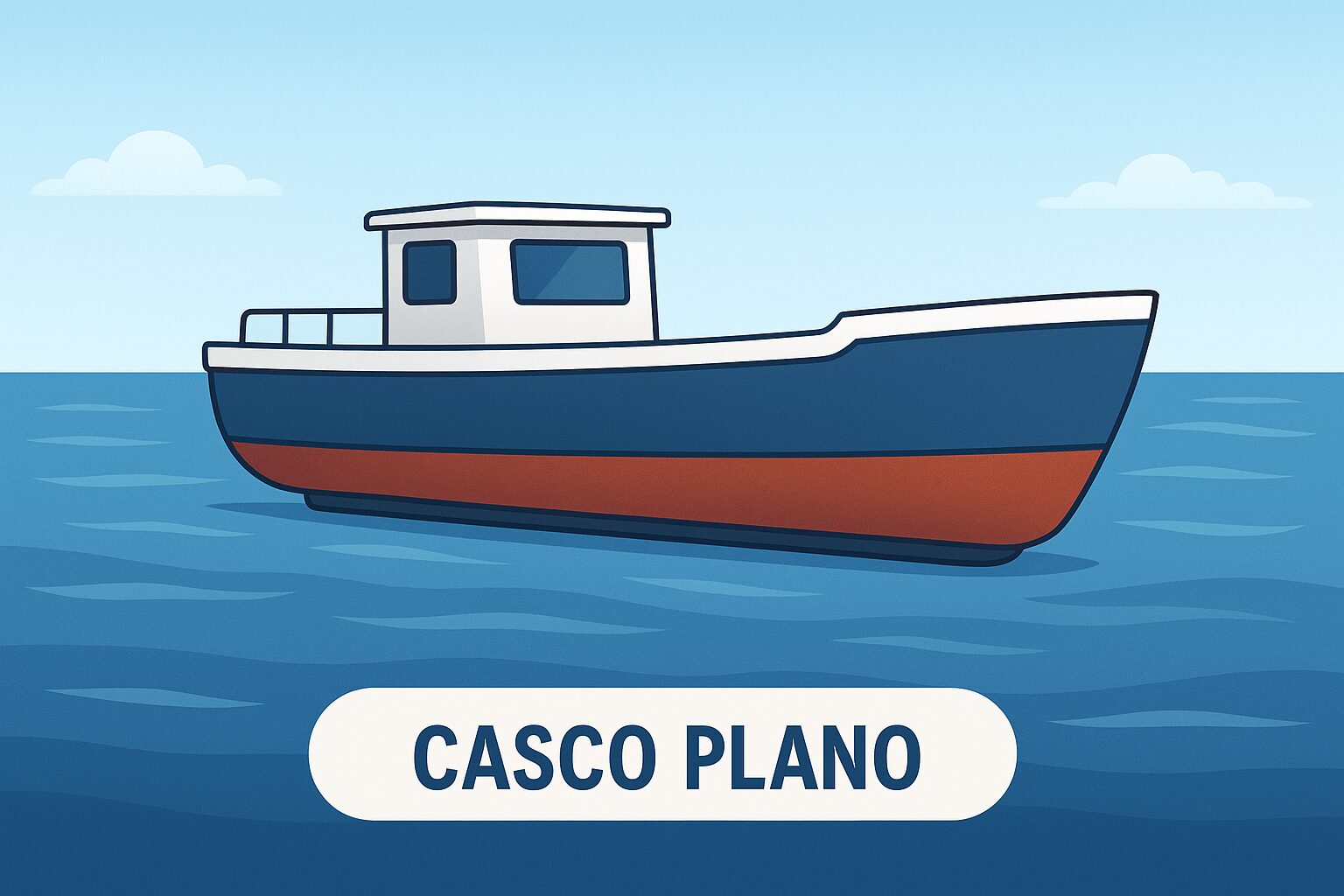
This type of hull is suitable for slow navigation in calm waters. It allows for easy movement in shallow areas but can be uncomfortable in rough seas due to the tendency to hit the water harder.
Rounded Hull
With a curved bottom and softer shape, the rounded hull is common in large ships and cruise boats. It allows for smoother movement, ideal for long journeys but requires more water depth to operate.
Although it is efficient in terms of movement, this type of hull may offer less lateral stability when the vessel is stationary, which is mitigated by control systems such as keels and ballast.
Multi-Hull (Catamaran and Trimarans)
Multi-hulls are vessels with two or more parallel hulls. The most well-known example is the catamaran. This type of hull is used in both leisure boats and passenger transport.
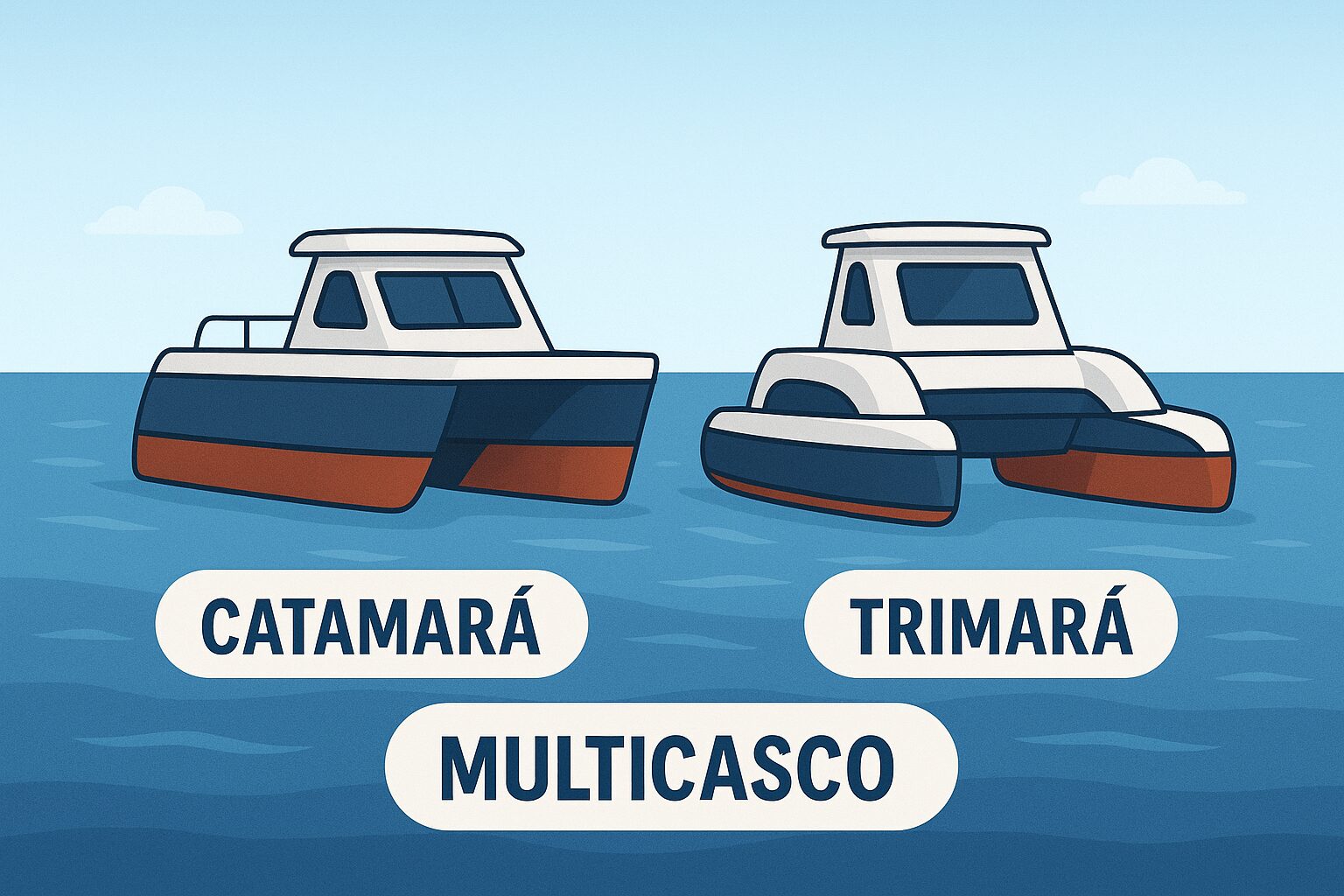
The main benefit of the catamaran is stability. As the weight of the vessel is distributed between the hulls, the lateral sway is reduced. This increases the comfort of the occupants and allows for larger internal spaces.
Fuel efficiency and the ability to navigate in shallow waters are also among the advantages of multi-hulls. On the other hand, these vessels take up more space and require extra care when maneuvering in marinas or ports.
Discover Other Types of Boat Hulls Used in Vessels
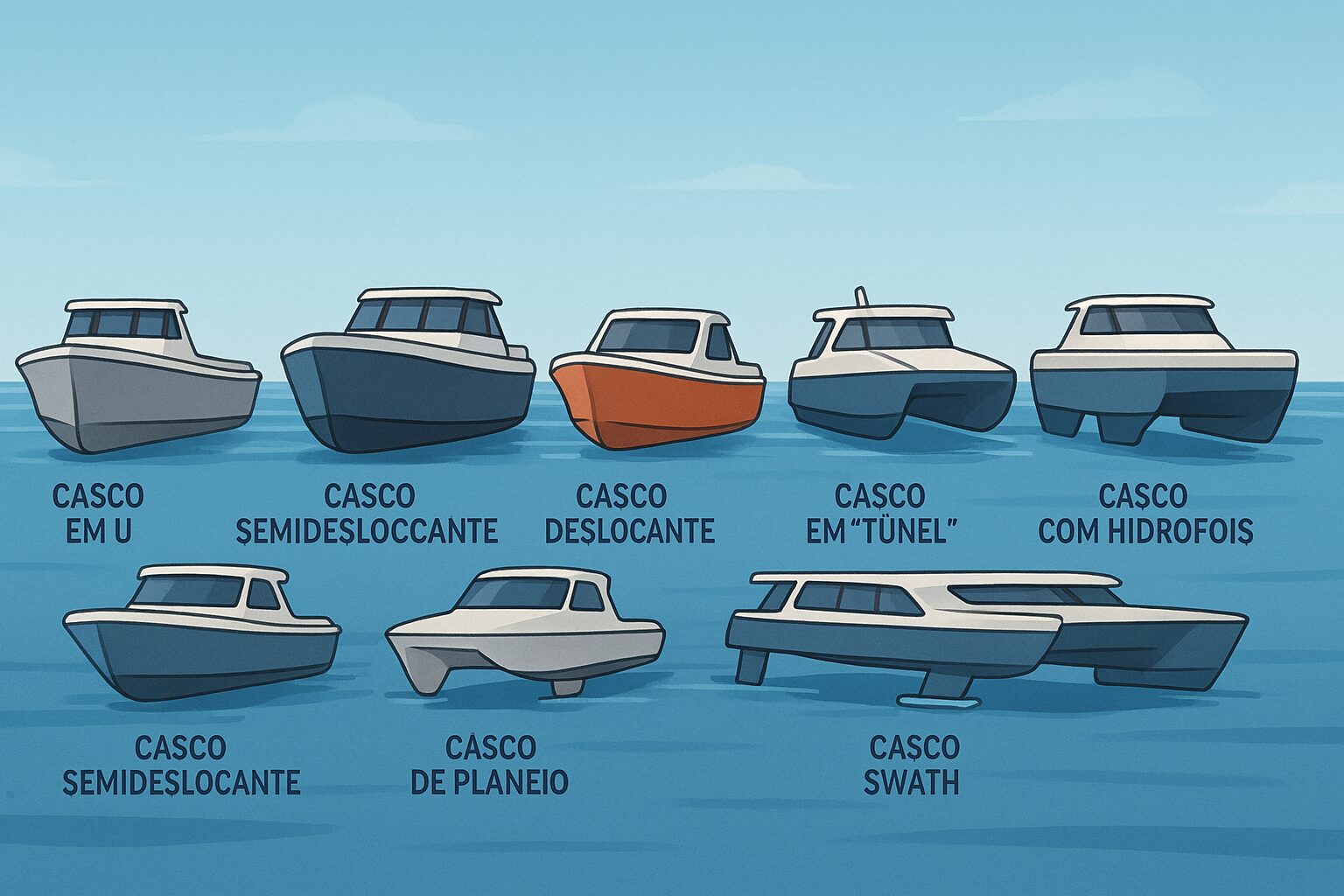
In addition to the main types such as V-hull, flat hull, rounded hull, and multi-hull, there are other shapes used in specific or hybrid vessels. Below is the list presenting each additional hull type briefly:
U-Hull
- Description: Has a rounded bottom and more vertical sides than the V-hull.
- Common Use: Larger vessels, such as luxury yachts and pleasure boats.
- Advantage: Greater internal volume and good performance in moderate seas.
Semi-Displacement Hull (or Semi-Planing)
- Description: Combines characteristics of displacement hulls (slower) with planing hulls (faster).
- Common Use: Medium-sized boats, patrol boats, and utility vessels.
- Advantage: Balance between speed, stability, and fuel economy.
Displacement Hull
- Description: Designed to cut through the water instead of sliding over it.
- Common Use: Cargo ships, sailboats, support boats, tugs.
- Advantage: High load capacity and economy over long distances, but reduced speed.
Planing Hull
- Description: Developed to partially lift out of the water when reaching a certain speed, reducing drag.
- Common Use: Speedboats, jet skis, and sports boats.
- Advantage: High speed and agility.
Tunnel Hull or Cat-Tunnel
- Description: A double hull variant with a tunnel shape between the hulls.
- Common Use: High-speed vessels or for navigation in shallow waters.
- Advantage: Stability and reduced resistance to advance.
Foil Hulls
- Description: Features submerged wings that lift the vessel above the water when speed is achieved.
- Common Use: Experimental boats, fast boats, and modern ferries.
- Advantage: Extreme drag reduction and increased speed with fuel economy.
SWATH (Small Waterplane Area Twin Hull)
- Description: A variation of the catamaran, with submerged hulls in a torpedo shape and a small area of contact with the surface.
- Common Use: Oceanographic research, passenger transport in rough seas.
- Advantage: Superior stability in rough seas.
How to Choose the Ideal Hull for Navigation
Choosing the ideal hull for navigation depends on factors such as the type of environment (sea, river, or lake), the intended use (leisure, fishing, transport), and the expected performance.
- For calm waters: The flat hull may be sufficient, especially in smaller, low-speed vessels.
- For open seas or frequent use in adverse conditions: The V-hull stands out for its efficiency in cutting waves and ensuring stability.
- For those seeking stability at rest and comfort on board: The multi-hull is a viable alternative.
- For long-distance and large-scale transport: Rounded hulls are recommended.
Understanding the different types of boat hulls is essential for those looking to acquire or operate a vessel. The shape directly influences performance, comfort, and safety during navigation. Evaluating the environment in which the boat will be used, the frequency of use, and the technical characteristics of each hull helps make a more accurate decision.
Whether for leisure, fishing, or transport, knowledge about the ideal hull for navigation can ensure a safer and more efficient experience in any type of vessel.








-

Uma pessoa reagiu a isso.