





 Portuguese
  English
  Spanish
  4 min of reading
  0 comments



BR-381: Dangerous Sections, Frequent Accidents, and Slow Duplication Concern Drivers in Minas Gerais, Especially Between Belo Horizonte and Governador Valadares, Known as the Deadliest Section of the Highway.
Known as the highway of death, BR-381 is considered one of the most dangerous highways in Brazil. The stretch connecting Belo Horizonte to Governador Valadares has the highest accident rates on federal roads in the state of Minas Gerais. In 2023 alone, over 2,600 accidents were recorded, with 171 confirmed deaths, according to data from the Federal Highway Police. Despite the start of duplication works, the highway continues to operate largely with single lanes, dangerous curves, and a lack of shoulders, maintaining the alert for drivers who travel this route daily.
Frequent Accidents Maintain Alert for Drivers
According to data from the Federal Highway Police (PRF), 2,641 accidents were recorded on the mining stretch of BR-381 in 2023 alone. Of these cases, 171 resulted in deaths, and more than 3,400 people were injured. The numbers place BR-381 at the top of the ranking of federal highways with the most occurrences in the state of Minas Gerais.


A large portion of these accidents occurs in areas with single lanes, tight curves, heavy truck traffic, and a lack of shoulders. Even in the duplicated sections, driver recklessness, combined with poor infrastructure, contributes to head-on collisions and run-offs.
-
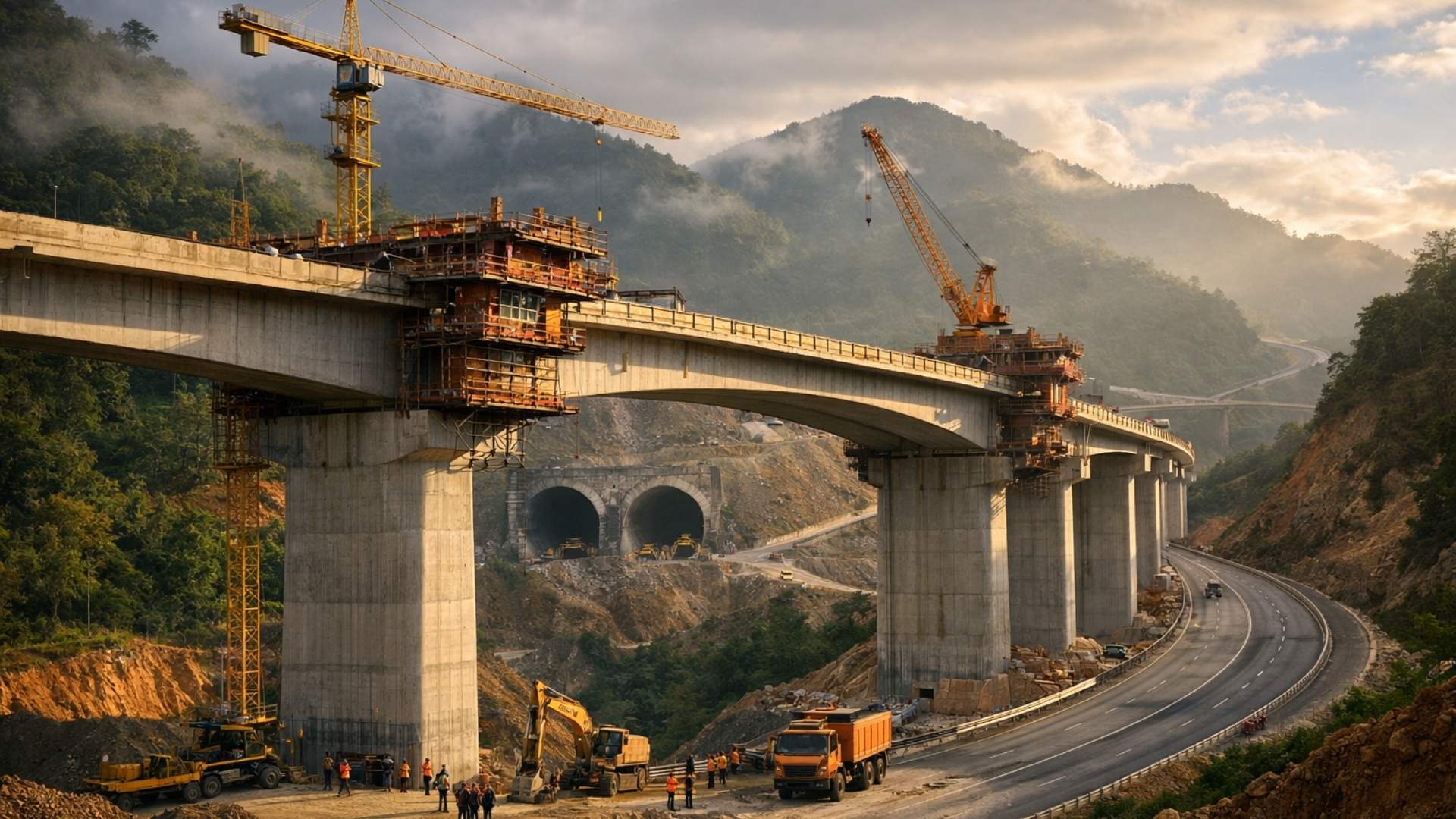
The government puts R$ 8.6 billion on the table to change the highway (BR) with 50 overpasses, 28 bridges, 4 tunnels, and 40 km of bike lanes in 180 km of historic duplication.
-
BRL 20.1 Million Bridge Project Kicks Off: 200-Meter Construction to Improve Access in Three Cities in Minas Gerais

-
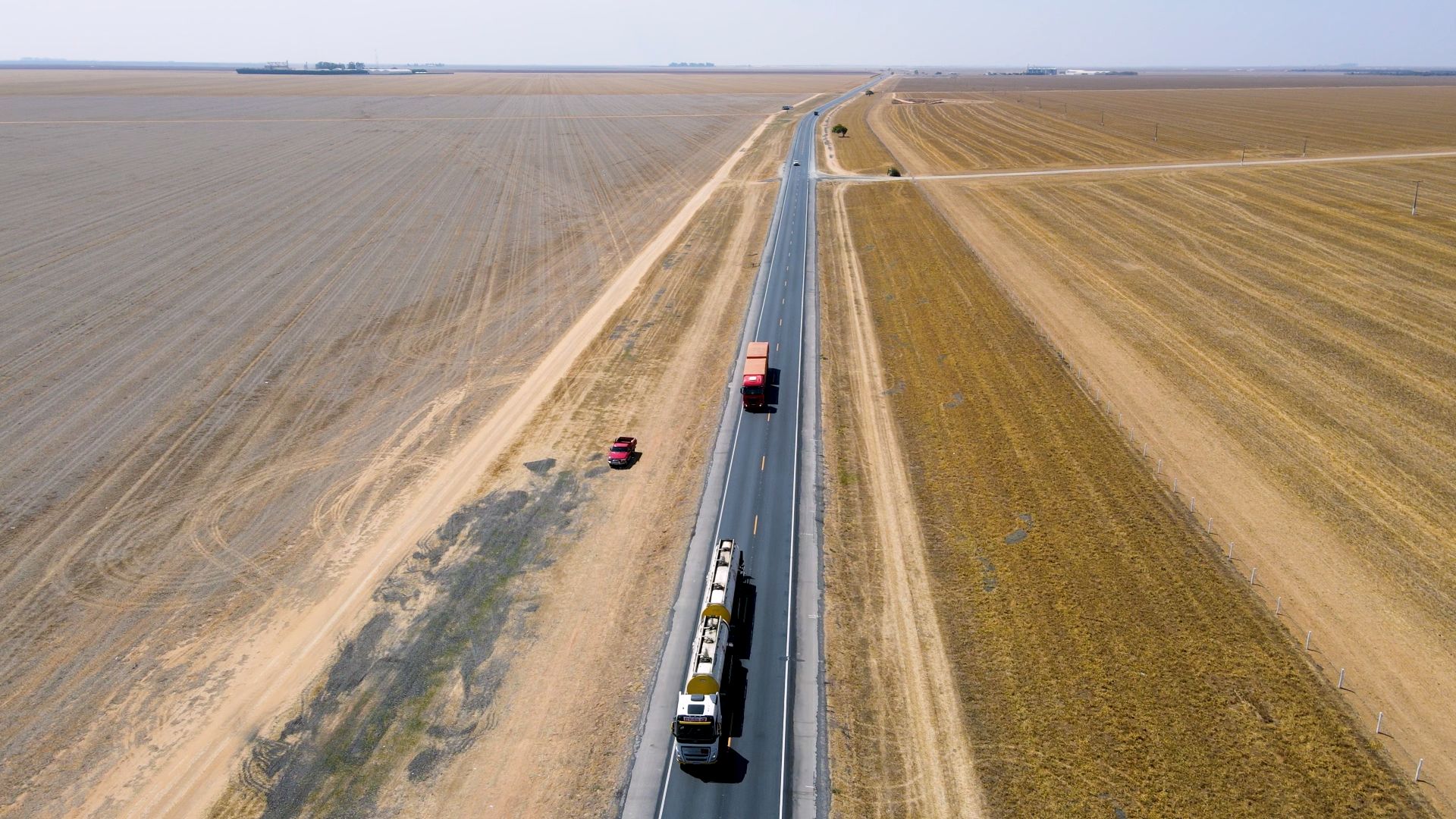
‘Endless Road’ In Brazil Is One of The Largest In The World: 145 Km Stretch On An Important Highway (BR) Crosses The West Of Bahia And Had 135.9 Km Revitalized With R$ 35.3 Million
-
Engineer From ITA Who Worked at Embraer Leads Free Flow Expansion With National Artificial Intelligence and Technology for Toll Without Barriers in Brazil


The highway of death traverses areas with significant logistical and urban traffic. Daily, thousands of vehicles use the stretch between the state capital and the Vale do Rio Doce for cargo transport and travel between rural towns.
Duplication Works Advance with a Forecast of Eight Years
With the aim of reducing accident rates on one of the most dangerous highways in Brazil, the federal government signed a concession contract with the company Nova 381 in January 2025. The agreement includes an investment of R$ 9.3 billion over the next 30 years. The initiative includes the duplication of 106 kilometers of the highway and the construction of an additional 83 kilometers of lanes.

According to the Ministry of Transportation, the works began with an emergency plan of 100 days. This first phase focuses on recovering damaged sections and improving signage, with work already underway between the municipalities of Caeté and João Monlevade.
The official estimate is that the total duplication will be completed in up to eight years, with staggered deliveries as work progresses. It is expected that the additional lanes and other improvements will start to bring results for road safety within the first two years of the concession.
Toll Collection and Rest Points Are Part of the New Project
In addition to the duplication, the Nova 381 project includes the installation of five toll plazas, which will begin charging after the 12th month of operation. The model provides for exemptions for local residents and progressive discounts for frequently used vehicles, such as intercity transport trucks.

Escape areas, rest points for truck drivers, pedestrian walkways, and remodeled access at major intersections on the highway are also planned. These elements aim to improve circulation conditions and reduce response times in emergency situations.
BR-381 will be monitored by surveillance cameras and real-time operational control centers, according to the concessionaire’s project. The idea is to allow for greater agility in responding to incidents and assisting drivers in adverse situations.
History of Delays and Interruptions Contributed to Worsening of the Situation
The conditions of the highway of death are aggravated by a history of stalled works and unmet promises. The duplication of BR-381 began to be discussed in the 1990s, but was only officially started in 2014. Since then, there have been various obstacles, such as issues with bids, contract terminations, and difficulties in funding transfers.
For almost a decade, only isolated sections were completed. The rest of the highway remained with single lanes and without adequate infrastructure for the volume of traffic. This situation has contributed to BR-381 maintaining its position at the top of the list of highways with the most records of accidents and deaths.
The new concession is seen as an attempt to accelerate work with a defined schedule and stricter oversight by the National Land Transportation Agency (ANTT).
Highway of Death Is a Cause of Anxiety Among Truck Drivers
For truck drivers who cross BR-381 daily, the journey is synonymous with increased vigilance. The presence of steep inclines, dangerous descents, and sections without shoulders are cited as risk factors. Many report difficulties during nighttime or rainy days, when visibility drops, and danger increases.
Truck drivers also complain about the lack of safe resting areas and poor maintenance of segments with potholes and inadequate signage. Even with the start of construction, workers continue to face risky situations while the new project is not fully executed.
BR-381 Continues to Require Care and Attention
While structural improvements are not finalized, the highway of death continues to require increased caution from drivers. BR-381 is currently one of the most dangerous highways in Brazil, according to data from the PRF and studies by the National Transportation Confederation (CNT).
The numbers indicate that the stretch between Belo Horizonte and Governador Valadares remains one of the deadliest in the country. The combination of high traffic, poor infrastructure, and lack of duplication still poses a high risk for those needing to travel this thoroughfare.
Despite the ongoing plans, the current situation of BR-381 demands constant attention from regulatory agencies and collaboration from drivers to avoid new accidents.






Seja o primeiro a reagir!