





 Portuguese
  English
  Spanish
  5 min of reading
  0 comments


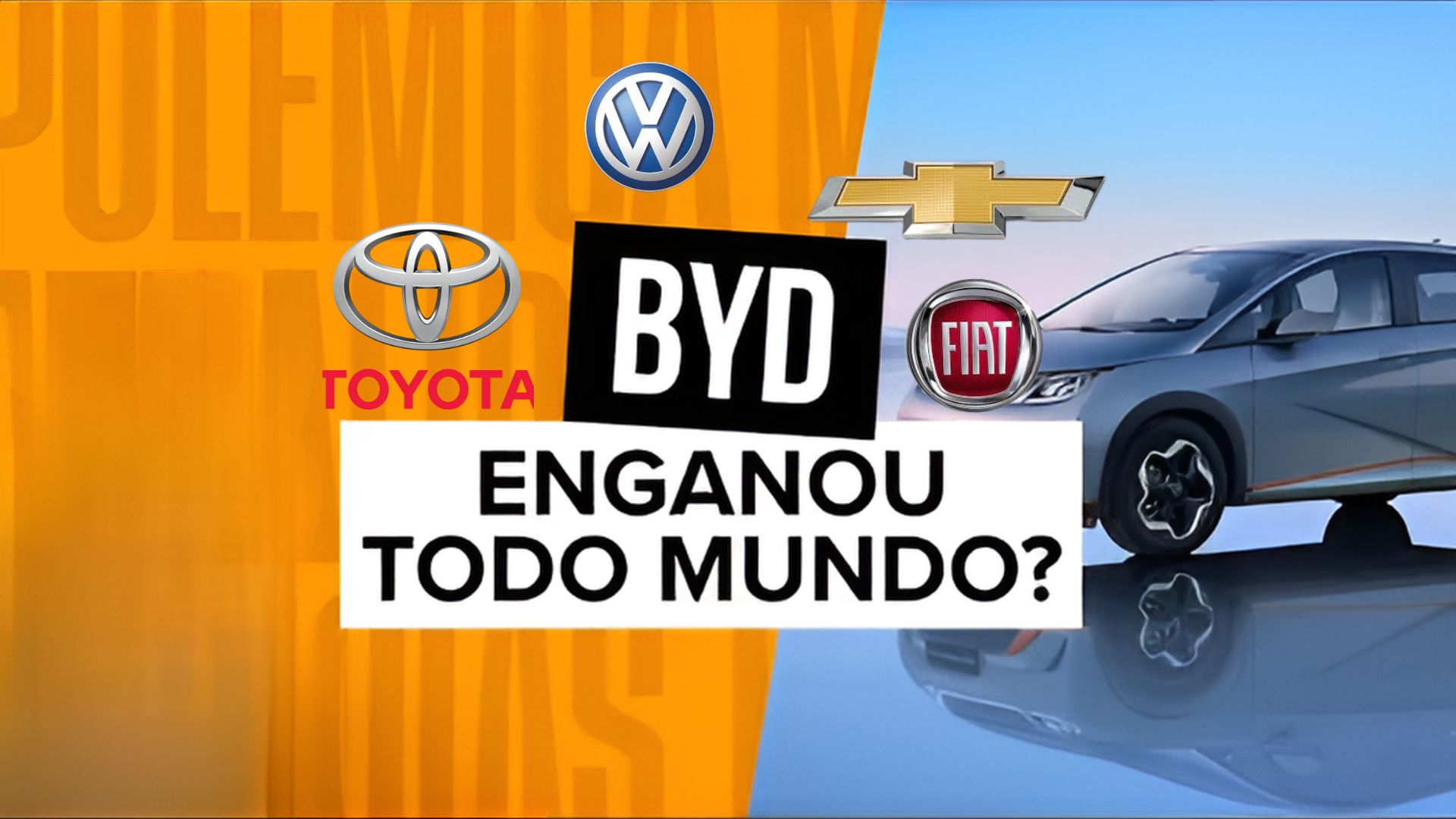
Tax Dispute And Production Strategies Put Traditional Manufacturers And Chinese Automakers On Opposite Sides, Intensifying Competition In The Brazilian Electric Vehicle Market And Revealing Challenges For The National Industry.
The advance of Chinese automakers in Brazil, especially BYD, has provoked a reaction from leading traditional manufacturers operating in the country, such as Toyota, General Motors (GM), Volkswagen, and Stellantis (the group that controls Fiat, Peugeot, and Citroën).
The dispute, which involves tax and strategic issues, gained prominence after statements by economist Charles Wicz in a video published on the Charles Wicz channel on YouTube, about the background of this competition and its impacts on the national electric vehicle market.
According to Wicz, the central point of the controversy is BYD’s request for the Brazilian government to reduce the import tax on electric vehicles brought from China in a semi-knocked down state for assembly in Brazil.
-
The largest food company on the planet, JBS, has just opened a 4,000 square meter laboratory in Florianópolis to develop customized proteins that modulate muscle mass gain, immune response, and metabolic performance.

-
After nearly 30 bids and competition among industry giants, a Spanish company purchases one of the largest airports in Brazil for almost R$ 3 billion and takes over the management of Galeão in a concession that will last until 2039.

-
The Federal Revenue Service now automatically cross-references everything you declare with data from banks, credit cards, brokerage firms, and insurance companies, and any discrepancy between your income and your expenses triggers an alert in seconds.

-
Amid global tensions, Brazil blocks the United States’ proposal at the WTO and paves the way for a trade crisis and possible retaliations.


This practice is known as SKD (Semi Knocked Down), when the car arrives with pre-assembled parts, or CKD (Completely Knocked Down), when it comes completely disassembled and is assembled locally.
There is also the CBU (Completely Built-Up) model, where the vehicle is imported fully ready.
According to the economist, other manufacturers argue that the incentive should only be granted to companies that produce entirely within the national territory.
“The government wants assembly and, preferably, manufacturing to be done in Brazil, as this creates more jobs and strengthens the local industry,” he highlighted.
Expansion Of Chinese Brands
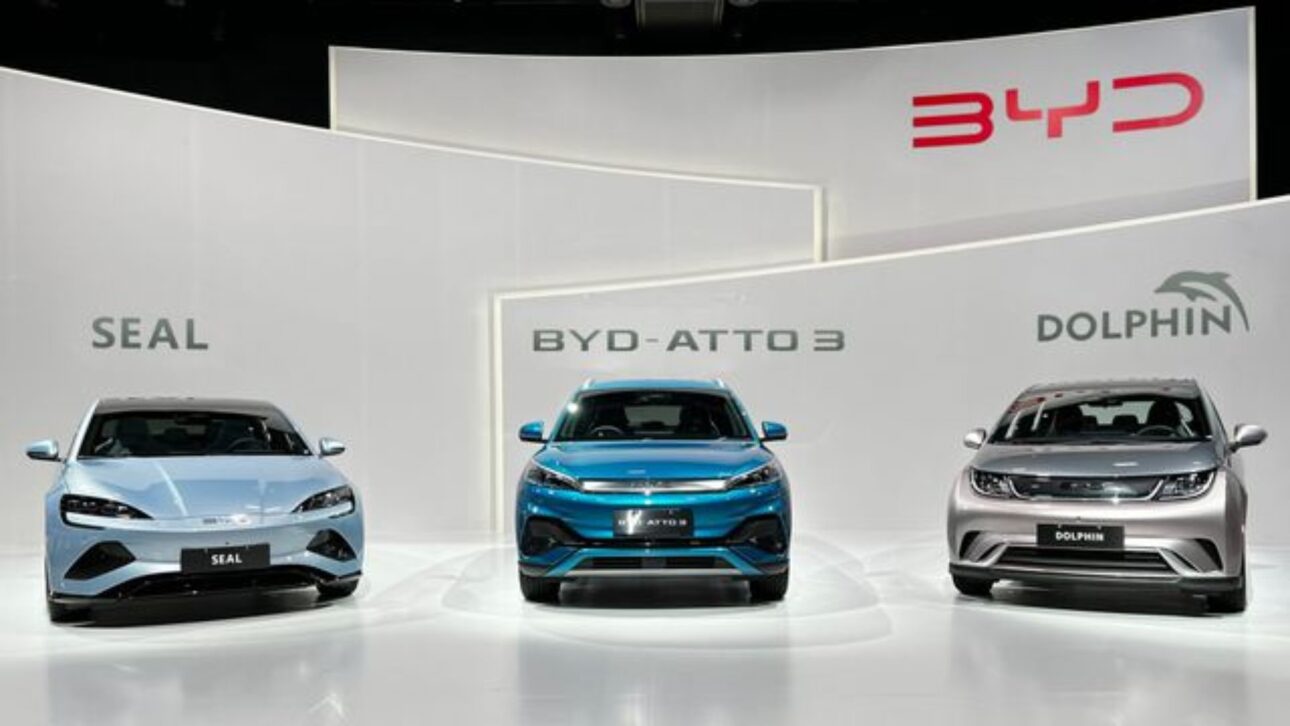
Wicz reminded that currently, more than 11 Chinese brands are already operating in the Brazilian market, including Omoda, Jaecoo, Zeekr, Neta, and Geely.
The projection, according to him, is that by the end of 2025 this number will reach 13.
For the economist, although the increase in competition may benefit consumers in terms of price and variety, there are concerns regarding technical assistance, parts supply, and resale value.
He cited cases of foreign automakers that left Brazil, such as Suzuki and Lifan, leaving customers without adequate support.
Local Production Vs. Final Assembly
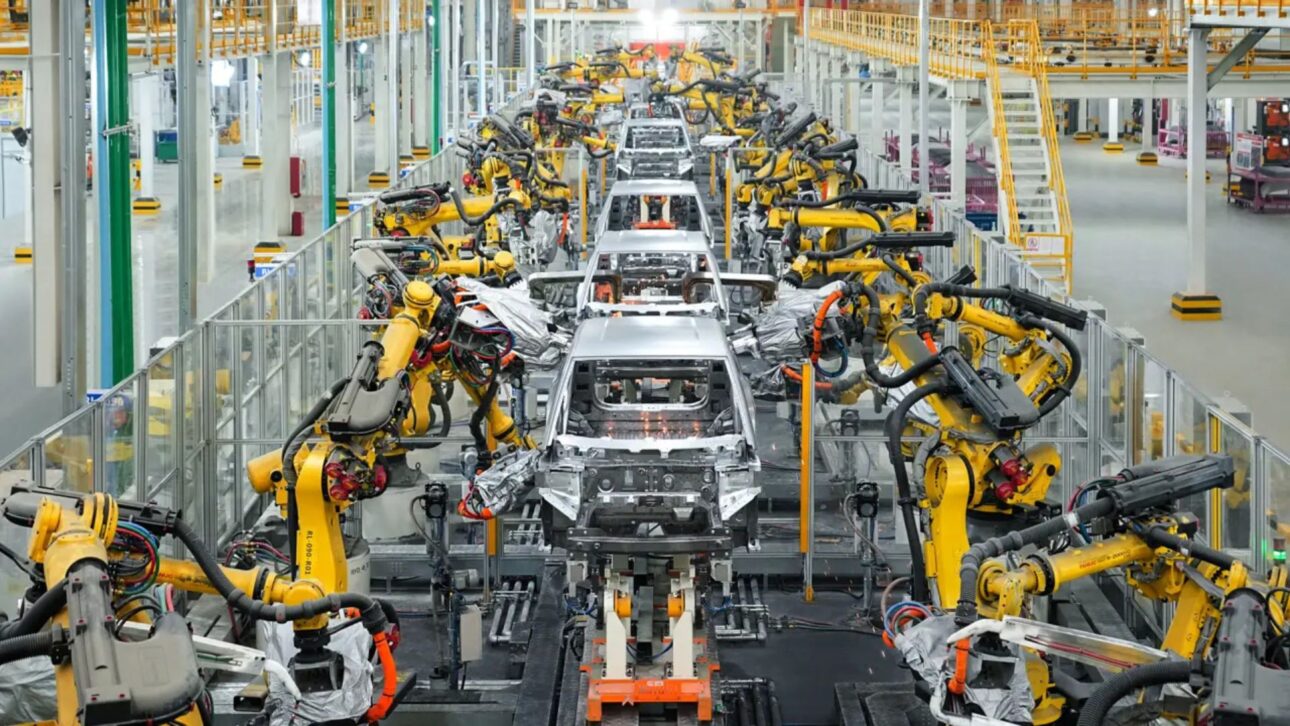
In the analysis presented in the video, BYD operates in Brazil mainly under the SKD model, bringing vehicles that are almost ready from China.
“The air in the tire comes from China,” he commented critically, to illustrate that the national content in the assembly is still virtually nonexistent.
According to the specialist, this strategy makes sense for Chinese companies, which have labor, steel, batteries, and other necessary components in China.
Thus, production is centralized in the country of origin, and only the final stage is carried out in Brazil.
Also according to Wicz, the logic of the Chinese government is clear: develop its own economy, prioritizing jobs and investments within the national territory.
“There won’t be much incentive from China to open factories that create jobs in other countries,” he observed.
Tax Dispute And The Position Of The Brazilian Government
The controversy led the federal government to accelerate the increase in taxes on electric vehicles, while at the same time extending the exemption for BYD on certain operations.
The company sought tax incentives for the SKD and CKD models until 2028, which was met in part.
According to Wicz, this was an attempt to find a balance between the demands of the National Association of Motor Vehicle Manufacturers (Anfavea) and the interests of the Chinese automaker.
Sales And Market Share
Despite the intense mobilization of competitors, the numbers show that BYD’s market share in Brazil is still limited.
According to data cited by the economist, among the 50 best-selling cars in the country in July 2025, the first model from the brand — the Dolphin Mini — appears only in the 28th position.
No vehicles from the Chinese automaker are in the top ten positions.
For Wicz, this reaction from traditional manufacturers may be linked to a preventive concern.
“The electric vehicle market in Brazil is still consolidating, but there is a fear that Chinese competitiveness in price and technology could upset the balance in the coming years,” he assessed.
Charging Infrastructure And Challenges
Another point addressed by the economist is the infrastructure necessary for electric cars to advance in the country.
He highlighted that, unlike countries like the United States, where there is a wide network of public and private chargers, Brazil still faces significant limitations.
Issues such as the adaptation of old buildings, electrical capacity in garages, and regulations from the Fire Department are barriers to large-scale adoption.
According to Wicz, there are initiatives to define specific safety rules in condominiums, but factors like the authorization of building managers and structural limitations still complicate the scenario.
In some regions, the installation of chargers may require significant upgrades to the local electrical grid.

Incentives And Industrial Policy
In the evaluation presented in the video, the ideal would be for tax incentives to be directed towards vehicles manufactured entirely in Brazil, with greater national content and job generation.
Wicz emphasized that the automotive industry already receives significant subsidies, but high production costs in the country make it difficult to compete with imported products without some form of benefit.
The federal program Sustainable Car, launched in July 2025, was cited as an example of a policy aimed at local production.
According to the economist, the initiative boosted sales of 1.0 models manufactured in the country, which grew 13% in the month, with discounts reaching R$ 13,000 in some cases.
In light of this scenario, the dispute between BYD and traditional automakers is not limited to a matter of nationality but involves market strategies, tax structure, and industrial policy.
As Charles Wicz noted, each company is “looking out for its own interest,” and it is up to the government to create balanced conditions to stimulate the sector without harming competition.
With the increasing presence of Chinese brands and the pressure from established manufacturers, the question remains: Will Brazil be able to transform this competition into real development for its automotive industry?






Seja o primeiro a reagir!