





 Portuguese
  English
  Spanish
  3 min of reading
  0 comments


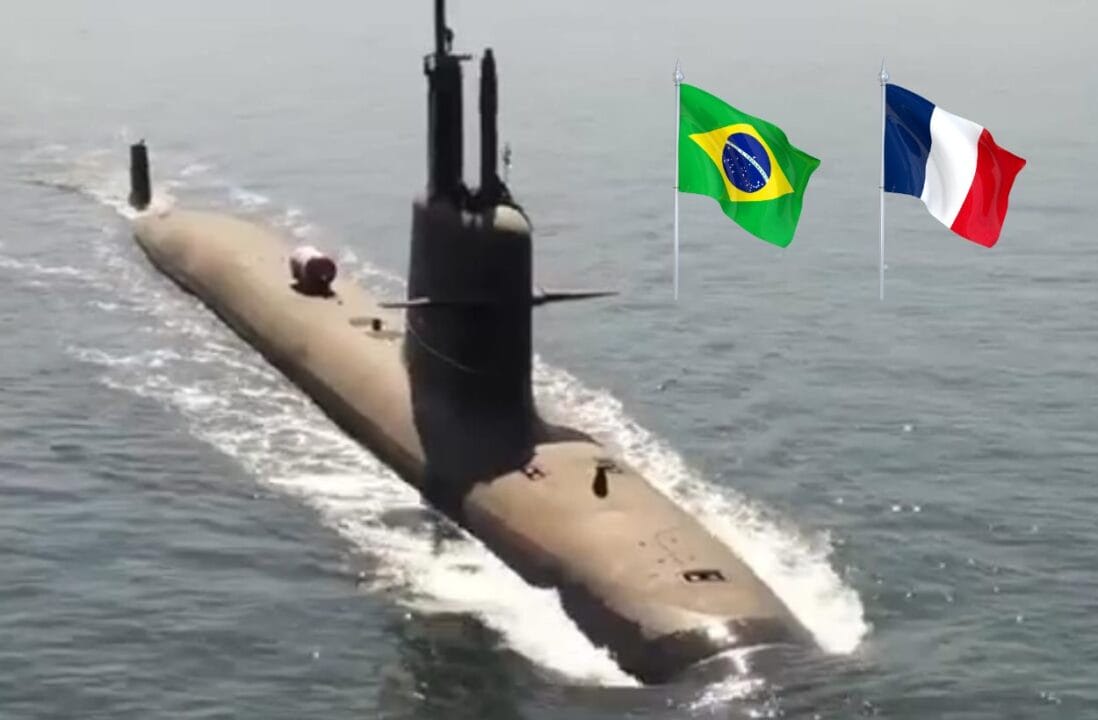
The Launch of the Brazilian Submarine Tonelero (S-42) Reflects the Strengthening of Brazil’s Maritime Defense and the Consolidation of International Technological Partnerships.
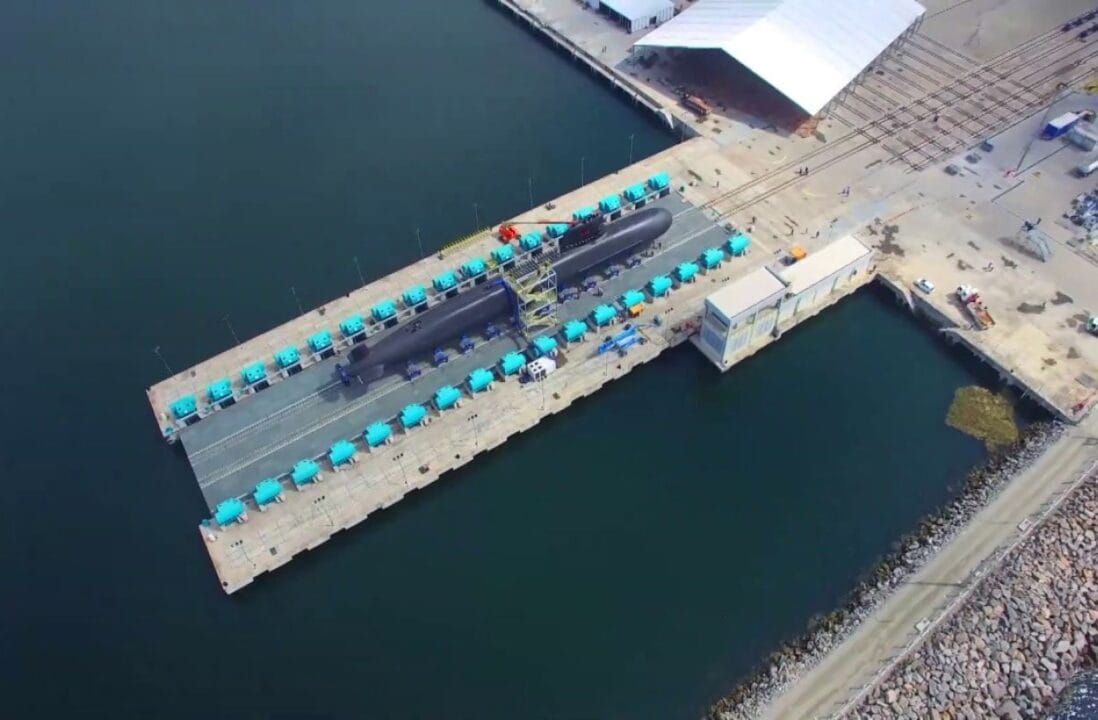
The Tonelero (S-42), a Brazilian diesel-electric submarine, will be launched in Itaguaí, Rio de Janeiro on March 27, marking a historic moment in Brazil’s defense industry. As part of the Submarine Development Program (PROSUB), this initiative, resulting from Brazil-France collaboration since 2008, stands out for its technology transfer and strengthening of the country’s naval capability.
The launch, scheduled for March 27, is expected to feature prominent figures such as the President of Brazil and the President of France, Emmanuel Macron. The First Lady of Brazil will serve as the godmother of the submarine, symbolizing the role of the Tonelero in safeguarding national sovereignty and the Blue Amazon.
Tonelero (S-42): The New Brazilian Submarine


The Tonelero (S-42) is the third vessel of the S-BR type, built entirely in the country, standing out not only for its defensive capability but also for boosting Brazilian technological and economic development. After the launch, the submarine will undergo rigorous testing, following in the footsteps of its predecessors, the Riachuelo and the Humaitá.
-
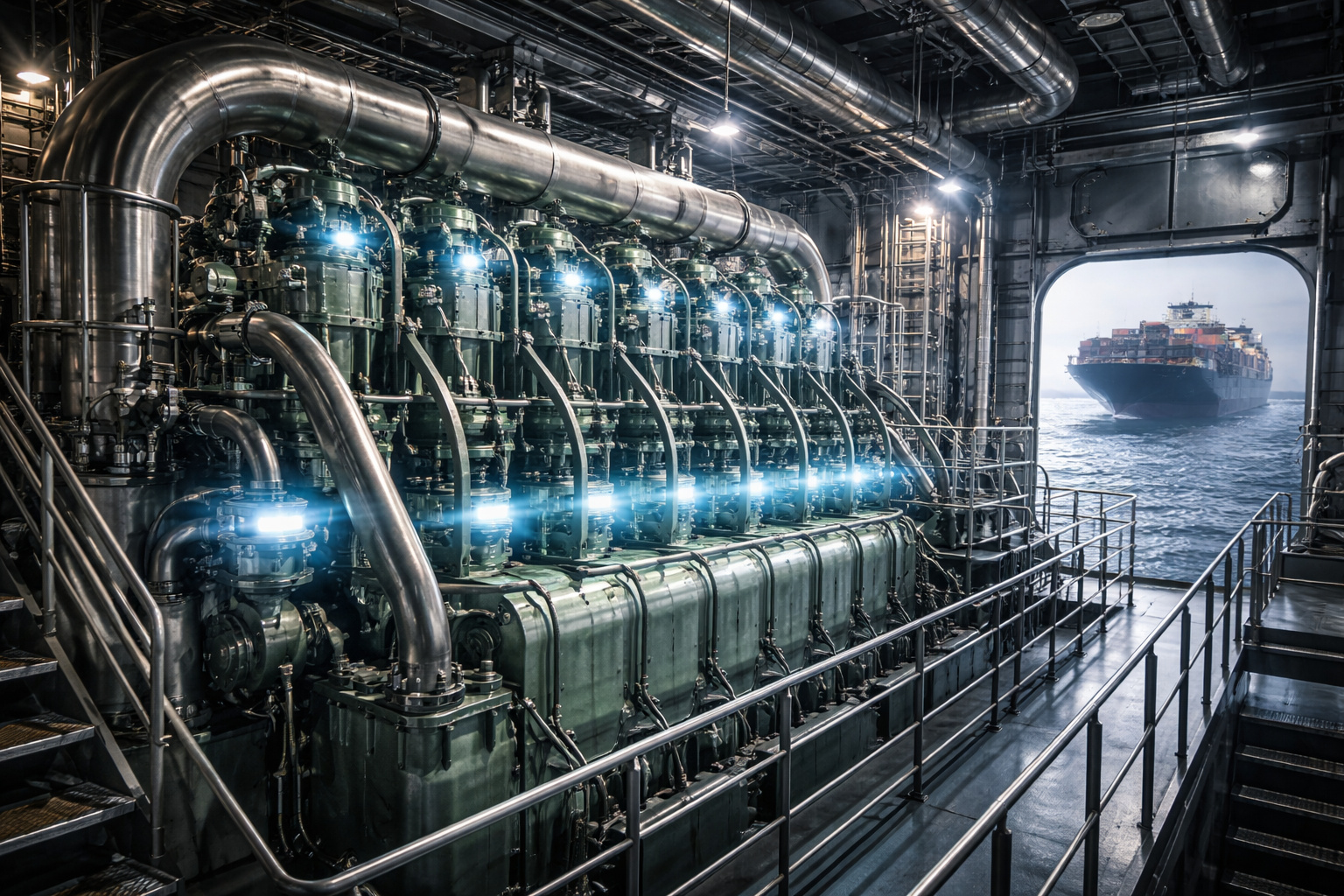
Europe is trying to create an ammonia-powered marine engine without auxiliary fuel, which could unlock the race for giant emission-free ships. The technology aims to eliminate one of the biggest obstacles to clean maritime propulsion.
-
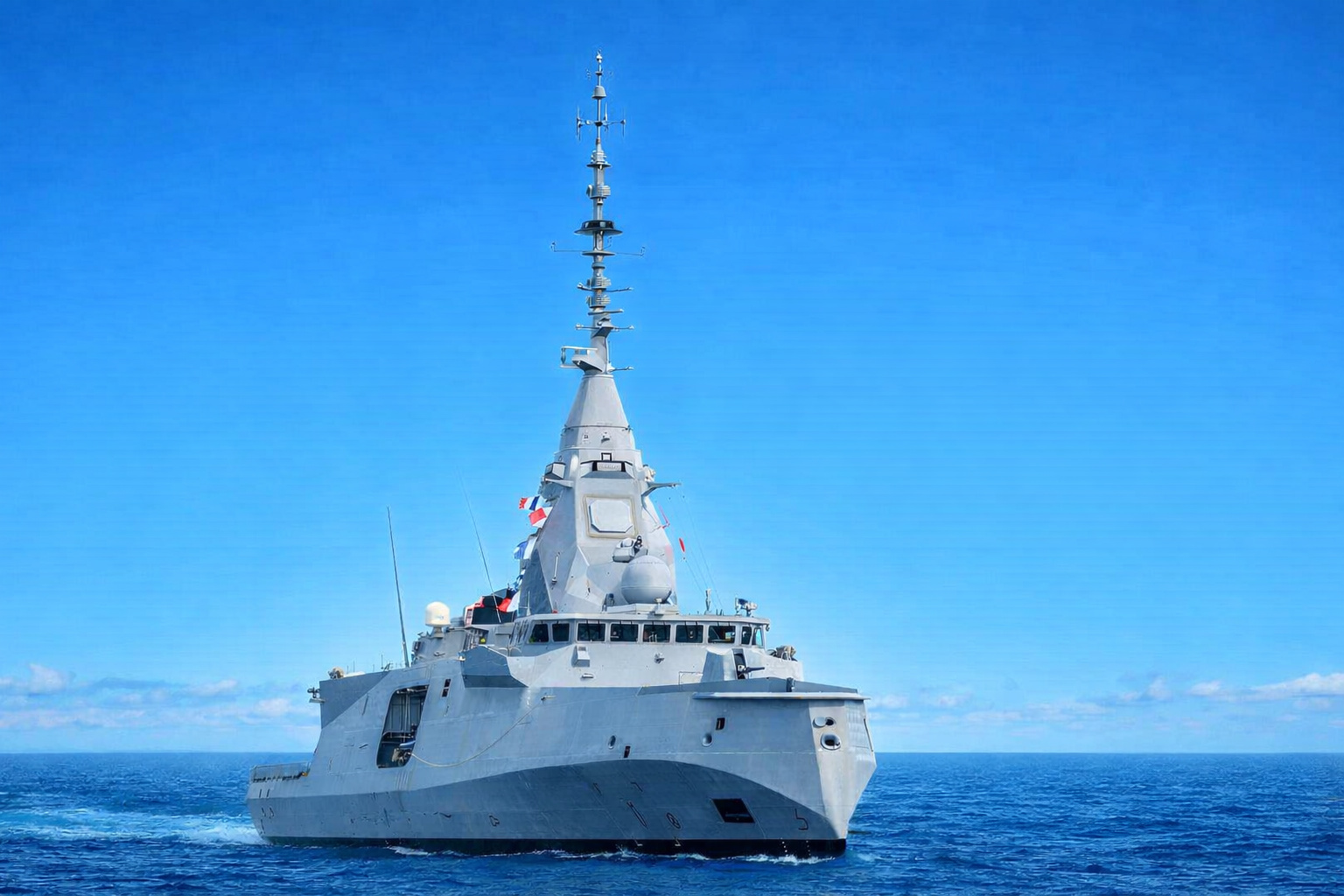
A 4,500-ton frigate with just over 100 crew members, state-of-the-art radar, and cruise missiles is being touted as the new standard of naval warfare in the 21st century.
-
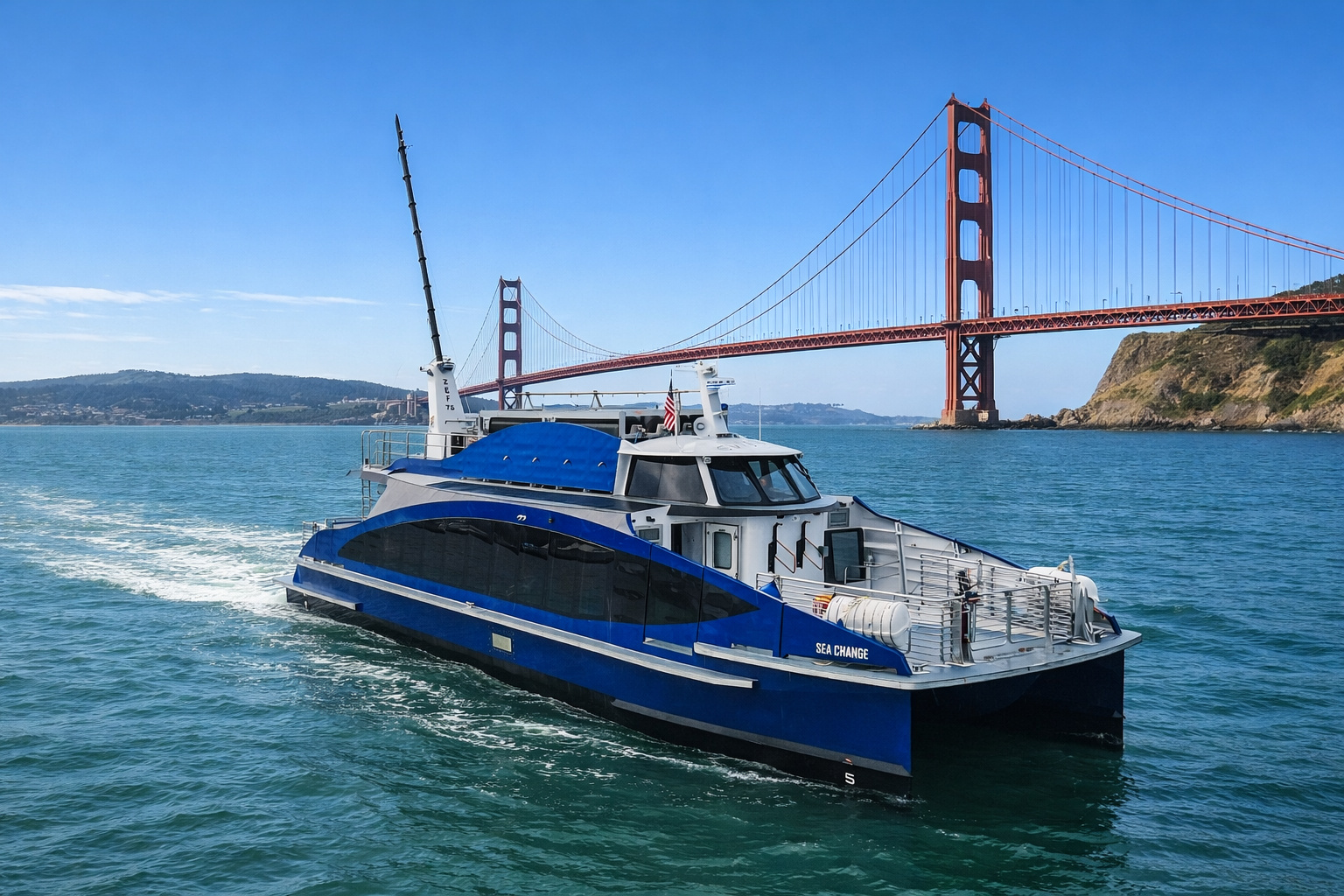
The first commercial hydrogen-powered ferry enters operation in the U.S., eliminates the use of diesel, uses fuel cells to generate clean energy on board, and transforms San Francisco Bay into a landmark of the new era of emission-free navigation.
-
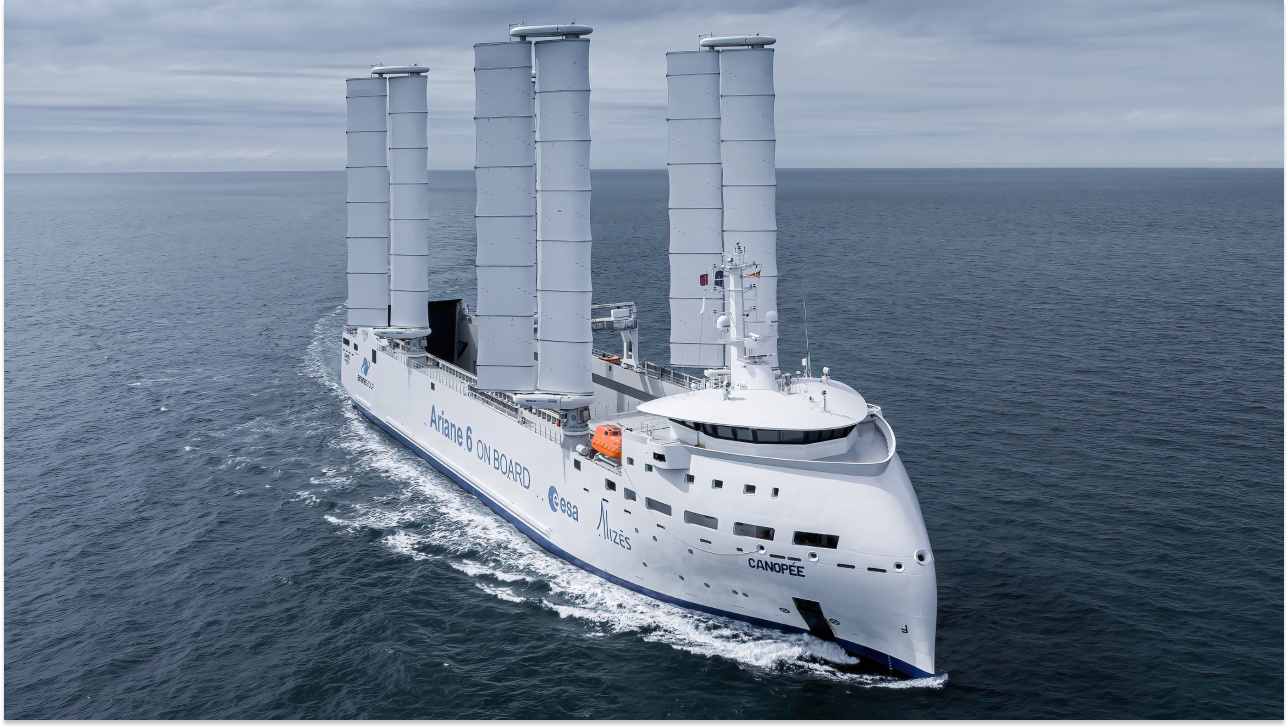
With a length of 121 meters and four rigid sails of 36 meters that automatically rotate to capture the wind, Canopée is the world’s first hybrid industrial cargo ship powered by wind, used to transport rockets and reduce fuel consumption by up to 30% on transoceanic routes.
The PROSUB schedule has faced delays, influenced by global challenges such as the COVID-19 pandemic, but the progress represents a significant milestone. The addition of the Tonelero, a Brazilian submarine, to the fleet of the Brazilian Navy is a strategic response to current defense needs, in a context where fleet renewal has become imperative, especially after the decommissioning of the submarines Timbira and Tamoio.
The Tonelero (S-42) is not only a testimony to Brazil’s industrial and technological capability but also a vital component of the country’s defense and maritime security strategy, highlighting its commitment to protecting its waters and territories.
What Is PROSUB?
The Submarine Development Program (PROSUB) represents a significant milestone in Brazilian defense and naval industry. Created in 2008 as a strategic partnership between Brazil and France, PROSUB aims to develop and strengthen Brazil’s naval capability. This initiative includes the construction of four conventional submarines and one nuclear-powered submarine, reinforcing Brazil’s position as an emerging naval power in Latin America.
PROSUB’s creators, the Brazilian and French governments, collaborated to establish a program that not only reinforces Brazil’s maritime arsenal but also boosts the naval industry through technology transfer and know-how. The conventional submarines, inspired by the French Scorpène class, are adapted to Brazilian needs, including greater fuel capacity and autonomy for extended patrols.
The most ambitious aspect of PROSUB is the development of a Brazilian nuclear submarine, a technological feat that showcases the country’s capacity for innovation and independence in the international naval arena. France’s involvement in the program goes beyond providing technology, encompassing an educational and collaborative process where Brazilian engineers and technicians are trained and actively participate in the construction and development of the submarines.
How Many Submarines Does Brazil Need?
Brazil, with its extensive coastline and valuable offshore resources, such as vast oil reserves, needs to reinforce its maritime defensive capability. Othon Luiz Pinheiro da Silva, a prominent figure in the Brazilian nuclear sector, suggests that the country needs at least six nuclear submarines for robust defense. This quantity is considered essential to efficiently patrol and protect Brazil’s coastline and its natural wealth.
Financially speaking, the construction of submarines represents a significant investment. A nuclear submarine has an estimated cost of approximately US$ 1.5 billion, highlighting the complexity and advanced technology required for its operation. In contrast, a conventional submarine, still a crucial piece for the navy, has an approximate cost of US$ 600 million.
Through PROSUB, Brazil plans to add to its fleet four conventional Brazilian submarines and one nuclear submarines. The investment for the four conventional submarines is around 100 million euros, a figure that reflects the magnitude of the country’s financial commitment to its maritime security and national defense. These investments are crucial for Brazil to achieve autonomy in its defense and to ensure the protection of its national interests and natural resources.






Seja o primeiro a reagir!