





 Portuguese
  English
  Spanish
  3 min of reading
  4 comments


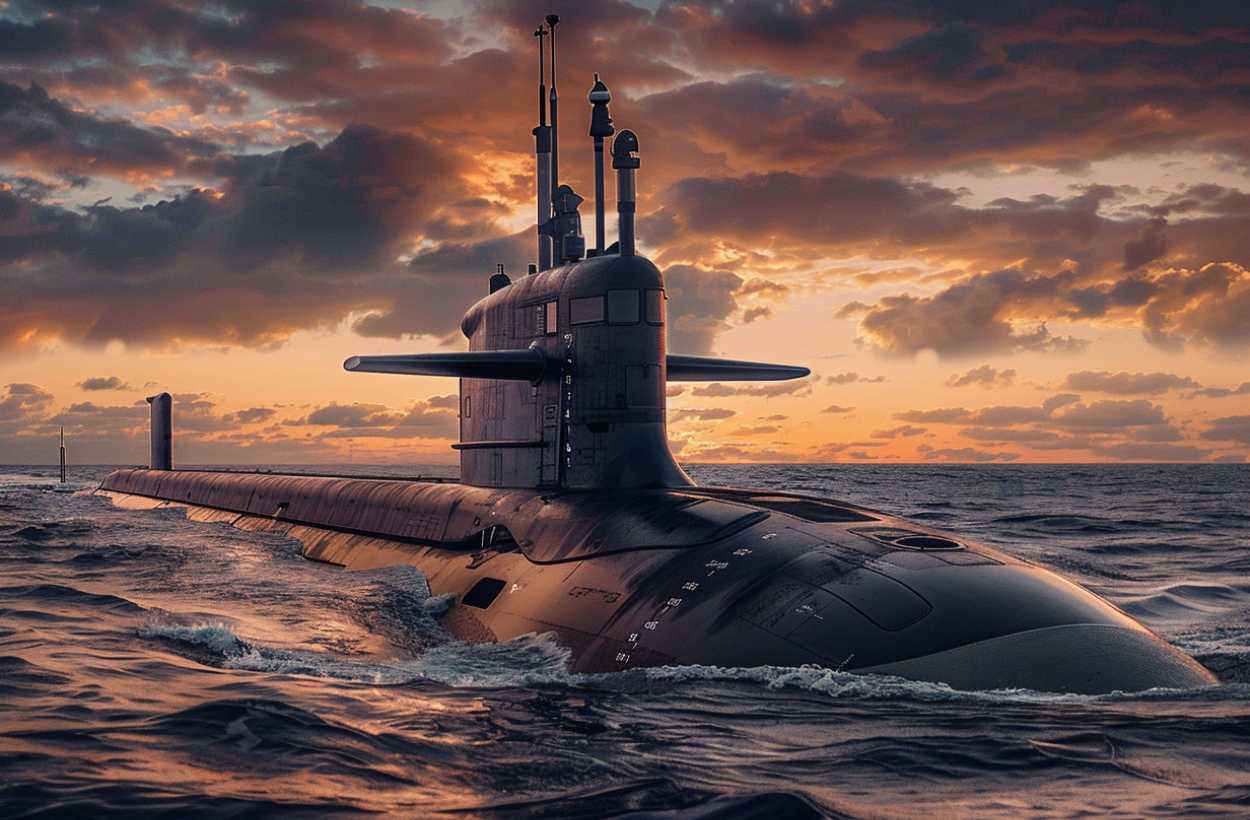

The Technological Confrontation Between Brazilian Submarine S-42 Tonelero and German U-37 Highlights the Advancement of Brazil’s Naval Industry When Compared to Germany’s Innovative Next Generation of Submarines, Showcasing the Capabilities, Autonomy and Strategic Might of Both Nations at the Forefront of Submarine Technology.
In the global naval defense scenario, the emerging Brazilian submarine S-42 Tonelero is under the spotlight, facing off against the new generation of German submarines, the Type 212 CD, exemplified by the U-37. This clash highlights the technological and strategic advancement of the Brazilian naval industry, traditionally recognized for operating Type 209 submarines, against the innovation of German engineers.
Since the 1970s, Germany has been a dominant force in submarine construction, with the Type 209 marking an era of success and global exportation, including to Brazil. However, evolution has led to the development of the Type 212 A, followed by the latest innovation, the Type 212 CD. With a stealthy design and advanced operational capabilities, the U-37 represents the pinnacle of German submarine design, planned to be launched in 2032.
Comparing the TONELERO Submarine vs U-37
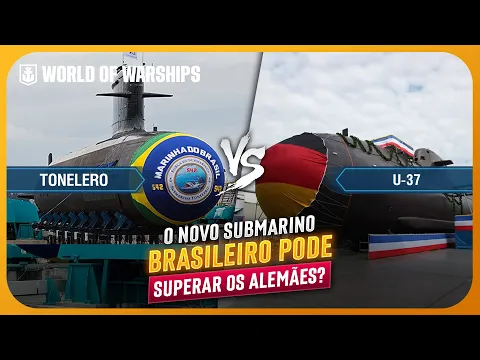

Comparatively, Brazil’s Tonelero, a submarine force of 2,000 tons capable of reaching speeds of 20 knots and operating at depths over 300 meters, demonstrates a competitive profile. Its armament includes heavy F21 torpedoes and Exocet SM39 anti-ship missiles, with the possibility of adding nationally produced Mansup missiles. Although the Tonelero presents slightly lower autonomy than the Type 212 CD, its agility and offensive power highlight the evolution of the Brazilian naval industry.
-
Europe is trying to create an ammonia-powered marine engine without auxiliary fuel, which could unlock the race for giant emission-free ships. The technology aims to eliminate one of the biggest obstacles to clean maritime propulsion.
-
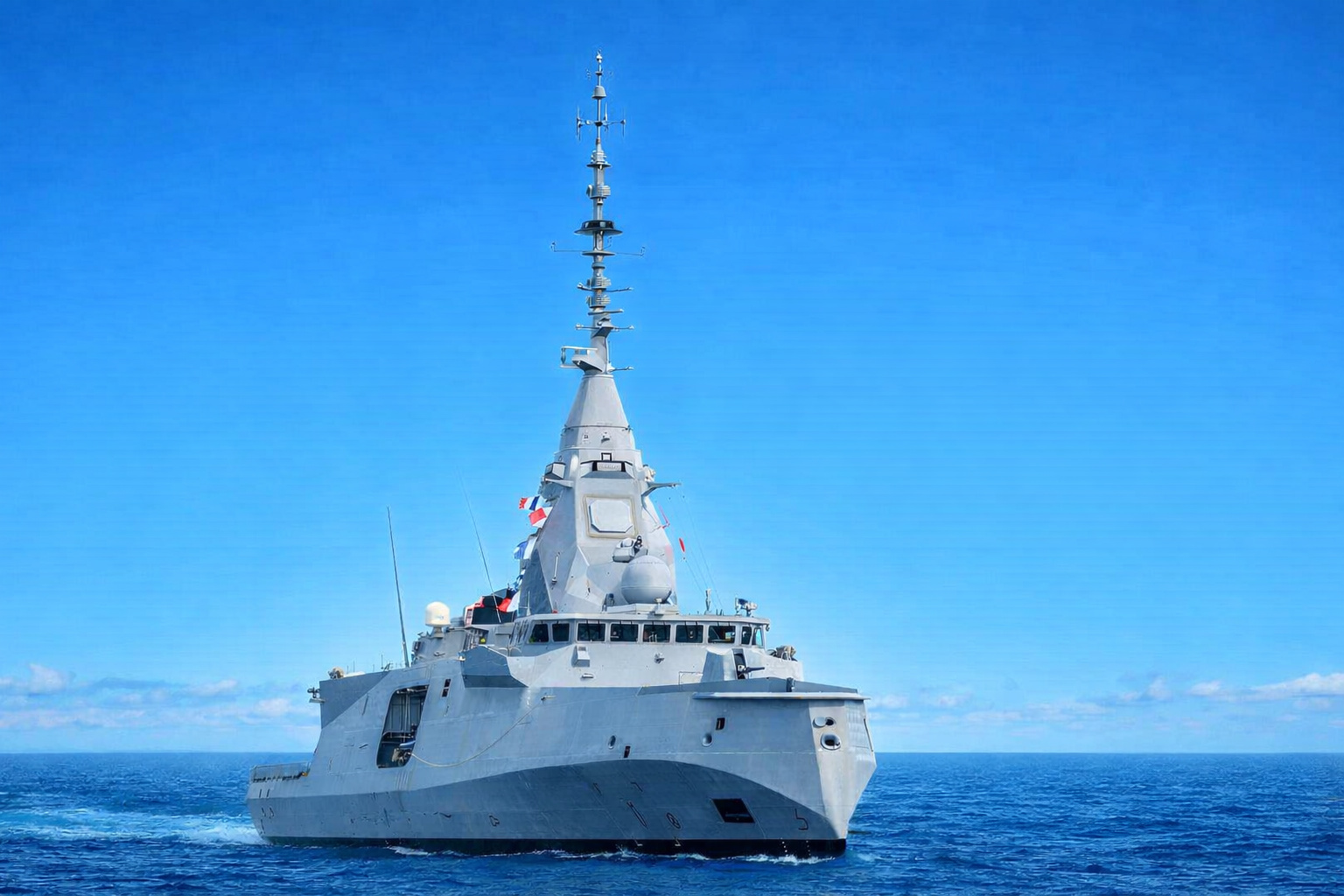
A 4,500-ton frigate with just over 100 crew members, state-of-the-art radar, and cruise missiles is being touted as the new standard of naval warfare in the 21st century.
-
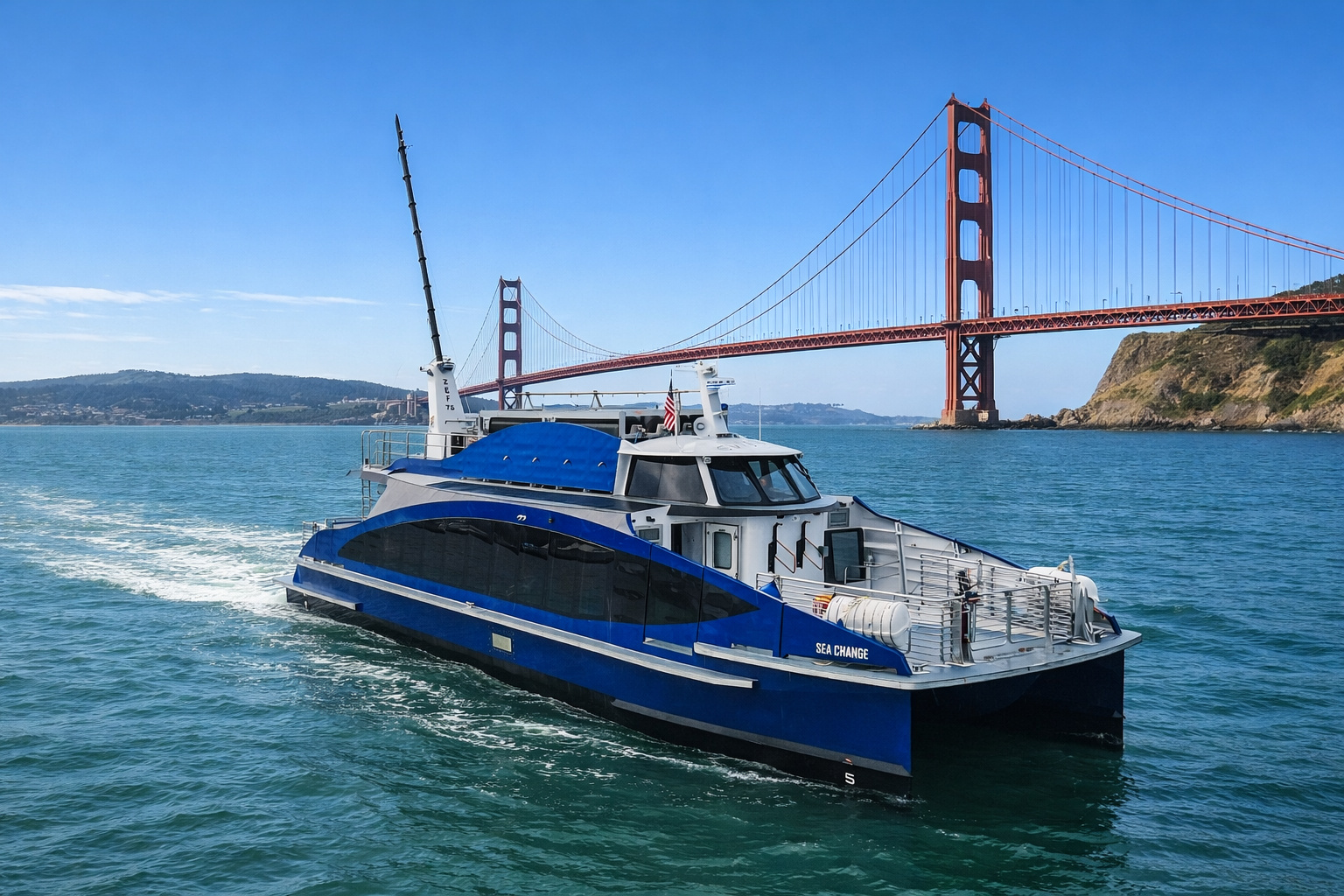
The first commercial hydrogen-powered ferry enters operation in the U.S., eliminates the use of diesel, uses fuel cells to generate clean energy on board, and transforms San Francisco Bay into a landmark of the new era of emission-free navigation.
-
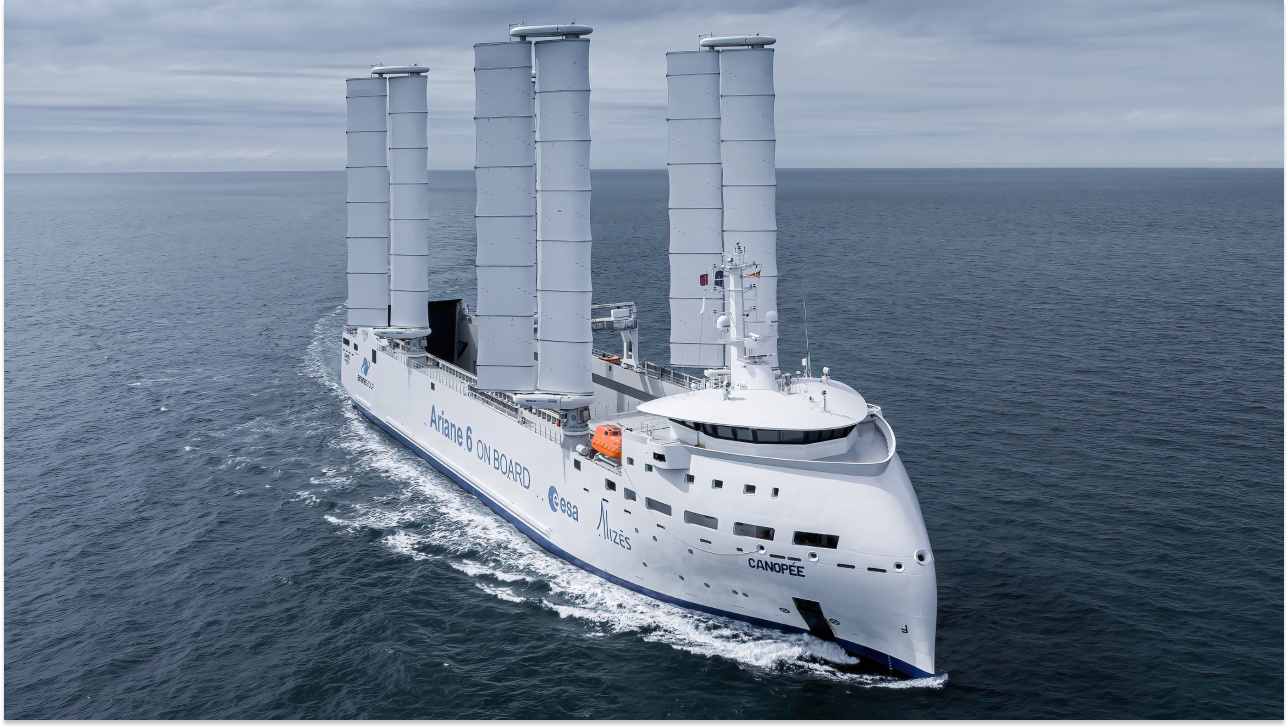
With a length of 121 meters and four rigid sails of 36 meters that automatically rotate to capture the wind, Canopée is the world’s first hybrid industrial cargo ship powered by wind, used to transport rockets and reduce fuel consumption by up to 30% on transoceanic routes.

Speed vs Silent Operation
The duel between the Tonelero and the U-37 is not just a test of technological capabilities, but also a demonstration of Brazil’s growing competence in the military naval arena. While the German Type 212 CDs are built with a focus on silent and long-duration operations, the Tonelero stands out for its speed and offensive potential.
The naval industry, both German and Brazilian, faces the challenge of developing increasingly complex and capable submarines. While the U-37 symbolizes the advancement of German technology in non-nuclear submarines, the Tonelero represents a milestone for Brazil, reflecting a legacy of collaboration and technological innovation in naval defense.
German U-37 Submarine
The U-37, representing the future generation of German Type 212 CD submarines, is designed to be more stealthy and resilient, with a larger displacement of nearly 2,500 tons. Its construction considers a diamond-shaped hull to reduce detection by active sonars. This submarine features advanced diesel-electric propulsion with an air-independent propulsion (AIP) system, allowing for prolonged and silent underwater operations, ideal for reconnaissance and surveillance missions.
Both submarines are equipped with cutting-edge technology in weapon and sonar systems, yet the U-37 places a greater emphasis on stealth and resilience capabilities, while the Tonelero prioritizes speed and operational flexibility. In terms of armament, the Tonelero is equipped with heavy torpedoes and anti-ship missiles, presenting a balance between offensive and defensive power.






Plagiando Juca Chaves o Brasil vai guerra construiu submarino e não porta aviões!!!
MGB….está de parabéns com seus novos submarinos da classe Tonelero e Riachuelo….Só falta agora uns 2/3 Porta Aviões…uns 4 encouraçados…uns 6 cruzadores e uns 20 destroires pesados….daí ficaremos muito bem na América do Sul e poderemos controlar melhor as investidas dos Chineses e Russos na América Latina
Submarino comprado x submarino com tecnologia própria