






 Portuguese
  Spanish
  3 min of reading
  1 comment


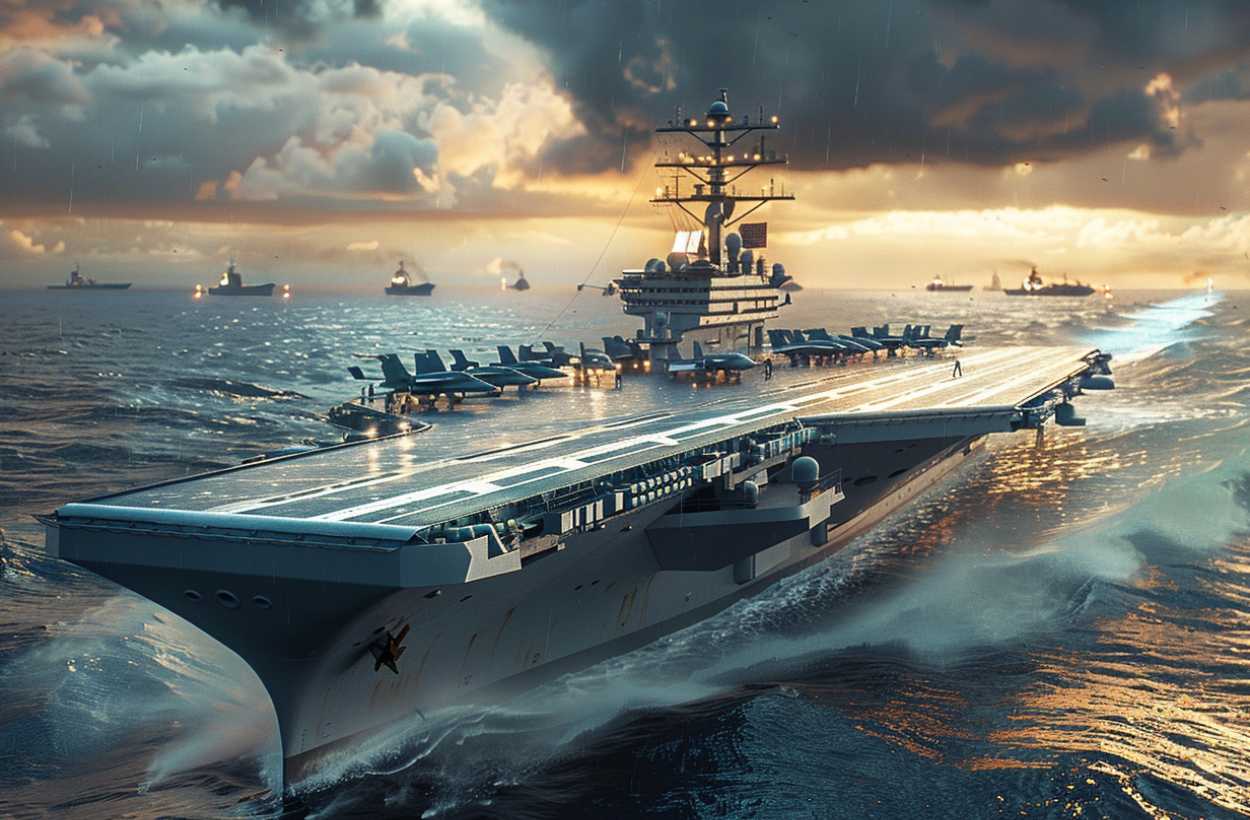

Advanced Engineering in Naval Construction and the Strategic Challenges in Aircraft Carrier Construction, Highlighting Its Importance as Floating Command Centers That Strengthen Global Military Presence, Highlighting the Political and Economic Implications of Their Construction and Maintenance.
An Aircraft Carrier is a demonstration of strength, engineering and naval construction, acting as a sovereign military base at sea. Designed to launch and recover aircraft, these giants of the oceans are crucial for global air operations, regardless of local land bases.
As fleet flagships, Aircraft Carriers enable air projection anywhere in the world, making them critical elements in a nation’s defense strategy and international influence. The cost of building an Aircraft Carrier is astronomical, reflecting its strategic importance and operational capability.
Although they do not possess the direct firepower of other warships, their vulnerability is mitigated by the escort of additional ships, protecting them against threats from enemy vessels, aircraft, or submarines.
-
Without a mansion, without high investment, and without a traditional classroom, a teacher living in a 22 m² house taught students to build a 9 m² studio apartment with the equivalent of R$10,000.

-
Without her own home and pressured by rent, a 25-year-old bought a small 15-meter boat, gradually renovated the interior by herself, transformed the interior with paint, new flooring, a larger bathroom, and started living on the canals, paying much less per month.
-
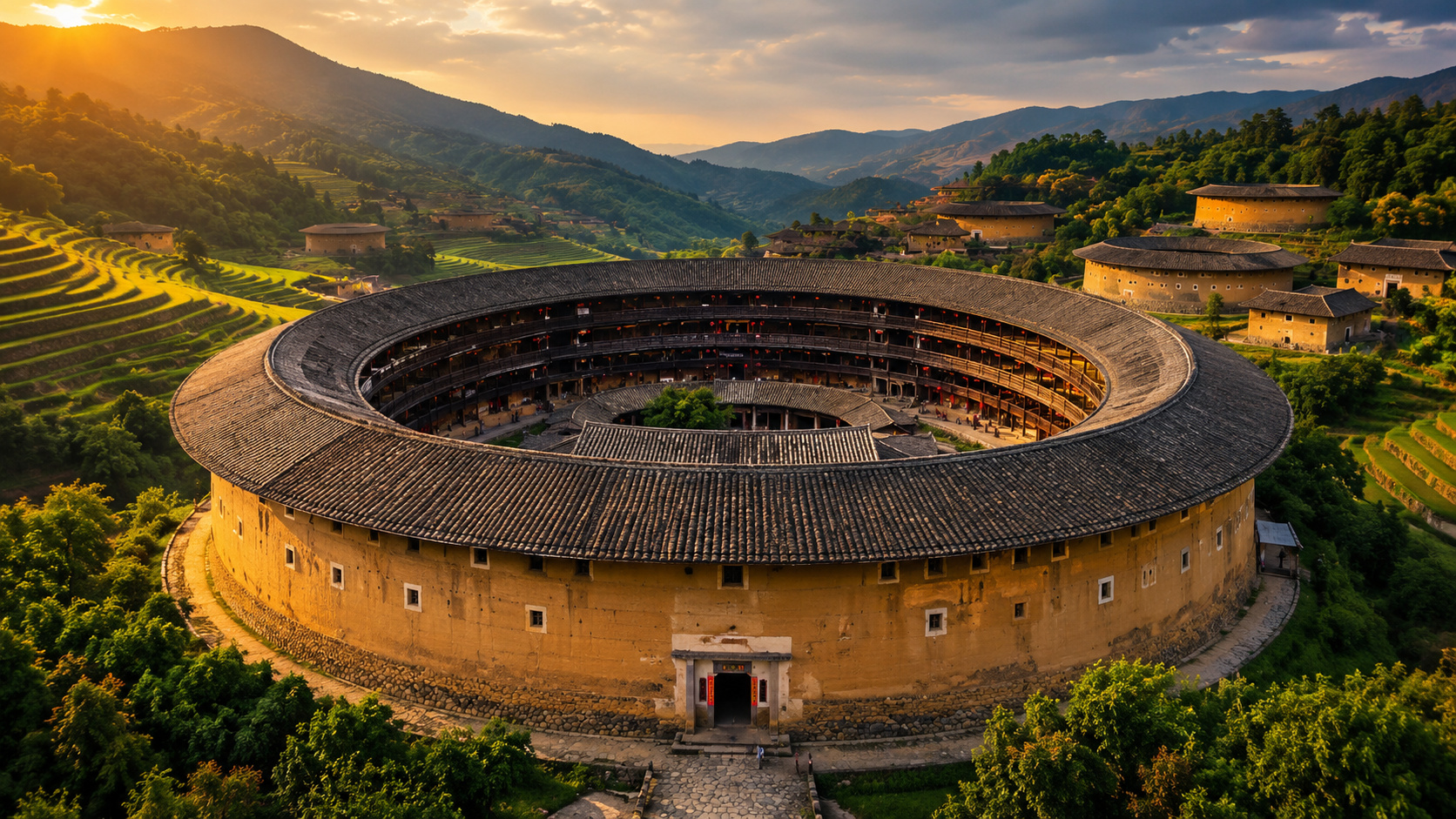
Long before sustainable construction became a trend, China built earthen fortresses with multiple floors, a central courtyard, and the capacity to house up to 800 people living in a community.
-
He got tired of renting, bought an old school bus, removed the seats, modified the roof, reinforced everything with steel, and created a two-story mobile home that looks small on the outside but houses two bedrooms inside.



Engineering and Technology in Aircraft Carrier Naval Construction


The journey of constructing these colossi begins long before the initial cut of steel. Naval engineers and designers work closely together to conceive a vessel that not only meets contemporary operational and technological needs but also overcomes the technical and strategic challenges involved.
The construction process encompasses everything from manufacturing the steel structure to installing complex propulsion, energy, communication, and defense systems, culminating in the final integration of the aircraft launch and recovery systems.
Each Aircraft Carrier is a floating fortress, equipped with advanced defense systems and cutting-edge technology, requiring meticulous planning and precise coordination. The unique challenges in constructing these vessels include not only technical complexities but also significant political, strategic, and budgetary considerations. Of course, before activation, an Aircraft Carrier undergoes rigorous testing to ensure its functionality and operational capability.
Pillars of Global Defense Strategy
The decision to build and maintain an Aircraft Carrier involves geopolitical considerations, reflecting the importance of these ships in the chess game of international politics and national defense. The ability to project power and the operational flexibility of Aircraft Carriers make them crucial assets in maintaining global maritime security and executing the military and diplomatic strategy of countries. As technologies evolve, these leviathans of the seas will continue to be central pieces in military operations and global geopolitics.
And What Drives These Aircraft Carriers?
Conventional aircraft carriers use diesel or other similar naval fuel, which powers turbines or engines to generate the propulsion necessary for moving the ship. These fuels are more common in smaller vessels and require periodic refueling.
On the other hand, nuclear aircraft carriers, such as those of the Nimitz and Ford classes of the United States, utilize nuclear reactors. This technology allows for the generation of a significant amount of power for propulsion and operation of onboard systems, without the need for frequent refueling. Nuclear reactors can operate for years without interruption, which gives nuclear aircraft carriers practically unlimited operational capacity and range, along with greater efficiency on long missions.


Um Navio-Aerodromo, para usar o termo técnico com o qual as marinhas tratam este tipo de navio, são antes de tudo uma decisão de Estado. E dependem estritamente da visão geo estratégica de mundo e, principalmente, do país e seu papel no cenário internacional.
Como nação, o Brasil ainda está muito longe da maturidade política, institucional e social que suporte tal decisão.
Tivemos 2 porta-aviões. Ambos decisões da Marinha do Brasil. Não temos mais nenhum. O último, o Nae São Paulo foi afundado no Atlântico e jaz a mais de 5 km de profundidade.
A sociedade e o poder público e a seara política não guardam memória dele. Foi-se sem deixar saudades, e sem substituto à altura na esquadra.
Quando um novo virá? Ninguém sabe.
Nem mesmo a Marinha do Brasil.