





 Portuguese
  English
  Spanish
  4 min of reading
  0 comments



Investigation reveals criminal network in Nepal that manipulated diseases, forged diagnoses, and simulated medical emergencies to profit from international insurance
What seemed like a dream adventure in the highest mountains on the planet turned into a nightmare for dozens of international tourists. A sophisticated criminal scheme on Mount Everest revealed shocking practices that involved everything from the deliberate poisoning of travelers to the forgery of medical diagnoses to defraud insurers.
The information was disclosed by “The Kathmandu Post,” based on investigations conducted by Nepalese authorities, which point to the existence of a highly structured network involving tour guides, hospitals, helicopter operators, and trekking agencies. According to the gathered data, the scheme moved around US$ 19.69 million (approximately R$ 17 million) in fraudulent claims, becoming one of the largest cases of fraud linked to tourism in the region.
How the scheme that poisoned tourists on Everest worked
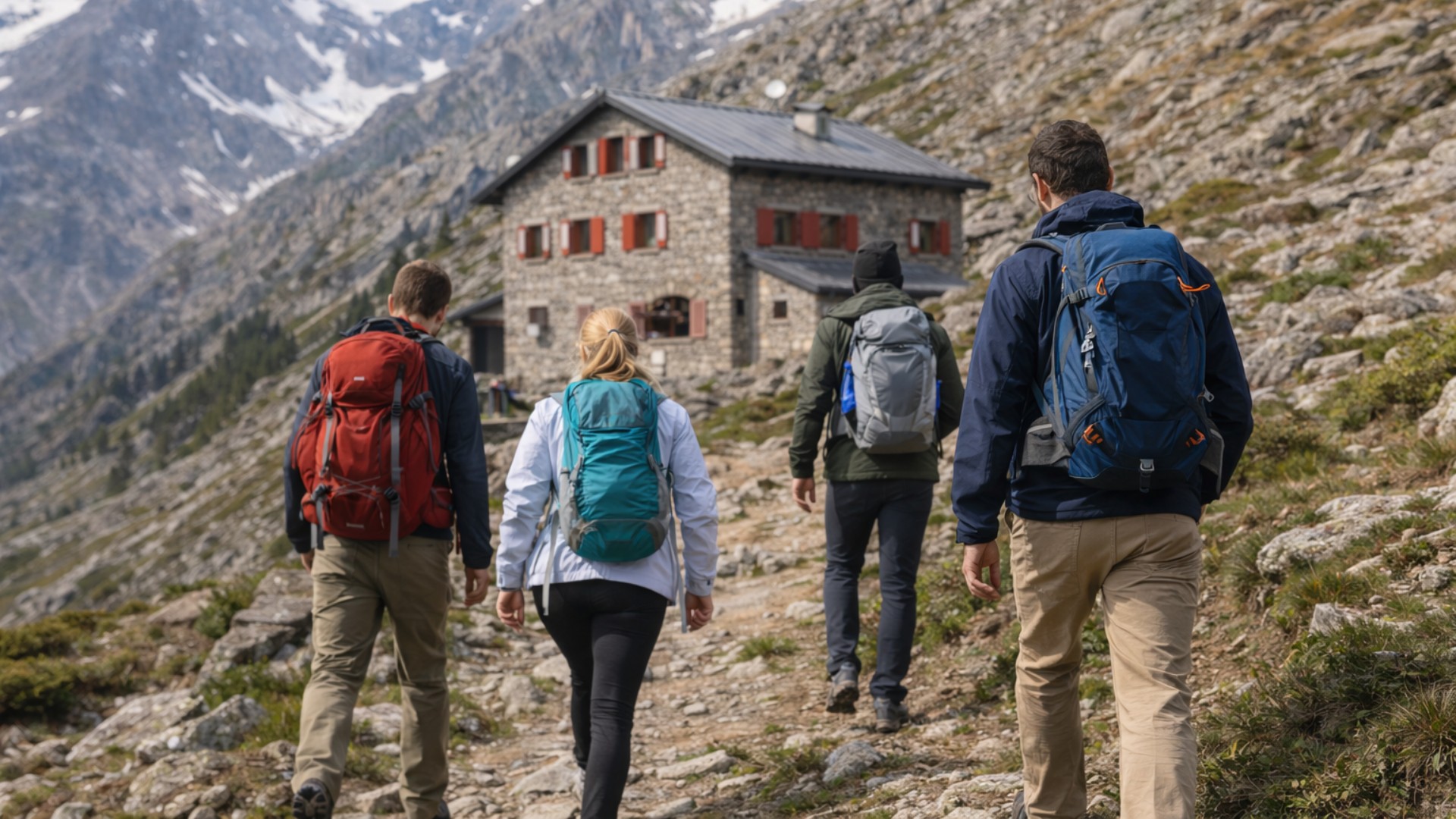
Initially, tourists were exposed to manipulated situations to provoke symptoms similar to altitude sickness — a real and potentially fatal condition. However, as investigations revealed, many of these symptoms were artificially induced.
-
Hidden beneath the dense forest of the Sierra Nevada, Betoma emerges in a neighbor of Brazil as the greatest archaeological discovery of the century, revealing a colossal ancestral city covering over 18 km², with 8,334 stone structures and the potential to rewrite the history of South American civilizations.

-
Goodbye iron: new technology from Xiaomi promises to revolutionize the way we iron clothes with 500 kPa steam, continuous flow of 120 g/min, heating in 65 seconds, and six smart modes for different fabrics.

-
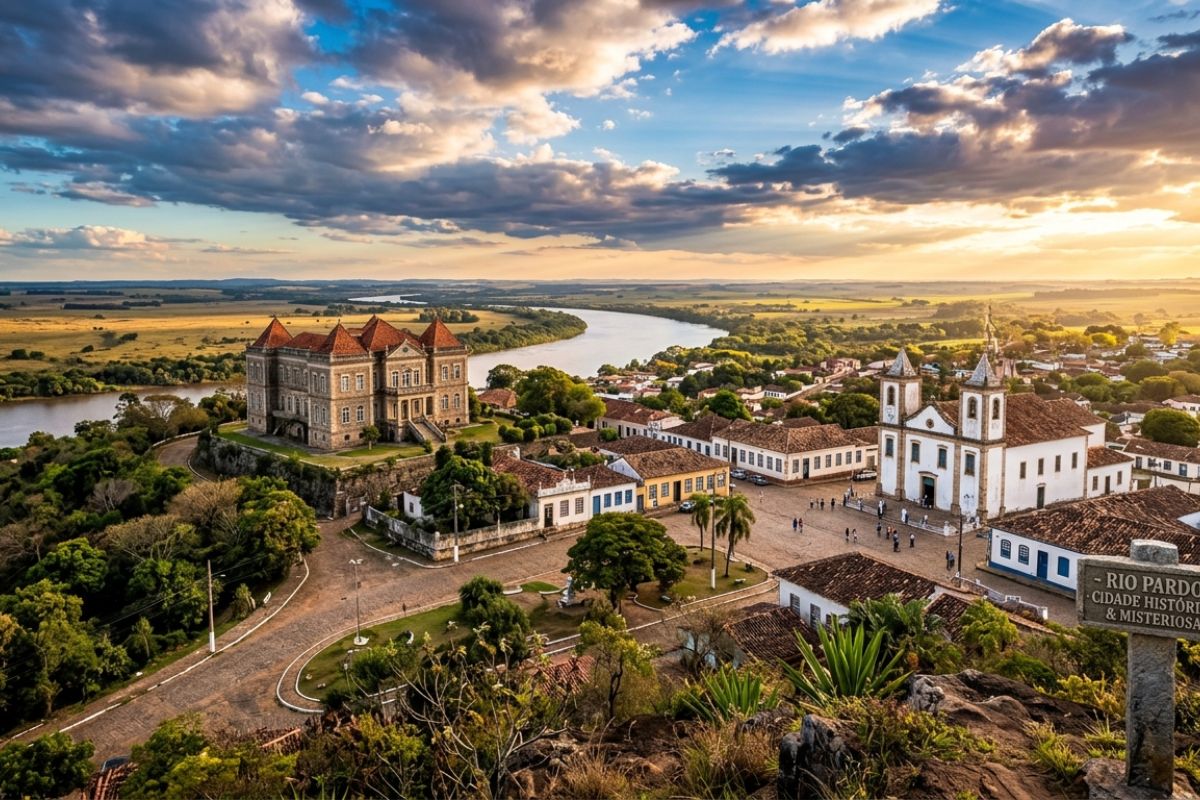
Rio Pardo, the most mysterious city in Rio Grande do Sul: untouched Pampas castle, the missing treasure of the Devil Boy, bride’s saint, invisible tunnels, and a 200-year curse today.
-
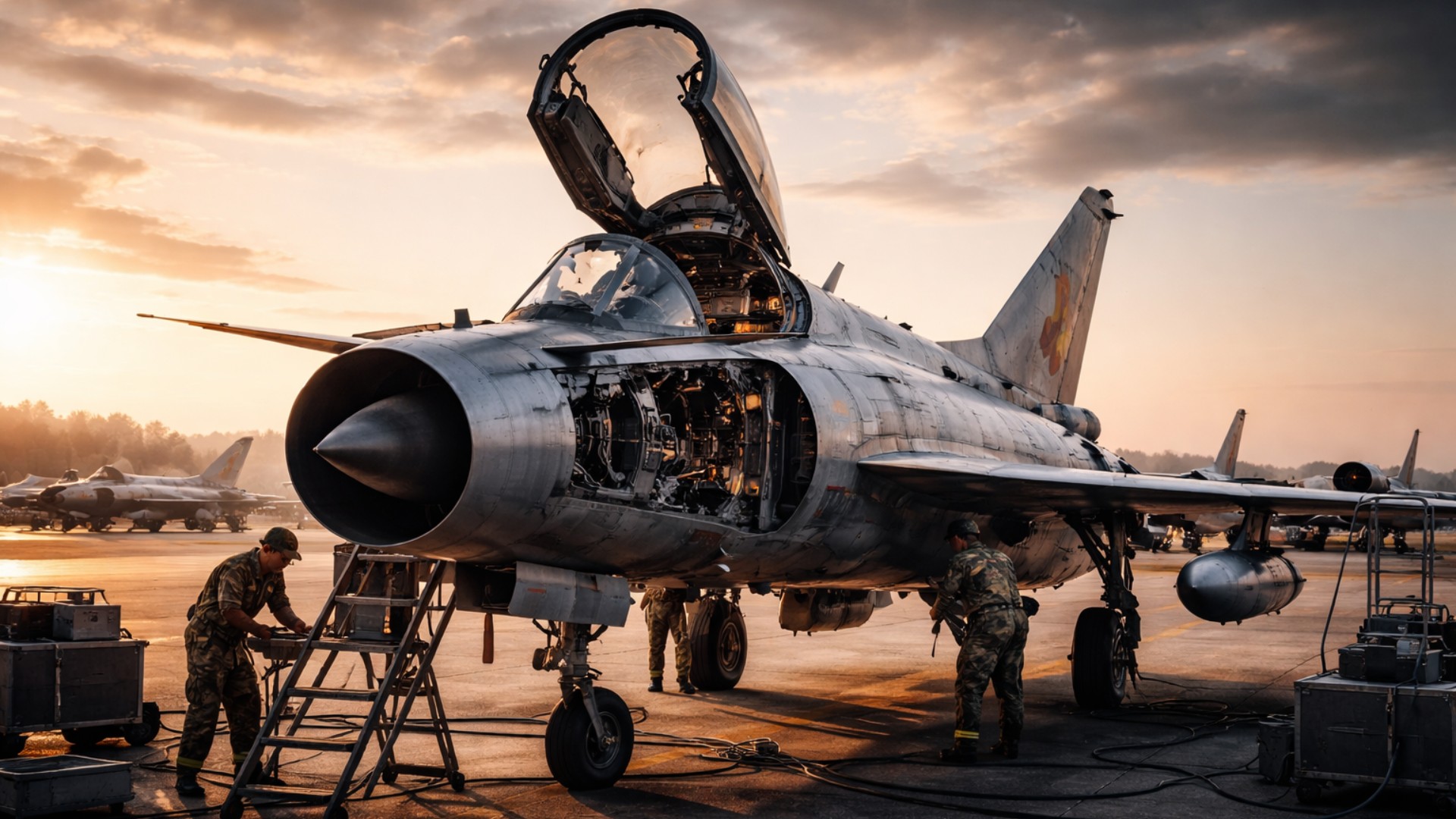
China retires the J-7 fighter after years of military protection and can now transform military items into drones, following more than 60 years of operation of the J-7, derived from the MiG-21, with thousands of units produced and strategic use in the PLAAF and PLANAF.

According to international press “People“, guides adulterated food with substances like baking soda, causing gastrointestinal discomfort. As a result, travelers presented symptoms such as nausea, vomiting, and weakness, which were easily confused with typical high-altitude illnesses.
Additionally, in other cases, tourists were pressured to fake symptoms or had their clinical conditions exaggerated by local staff. In certain situations, even the misuse of medications and excessive water intake were used to simulate medical emergencies.
Consequently, upon presenting these symptoms, tourists were quickly evacuated by helicopters — an extremely expensive service often covered by international insurance.
Medical fraud, false documents, and millions embezzled
After the rescue, the scheme advanced to an even more serious stage. Tourists were taken to hospitals or clinics that participated in the fraudulent system. In these units, diagnoses were fabricated or inflated, creating a false justification for hospitalizations and treatments.
Moreover, medical reports were forged, while flight records and invoices were manipulated to increase the amounts charged. In many cases, companies presented charges as if each passenger had been transported individually, significantly raising costs.
According to authorities, there was even a profit-sharing scheme: hospitals passed on between 20% and 25% of the amounts to trekking companies and helicopter operators. Tour guides also received commissions, and in some cases, tourists were financially incentivized to participate in the fraud.
The numbers are impressive. Between 2022 and 2025, 4,782 foreign patients were identified as having been treated in investigated hospitals, with 171 cases confirmed as fraudulent. Only one hospital received over US$ 15.8 million related to suspicious activities, while rescue companies submitted claims exceeding US$ 10 million.
Oversight failures allowed the crime to continue
Although the scheme had already been exposed previously, back in 2018, measures to curb the fraud were ineffective. A report of about 700 pages was prepared with recommendations for stricter controls; however, according to experts, the lack of practical implementation allowed the system to continue operating for years.
Thus, the absence of effective punishments ended up encouraging the continuation of criminal activities. As highlighted by the head of the Central Investigation Department (CIB), Manoj Kumar KC, impunity was a decisive factor: “When there is no action against crime, it thrives.”
The most recent investigation was reopened in September 2025, following new allegations, resulting in the indictment of 32 people for crimes such as fraud and organized crime. Of these, nine suspects were arrested, while others remain at large.
Impacts on tourism and global alert for travelers
On the other hand, the scandal raises serious concerns about the credibility of tourism in Nepal, especially in the trekking regions of the Himalayas, which heavily depend on foreign visitors.
Additionally, the difficulty of international oversight exacerbates the problem. In remote areas, with limited communication, insurers face challenges in verifying the authenticity of medical emergencies. They often rely on local companies — which, in many cases, were involved in the scheme itself.
Images collected during the investigation show absurd situations: tourists registered as seriously ill patients being seen consuming drinks in cafes, while their medical records indicated hospitalizations.
In light of this scenario, pressure is growing on the Nepalese government to implement stricter control mechanisms and restore confidence in the sector. Experts say that only severe punishments and efficient oversight can prevent similar cases in the future.
In the face of such an alarming case, the reflection remains: would you trust your life to an expedition on Everest knowing that behind the adventure, there may be a million-dollar scheme putting tourists at risk just for profit?





Seja o primeiro a reagir!