





 Portuguese
  English
  Spanish
  4 min of reading
  4 comments




Official Announcement of Toyota Yaris Production Closure in Brazil, with Details About Transition to Yaris Cross and Impact on Japanese Manufacturer’s Production Line. Find Out How the Change Redefines the Competition Among Compact SUVs.
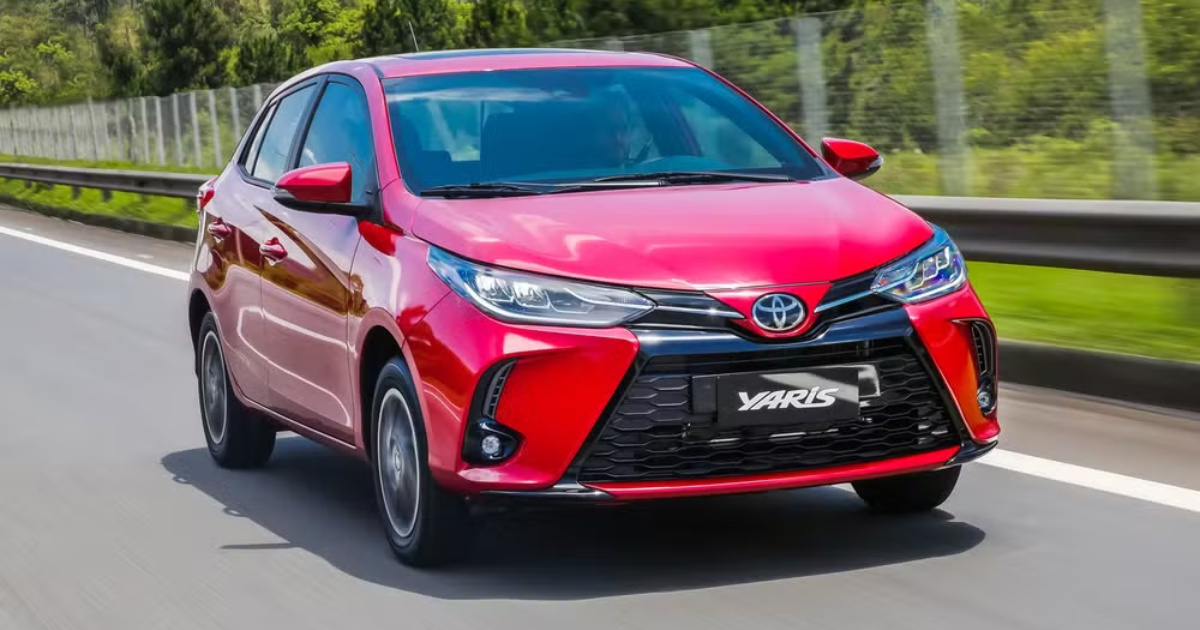
The closure of production for the Toyota Yaris and Yaris Sedan in Brazil was confirmed on Tuesday (19) by the Quatro Rodas portal, marking the end of a six-year cycle for these models in the national market.
The official information from the Japanese manufacturer represents a significant reconfiguration of Toyota’s portfolio, which now focuses on the launch of the Yaris Cross to compete in the compact SUV segment.
Departure of Yaris and Adaptation of Sorocaba Plant
Already in the August price list, the Yaris and Yaris Sedan no longer appeared among the options available to Brazilian consumers, signaling the end of sales for these vehicles in the country.
-
The car stored for 38 years: when opening the barn door, what appears is breathtaking and looks like a scene from a movie!

-
Fiat works miracles in the Brazilian market, lowers the price of its 0 km hatch to R$ 69,990, reestablishes the model as the cheapest car in the country, and reignites the battle against Kwid and C3.
-
Chevette with cooking gas: How the gas cylinder ends up being used in cars clandestinely and why this makeshift solution can result in leaks, explosions, damaged engines, and seized vehicles.

-
Fiat launches the new 2027 Toro hybrid with 48V, 176 hp, an electric motor of 15.5 hp, a 0.85 kWh battery, up to 7% fuel savings, 8% fewer emissions, and possible exemption from IPVA.

As detailed by Toyota, the two models are no longer being sold without the arrival of direct substitutes with the same body styles.
The gap will be filled by the Yaris Cross, which will play a role in repositioning the brand among the more commercially appealing compacts.
The national production of the Yaris was officially concluded on December 31, 2024, at the Sorocaba (SP) plant.
The plant, however, continues to operate with three shifts, prioritizing production for export, especially to markets like Argentina, where the model is still well received.
Since the end of production aimed at the domestic market, Toyota has focused on selling remaining stocks, both at dealerships and at the industrial unit itself.
Decline in Yaris Sales and Updated Data
Throughout 2025, the commercial performance of the Yaris showed a significant decline.
In May, the Yaris Sedan dropped to 266 units sold, well below the 599 units registered in April. During the same period, the hatchback fell from 827 to 530 registrations.
The situation worsened in the following months: in June, both sold fewer than 200 units each, while July recorded only 16 units of the hatch and 31 of the sedan.
In August, preliminary data from Fenabrave indicated only 4 registrations for the Sedan and 3 for the hatch.
Toyota Comments on Departure and Future Production
Toyota stated in a press release that “the production of the Yaris hatch and sedan for sale in the Brazilian market has been concluded after six years of important contribution to strengthening the brand’s presence in the country and Latin America.”
According to the company, the model will continue to be produced for export to regional markets, such as Argentina.
The manufacturer also emphasized that the reorganization will not impact jobs at the Sorocaba plant, as the unit will continue its activities normally to meet new demands.
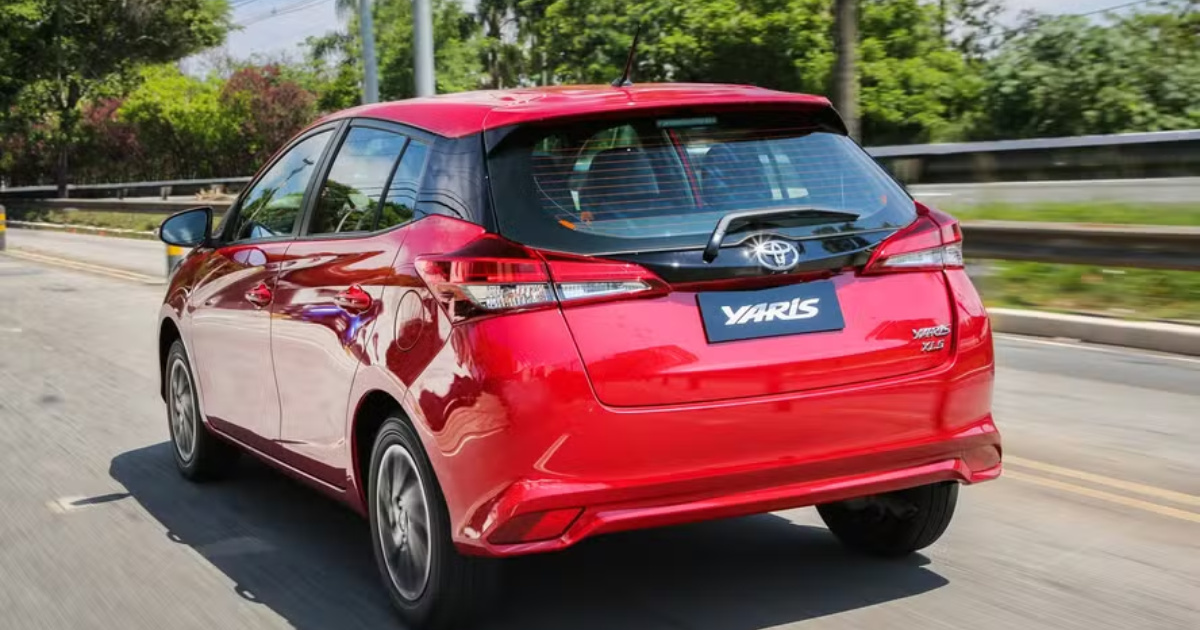
Evolution of Portfolio and Arrival of Yaris Cross
The departure of the Yaris from the Brazilian market directly impacts Toyota’s portfolio.
The model, launched in the country in 2018, was developed as an alternative above the Etios, bringing more standard features and a higher price positioning.
While the Etios aimed to compete with cars like Gol and Onix Joy, the Yaris hatch primarily competed with Polo and the new generation of Onix.
It is important to note that the version offered in Brazil was based on an Asian project, aimed at emerging markets, and not on the European version of the model.
This move reflects a change in strategy in response to the new preferences of Brazilian consumers, who are increasingly inclined to choose compact SUVs.
To meet this demand, Toyota is betting on the launch of the Yaris Cross, expected in October 2025.
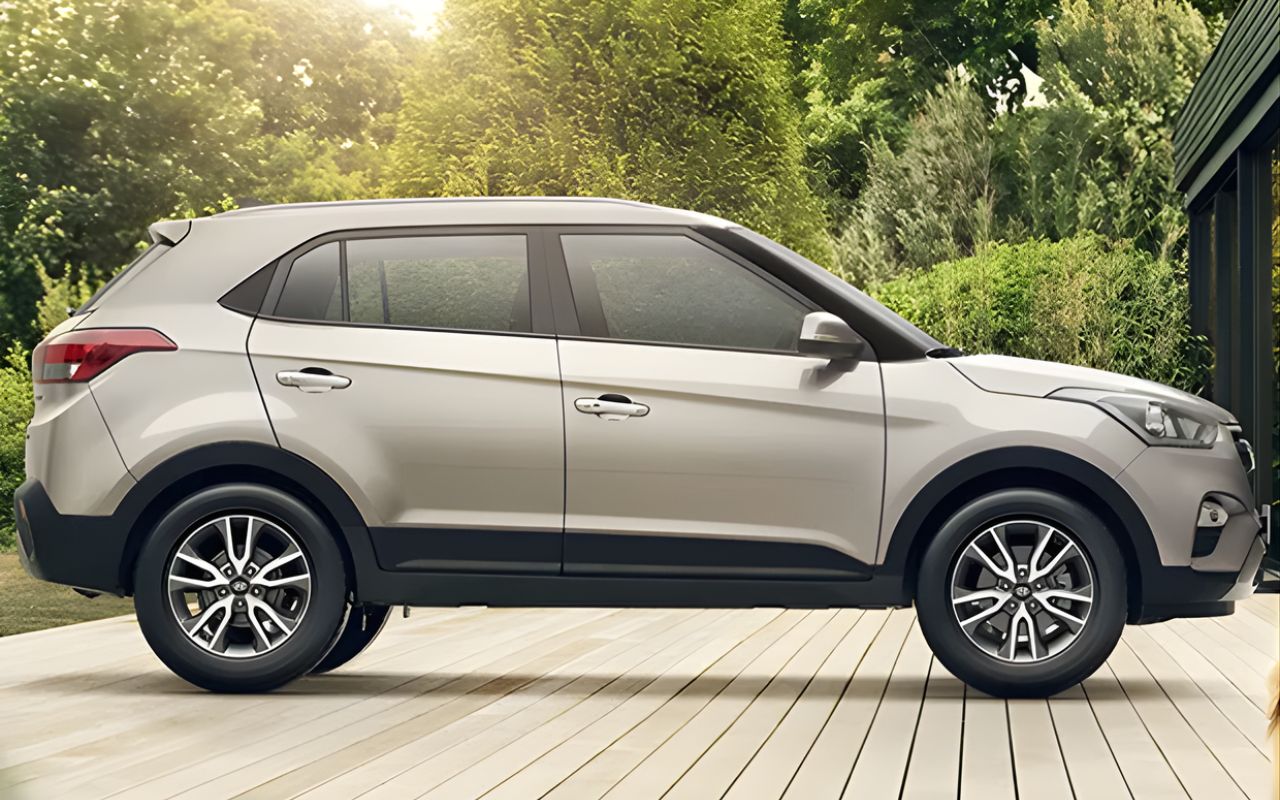
The new SUV will enter the market to compete with rivals such as Volkswagen T-Cross, Hyundai Creta, and Chevrolet Tracker.
One of the new features will be the offer of a hybrid version, aligning the vehicle with energy efficiency demands and global trends toward electrification.
Continuation of Compact Models and Regional Strategy
Despite the cessation of sales for the hatch and sedan models of the Yaris, Toyota does not completely abandon the compact segment.
The brand remains attentive to changes in the automotive sector in Brazil and Latin America, adjusting its production in line with new market opportunities.
The Yaris, for its part, remains relevant in other countries in the region, maintaining active production especially for export to Argentina.


Change in Consumer Profile and Challenges for the New Model
The decision by Toyota to remove the Yaris from the national market aligns with the evolution of the Brazilian consumer profile, influenced by the growing interest in technology, design, and functionality of sports utility vehicles.
The Yaris Cross arrives to try to replicate the success of the previous model while also competing in one of the most competitive segments today, expanding the options available to the public.
With the confirmation of the end of the Yaris line in Brazil, it remains to be seen how the public will receive the new Yaris Cross and how Toyota will position itself amid the increasingly fierce competition among compact SUVs.







Burrada da Toyota, poderia manter o sedan para taxi.
Carro querido do Brasil??? Só se for pelos últimos 266 que compraram essa coisa horrorosa.
O carro é uma delicia se dirigir. Silencioso. Confortável. Econômico.
Concordo e números e graus.
Eu tinha dois, o sedam e o retes.
Vendi o sedan e comprei um corola cros.
Estou feliz com ambos.