





 Portuguese
  English
  Spanish
  5 min of reading
  0 comments


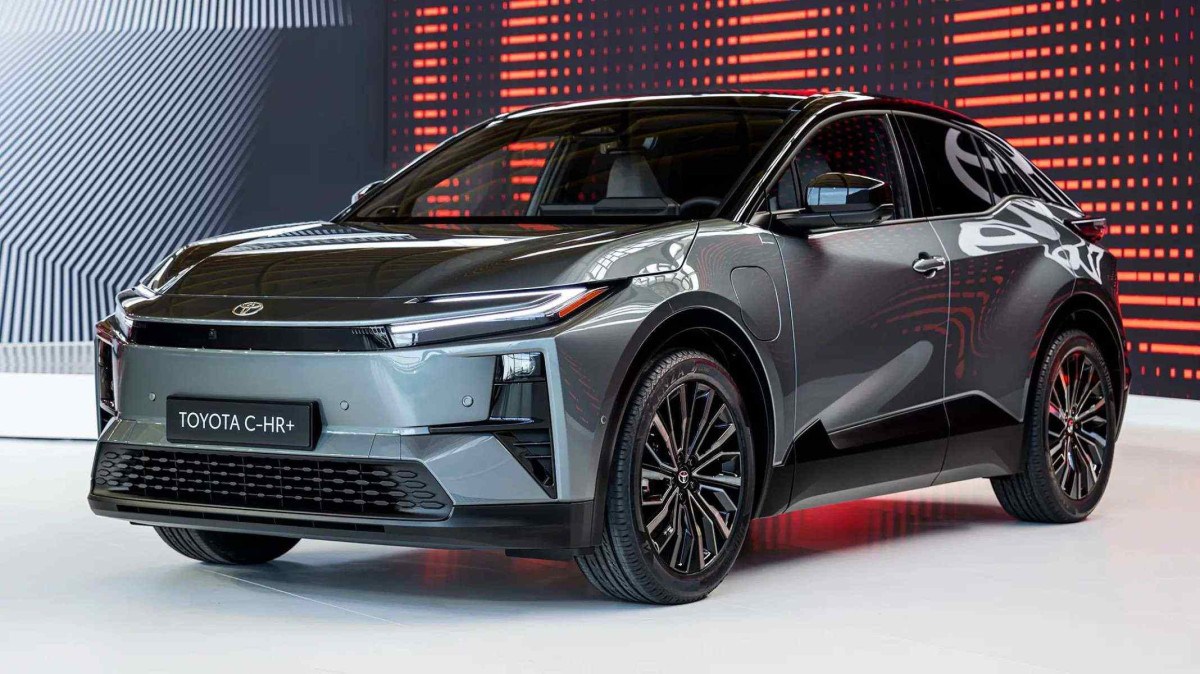
Toyota C-HR+ Electric Debuts in Europe with Up to 340 HP, 525 km of Range, and Embedded AI. Compact SUV Challenges Volvo EX30 and Kia EV5 with Premium Touch.
Toyota has just officially announced a bold move that sets the brand on a direct path to luxury compact electric vehicles: the C-HR+ 2026, the new electric SUV from the Japanese brand, will be officially launched in Europe and other strategic markets next year. With a range of up to 525 km in the EPA cycle, power of up to 340 HP, a futuristic look, and a high-tech interior, the model comes as a clear response to the advancement of brands like Volvo, Kia, and Tesla in the urban electric utility segment.
Although there’s no confirmation yet regarding its arrival in Brazil, the C-HR+ is a model with direct potential impact on the national market. Toyota already dominates the hybrid segment here, and the launch of the C-HR+ abroad could represent the embryo of a 100% electric line that may also reach Brazilian consumers in the coming years.
Toyota C-HR+ 2026: Compact Electric SUV Arrives with New Look and EV-Dedicated Architecture
The new Toyota C-HR+ is based on the e-TNGA platform, the same one used in other models from Toyota’s bZ line. This means it was designed from the ground up as a 100% electric vehicle, which ensures better internal space utilization, a lower center of gravity, and optimized weight distribution.
-
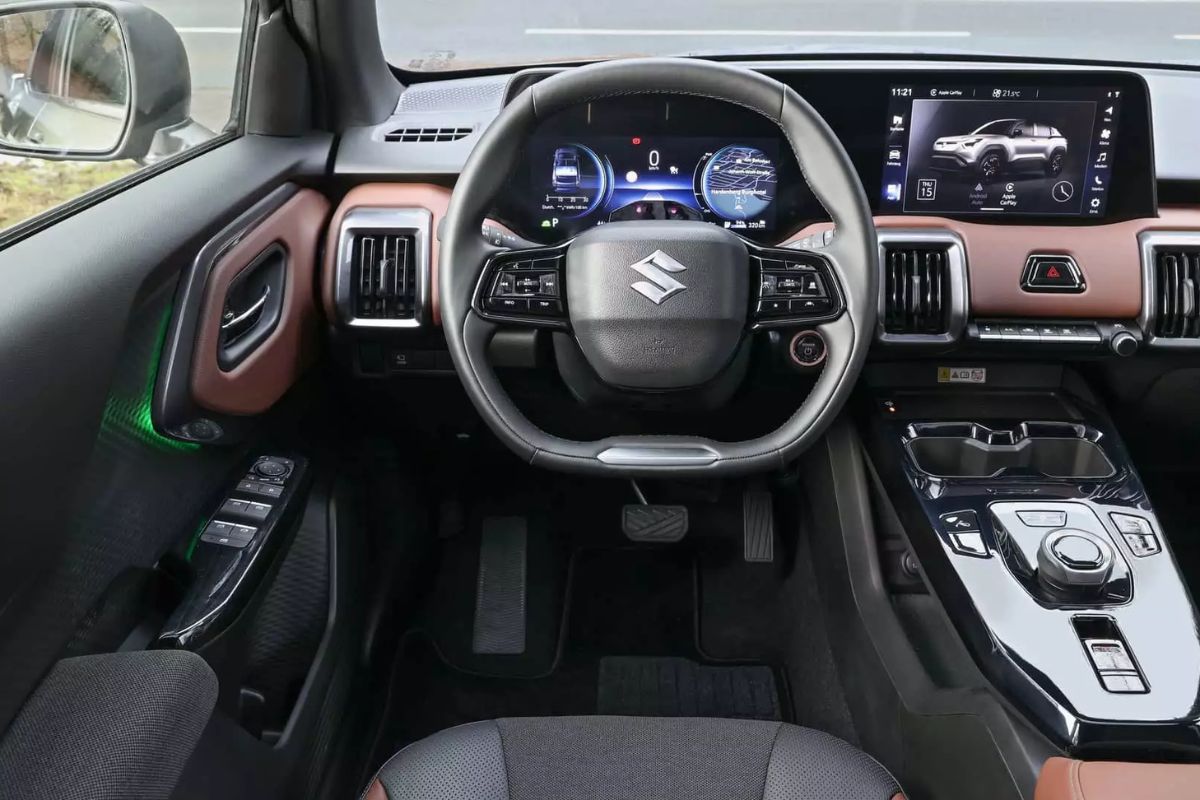
The 2026 electric Vitara arrives in Brazil and proves that Suzuki is not leaving: 4×4 traction, 184 hp, 61 kWh LFP battery, 293 km range, R$ 259,000, and a trunk capacity of 224 L.
-
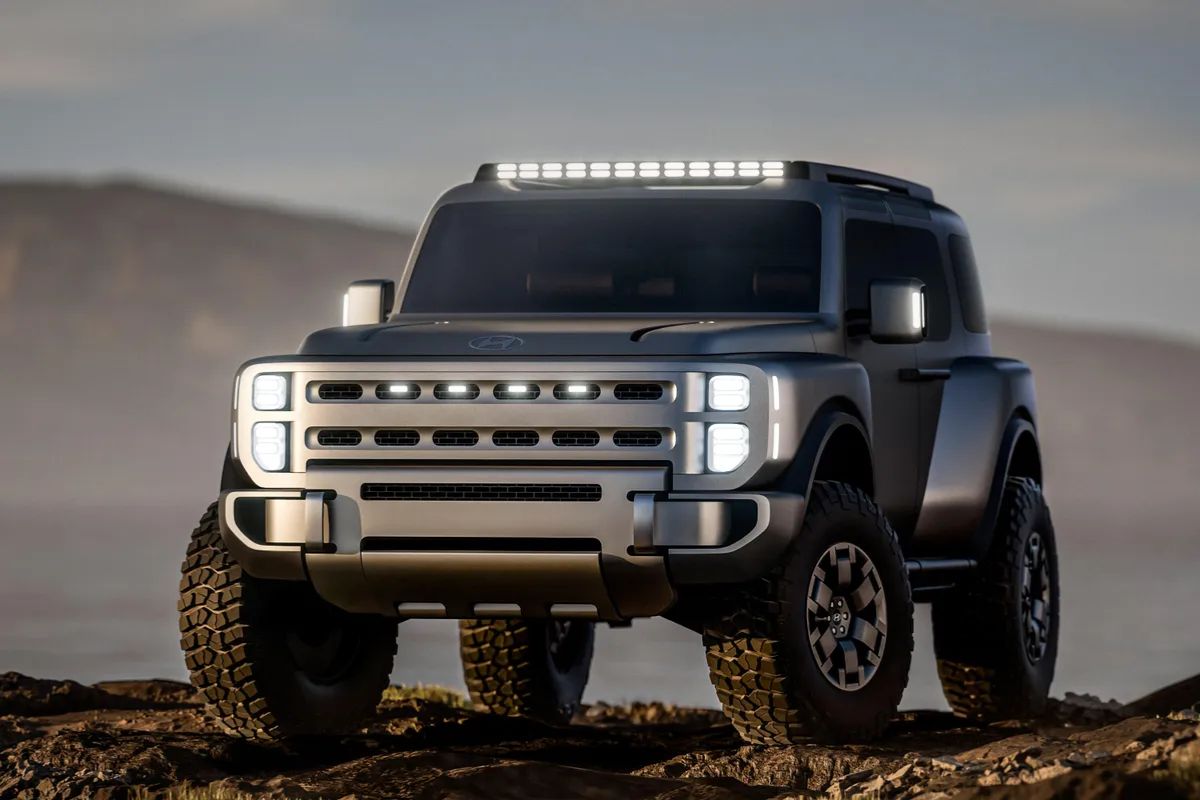
Hyundai has unveiled the Boulder, a square SUV with a body-on-frame design, 37-inch mud tires, and carriage-style doors that seems to be made to take on the Ford Bronco and the Scout Traveller in the United States.
-
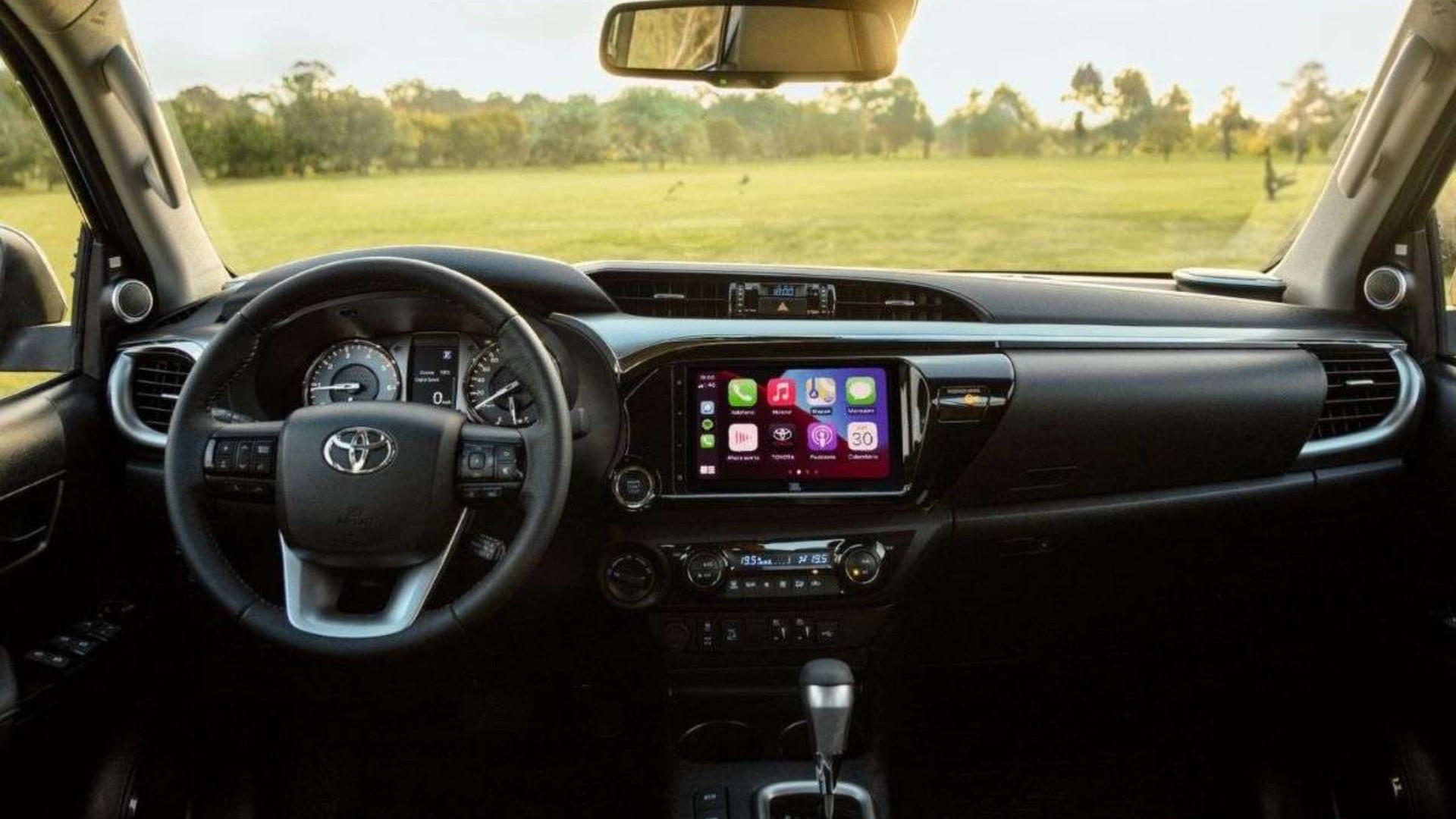
The Toyota Hilux is R$ 75.5 thousand cheaper and bets on the 2.8 turbodiesel engine with up to 204 hp and 50.9 kgfm to catch up with the VW Saveiro, which leads with 4,472 sales.
-
The new Renault Koleos has a screen exclusively for the passenger that is invisible to the driver, heated rear seats, and 29 assistance systems, but its Chinese competitors cost R$ 40,000 less and deliver more power.
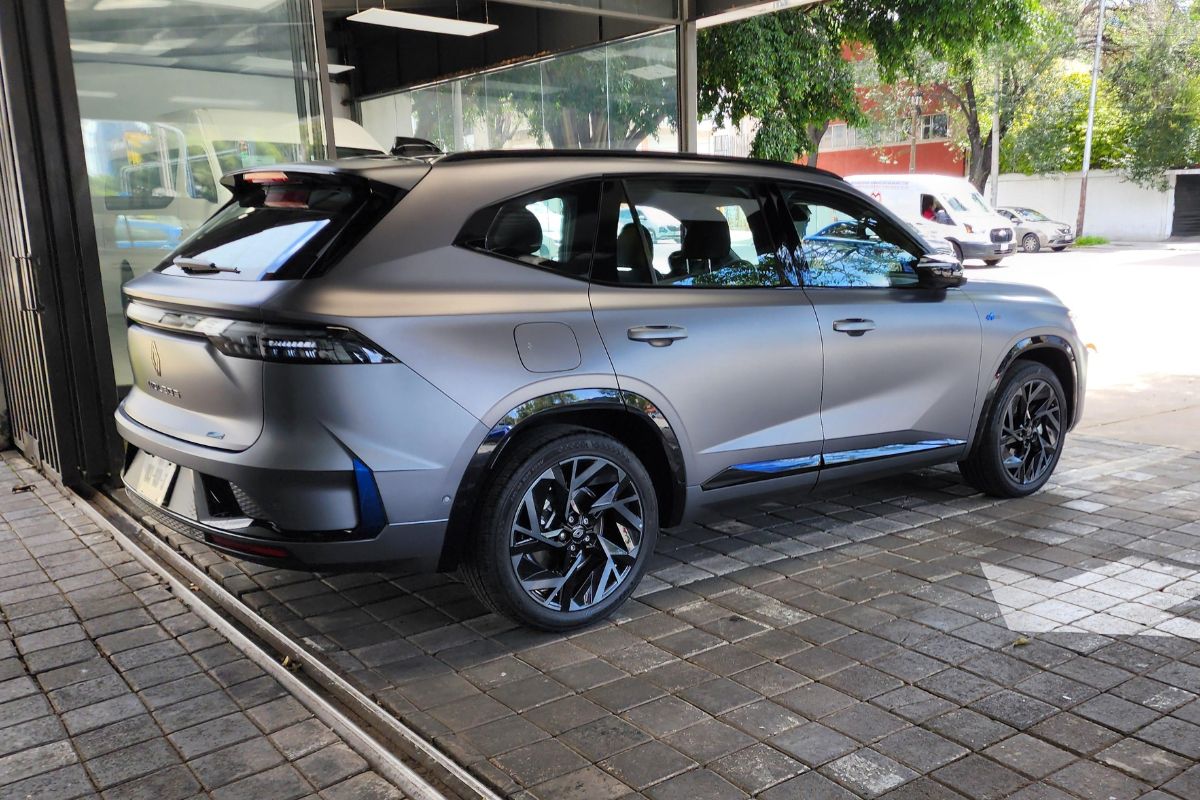
Visually, the C-HR+ breaks away from the conservatism of other models from the brand. Its front end is aggressive, with angled headlights, LED DRLs, and a raised hood.
The side follows a coupe SUV line with muscular shoulders, while the rear features interconnected taillights and a raised spoiler that enhances its sporty appeal.
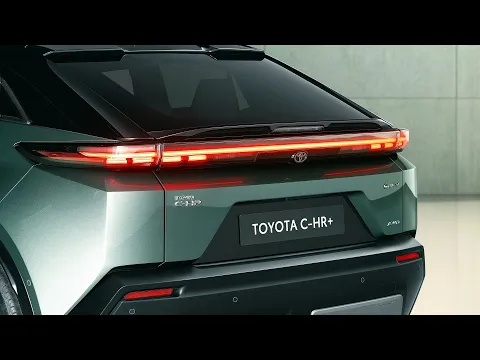

Measuring just over 4.3 meters in length, the C-HR+ positions itself as a direct rival to models such as Volvo EX30, Kia EV5, Peugeot e-2008, and Smart #1, which have been gaining ground in European and Asian markets.
Power of Up to 340 HP and All-Wheel Drive: A Compact Electric with a Sporty Soul
The Toyota C-HR+ will have two main powertrain versions:
- FWD Version (Front-Wheel Drive) with a single motor of 123 kW (~168 HP)
- AWD Version (All-Wheel Drive) with two electric motors totaling 252 kW (~340 HP)
In the AWD configuration, the SUV accelerates from 0 to 100 km/h in less than 5 seconds, making it one of the fastest compact utility vehicles on the market.
Toyota has confirmed that it will use next-generation lithium-ion batteries, featuring higher energy density and the ability to maintain performance even in low temperatures — an important differential in northern hemisphere markets.

Additionally, the model will feature independent suspension on all four wheels, regenerative brakes with multiple levels, and customizable driving modes, including a “Sport+” setting to deliver maximum performance.
Range of Up to 525 km and Charging from 10% to 80% in Under 30 Minutes
One of the main attractions of the Toyota C-HR+ will be its range: the Japanese brand announced that the model could travel up to 600 km in the WLTP cycle and approximately 525 km in the EPA cycle — a more realistic estimate closer to everyday usage.
The battery will have a 91 kWh usable capacity and will feature a fast charging system using direct current (DC) that allows for replenishing up to 80% of the charge in under 30 minutes when connected to ultra-fast chargers of 150 kW or more.
This combination of range and charging time positions the C-HR+ as one of the most complete options among urban electric vehicles, surpassing models like the Hyundai Kona Electric and the Peugeot e-2008, and coming close to premium rivals such as the Volvo EX30 and the Mercedes EQA.
Minimalist Interior with Artificial Intelligence and Sustainable Materials
The interior of the new C-HR+ features what Toyota calls the “Smart Sensory Concept”: a horizontal dashboard with few lines, a floating 12.3” multimedia center with embedded AI, and full integration with smartphones, smartwatches, and voice commands.
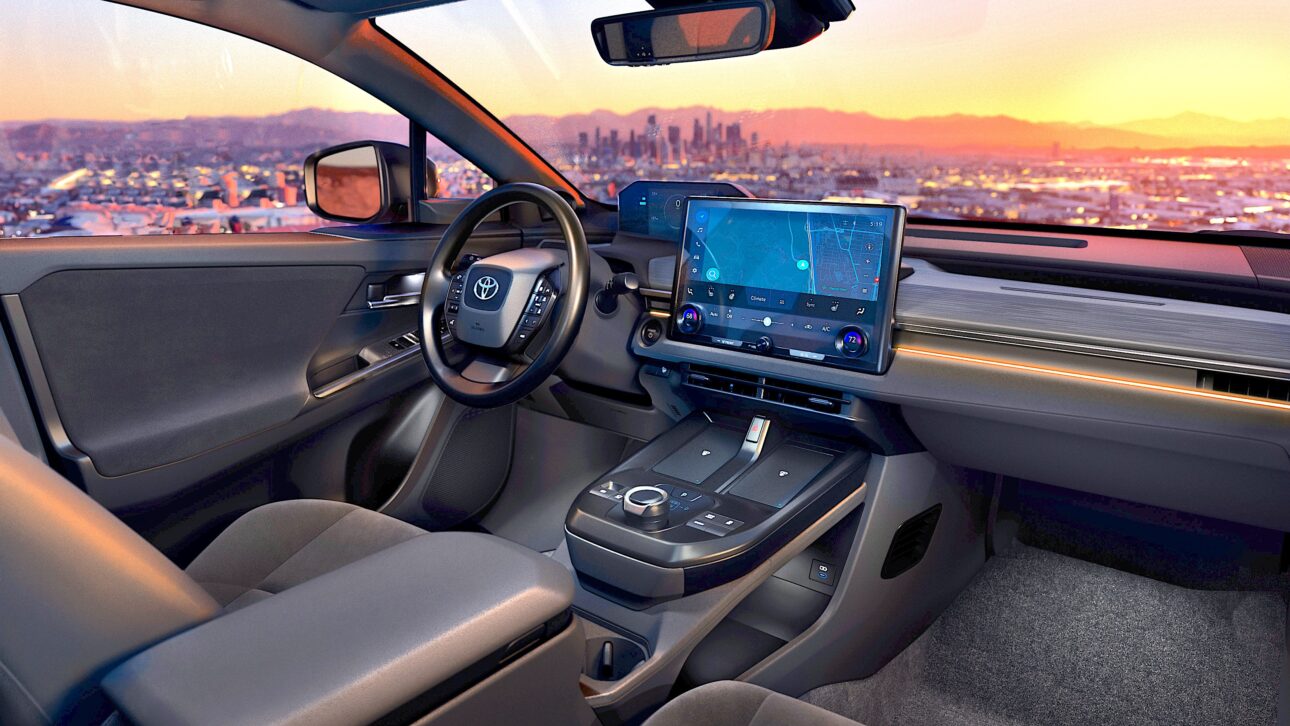
The instrument panel is 100% digital, and there’s a head-up display with augmented reality in the more expensive versions. The seats, trim, and even the door panels use recyclable materials, such as PET fabric from reused bottles, reinforcing the commitment to sustainability.
Among the technological highlights are:
- Multimedia center with Toyota Arene AI Interface
- JBL sound system with spatial audio
- Ambient lighting modes with dynamic lights
- Integration with Google Assistant and Amazon Alexa
- “Smart Vehicle” mode with urban routine assistant, traffic prediction, and household commands
Toyota Arene: The New Brain of the C-HR+
Just like the RAV4 2026, the C-HR+ debuts the new electronic platform Toyota Arene, which will allow the car to evolve over time through over-the-air (OTA) updates.
This means that the C-HR+ will be able to receive performance improvements, new driving assistance features, and integration with cloud services without needing to go to the dealership.
Arene will also serve as the basis for future subscription services, such as semi-autonomous driving in specific areas, real-time updated 3D maps, and even a smartphone-controlled autonomous parking mode.
Competitive Price in Europe and Potential for Brazil
In Europe, the Toyota C-HR+ is expected to have a starting price of approximately €39,000 (around R$ 220,000 in direct conversion) for the FWD version and go up to €47,000 (R$ 265,000) for the AWD version with a larger battery.
This positioning places it in the same range as the Volvo EX30, its main rival in the region, and with a similar proposition to the Kia EV5 and Smart #1.
In Brazil, although there is no confirmation of launch, Toyota’s history with hybrids paves the way for a possible future local production. The model could even serve as a natural successor to the Corolla Cross Hybrid in the long term — especially in light of the growing demand for electric vehicles in the country.
With the C-HR+ 2026, Toyota shows that it is ready to occupy a space that has until now been dominated by brands like Volvo, Kia, and BYD: that of compact electric SUVs focusing on style, technology, and urban usability.
With up to 340 HP, 525 km of range, and fast charging, the model combines Toyota’s expertise in reliability with the appeal of a futuristic design and an advanced technological platform. If it reaches Brazil, it could bridge the brand’s hybrids and its future line of 100% electric vehicles.









-

-

-

-

-

-

42 pessoas reagiram a isso.