





 Portuguese
  English
  Spanish
  5 min of reading
  2 comments


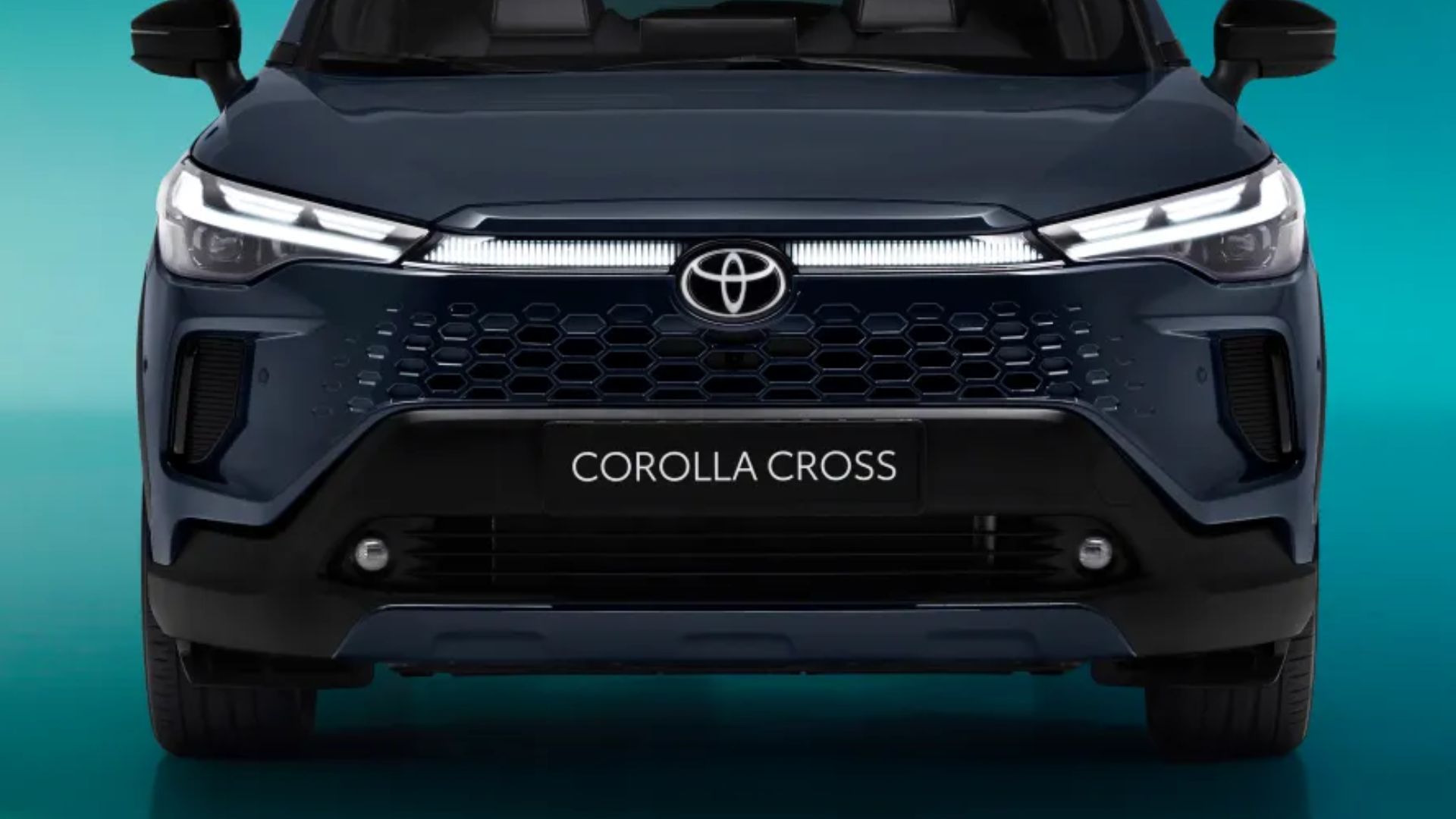


Toyota Hybrid SUV Presents Efficient Engine, Expanded Range and New Digital Dashboard, While Chinese Competitors Bet on Aggressive Prices and Advanced Technologies to Gain Ground Among Electrified Utility Vehicles in Brazil.
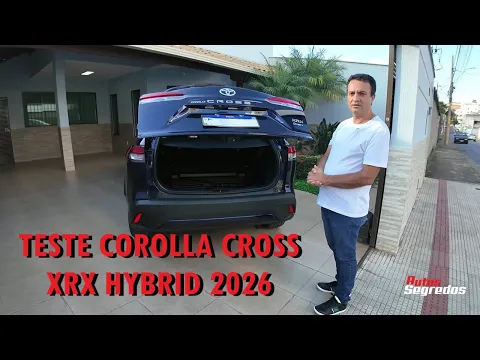
The Toyota Corolla Cross XRX Hybrid 2026 Arrives in the Brazilian Market with Updates to Maintain Competitiveness Amid the Growth of Electrified SUVs from Chinese Brands.
The Toyota sports utility vehicle combines efficient fuel consumption, a 100% digital dashboard, advanced technology package, and hybrid powertrain, but faces competitors with prices up to R$ 30 thousand lower.
This scenario raises questions about the justification for the additional cost charged by the Japanese automaker.
Brazilian Hybrid SUV Market: Tradition vs. Innovation
In the hybrid SUV segment, Toyota has established itself as a pioneer in Brazil, starting local production of electrified vehicles with the Corolla sedan in 2019 and, two years later, expanding the offering with the Corolla Cross.
-
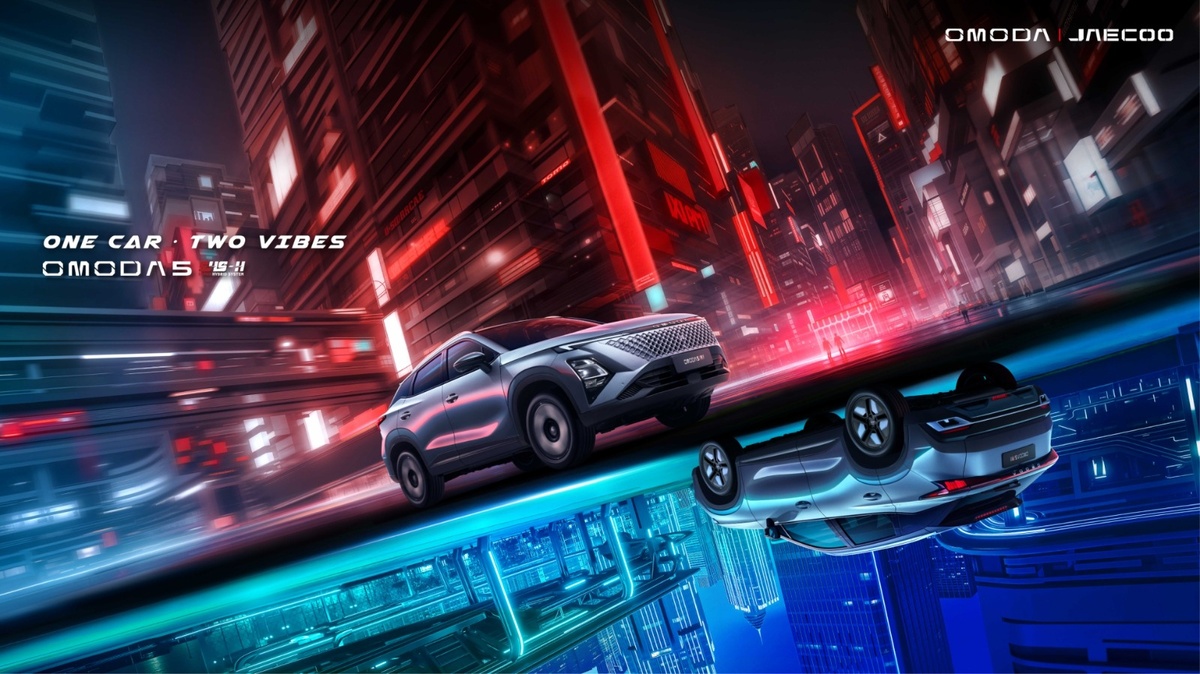
OMODA & JAECOO grows in Europe in 2026 with an integrated strategy of sales, innovation, local production, and technological advancement in the United Kingdom, Italy, and Spain.
-
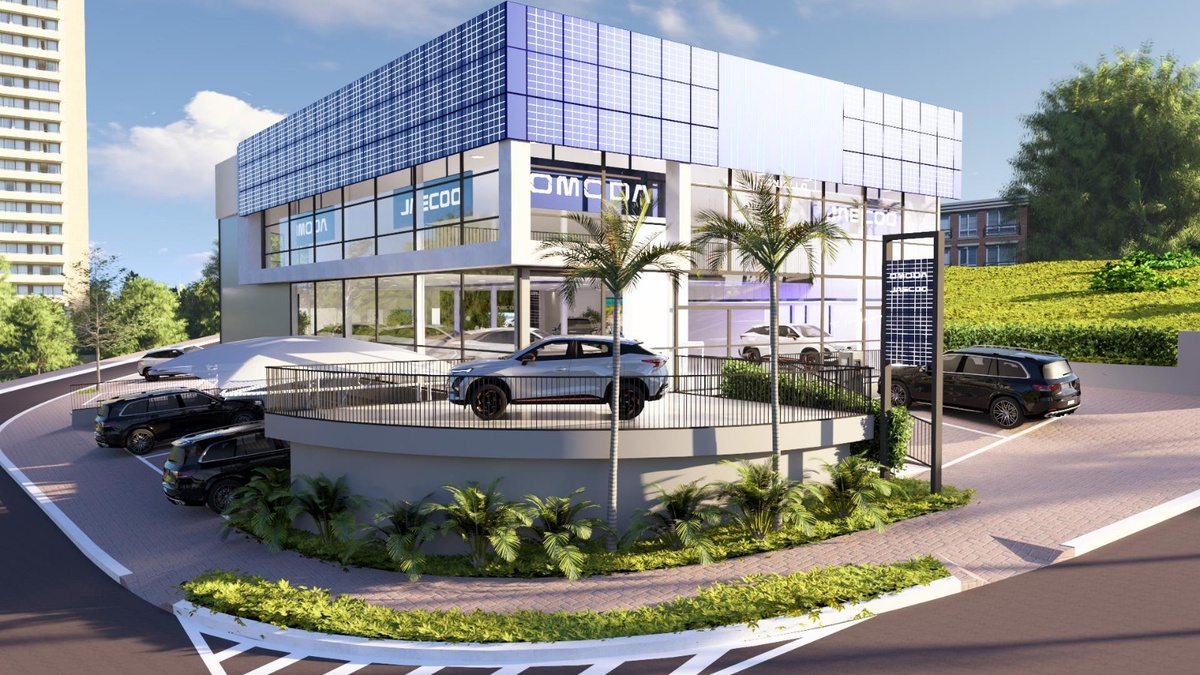
OMODA & JAECOO expands after-sales service in Brazil with competitive maintenance, a 7-year warranty, and high availability of parts for technological SUVs.
-
OMODA & JAECOO appoints Alessandra Souza as executive marketing director in Brazil and accelerates brand expansion with a focus on innovation, networking, and hybrid portfolio.

-
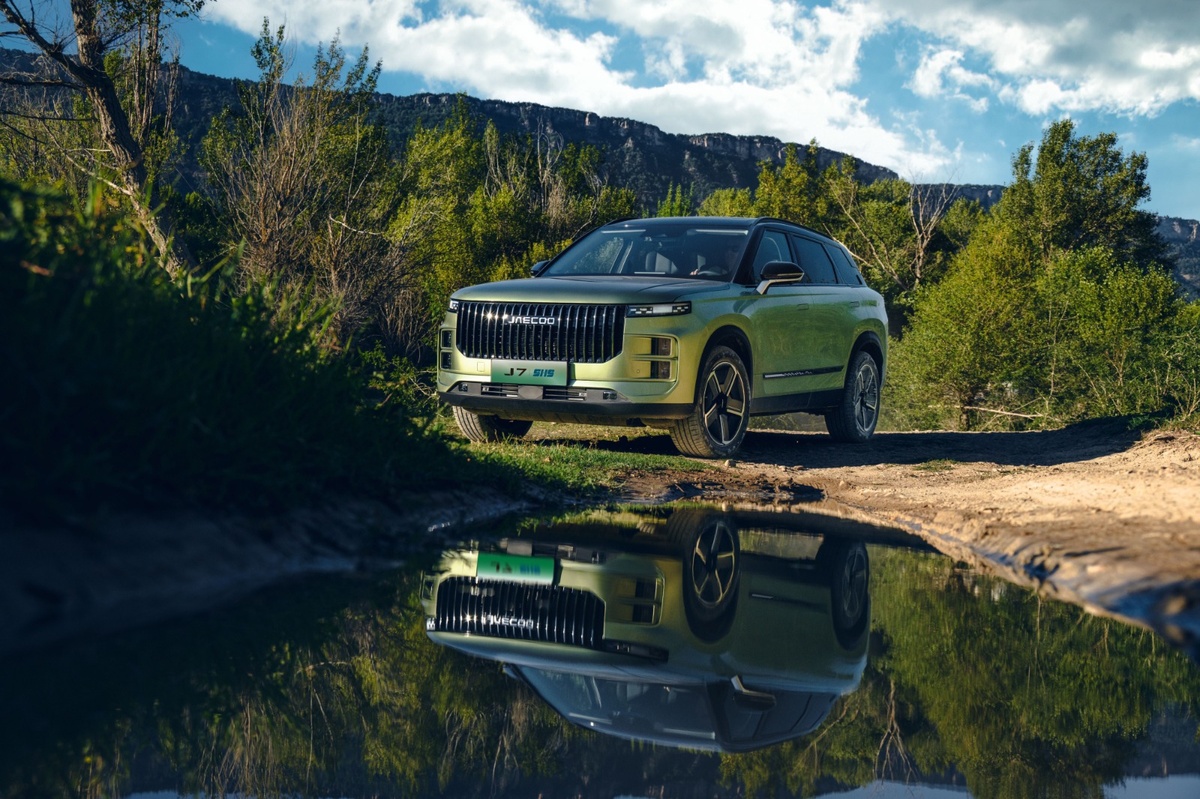
Jaecoo 7 with super hybrid SHS system exceeds 1,200 km of combined range with a 1.5 turbo engine, high-density battery, and intelligent energy management.

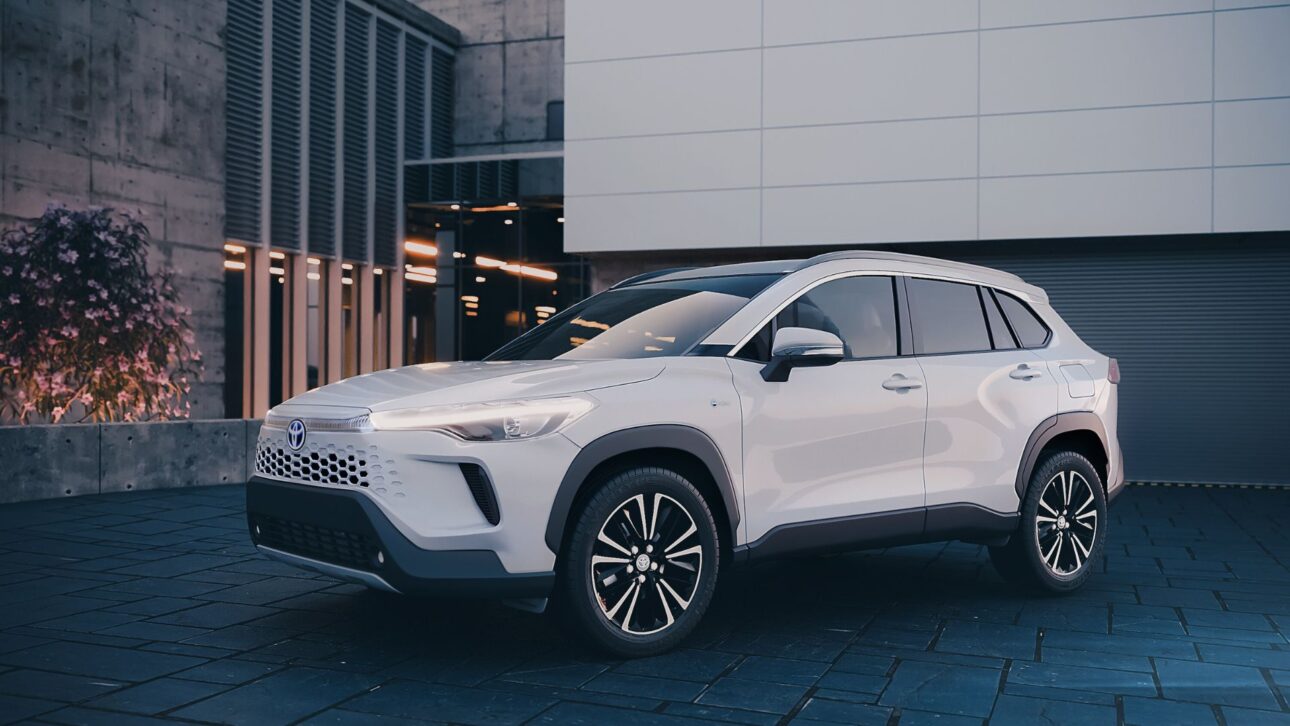
The recognition of the Toyota name was decisive for the public’s acceptance of hybrid models, but the advancement of Asian brands, such as GWM, BYD, and GAC, requires more than tradition to maintain sales leadership.
Starting in July 2025, the Corolla Cross XRX Hybrid is available for prices starting at R$ 219,890, which can exceed R$ 222 thousand, depending on the chosen configuration and color.
The price difference is significant compared to rivals like the GAC GS4 Hybrid, launched at R$ 190 thousand, and the GWM Haval H6 One, sold for R$ 200 thousand.
BYD, with the Song Pro, also adopts an aggressive pricing strategy, offering the SUV for approximately R$ 190 thousand.
These disparities, reaching R$ 30 thousand, broaden the debate about cost-benefit for consumers interested in automotive electrification.
What Differentiates the Toyota Corolla Cross 2026 from Rivals?
According to an analysis prepared by journalist Marlos Ney Vidal from the site Autos Segredos, the reputation for durability and reliability of the brand is in favor of the Toyota Corolla Cross 2026.
However, Chinese competitors present high-value propositions, with powerful hybrid systems, extensive equipment lists, and updated embedded technology.
Models such as Haval H6, BYD Song Pro, and GAC GS4 now offer more powerful engines and standard equipment that includes semi-autonomous assistance, advanced multimedia systems, and sophisticated finishes.
Consumption, Engine, and Autonomy of the 2026 Hybrid Corolla Cross
The Toyota Corolla Cross XRX Hybrid 2026 utilizes the powertrain derived from the Prius, combining a 1.8 flex engine with 101 hp (ethanol) or 98 hp (gasoline) and an electric motor delivering 72 hp.
The combined power of 122 hp is distributed through a CVT automatic transmission designed to prioritize efficiency and smooth gear changes.
The brand highlights urban consumption of 12.5 km/l with ethanol and up to 17.7 km/l with gasoline, along with a range of nearly 640 km in urban cycles, according to Inmetro evaluations.
Digital Dashboard, Technology, and Safety Package
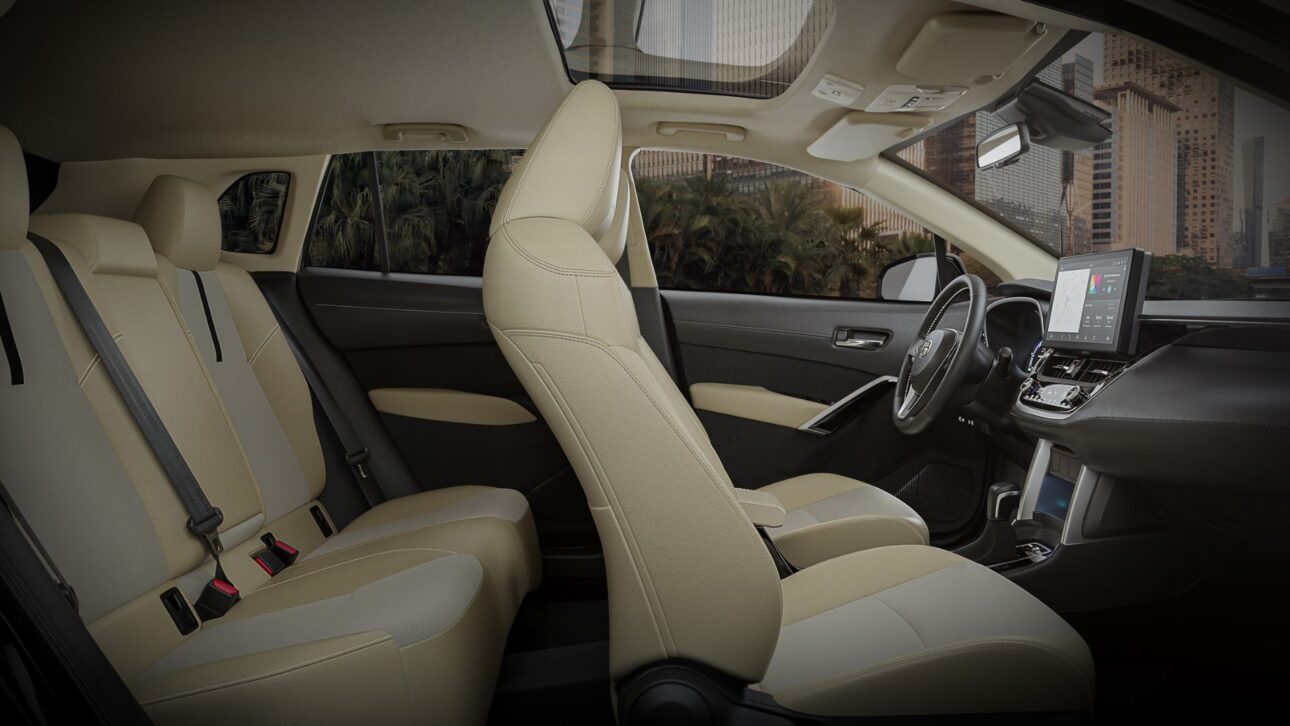
Inside, the model features a configurable digital dashboard, multimedia system with wireless smartphone connectivity, dual-zone digital air conditioning, wireless phone charger, and an electrically adjustable driver’s seat.
The safety package includes six airbags, electronic parking brake, driving assistants, and stability control (ESP).
According to Toyota, “the goal is to offer all the comfort, technology, and safety features that consumers expect in a modern family SUV.”
Finishing, Space, and Comfort
The finish of the Corolla Cross XRX Hybrid 2026 features soft-touch materials on the dashboard, seats, console, and doors, as well as quality synthetic upholstery.
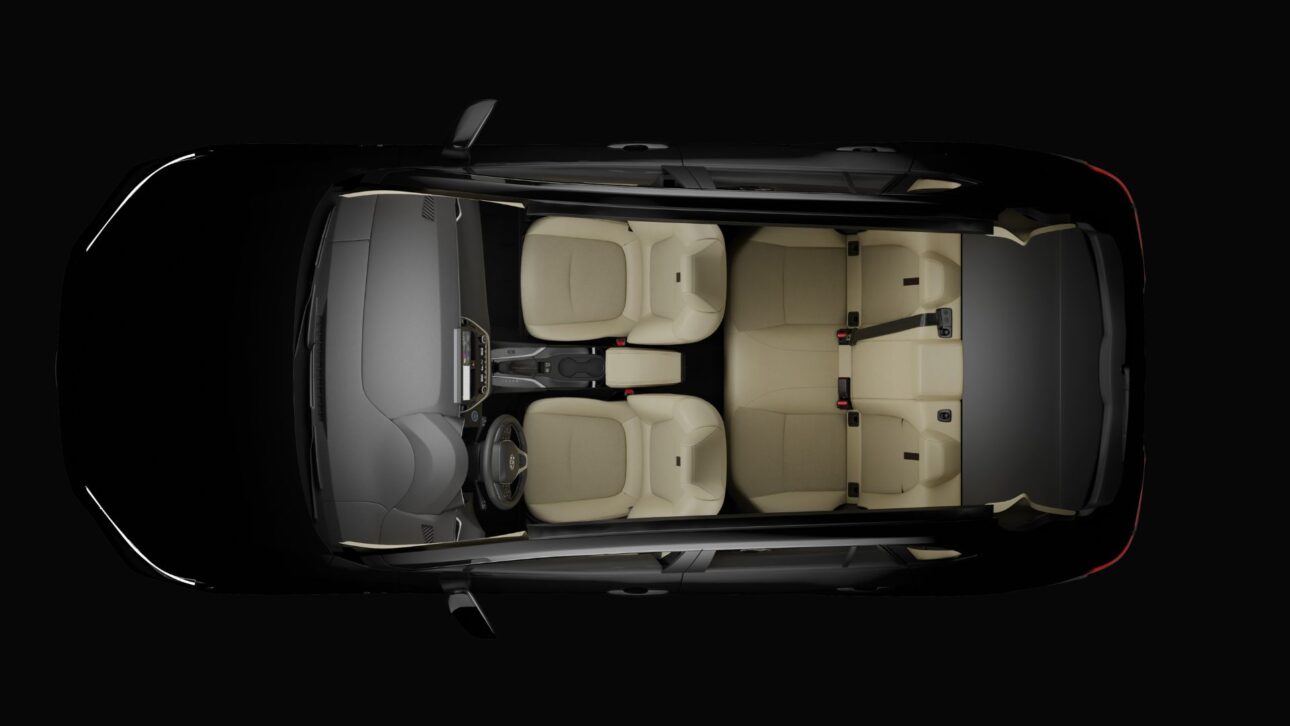
The interior space accommodates up to four adults comfortably, and the 440-liter trunk is suitable for daily use and travel.
The sunroof adds value, although it is not panoramic, a differentiator that some competitors still do not offer.
Performance and Complete Technical Specifications
In terms of performance, the SUV reaches a top speed of 170 km/h and goes from 0 to 100 km/h in 13 seconds, according to the official technical specifications.
The Toyota hybrid system prioritizes energy efficiency, with combined operation of combustion and electric motors to reduce consumption and emissions.
The torque is stated separately: 14.5 kgfm for the combustion engine and 16.6 kgfm for the electric unit, both delivered progressively thanks to the CVT transmission.
The independent McPherson suspension at the front and torsion beam at the rear, combined with electric steering, provide a comfortable drive both in urban areas and on highways.
The model measures 4.46 meters in length, 1.82 meters in width, 1.62 meters in height, and has a wheelbase of 2.64 meters, with a weight of 1,450 kg and a maximum load capacity of 450 kg.
Comparison Between Corolla Cross and Chinese SUVs: Cost-Benefit in Focus
When compared to rivals like the Haval H6 and the BYD Song Pro, the Toyota Corolla Cross 2026 presents superior fuel consumption and recognized mechanical robustness.
However, the Chinese offerings provide hybrid engines with combined power close to 200 hp, along with additional technologies, such as lane-keeping assist, autonomous parking, and multimedia with artificial intelligence.
Still, the Toyota’s after-sales network, larger in national reach, remains an advantage for those who value service and availability of parts.
Trends and Choice of Brazilian Consumers
The medium hybrid SUV segment has become one of the most competitive in 2025, driven by increased demand for electrified vehicles and sustainability incentive policies.
For those seeking a family hybrid SUV with low consumption, a consolidated reputation, and a complete technology package, the Toyota Corolla Cross XRX Hybrid 2026 remains a reference.
However, the price difference in relation to Chinese models increases the search for alternatives with higher power and extra equipment.
Given this scenario, the choice between tradition and technological innovation takes on new contours.
After all, are Brazilian consumers willing to pay up to R$ 30 thousand more to have the Toyota Corolla Cross XRX Hybrid 2026 in their garage, or will the advancement of Chinese hybrid SUVs redefine the standard of preference in the segment?









O país vem com observando uma revolução na forma de ver os carros a partir das entrada no mercado de produtos de excelente qualidade ,
Como os da BYD e GWM. Como amante de carros e proprietários de excelentes carros nacionais, posso afirmar que os chineses hoje superam e muito a Toyota que parou no tempo e deixou de inovar seus carros. Pesquisem quem é a BYD e a qualidade do seus produtos no mundo. A própria Toyota usa o motor da BYD e as baterias em seus carros fora do país. Precisamos, enquanto consumidores, deixar de sermos conservadores pois existem produtos muito melhores e eficientes do que a Toyota tem nos ofertado. Abram a cabeça. Já tive 3 Corollas, golf, Tiguan r rline, Jetta gli e hoje já estou em meu segundo BYD Song plus. Vai ser difícil sair da marca.
O que ninguém reforça é que pela Toyota Corolla Cross ter motor flex + híbrido, tem isenção do IPVA, diferente dos chineses. Mas todos são isentos do rodízio em SP.