





 Portuguese
  English
  Spanish
  3 min of reading
  0 comments


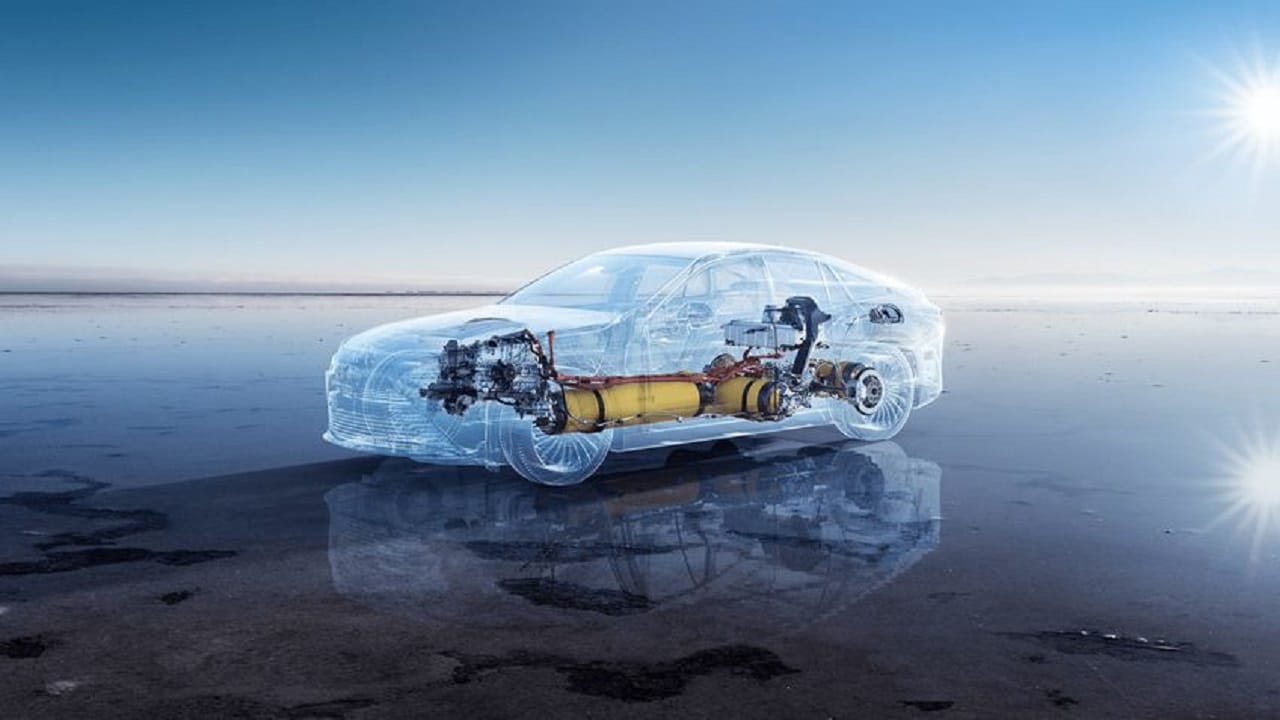
Toyota Forms Unique Partnerships with Universities and Companies to Manufacture an Ethanol-Powered Electric Car. The New Factory Is Expected Soon to Produce Hydrogen from Ethanol and Boost the Sector.
Toyota and BMW understand that the solution is not simply to shift from the combustion engine to battery power; rather, it’s about exploring all energy alternatives. One of those alternatives, which both manufacturers are focusing on, is the electric car powered by a fuel cell that generates electricity from hydrogen. However, an ethanol-powered electric car may be on the horizon.
Toyota Partners with Universities to Produce Ethanol-Powered Electric Car
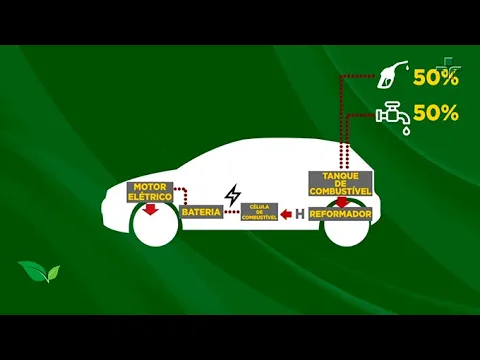

Both manufacturers already produce vehicles using this alternative fuel, and here in Brazil, Toyota has taken it a step further. It provided its vehicle, the Mirai, with this technology for a project aimed at developing an ethanol-powered electric car, which is a fuel widely available in Brazil.
-
Costing R$ 16,000, the new Yamaha features a 125 cc hybrid engine with electric assistance, delivers 8.3 hp, includes ABS, optimized fuel consumption, Y-Connect connectivity, 25 liters of storage space, and a surprising 4-year warranty in the urban segment.

-
OMODA & JAECOO grows in Europe in 2026 with an integrated strategy of sales, innovation, local production, and technological advancement in the United Kingdom, Italy, and Spain.

-
OMODA & JAECOO expands after-sales service in Brazil with competitive maintenance, a 7-year warranty, and high availability of parts for technological SUVs.
-
OMODA & JAECOO appoints Alessandra Souza as executive marketing director in Brazil and accelerates brand expansion with a focus on innovation, networking, and hybrid portfolio.


Despite the challenges, as the device needed for this is expensive, bulky, and heavy, two companies in Brazil are developing similar projects: Volkswagen and Nissan. Returning to the Japanese company, its project aims to produce green hydrogen from ethanol. To this end, the automaker announced a partnership this year with Shell Brasil, Hytron, Raízen, University of São Paulo (USP), Senai CETIQT, and Research Centre for Greenhouse Gas Innovation (RCGI).
In the ethanol-powered electric car project, Toyota will use the Mirai sedan, the brand’s first production model powered by a fuel cell. A unit was delivered to the Research Centre for Greenhouse Gas Innovation (RCGI) at USP earlier this year, where it is undergoing various tests. According to Toyota, in addition to the ethanol-powered electric car, the hydrogen produced will fuel three buses that operate within the University City.
Shell Invests R$ 50 Million in Ethanol-Powered Electric Car
To make the ethanol-powered electric car project feasible, Shell Brasil will invest around R$ 50 million. Thus, in addition to producing hydrogen from ethanol, it also plans to measure the carbon “from well to wheel,” meaning the study aims to assess CO2 emissions in the atmosphere throughout all processes, from sugarcane cultivation to hydrogen consumption in the fuel cell.
According to Rafael Chang, the president of Toyota Brasil, Brazil has the potential to be an international leader in fleet decarbonization. Therefore, the automaker has been investing, since 1997, in practical and sustainable solutions.
One of them is the flex hybrid technology manufactured at its Sorocaba and Indaiatuba units, developed for Brazil in collaboration with Japan, and which has become a leader in the electrified market. Now, with the Mirai powered by 100% renewable source hydrogen, such as ethanol, the country’s future could be increasingly green.
New Factory to Convert Ethanol into Hydrogen
The Brazil Will Have the 1st Plant in the World to Produce Green Hydrogen from Ethanol. The initiative will simplify the transportation of the molecule and could assist in the decarbonization of industrial and transport sectors in the future, making it feasible, for example, to use hydrogen-powered electric cars in Brazil.
The implementation, resulting from the investment of the companies, will be divided into three stages, with the first including an experimental station for refueling vehicles at USP.
The pilot plant will occupy an area of 425 m² and will have the capacity to produce 4.5 kg of H2 per hour, or 50 m³ per hour. The estimate is that the unit, focused on vehicle refueling, will be inaugurated by the second semester of 2024.








Seja o primeiro a reagir!