






 Portuguese
  Spanish
  3 min of reading


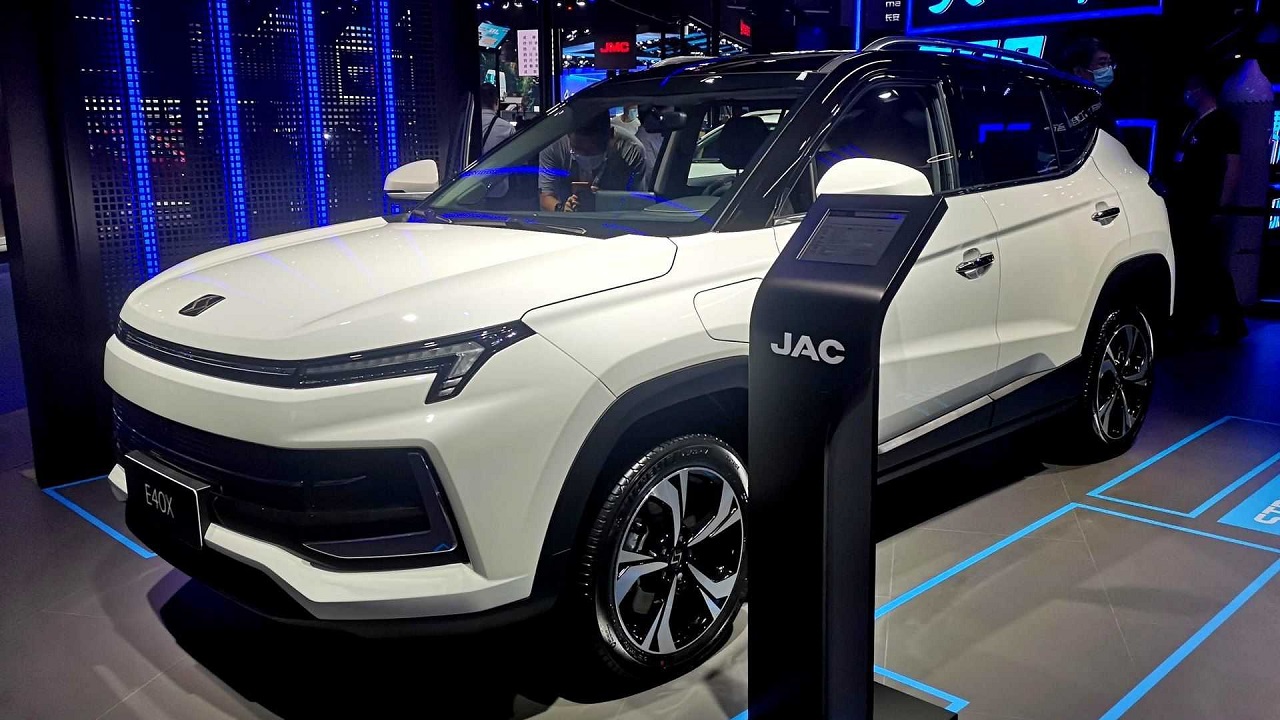
JAC Motor Is Completely Abandoning Combustion Engine Cars to Focus Exclusively on Its Line of Electric Cars, Which Is Continuously Expanding in the Country.
The Chinese manufacturer, JAC Motors, which arrived in Brazil about a decade ago with the J3 hatch and the J3 Turin sedan, announced on Friday (10) that it plans to stop selling combustion engine cars in the country in the near future to focus solely on electric vehicles. According to information from the automaker, the current models available, T40, T50, and T60 Plus Turbo, will remain available at dealerships only while stocks last. The company’s decision comes after launching its electric pickup with a range of 400 km. It is important to note that JAC Motors itself is responsible for initiating electric cars in Brazilian territory.
JAC Motors’ Electric Car Line Is Expanding
The determination of JAC Motors’ leadership, presided over here by Sérgio Habib, is that the focus of the Chinese company should be solely and exclusively on the electric vehicle sector, which is currently very diversified in Brazil, completely leaving aside combustion engine cars.
JAC Motors started its electric vehicle sector in the country with the iEV20 and iEV40, twin brothers of the J2 and T40. However, both no longer make up the available lineup for consumers in Brazil. Currently, the electric car line is expanding.
-
Uber Faces Shareholder Scrutiny as Board Accused of Ignoring Safety, Compliance, and Harassment Warnings Amid Over 3,500 U.S. Lawsuits

-
Ferrari’s First Electric Car Divides Fans, Priced at $630,000, Amid Concerns Over Limited Editions; Brand Clarifies It’s Not Just for Future Perks
-
BYD Dolphin Mini: The Electric Car That Defies Depreciation, Losing Only 3.58% in a Year and Becoming the Best-Selling Retail Model Under $22,000

-
Electric Car JAC E-JS4 Loses $19,000 in Value in One Year, Leading Record Depreciation of Used Cars in Brazil Due to Expensive Battery and New Models


Available for sale here are the subcompacts E-JS1 and E-JS1 EXT, the SUV E-JS4, and the sedan E-J7. The Chinese automaker will also not be left uncovered with the end of combustion engine cars in other areas, considering it also has in its electric lineup the pickup EJP8, along with the utility vehicles iEV750V, E-JV5.5, and iEV750 VIP, in addition to trucks like E-JT 12.5, iEV1200T, and E-JT 18.0.
New Electric Pickup from JAC Motors
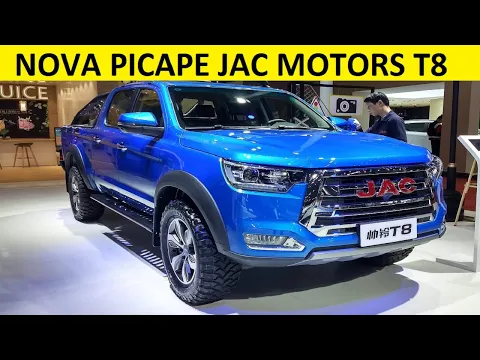

JAC Motors has launched in the country its mid-sized electric pickup E-JP8, offering slightly better performance compared to its previous version, which arrived in the country in 2020. The utility vehicle is equipped with lithium iron phosphate batteries with a capacity of 65.3 kWh, generating a range of up to 330 km, and potentially reaching 400 km at a constant speed of 60 km/h.
The vehicle is being offered in a single version at a starting cost of R$ 369,900. The electric model features rear-wheel drive, and its propulsion system develops 150 horsepower and 33.7 kgfm of torque. According to JAC Motors, the electric car goes from 0 to 100 in just 10 seconds, reaching a top speed of 95 km/h.
It is worth noting that, in electric cars, maintaining higher speeds for long periods significantly reduces their range, consuming more energy from their batteries.
About the Company
JAC Motors was founded in 1964 and initially focused on truck production; however, today it has a line of vehicles that serves various sectors of the automotive market. Since exporting its first unit to Bolivia in the 1990s, it has expanded immensely.
In total, it is present in over 100 countries across Africa, Europe, South America, Asia, North America, and Oceania. It has a current lineup of SUVs that is a global reference in design, technology, and innovation.
The company is the largest producer of bus chassis and light commercial vehicles in China, as well as a leader in export sales, also boasting an advanced technology center that develops new automotive projects, structure, assembly, and interior space.







Be the first to react!