





 Portuguese
  English
  Spanish
  3 min of reading
  0 comments


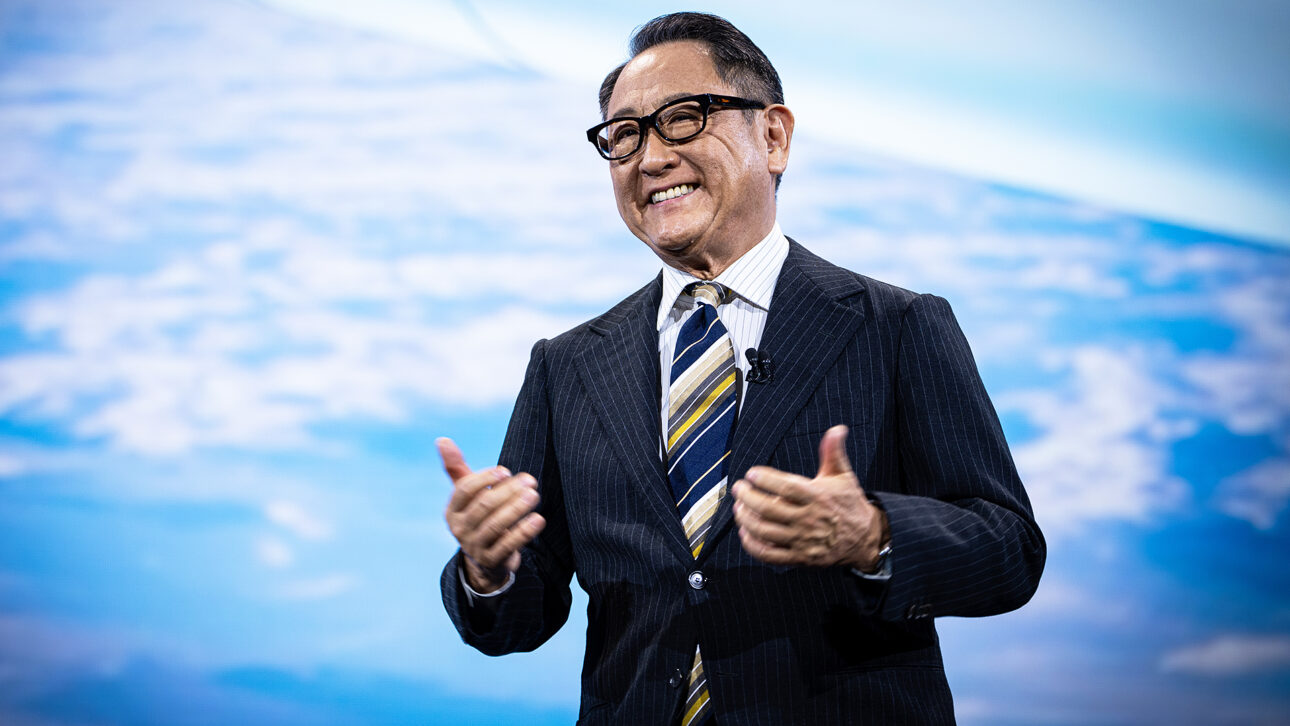
The President of Toyota, Akio Toyoda, declared that electric vehicles can emit up to three times more carbon than hybrid models in countries that use electricity generated from fossil fuels, such as Japan. This statement was made during a series of automaker events in June 2025, highlighting the company’s strategy regarding sustainable mobility. According to Toyoda, the accelerated transition to 100% electric vehicles could jeopardize jobs and may not guarantee a significant reduction in global emissions.
Toyoda emphasized that Toyota has sold approximately 27 million hybrid vehicles since 1997, which would have avoided emissions equivalent to those of 9 million electric cars in continuous use. The executive pointed out that the real environmental impact of electric vehicles directly depends on the energy matrix of each country and that, in places where electricity is still predominantly generated by thermal power plants, the benefits may be negated.
In the case of Japan, for example, the high dependence on coal and natural gas for electricity generation would compromise the environmental gains of an exclusively electric fleet.
-
The car stored for 38 years: when opening the barn door, what appears is breathtaking and looks like a scene from a movie!

-
Fiat works miracles in the Brazilian market, lowers the price of its 0 km hatch to R$ 69,990, reestablishes the model as the cheapest car in the country, and reignites the battle against Kwid and C3.
-
Chevette with cooking gas: How the gas cylinder ends up being used in cars clandestinely and why this makeshift solution can result in leaks, explosions, damaged engines, and seized vehicles.

-
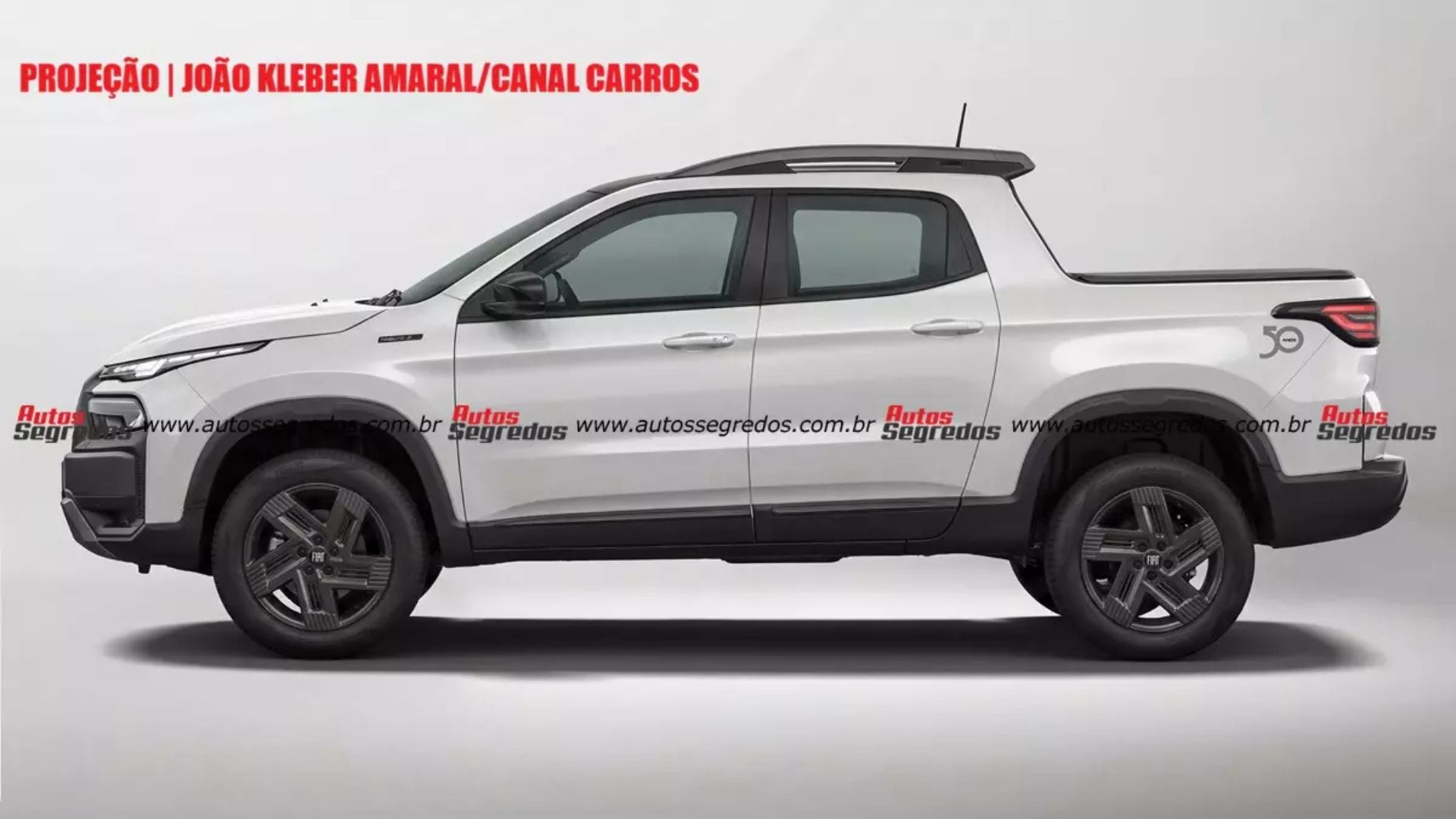
Fiat launches the new 2027 Toro hybrid with 48V, 176 hp, an electric motor of 15.5 hp, a 0.85 kWh battery, up to 7% fuel savings, 8% fewer emissions, and possible exemption from IPVA.

“But if we had produced nine million BEVs in Japan, carbon emissions would have actually increased, not decreased. This is because Japan relies on thermal power plants for electricity.”
Strategy for Carbon Neutrality Relies on Multiple Solutions
In his speech, Toyoda reiterated that Toyota’s fight is against carbon, not against a specific technology. The company advocates for the coexistence of different solutions, including hybrids, hydrogen vehicles, synthetic fuels, and fully electric models, adapting to the energy and infrastructural realities of each market.
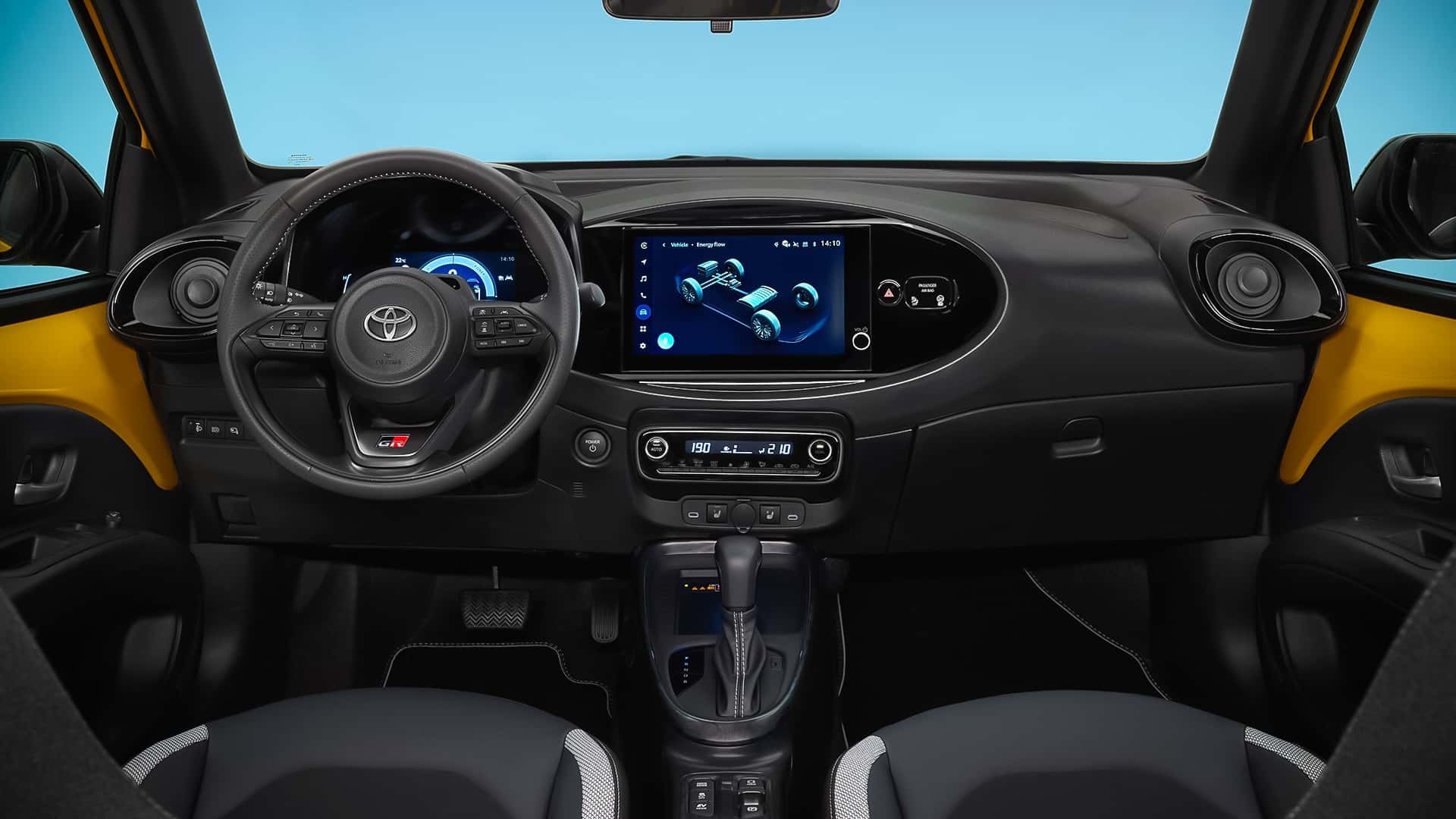
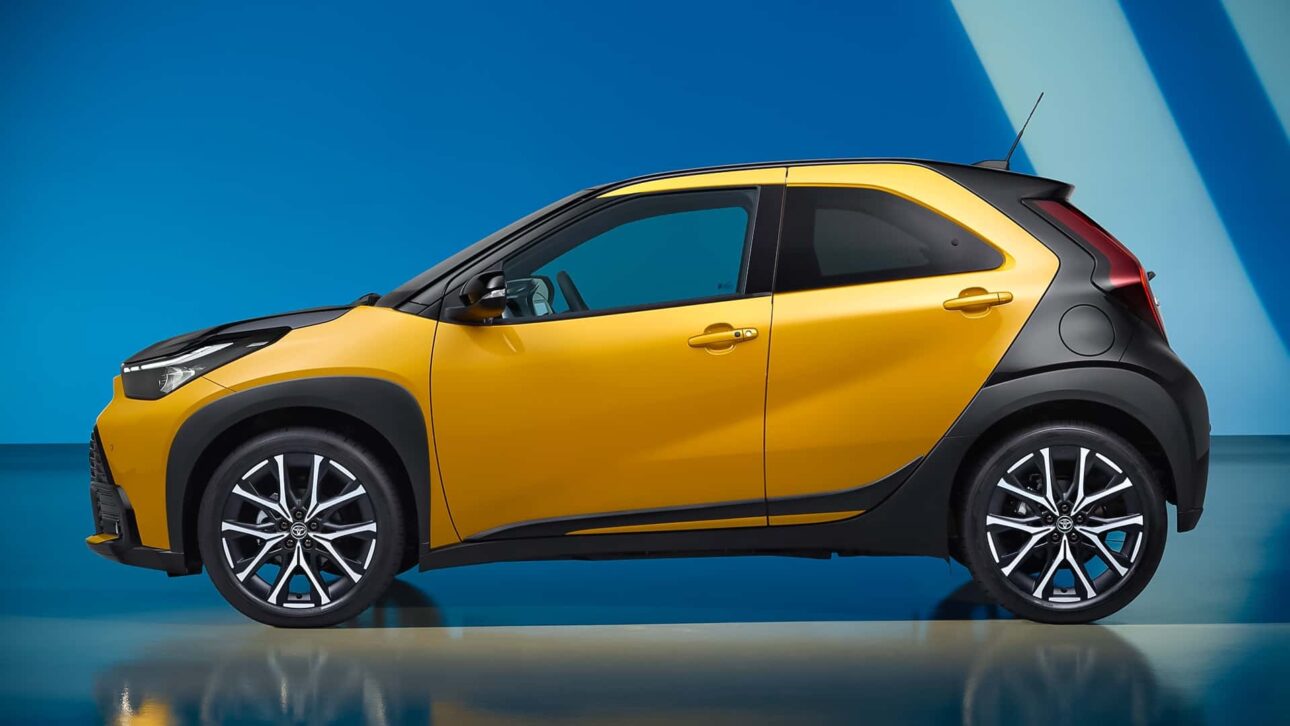
The new Toyota Aygo X, presented as the first fully hybrid city car from the automaker, symbolizes this philosophy. Compact and efficient, the urban model was designed to offer low emissions without relying on electric charging, making it ideal for cities with limited charging infrastructure.
Toyoda also highlighted that the hybrid approach preserves existing supply chains, reducing the risk of mass unemployment. According to the executive, forcing a sudden end to internal combustion engines could destabilize entire industries and economies, especially in developing countries.
Toyota Remains Global Leader Despite Criticism of Its Electric Pace
Toyota’s conservative stance on total electrification has received criticism over the years, with analysts predicting a loss of relevance for the automaker against competitors that have bet everything on electric vehicles. However, the numbers demonstrate the opposite: in 2024, Toyota was once again the largest automobile manufacturer in the world for the fifth consecutive year.
The company continues to expand its range of electrified vehicles, such as the bZ4X and C-HR+ models, while maintaining a strong presence with hybrids and combustion. Additionally, the luxury division Lexus has introduced new electric vehicles like the ES sedan and the RZ SUV, targeting premium segments of the global market.
Meanwhile, Toyota continues to make strategic investments in alternative technologies, such as hydrogen propulsion. The Mirai brand, while not achieving significant commercial success, is still being developed and now serves as the basis for a collaboration with BMW on a new hydrogen car expected for 2028.
Official Statements
Akio Toyoda’s statements were widely reported by international automotive portals, such as it.motor1, which published a detailed analysis of the automaker’s position in June 2025. According to the article, the president of Toyota reinforces that carbon neutrality must be achieved with pragmatism and realistic actions, not just with idealistic goals.
The publication also highlighted Toyota’s consistency over the years in its strategy of not committing exclusively to a single technological solution, even in the face of market pressures and public policies from various countries.
Rather than betting all its chips on BEVs (Battery Electric Vehicles), Toyota seems to prefer a gradual approach that combines multiple propulsion alternatives with a focus on long-term viability and effective emission reductions.








-

-

3 pessoas reagiram a isso.