





 Portuguese
  English
  Spanish
  3 min of reading
  1 comment


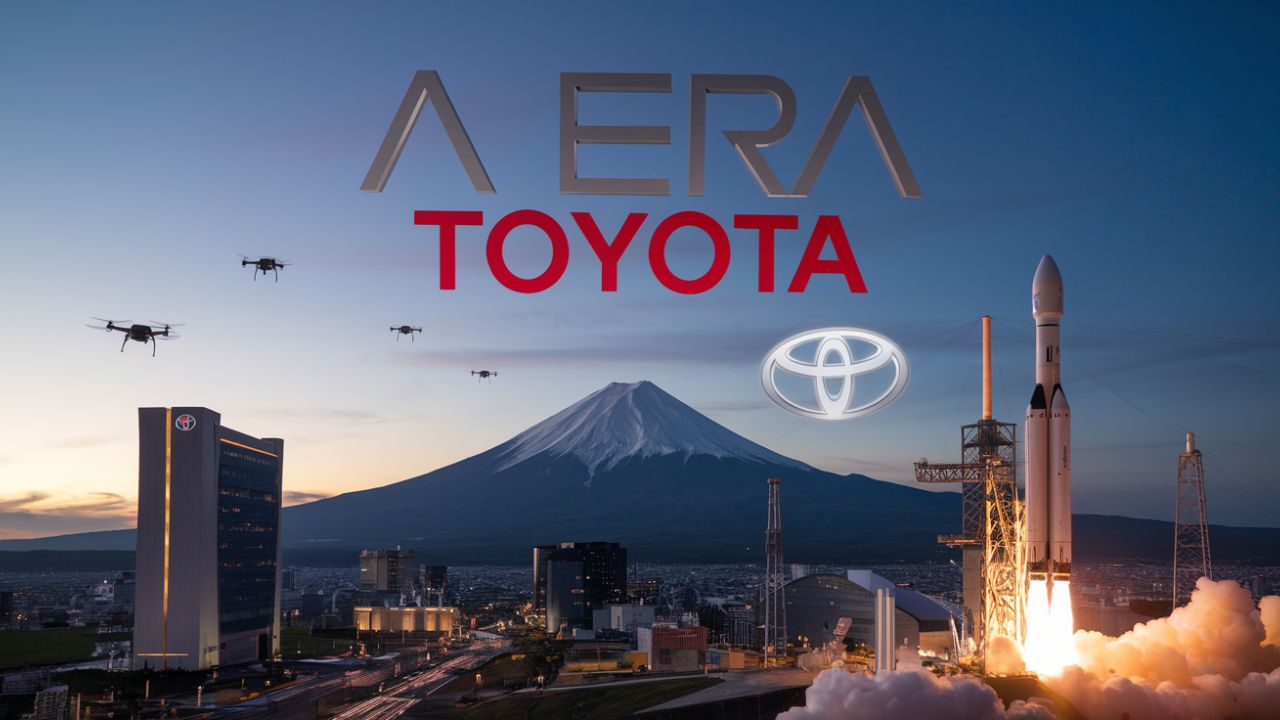

With Phase 1 of Woven City Completed, Toyota Paves the Way for a Smart, Sustainable City with Innovative Mobility, Assistant Robots, and Security Drones. The Giant Invests in Rocket Production by Partnering with Space Company Interstellar Technologies, Expanding Its Vision of Mobility Beyond Earth.
Toyota President Akio Toyoda returned to CES 2025 with a significant update: the completion of Phase 1 of Woven City. Known as Toyota’s “living laboratory,” the city is an ambitious project that promises to redefine the concept of sustainable urbanization and technological innovation. But the news doesn’t stop there. The automotive giant has also taken a bold step toward space by investing in Interstellar Technologies, a Japanese company specializing in space flights.
Toyota’s Futuristic Vision with Woven City
Woven City was born to be much more than a smart city; it is a living laboratory where innovation and sustainability go hand in hand. Located on the site of the former Higashi-Fuji factory, the city honors Sakichi Toyoda, the founder of Toyota, who began his journey by revolutionizing weaving.
The goal is to house up to 2,000 residents and provide a space to test technologies like assistant robots, autonomous vehicles, and personal mobility devices. All of this, combined with solutions that reduce carbon emissions and promote a sustainable lifestyle.
-
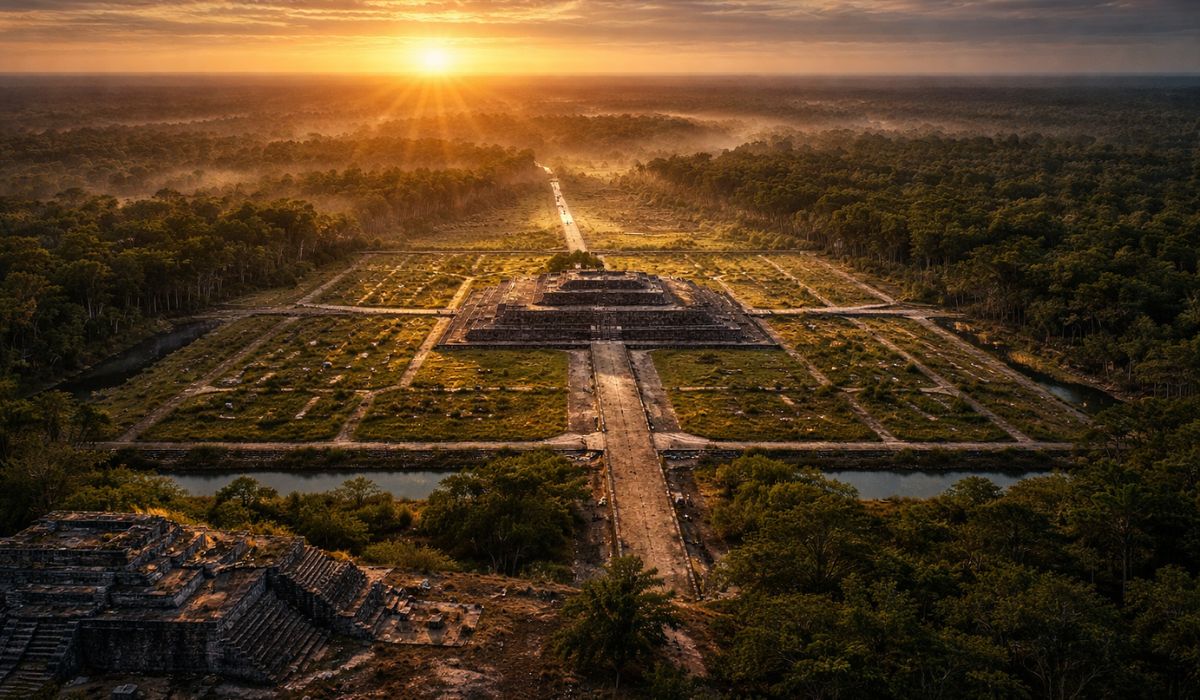
In Mexico, a 3,000-year-old Maya site with the dimensions of an entire city may have been built as a colossal map of the cosmos, created to represent the order of the universe and reveal how this people organized space, time, and rituals.
-
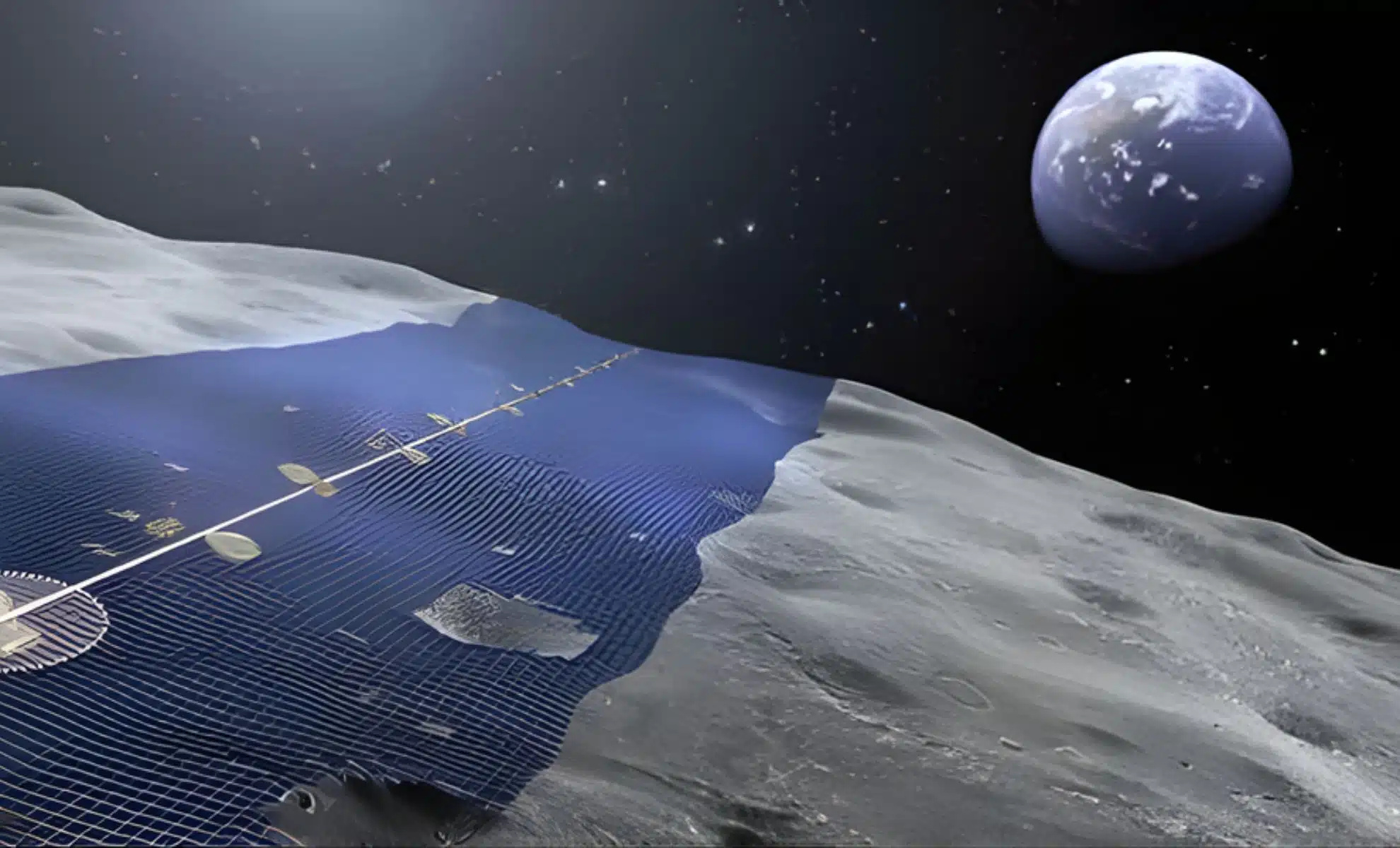
Japan wants to build a solar ring of 10,900 kilometers on the Moon to continuously send energy to Earth.
-
Weighing almost 1 ton, with temperatures of up to 3,000°C, the ability to launch 10,000 fragments within a radius of 1 km, capable of penetrating concrete and melting steel, Turkey’s terrifying bomb emerges as one of the most destructive non-nuclear weapons ever presented.

-
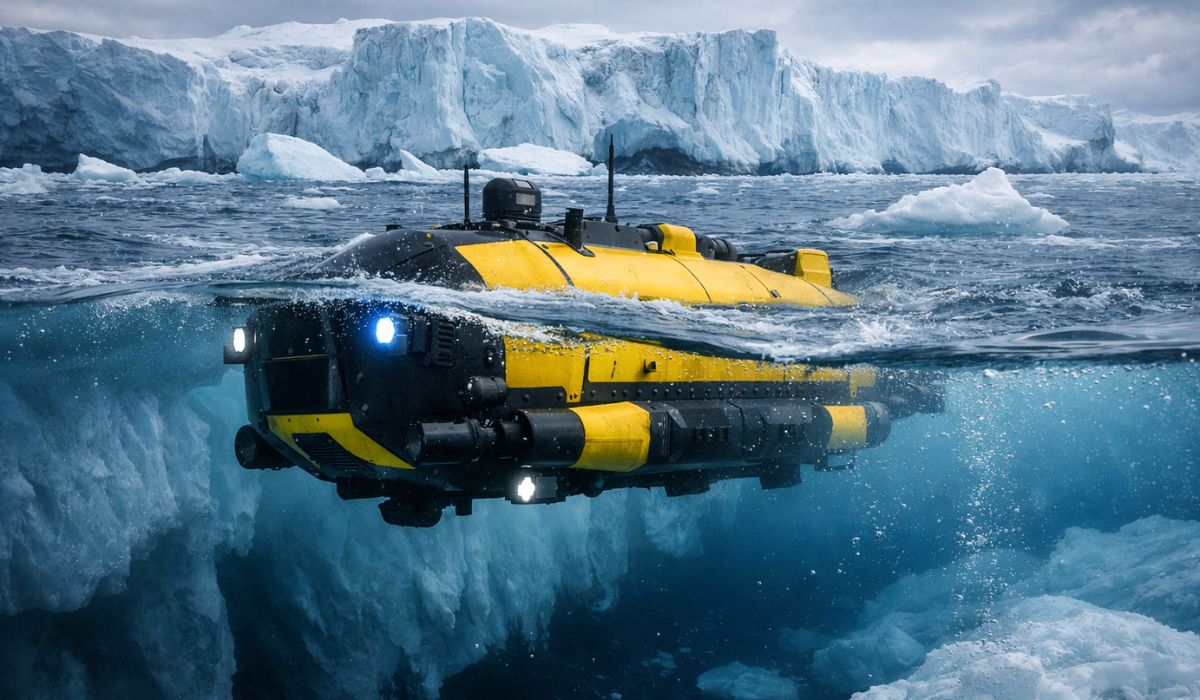
After a submarine disappeared beneath the “Doomsday Glacier,” scientists announce a new monstrous machine capable of operating at 3,000 meters depth to return to the heart of the ice and investigate a threat that could raise sea levels worldwide.

Sustainable Technologies and Innovative Mobility

During the presentation at CES, Akio Toyoda highlighted solutions such as nighttime security drones, robotic dogs for companionship, and even robotic arms capable of folding clothes with Japanese precision. The city also received LEED Platinum certification, the gold standard in sustainability.
Toyota’s Woven City bets on autonomous vehicles, like the e-Palette concept, which uses electric batteries and open control systems to integrate various technologies developed by partners.
The Milestone Achieved: Phase 1 Completion
With the first phase completed, the first residents are beginning to experience the proposal of a connected environment designed to meet all of their needs and designed to meet all of their needs. This initial phase allows for the testing of robots, vehicles, and even new forms of interaction in a totally optimized space.
The city is configured to use only modes of transportation with low or zero emissions. From electric bicycles to drones escorting residents at night, Woven City is a practical example of what urban mobility will look like in the future.
Exploring Space: Toyota and Interstellar Technologies
In an expansion of its mobility vision, Toyota invested in Interstellar Technologies, a Japanese startup focused on space flights. This partnership aims to leverage Toyota’s manufacturing expertise to create more accessible and efficient rockets.
As Toyoda said: “The future of mobility should not be limited to Earth alone.” The reference to Elon Musk’s SpaceX was clear, showing that Toyota is determined to explore new horizons, connecting its terrestrial vision to space exploration.
International Collaborations and Innovations
Besides hosting startups and global companies, Woven City is becoming a hub for the development of technologies that can be applied in other cities around the world. The partnership with Stanford and the achievement of the first autonomous tandem drift are just examples of the reach of this project.
Just as Sakichi Toyoda revolutionized weaving with his automatic loom, Toyota continues to innovate and push the boundaries of technology. Woven City is a living tribute to his visionary spirit, pointing the way to a more connected and sustainable future.
The completion of Phase 1 of Woven City and Toyota’s investment in Interstellar Technologies demonstrate how the company is leading the way to an innovative future. From robots folding t-shirts to rockets promising to explore the cosmos, Toyota is not just imagining the future — it is building it.






Ola disposição