





 Português
  Inglês
  Espanhol
 3 min de leitura
  0 comentários



Toyota Engine Production Faces Shutdown, and Resumption May Take Months as the Company Negotiates with International Suppliers
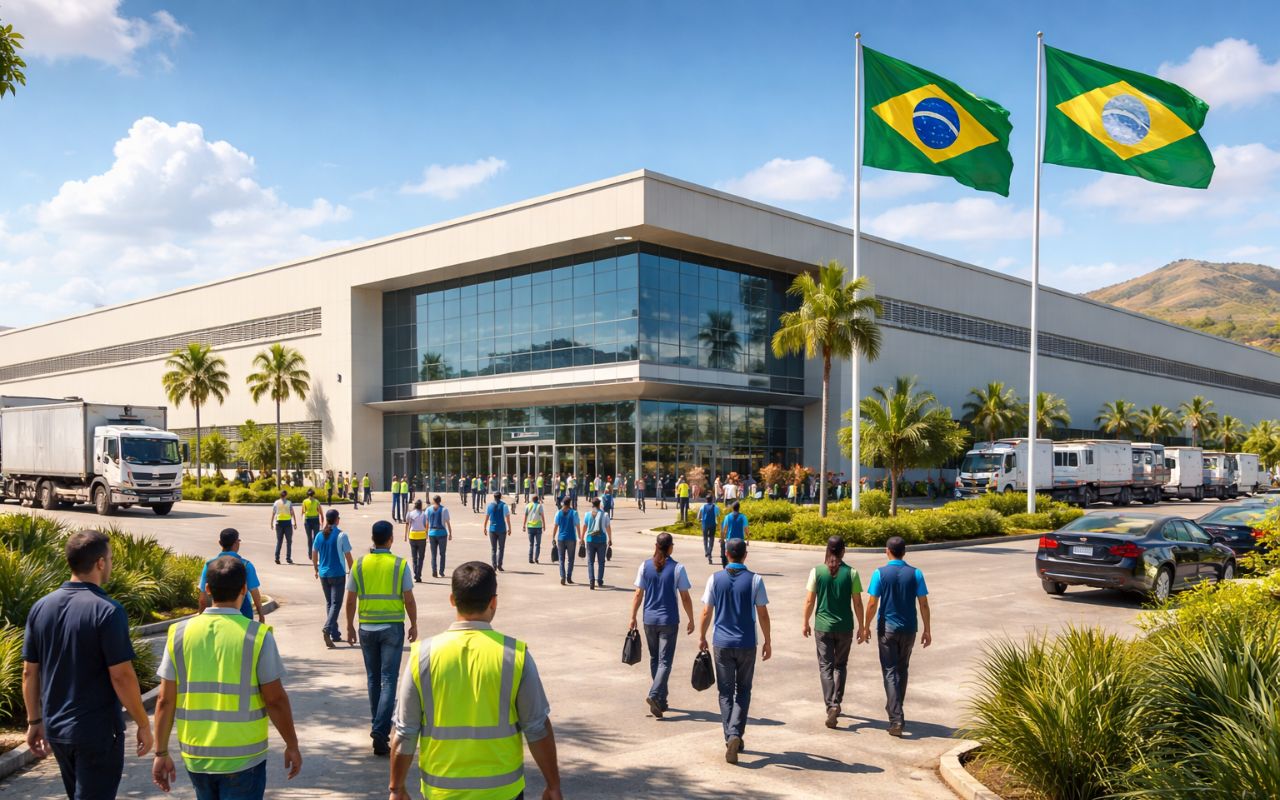
The Toyota announced the shutdown of its factories in Sorocaba and Indaiatuba, in the interior of São Paulo, due to difficulties in the supply chain. The problem particularly affects engine production, whose resumption process is expected to take months, according to the automaker itself.
While working to restore the production line, the company is seeking alternatives in external markets. The strategy aims to prevent greater losses and ensure the supply of essential components to maintain its operations in Brazil.
Direct Impact on Brazilian Units
The shutdown compromises a significant part of Toyota’s national production.
-
Historic bankruptcy of Centauro shocks the market, and the century-old company puts more than 500,000 products, machines, and complete infrastructure up for online auction.

-
New shoe factory in Ceará is expected to create 400 jobs and strengthen the local economy.
-
No one imagined it, but a mixture of sawdust with a mineral that fights fires surprises scientists with a result that changes the course of fire-resistant construction.

-
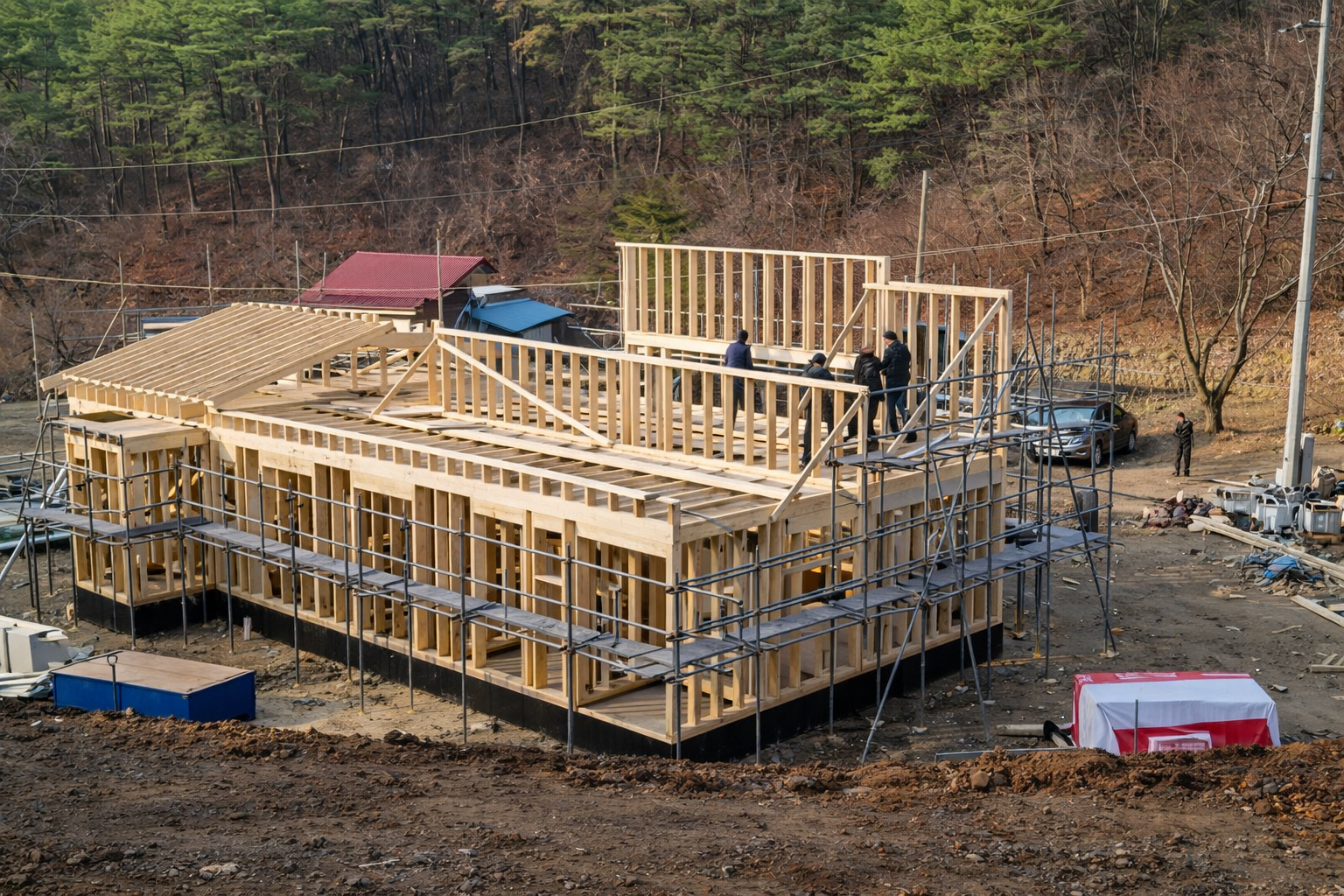
From empty land to a high-end house, wooden construction uses a lightweight system, metal structure for the foundation, ventilated ceramic cladding, and special windows to create an efficient and comfortable living space throughout the year.
Without the engines, finished vehicles cannot be delivered, affecting everything from dealerships to end consumers.
Additionally, workers have been directly affected: in Indaiatuba, the implementation of layoff has been approved as a temporary measure to reduce costs and preserve jobs while operations are not normalized.
This scenario is not exclusive to Toyota but represents a clear picture of the vulnerabilities of the automotive industry in Brazil in light of reliance on imported inputs and the complexity of global supply chains.
Alternatives and International Search
In light of the impasse, Toyota has intensified negotiations with suppliers in other countries.
The idea is to redirect part of the engine production from international units to Brazil, in order to compensate for local inactivity.
This maneuver, however, takes time, as it involves logistics, technical adaptations, and specific authorizations.
Meanwhile, the automaker continues to analyze increasing capacity in foreign plants so that the impact on the Brazilian market is as minimal as possible.
Even so, the company has already admitted that the definitive solution may drag on for several months.
Repercussions in the Automotive Sector
The situation of Toyota reflects a moment of adjustment in the national automotive sector, marked by instability in the supply of parts and pressure for lower costs.
The risk of shortages concerns suppliers, dealerships, and consumers, who may face delays in deliveries and fewer options available in the market.
The episode exposes Brazil’s structural dependence on international supply chains.
The shutdown of just one engine plant is enough to compromise the entire vehicle production line in the country, demonstrating how the lack of supplier diversification increases vulnerability.
Toyota is going through one of the most delicate moments in recent years in Brazil, and the solution will not be immediate.
The impact goes beyond the factories, affecting workers, dealerships, and consumers.
What do you think, does Toyota’s shutdown reveal a structural fragility of the Brazilian industry or is it just a temporary consequence of the supply crisis? How might this situation affect those who depend on new vehicles for work or investment? Share your opinion in the comments and express your vision for the future of automotive production in the country.








-

Uma pessoa reagiu a isso.