





 Portuguese
  English
  Spanish
  4 min of reading
  33 comments




Toyota Ends Historic Production in Indaiatuba and Begins New Cycle in Brazil, Investing in Hybrid Vehicles and Expanding the Factory in Sorocaba. Restructuring Marks Strategic Advancement of the Japanese Automaker in the Country.
Toyota announced that it will permanently cease operations at the Indaiatuba plant in the interior of São Paulo in the second half of 2026, after 27 years of uninterrupted operation and production of the Corolla sedan.
The unit, inaugurated in September 1998, represented a milestone for the Japanese automaker in Brazil, establishing itself as a reference in the national automotive segment and being responsible for over one million units of the model throughout its history.
Now, the company begins a new cycle, transferring the production of the Corolla to Sorocaba and betting on unprecedented models to expand its presence in the Brazilian market.
-
End of the 6×1 schedule: how the reduction of hours can affect service companies, industry, and agribusiness.

-
Brazil Ignores Trump’s threats to BRICS, Buys 42 tons of gold and reduces the Dollar’s share by 6.45% in international reserves.

-
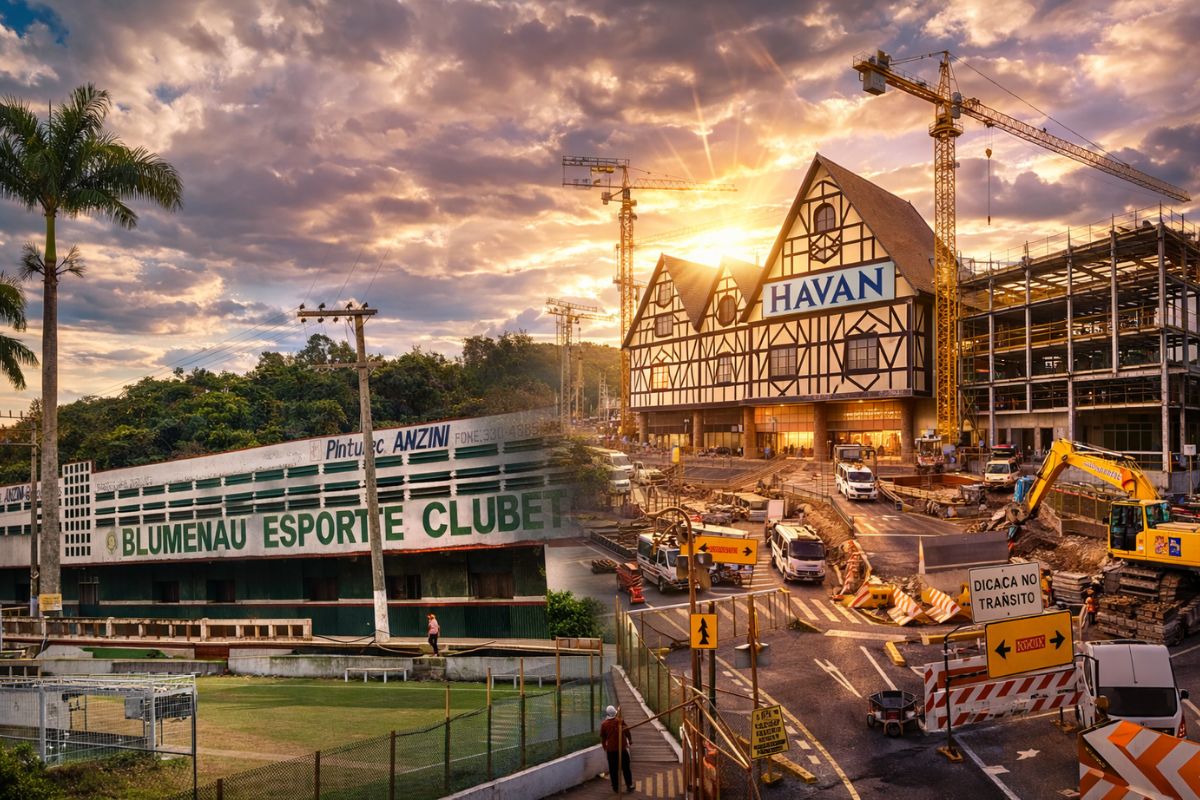
Havan buys historic football land in Blumenau for a million-dollar amount protected by a confidentiality clause and is already planning to change even the layout of streets to build a megastore in half-timbered style costing 80 million reais.
-
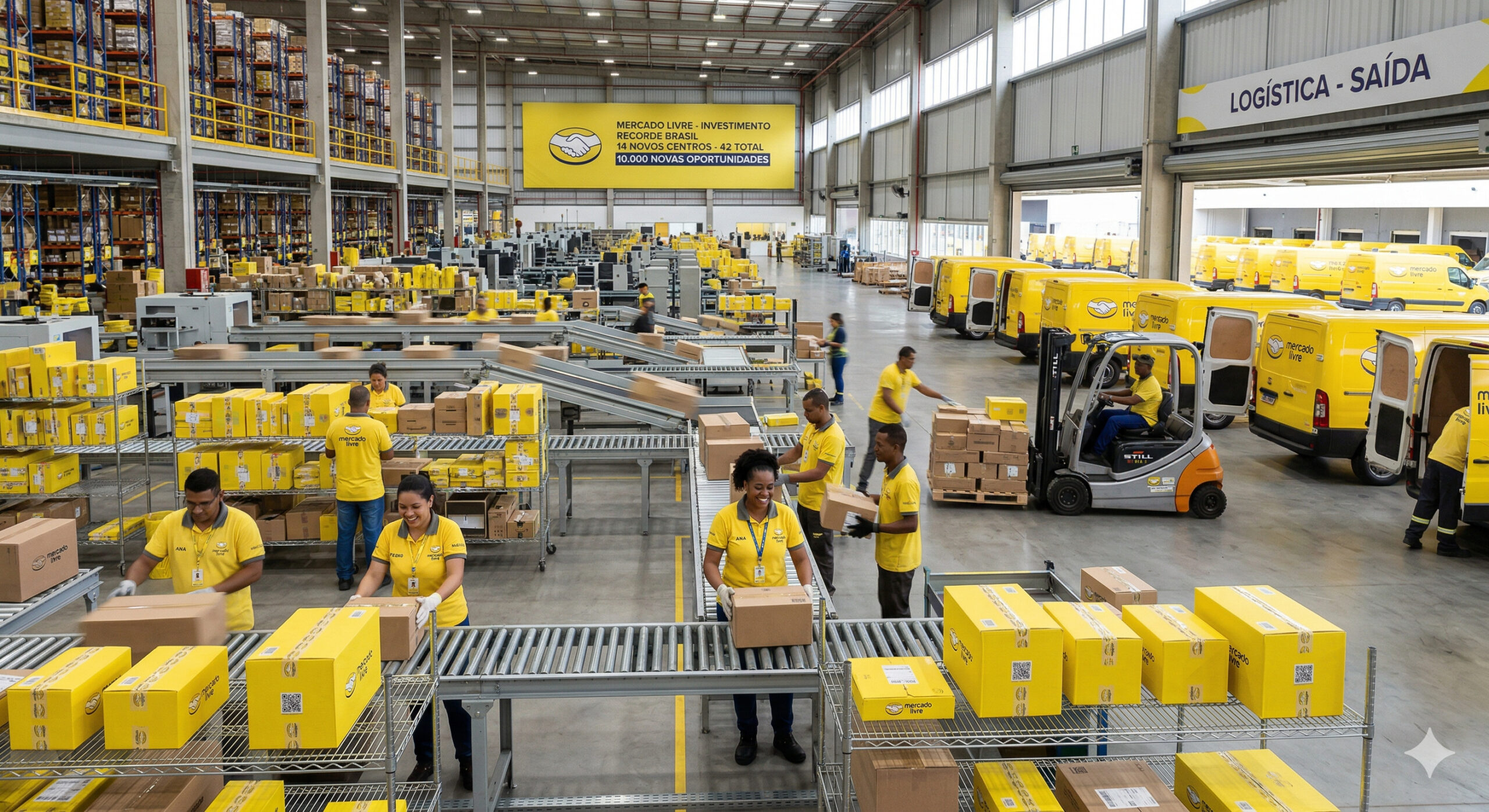
Mercado Livre “opens the vault” and announces a record investment of R$ 57 billion in Brazil in 2026, a value 50% higher than the previous year, with an expansion plan that includes 14 new logistics centers, totaling 42 units in the country and hiring an additional 10,000 employees.

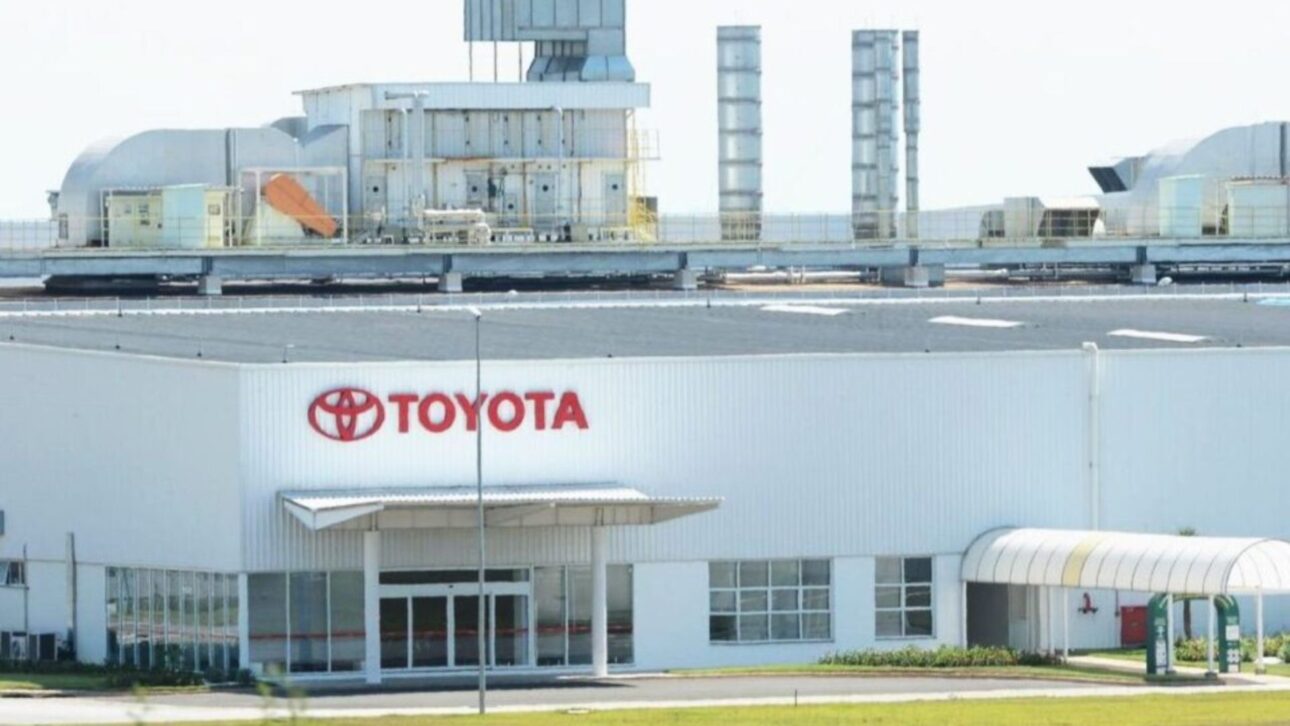
Indaiatuba Plant Closes Operations After Nearly Three Decades
The decision to deactivate the Indaiatuba plant is part of an investment plan of R$ 11 billion until 2030, announced by Toyota in March 2024.
This investment will be directed towards the modernization and expansion of the Sorocaba plant, also located in the interior of São Paulo, which currently produces the Corolla Cross, Yaris hatch, and Etios — the latter two exclusively for export since they were discontinued in Brazil.
The company emphasizes that concentrating production in Sorocaba is a strategy to optimize resources, increase industrial efficiency, and keep up with the technological evolution of the sector.
Toyota Invests in New Hybrid and Electrified Models
Among the new products planned for this new cycle, the launch of the Yaris Cross stands out, scheduled for October 2025.
The compact SUV arrives as the third hybrid flex model of the brand, following the trend of electrification that is intensifying in Brazil.
Built on the DNGA platform, an evolution of Toyota’s global architecture, the Yaris Cross will have options with combustion and hybrid engines, coming close in dimensions to the Hyundai Creta, one of the sales leaders in the segment.
According to the automaker, the new SUV will strengthen Toyota’s competitiveness in the national market alongside the Corolla Cross.
The strategy also includes the arrival of the Hiace van, a new vehicle for the Brazilian audience, equipped with the engine from the Hilux pickup and imported from Argentina.
This launch aims to serve both passenger transport and the light cargo segment, expanding the company’s portfolio and targeting new market niches.
The planning also includes the Corolla GLI Hybrid, an entry-level version of the hybrid flex sedan, which will occupy the space left by the recently discontinued Yaris sedan in Brazil.
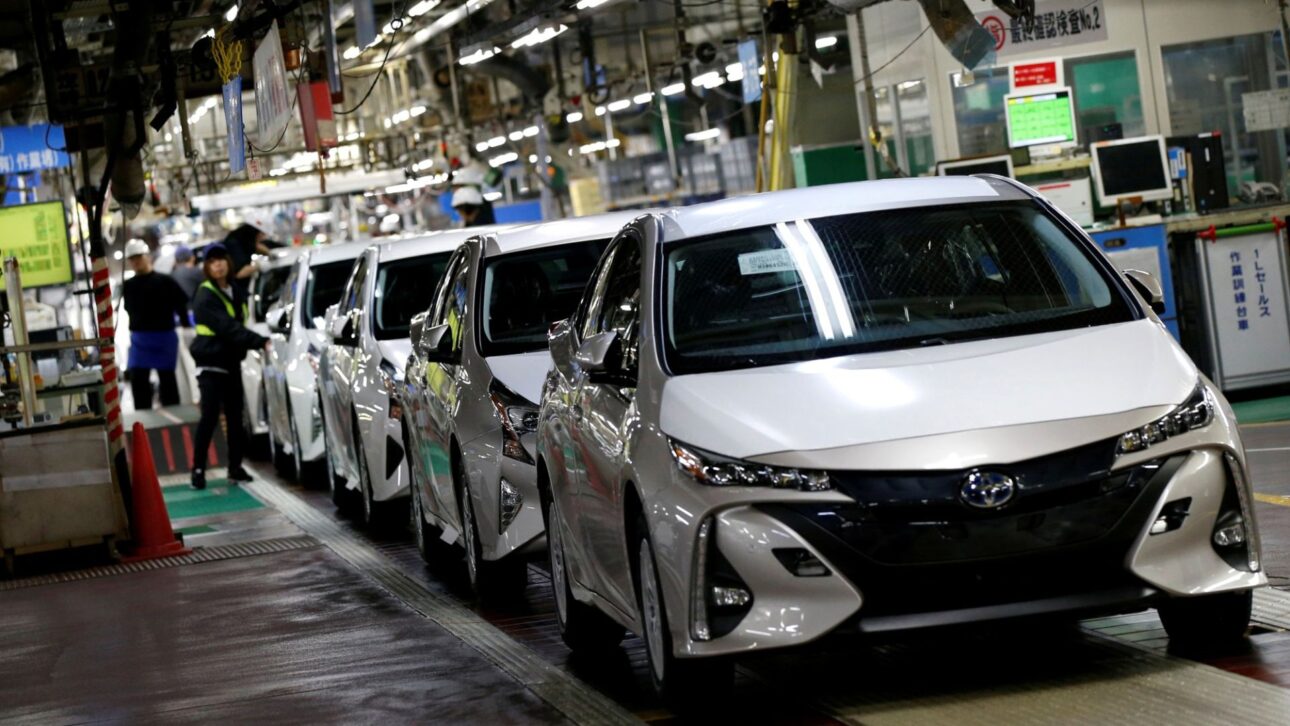
Indaiatuba Workers Will Have Transfer Opportunities
During the transition process, Toyota assured that all 1,500 employees currently stationed in Indaiatuba will have the opportunity to transfer to the Sorocaba plant, preserving jobs and ensuring stability for the workforce.
Additionally, the company anticipates the opening of another 500 positions as a result of the expansion of the industrial complex to accommodate the production of new models.
The transfer of operations will be carried out gradually, with the start expected in the second half of 2025 and completion by the end of 2026.
The expansion of Sorocaba involves investments in new assembly lines, technology, and training for employees.
According to an official statement, the goal is to ensure that the unit is equipped to produce the new generation of the Corolla sedan, whose national debut is expected to coincide with the migration of production.
The choice to centralize in the interior of São Paulo reflects, according to Toyota, a pursuit of greater competitiveness in the face of challenges in the Brazilian and global automotive market, marked by increasingly stringent technological transformations and environmental requirements.


Closure Follows Toyota’s Global Strategy
It is important to note that the closure of operations in Indaiatuba marks the end of an era for Toyota in Brazil, but it is not the first factory to be deactivated in the country.
In December 2023, the automaker had already closed the unit in São Bernardo do Campo, located in the ABC region of São Paulo.
This plant, inaugurated in 1962, was the brand’s first outside Japan and produced iconic vehicles such as the Toyota Bandeirante for four decades, as well as housing the national administrative headquarters.
The closure of the ABC unit occurred after the company restructured its local operations, maintaining the focus on productive efficiency and innovation.






**** essa manga! Quando os políticos pensarem no povo, o povo será servido. Vocês acham que a Toyota não negociou esses anos todos? É a mesma coisa que está acontecendo com o tarifaço, era melhor ter ficado calado.
“concentrar a produção em Sorocaba é uma estratégia para otimizar recursos, elevar a eficiência industrial e acompanhar a evolução tecnológica do setor”
Bem explicado
Qual a diferença dessas fábricas serem montadas nesses anos todos e mudar para outra cidade no mesmo estado e sendo em São Paulo. Difícil pra quem tem residência nesta cidade e ter que sair, mudar ou se deslocar. Sinceridade, eu não concordo, se vão vender os carros que vão ser fabricados para serem vendidos no mesmo país?
Realmente vc nunca vai concordar. O motivo é incentivo da cidade e lucro pra empresa. Eles não se importam com quem mora na outra cidade.
Provavelmente terminam os incentivos fiscais, daí pulam fora, mais barato investir do que pagar. Minha opinião.