





 English
  Francês
  Alemão
  Italiano
  Japonês
  Norueguês
  Portuguese
  Spanish
  3 min of reading


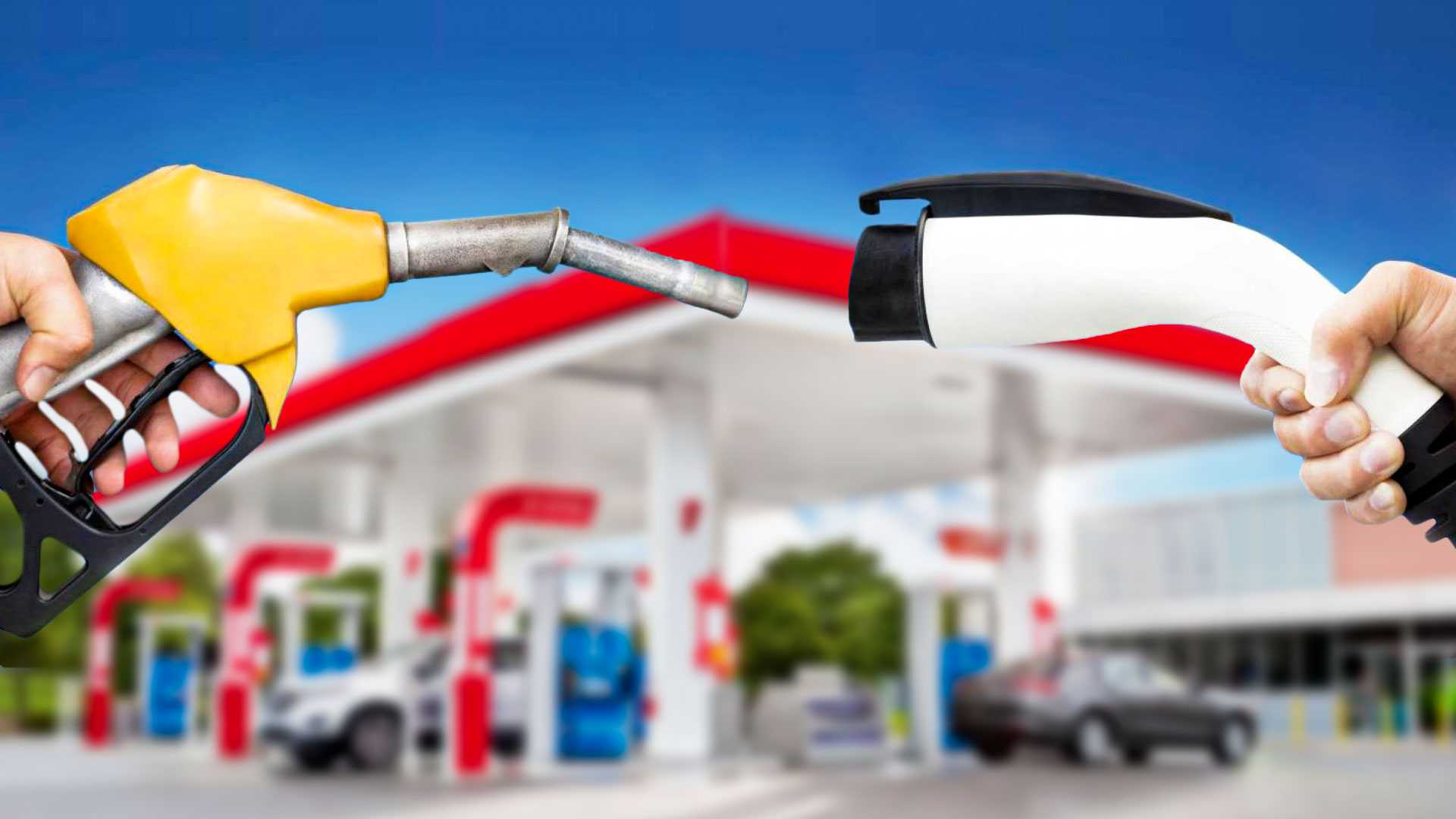
The Alliance Named ‘Team Japan’, Comprising Japanese Manufacturers Toyota, Subaru, Mazda, Kawasaki, and Yamaha, Seeks Alternatives to Keep the Combustion Engine Market Active Worldwide
Some Japanese manufacturers have united to form an alliance with the aim of keeping the internal combustion engine alive. The alliance formed by Toyota, Subaru, Mazda, Kawasaki, and Yamaha aims to promote the search for alternative fuels and hydrogen solutions that can ensure this technology remains relevant in this new era of electrification.
Read Other Related News
Toyota, Leader of the Alliance, Seeks Better Alternatives for Combustion Engines
In defense of greater freedom of choice and investigation into solutions for combustion engines, Toyota is leading the alliance known as ‘Team Japan’ among Japanese manufacturers that are also looking for efficient alternatives so that internal combustion engines can remain relevant and achieve carbon neutrality.
The CEO of Toyota, Akio Toyoda, has been quite critical of the approach taken by regulatory bodies that claim that electrification is the only path to clean mobility. The company recently showcased its work in converting a combustion engine into a hydrogen engine by entering its Corolla in a endurance race in Japan, the Super Taikyu Series event.
-
Engineers propose a fourth traffic light for intersections – the change promises to affect crossings, queues, and waiting times.

-
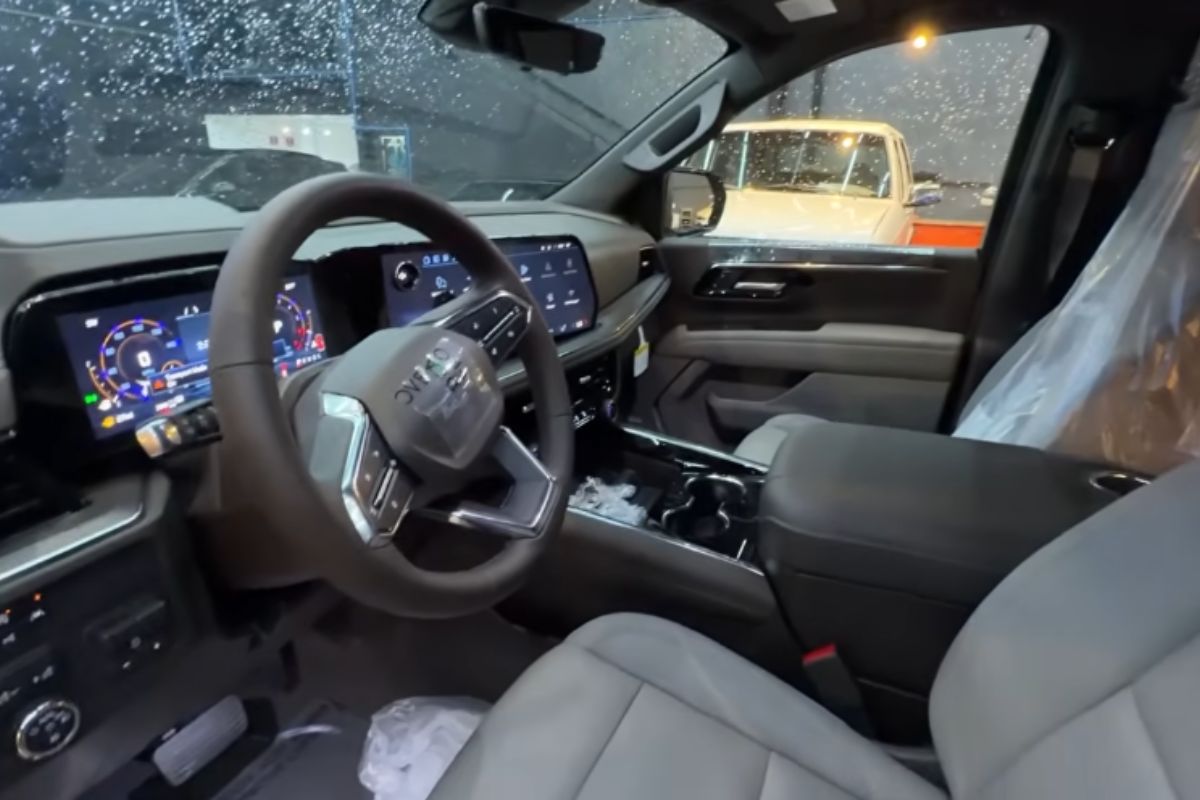
Chevrolet Suburban Z71 lands in Brazil with a V8 engine, off-road design, air suspension, seven seats, and colossal size, a rare version imported for around R$ 1.3 million with luxury and exclusivity.
-
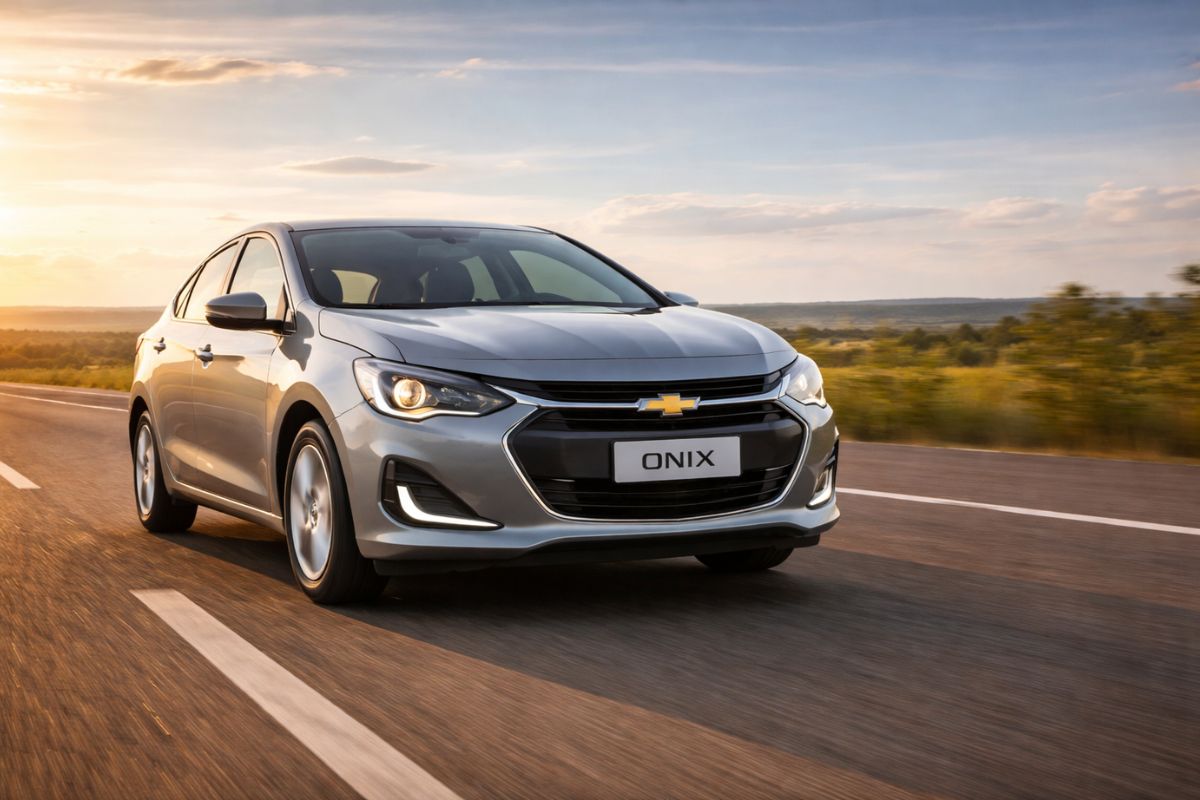
The Chevrolet Onix 1.0 turbo achieves 17.7 km per liter on the highway and ranks among the three most economical cars in Brazil in 2026, alongside two more expensive Toyota hybrids available at dealerships.
-
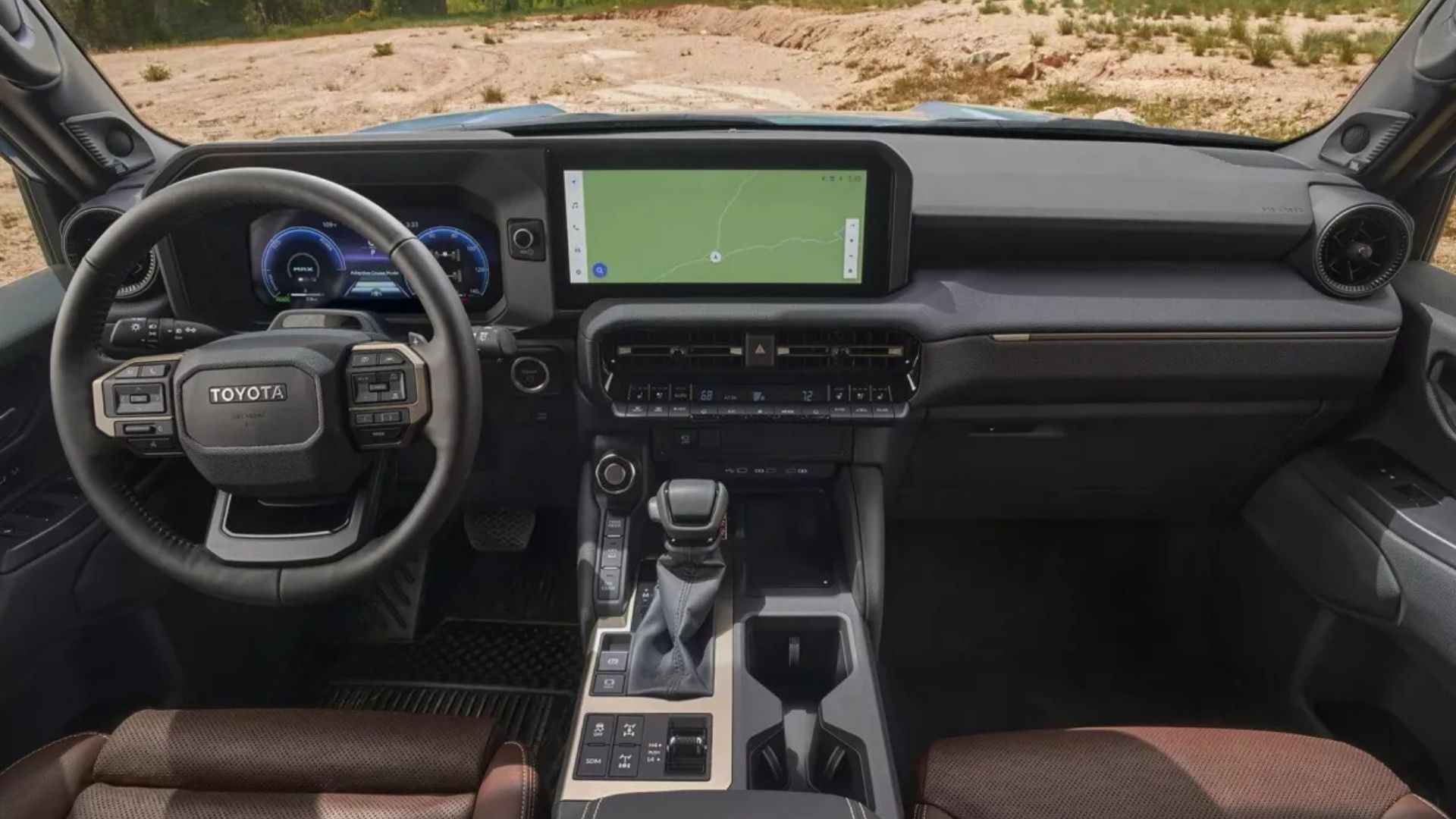
Little sister of the Hilux: Toyota launches Land Cruiser FJ with 4 radical versions, 2.7 engine with 166 hp and 4×4 traction with locking.

The Corolla was also highlighted at the press conference held at the Okayama Circuit, where Toyota Motor Corp., Subaru Corp., Mazda Motor Corp., Kawasaki Heavy Industries, and Yamaha Motor presented the main objectives of this alliance, such as: encouraging the use of carbon-neutral fuels, investigating hydrogen-powered engines in high-performance cars and motorcycles, and ultimately, maintaining the argument that combustion engines can indeed remain in use in competitions with hydrogen-related resources.
Results Released by ‘Team Japan’
One of the first results announced by Team Japan was the use of the new 1.5 Skyactiv-D engine, powered by diesel, in competition by the automaker Mazda, fueled by biodiesel.
The Mazda Demio Spirit Racing Bio – a model based on the Mazda2, currently sold only in Europe – will use 100% biomass-derived diesel, supplied by Euglena Co., Ltd.
A similar project is being prepared by Toyota in collaboration with Subaru, using their BR-Z and GR86, which can compete equally since both utilize carbon-neutral synthetic fuels. By competing together, the brands will have the power to accelerate the development of this fuel for use in large urban centers.
Toyoda’s Concerns
The conceptualization of carbon-neutral fuels assumes another level of relevance, addressing the significant number of internal combustion engine vehicles currently in use worldwide, which far exceeds that of electric vehicles. However, there is a forecast that this gap may narrow over the years.
Even so, Toyota and Mazda already have electric models in the making, with Mazda having some already on sale, as they face increasingly fierce competition in the automotive market. However, Toyoda is also concerned about the impact of electrification on employment levels, which may suffer a decline on this path, potentially severely affecting production plants in Japan.








Seja o primeiro a reagir!