





 Portuguese
  English
  Spanish
  4 min of reading
  0 comments


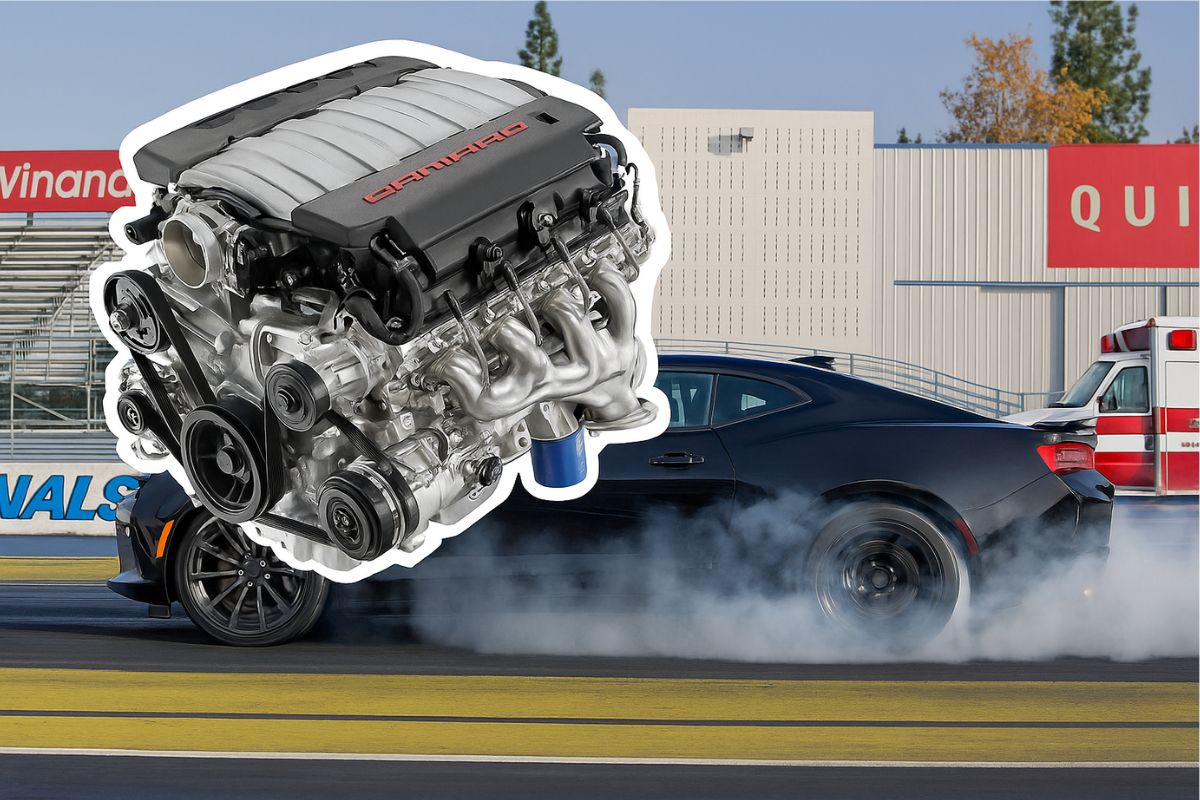
The Most Produced Engine In History Is Not Toyota’s: Meet GM’s V8 That Exceeded 100 Million Units
When it comes to the best-selling car in the world, the answer is almost always the same: Toyota Corolla. With over 50 million units sold since its launch in the 1960s, the Japanese sedan has become a global legend. But there is another record, less known —and even more impressive— that does not belong to Toyota, but to General Motors: that of the most produced engine in history.
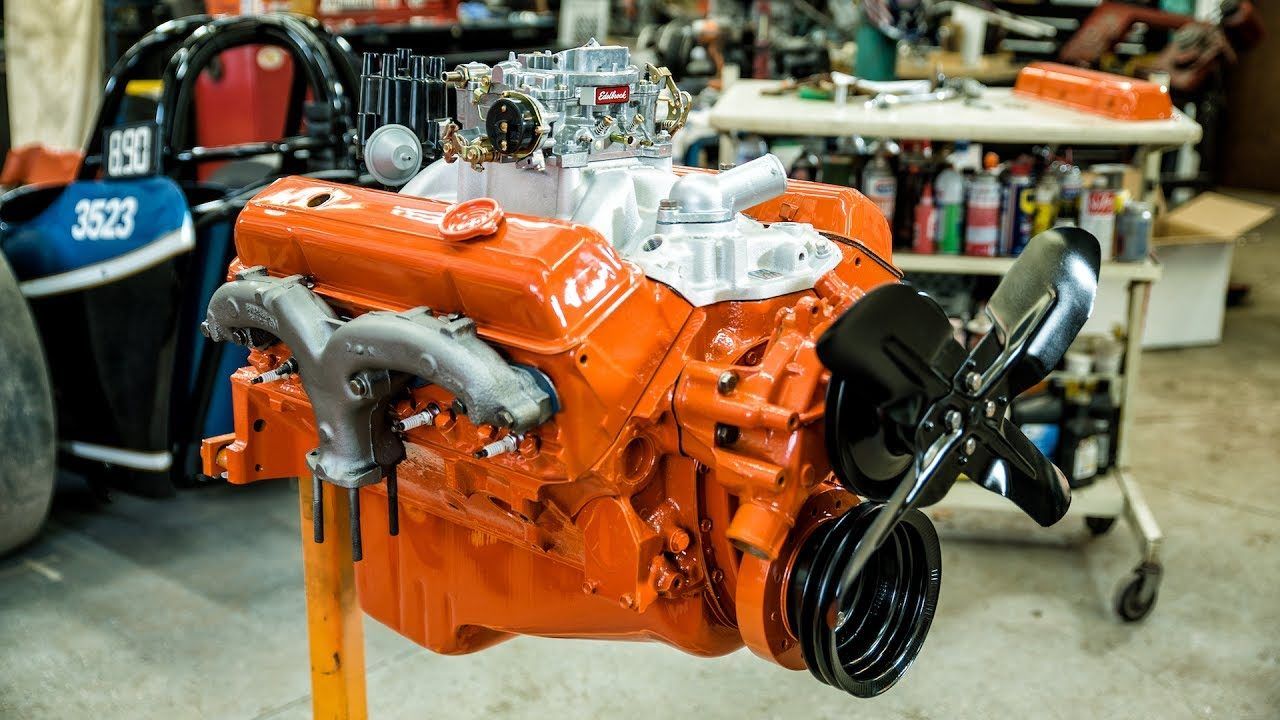
With more than 100 million units manufactured, the legendary GM V8 engine, originally known as the Small Block, is a true institution of automotive engineering. Since its debut in 1955, this engine has gone through several generations, equipping everything from sports cars like the Chevrolet Corvette to pickups, SUVs, and commercial vehicles from the American giant.
A Legend Born In The 1950s
The story began in 1955 when General Motors realized that its six-cylinder engines were no longer sufficient for the more powerful models of the time. That’s when the Small Block V8 was born, featuring a compact design, lightweight construction, and surprising performance for the standards of the era. It debuted in the Corvette but quickly began to equip models like the Impala, the Bel Air, and later, the famous pickups from the C/K line.
-
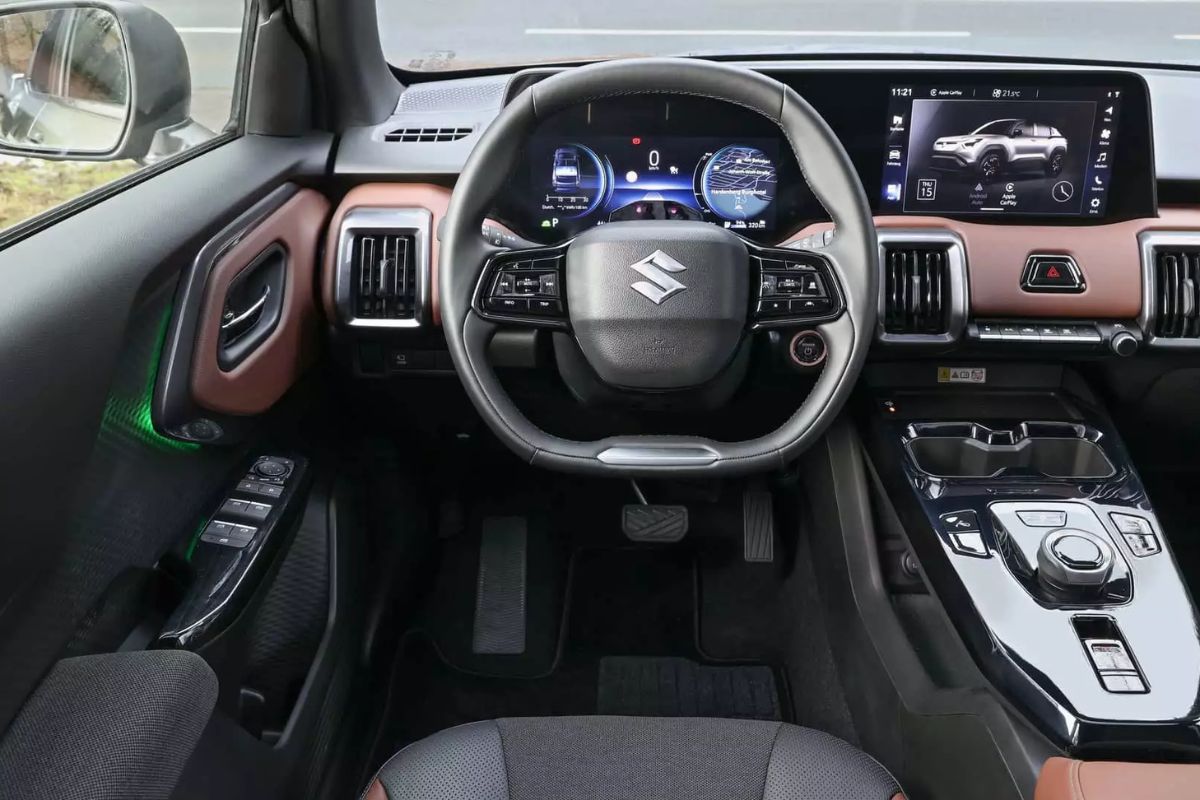
The 2026 electric Vitara arrives in Brazil and proves that Suzuki is not leaving: 4×4 traction, 184 hp, 61 kWh LFP battery, 293 km range, R$ 259,000, and a trunk capacity of 224 L.
-
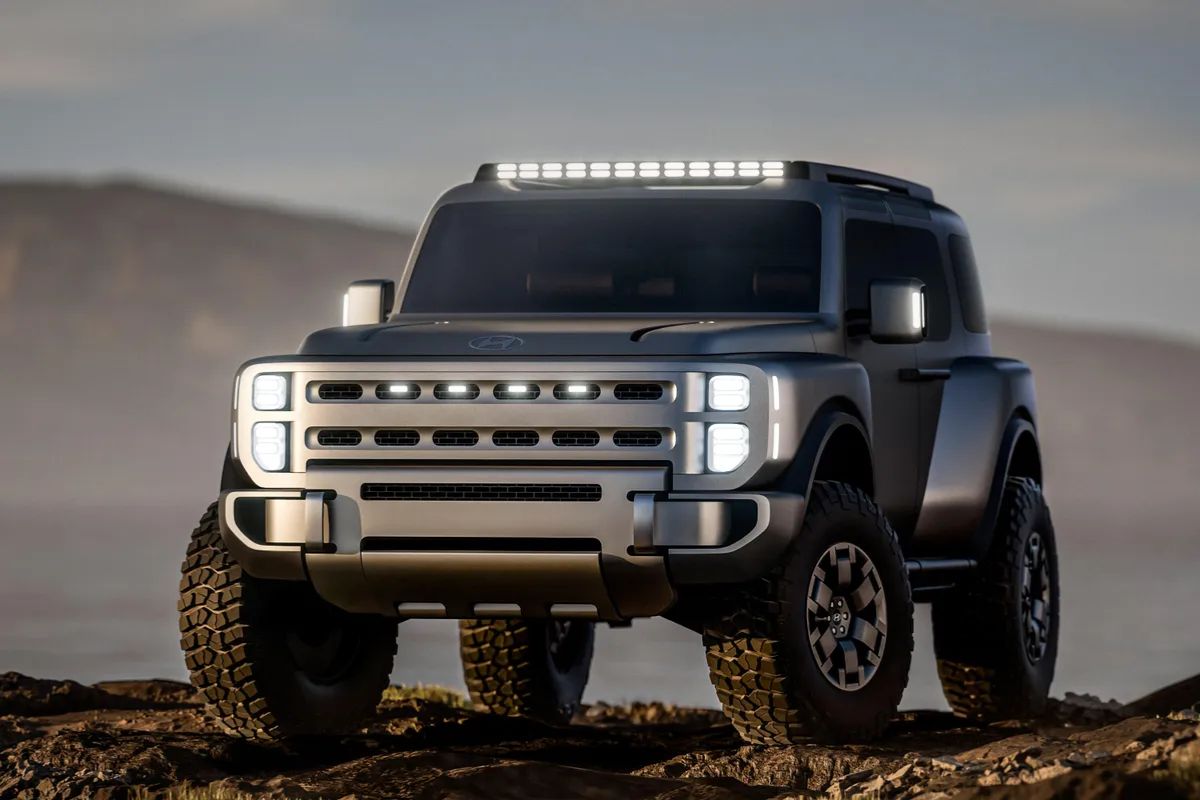
Hyundai has unveiled the Boulder, a square SUV with a body-on-frame design, 37-inch mud tires, and carriage-style doors that seems to be made to take on the Ford Bronco and the Scout Traveller in the United States.
-
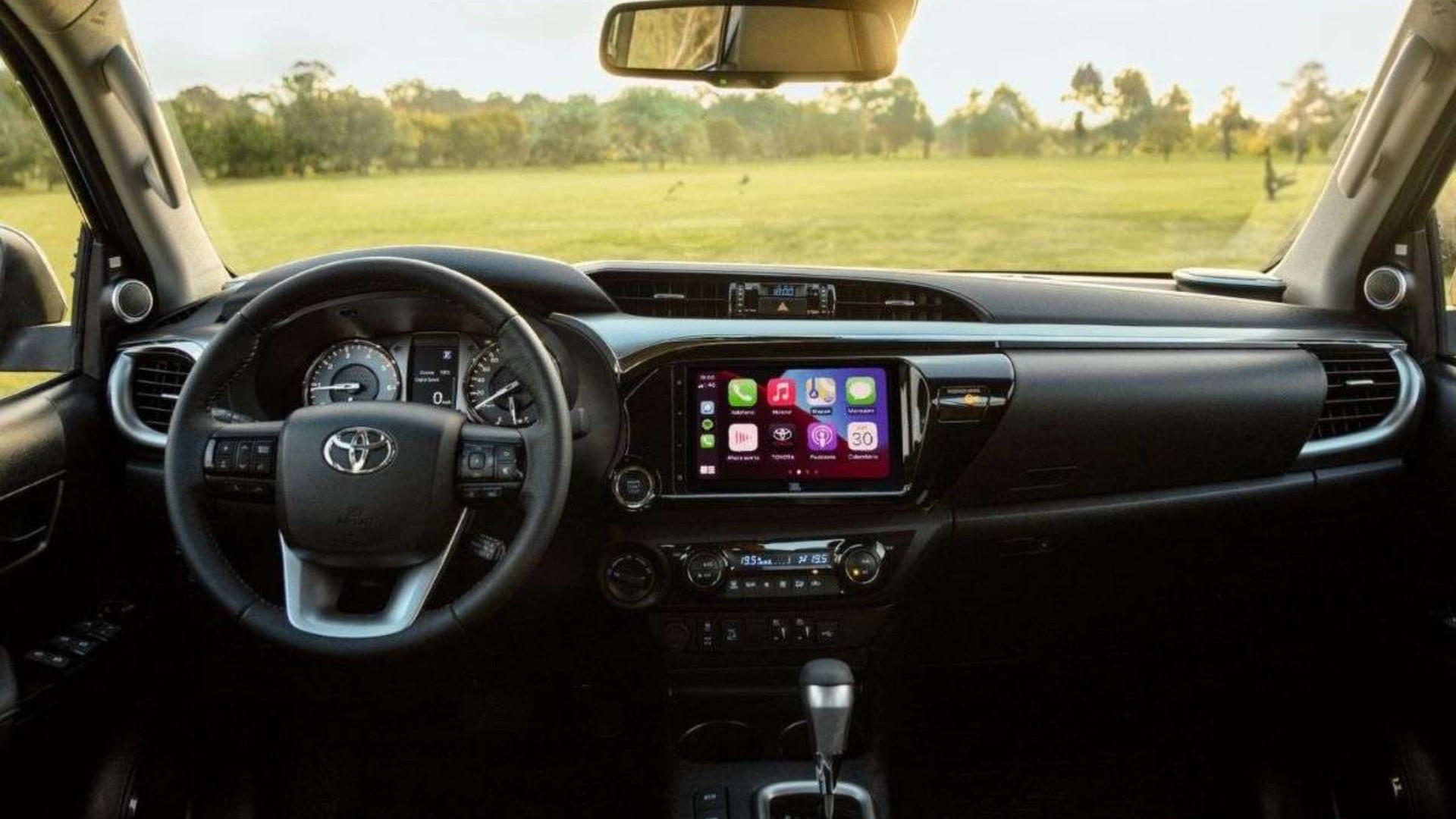
The Toyota Hilux is R$ 75.5 thousand cheaper and bets on the 2.8 turbodiesel engine with up to 204 hp and 50.9 kgfm to catch up with the VW Saveiro, which leads with 4,472 sales.
-
The new Renault Koleos has a screen exclusively for the passenger that is invisible to the driver, heated rear seats, and 29 assistance systems, but its Chinese competitors cost R$ 40,000 less and deliver more power.
According to the National Corvette Museum, the success of the Small Block was so great that it became one of the pillars of GM’s identity for decades, continuously modernized without losing its essence.
Evolution And Rebirth: From Small Blocks To LS And LT Blocks
The engine has evolved significantly over time. In the 1990s, it spawned the iconic LS series, which took performance and efficiency to new heights. This new generation quickly became a reference for performance builds, engine swaps, and modifications, being celebrated by enthusiasts and mechanics worldwide — including in Brazil.
Today, we are in the third generation of this lineage: the LT engines, launched starting in 2013, which equip models like Chevrolet Corvette, Cadillac Escalade, Chevrolet Suburban, and Silverado. GM has already confirmed it is working on the development of the fourth generation, with a debut expected in 2027, promising more power, lower consumption, and reduced emissions. See more details on GM Powertrain’s own website.
Mexico And Latin America Are Part Of This Story Too
Few people know that Latin America —especially Mexico— played a crucial role in the history of this engine. In 1973, GM began producing the V8 Small Block at the Toluca plant, and millions of units came out of there over the decades. This allowed the engine to equip various models sold in countries like Brazil, Chile, and Argentina.
In fact, in Brazil, adapted versions of the V8 have been seen in imported pickups, special fleets, and vehicles prepared for competition or agricultural use. Although it is not as popular here as the four-cylinder engines from the Família II line, the GM V8 is still remembered with respect and admiration among power enthusiasts.
While Other Brands Give Up, GM Doubles Down On The V8
General Motors’ stance stands in stark contrast to that of other automakers. RAM, for example, even discontinued the famous V8 HEMI engine, citing sustainability concerns. The decision was so unpopular that, according to MotorTrend, the brand had to backtrack after consumer pressure —and it cost the CEO their job.
Meanwhile, GM is staying firm: even amid the rise of electrification, it does not intend to abandon the V8. “There is still demand for high-performance engines, especially in markets like North America and Latin America,” declared Mary Barra, the company’s CEO, during a recent press conference at the Detroit Auto Show.

And In Brazil?
Although the focus of the Brazilian market is increasingly turning to small, turbo, and hybrid engines, the fascination with the V8 has not disappeared. In the world of competitions, such as the Old Stock Race and Hot Rod, GM’s V8 engine remains the soul of the most admired cars on the track.
Additionally, some models like the Silverado, which recently returned to Brazil in a limited version, still offer this engine option, reinforcing its appeal to luxury and high-performance audiences.










-

-

-

-

-

-

28 pessoas reagiram a isso.