





 Portuguese
  English
  Spanish
  3 min of reading
  0 comments


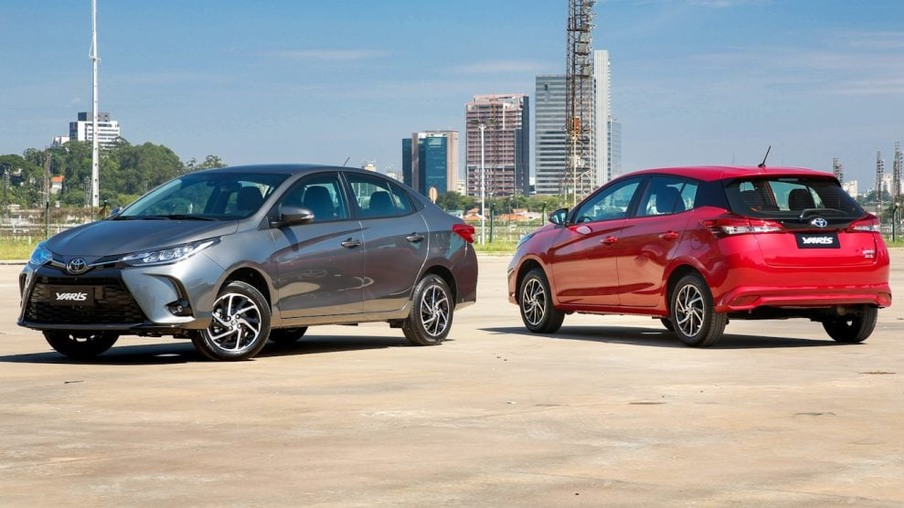
Toyota Surprises By Ending Production Of One Version Of The Yaris. The Decision Paves The Way For A New Offering From The Company That Promises To Conquer The Brazilian Market And Challenge Giants In The Segment.
One of the most respected automakers in Brazil has made a decision that promises to shake up the automotive market.
Despite the recent excitement over new models expected to arrive at dealerships, a car that has carved out its space among Brazilians is about to exit the scene.
The surprise, however, lies in the details of this transition and the bets for the future.
-
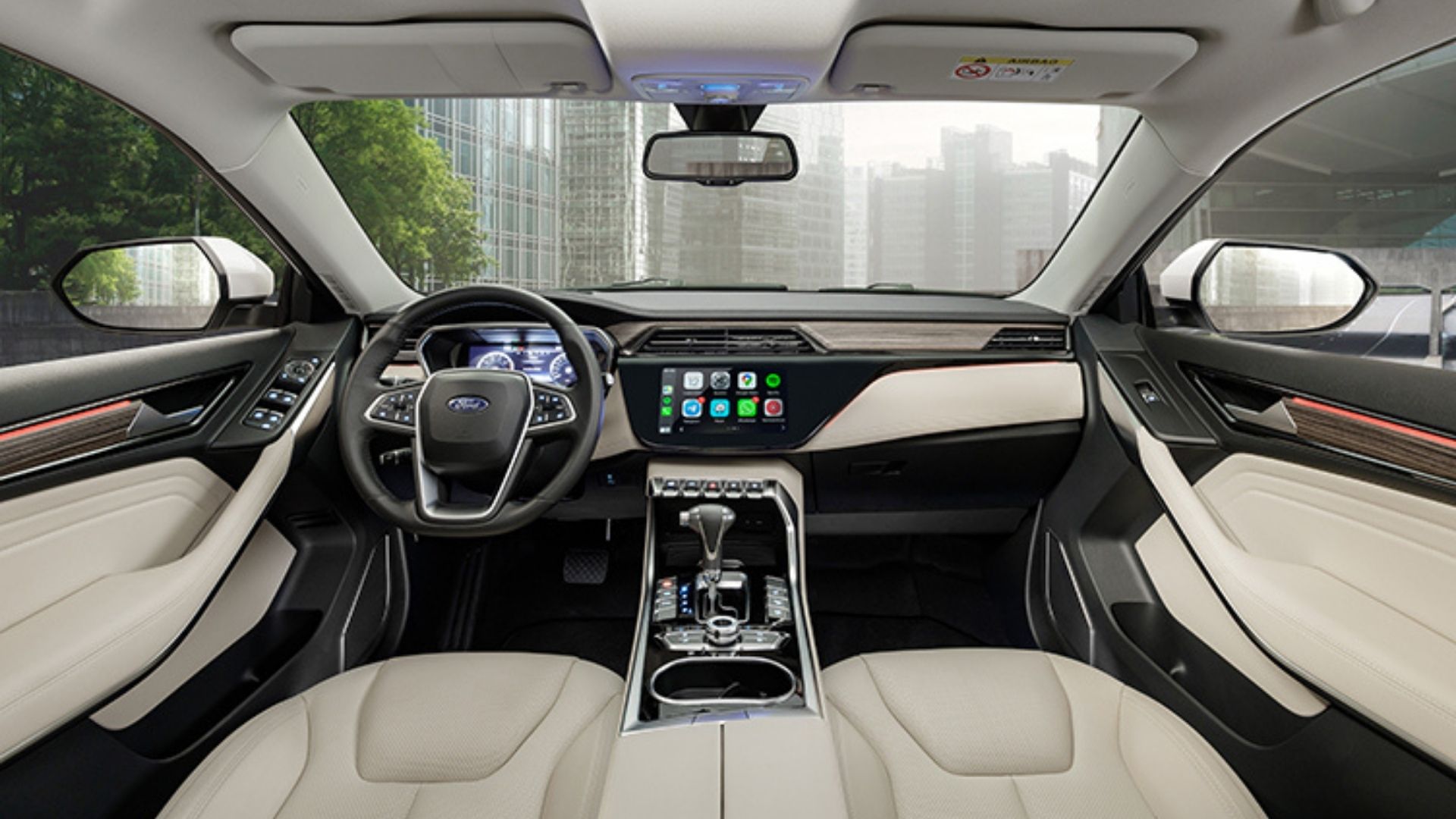
Around R$ 24,000: 4 used Ford SUVs with up to 253 hp, V6 engine, all-wheel drive, 7 airbags, panoramic sunroof, and a complete package that surprises with its price and performance in Brazil.
-
A brand new car starts at around R$ 75,000 in Brazil, but what stands out the most is seeing streets filled with SUVs and expensive sedans in a country where millions remain in debt.

-
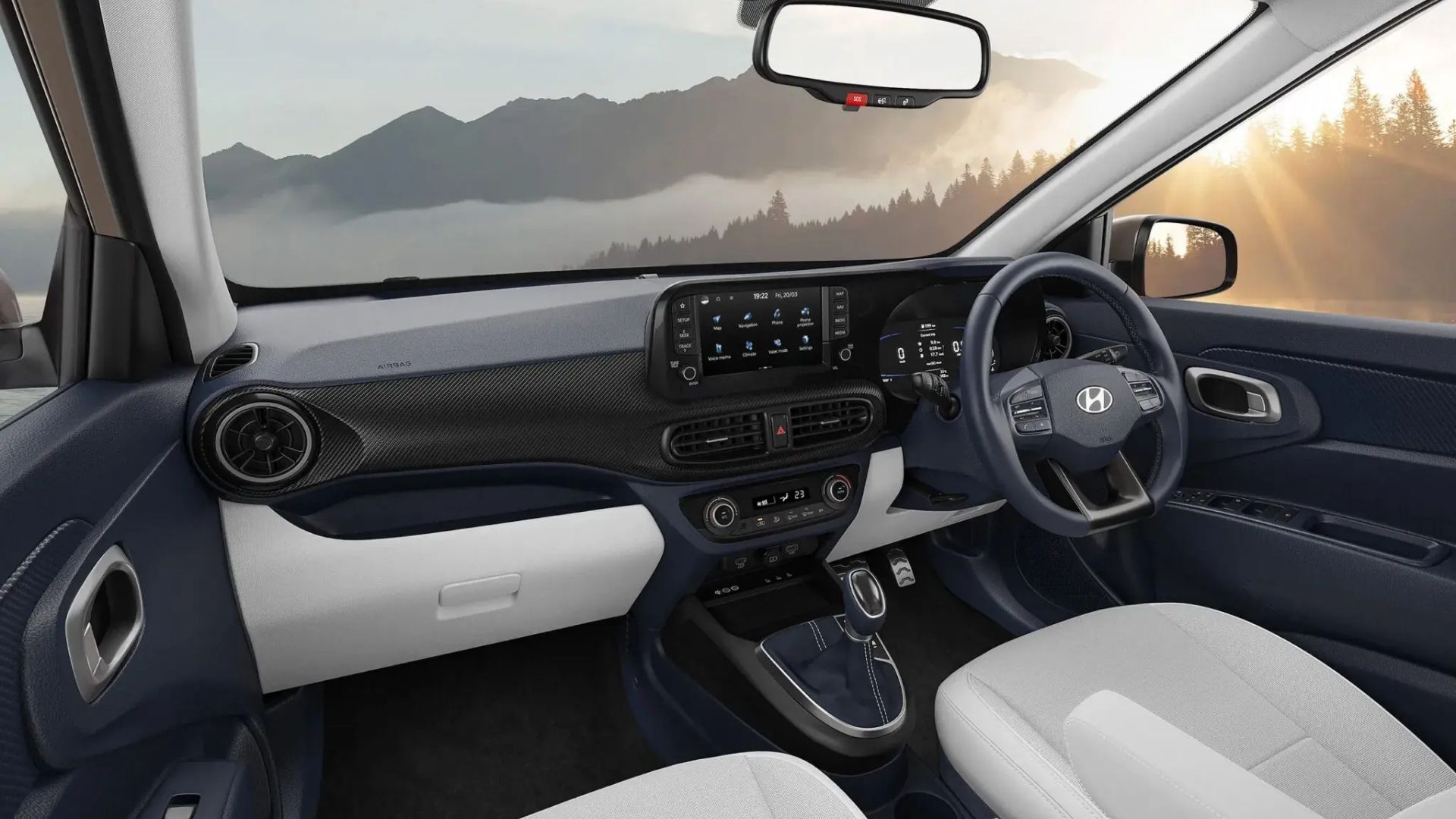
For R$ 32,000, a brand new Hyundai car is a rival to the Kwid with a 1.2 engine producing 82 hp, 6 airbags as standard, multimedia with wireless Android Auto, up to 391 liters in the trunk, and a refreshed look for 2026 in India.
-
He bought a new car in 1983, locked it in the barn in 1988, and no one opened the door for 38 years until the family discovered what was stored inside and realized it looked like something out of a movie.


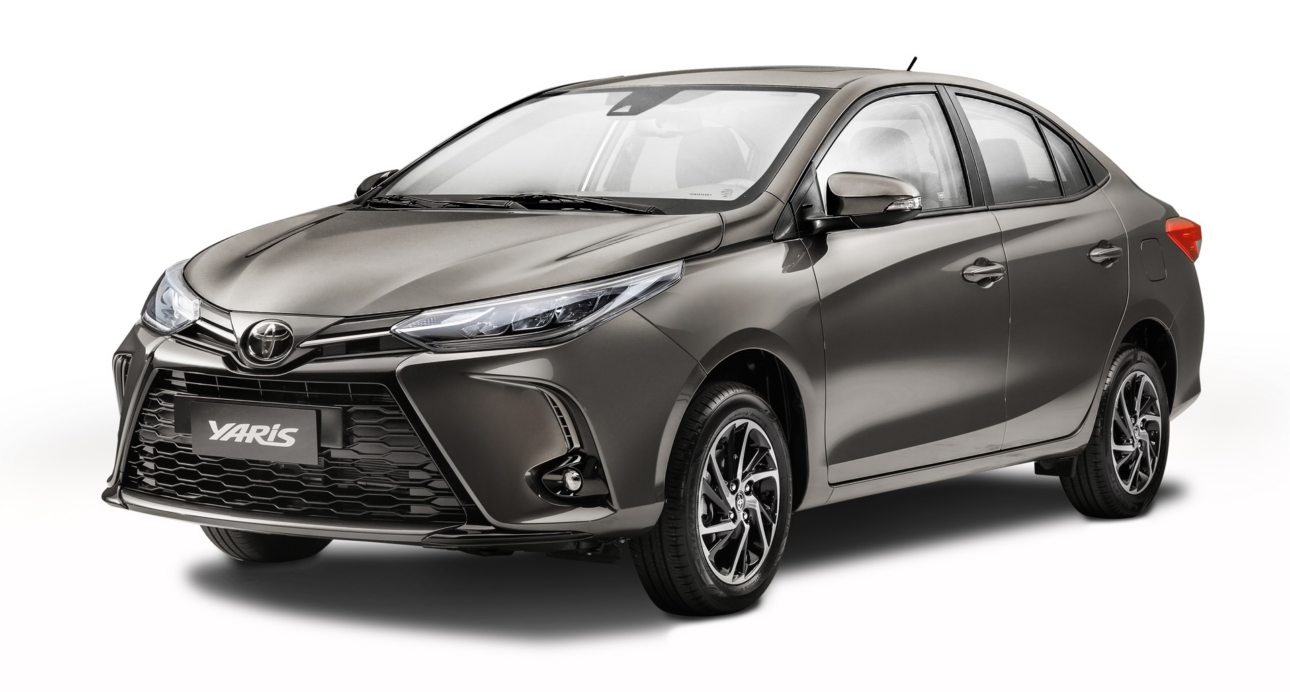
The Japanese automaker confirmed that it will end production of the Yaris Sedan and the versions with manual transmission in November 2024.
This decision is part of a realignment strategy to make room in the brand’s product line while awaiting the arrival of the compact SUV Yaris Cross.
The news was confirmed by the newspaper Motor1, which highlighted that the last models produced in Brazil will be exclusively for export to Argentina.
According to information from the Motor1 website, Toyota had already reduced the options in its Yaris line in recent years.
Since 2020, the Brazilian model has offered only the CVT automatic transmission, eliminating manual versions intended for export.
Now, with the definitive cut of the Sedan, only the hatchback will remain available, solidifying itself in the XS, XLS, and S versions.
Reasons Behind The Change
The discontinuation of the Yaris Sedan reflects Toyota’s transition to vehicles that are more in line with market trends.
The awaited Yaris Cross is the main reason for this overhaul, a model aimed at competing with segment giants such as T-Cross and WR-V.
The SUV has already begun pre-series production in Brazil and is expected to launch in Argentina and other markets in 2025.
Additionally, the Yaris Cross stands out for its use of modern hybrid technologies.
Global versions include a 1.5 naturally aspirated engine with 106 hp and a hybrid version that combines an electric motor and combustion engine, offering efficiency and sustainability.
With estimated prices ranging from R$ 130,000 to R$ 180,000, the SUV may cause adjustments in the prices of other models from the brand, such as the Corolla.
Investments For The Future
To solidify this transition, Toyota will invest R$ 11 billion by 2030 in a new factory in Sorocaba, São Paulo.
This complex will expand the production of vehicles and engines and will accommodate two new flex hybrid models designed for the Brazilian market.
According to the company, these cars will introduce technology that combines energy efficiency with the use of ethanol, a feature already planned for the Yaris Cross manufactured in the country.
Toyota emphasizes that the models developed in this new manufacturing facility will help popularize flex hybrid technology, making it accessible and environmentally sustainable.
This strategy reflects the automaker’s concern to meet both local demands and the requirements of international markets.
What To Expect From The Market?
Although the end of the Yaris Sedan represents a significant loss for fans of the model, the arrival of the Yaris Cross promises to fill this gap with innovation and modernity.
The compact SUV segment continues to thrive in Brazil, and Toyota is betting on this growth to attract new customers.
According to Motor1, hybrid car enthusiasts can expect considerable advancements, including exclusive adaptations for the national market.
The flex hybrid technology will allow the use of ethanol, expanding the options for renewable fuels available to Brazilian drivers.
Will the Yaris Cross achieve the same prominent place that the Yaris Sedan had in the Brazilian market? Or will this change mark a setback for the automaker? Share your opinion in the comments and participate in the discussion about Toyota’s future in Brazil.








Seja o primeiro a reagir!