





 Portuguese
  English
  Spanish
  5 min of reading
  0 comments


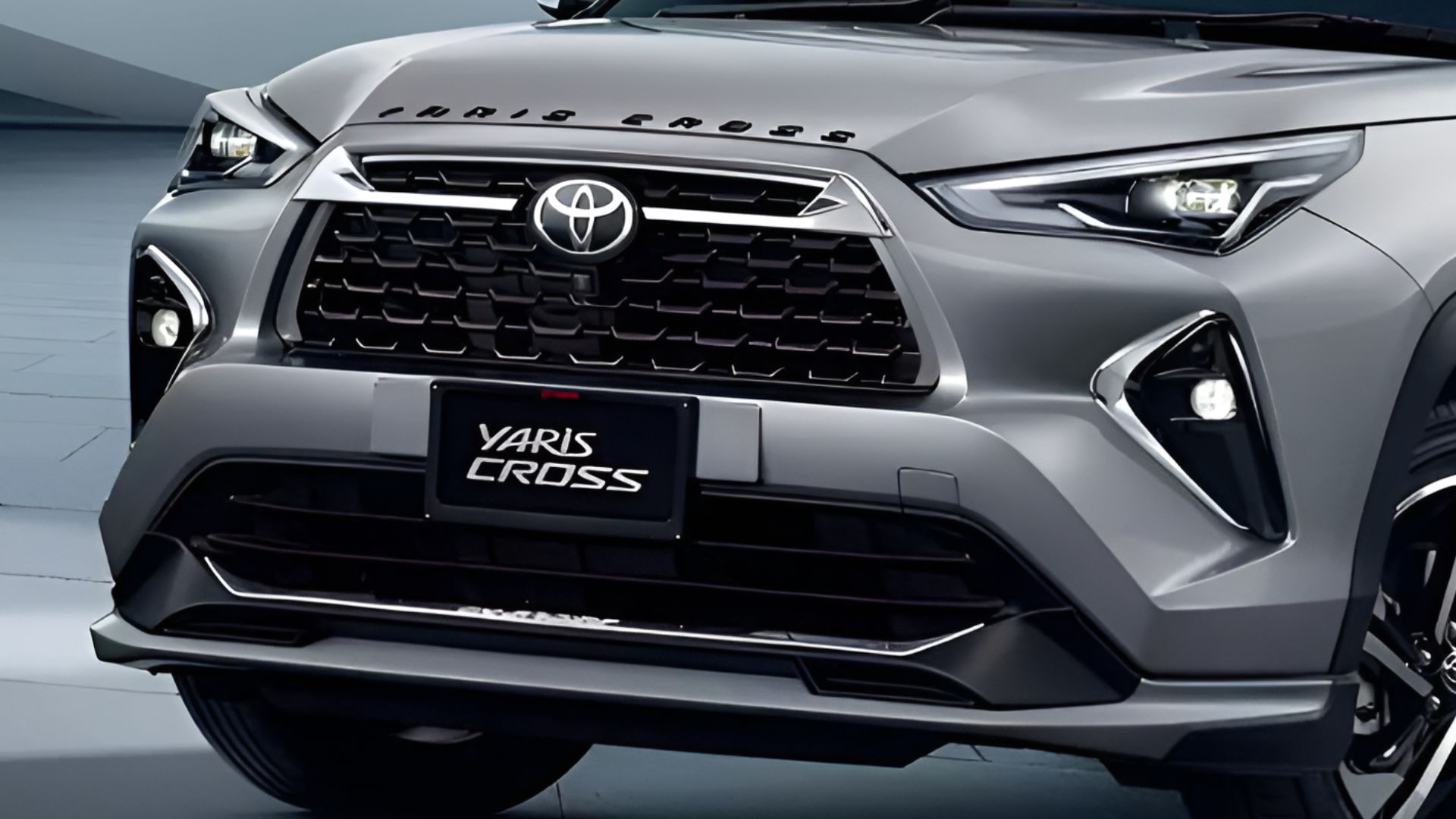
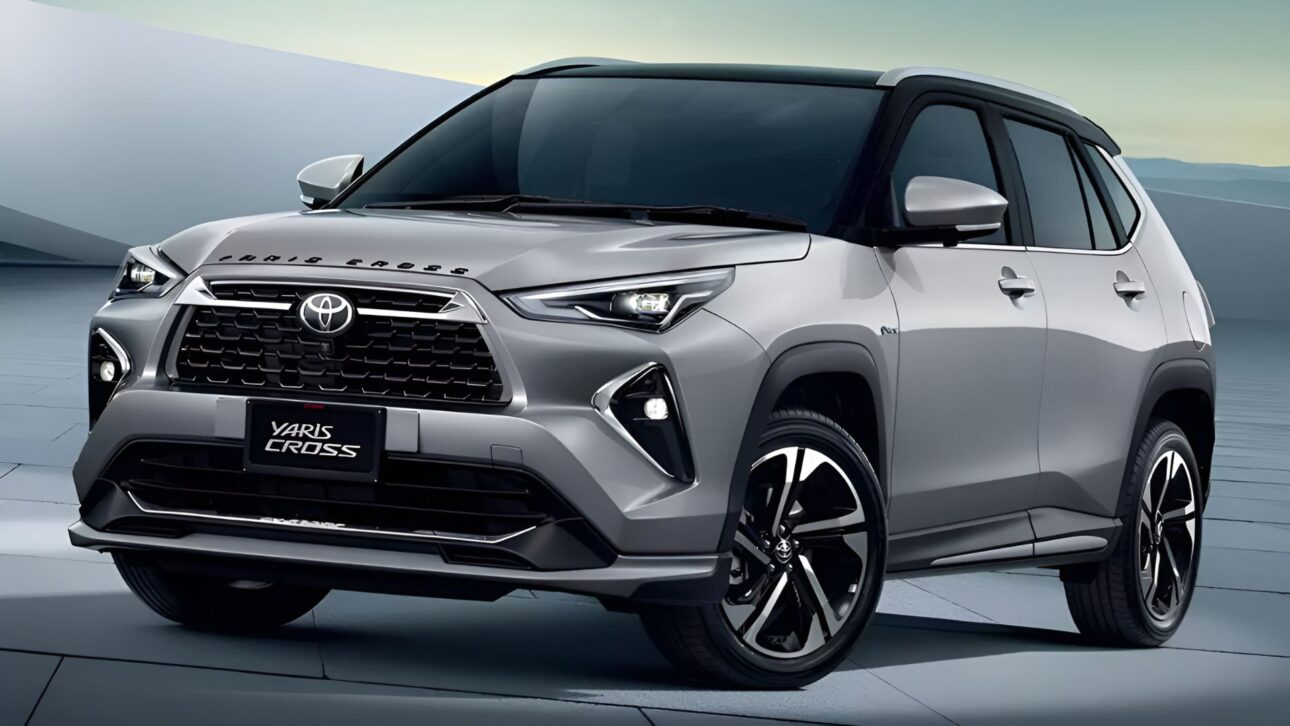
New Compact SUV From Toyota Arrives in Brazil with Highlighting for Flex Hybrid Technology, High Energy Efficiency, Affordable Price Proposal, and Robust Package of Safety and Connectivity Equipment.
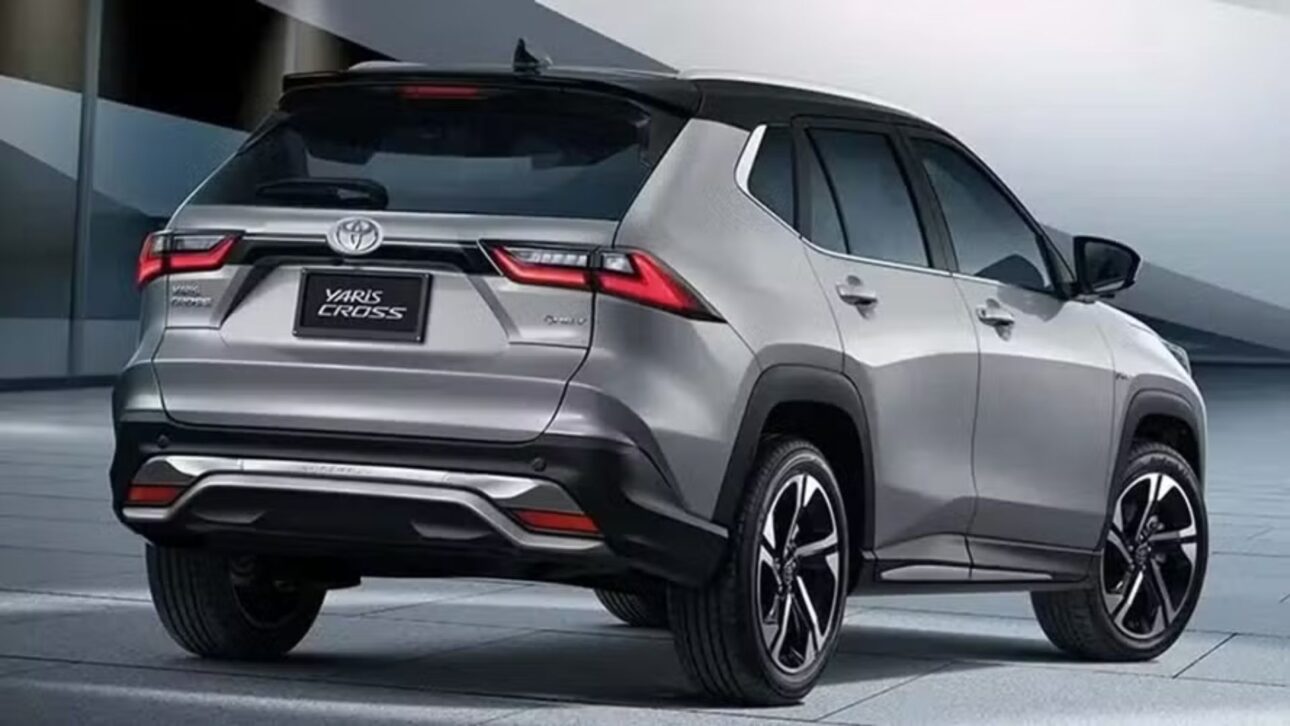
The Toyota Yaris Cross, new hybrid compact SUV from the Japanese automaker, is confirmed to arrive in the Brazilian market in the last quarter of 2025.
The launch promises to change the landscape of electrified vehicles in the country by offering an unprecedented combination of competitive price, energy efficiency, and technology, positioning itself as potentially the most affordable hybrid compact SUV in the country.
The expectation is that the model will take the place of the cheapest Toyota vehicle in Brazil, reinforcing the brand’s presence in the increasingly competitive compact SUV segment.
-
The car stored for 38 years: when opening the barn door, what appears is breathtaking and looks like a scene from a movie!

-
Fiat works miracles in the Brazilian market, lowers the price of its 0 km hatch to R$ 69,990, reestablishes the model as the cheapest car in the country, and reignites the battle against Kwid and C3.

-
Chevette with cooking gas: How the gas cylinder ends up being used in cars clandestinely and why this makeshift solution can result in leaks, explosions, damaged engines, and seized vehicles.

-
Fiat launches the new 2027 Toro hybrid with 48V, 176 hp, an electric motor of 15.5 hp, a 0.85 kWh battery, up to 7% fuel savings, 8% fewer emissions, and possible exemption from IPVA.


Produced in Sorocaba, in the interior of São Paulo, the Toyota Yaris Cross is part of a R$ 1.7 billion investment from the manufacturer within the R$ 11 billion package announced for the country until 2030.
The national model will have flex engines, with an option between the traditional 1.5 aspirated and the much-anticipated full hybrid engine, both with CVT automatic transmission.
This strategy aims to meet both consumers looking for economy and those interested in technological innovation, expanding the reach of the SUV in Brazil.
Flex Hybrid Engine and Energy Efficiency
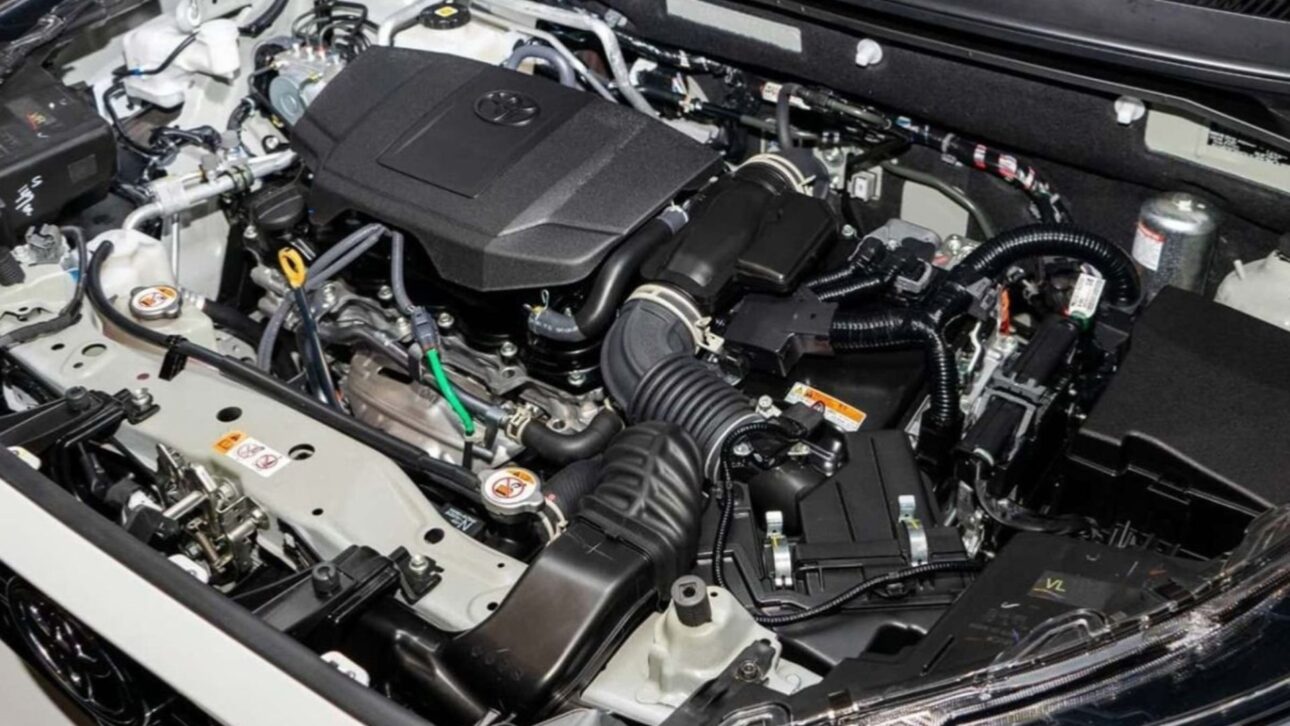
The highlight of the Yaris Cross is the hybrid version, which will be equipped with a HEV (Hybrid Electric Vehicle) flex system, an unprecedented combination in the compact SUV segment.
The powertrain will combine the 1.5 Atkinson cycle engine — known for its efficiency — with an electric motor of 81 hp, totaling a combined power close to 113 hp.
According to Toyota data for the Asian market, this system allows for a fuel consumption that can reach 30 km/l, a figure far above the average among direct rivals, in addition to ensuring low pollutant emissions.
Dimensions, Space, and Weight
Regarding dimensions, the Yaris Cross measures 4.31 meters in length, 1.77 meters in width, 1.61 meters in height, and 2.62 meters in wheelbase, ensuring interior space similar to competitors like Nissan Kicks and Hyundai Creta.
The trunk, with a capacity of 471 liters, ranks among the largest in the category, ensuring practicality for urban use and travel.
The vehicle’s weight, approximately 1,150 kg, contributes to the engine’s performance and low energy consumption.
Equipment, Safety, and Connectivity
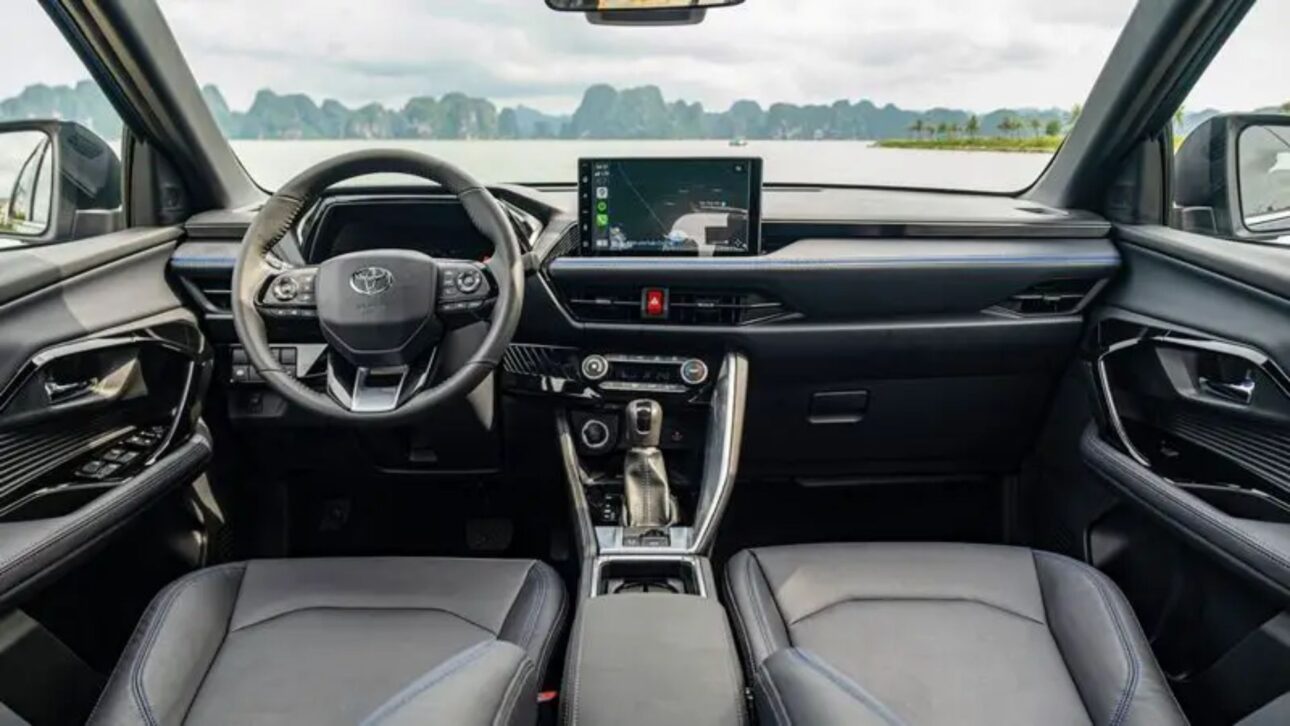
In terms of technology and safety, the new compact SUV will bring state-of-the-art features.
Among the expected equipment are six airbags, disc brakes on all four wheels, electronic parking brake with auto-hold function, in addition to advanced driver assistance systems (ADAS), such as collision alert, lane-keeping assist, adaptive cruise control, and automatic Full LED headlights.
For comfort and connectivity items, the model stands out for including multimedia center with a 10.1-inch screen and wireless integration for Android Auto and Apple CarPlay, digital instrumentation, keyless entry, air conditioning vent for the rear seat, and soft-touch finishes in some versions.
Autonomy and Hybrid Battery
An important differential of the Toyota Yaris Cross hybrid is the autonomy provided by the HEV flex system.
The 0.7 kWh battery, located under the rear seat, is recharged during deceleration, dispensing the need for external charging.
The model is capable of running short distances with just the electric motor, optimizing consumption in urban trips and further reducing fossil fuel use.
However, it is worth noting that the fuel tank of the hybrid version has reduced capacity, with 36 liters, while combustion variants have a reservoir of 42 liters.
Despite this detail, autonomy is not compromised due to low consumption.
New Scenario for Toyota in Brazil
The launch of the Yaris Cross occurs at a time of transition for the Toyota lineup in Brazil.
In 2024, production of the Yaris hatch and sedan models for the domestic market was terminated, leaving only units destined for export.
According to data from June 2025, national stocks have nearly run out, with only 146 registrations of the hatch and 122 of the sedan.
This scenario has opened the door for the new SUV to occupy a prominent position within the brand’s portfolio.


Competitive Price and Modern Platform
In addition to seeking the title of the cheapest hybrid compact SUV in Brazil, the Yaris Cross brings another promise: to be one of the electrified vehicles with the best cost-benefit in the national market.
According to industry estimates, the starting price of the hybrid version could be around R$ 165 thousand, a value lower than that of the current BYD King, a plug-in hybrid sedan sold for R$ 169,990.
This pricing reinforces Toyota’s goal of democratizing hybrid technology, making it more accessible to Brazilian consumers.
The development of the Yaris Cross utilizes the DNGA (Daihatsu New Global Architecture) platform, aimed at low-cost models without sacrificing quality and safety.
This base was designed to serve emerging markets and is already being used in various Asian models, providing the SUV with structural robustness and good drivability.
Toyota even plans to nationalize the production of batteries for the HEV system starting in 2026, with assembly also planned at the Sorocaba plant.
Disadvantages and Technical Limitations
Despite the advantages, some technical limitations of the Toyota Yaris Cross may weigh on the consumer’s choice.
The performance, with a combined power of 113 hp, is considered modest for those seeking greater sportiness.
Additionally, the reduced tank capacity in the hybrid version requires more frequent refueling, although autonomy is maintained by efficient consumption.
The Future of Compact Hybrid SUVs
In light of this scenario, the Toyota Yaris Cross debuts as a direct response to the growing demand for economical, technological compact SUVs with lower environmental impact.
Combining flex engine, electric motor, and focus on accessibility, the model seeks to win over both traditional consumers of the brand and new audiences attentive to sustainable mobility.
When choosing a new compact SUV, will Brazilians prioritize the hybrid technology and low consumption of the Yaris Cross, or will they still prefer to bet on the tradition and safety of exclusively combustion models?







-

-

15 pessoas reagiram a isso.