





 Portuguese
  English
  Spanish
  6 min of reading
  0 comments


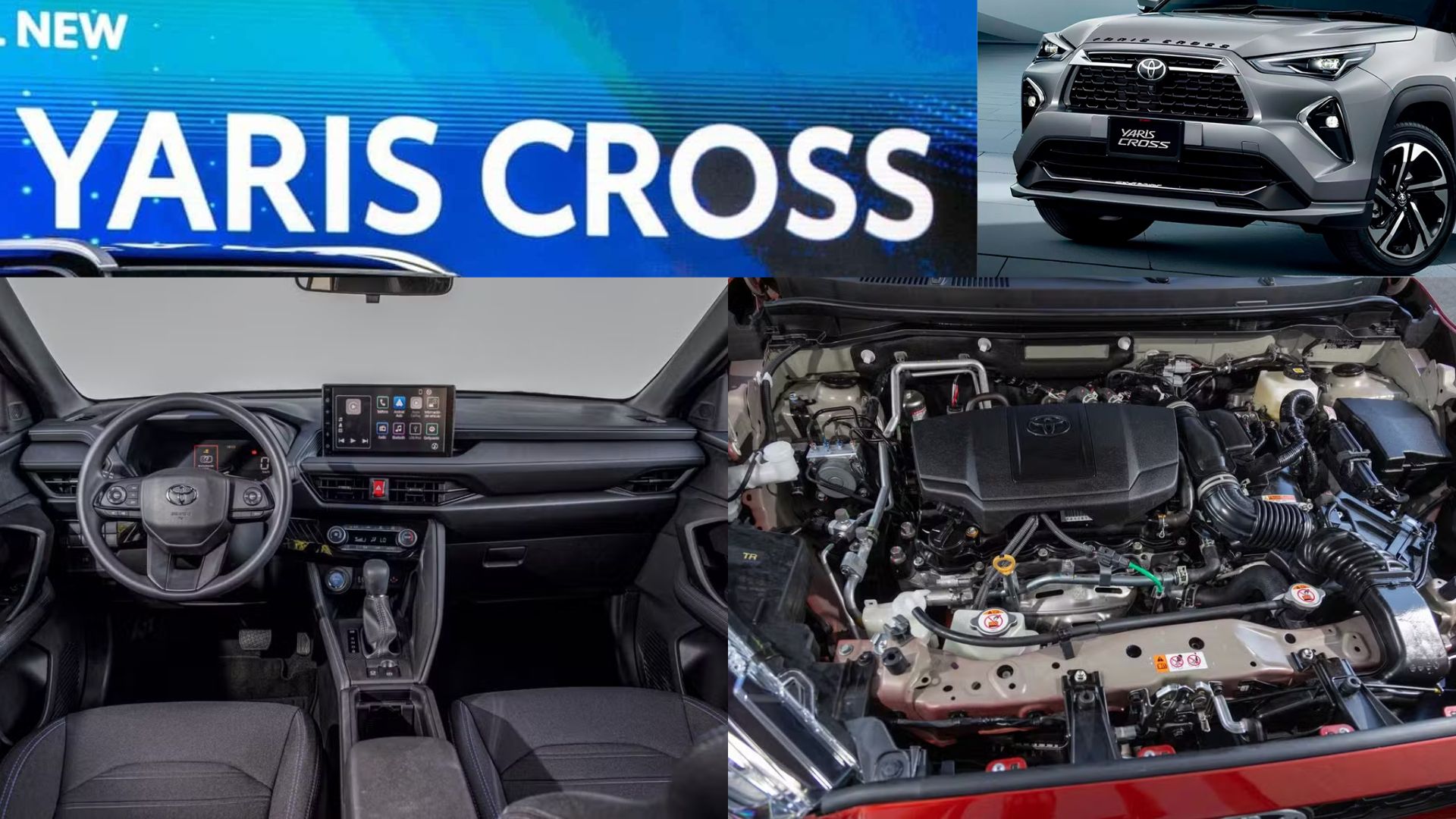
Toyota’s Compact SUV Will Be Produced in Sorocaba, Will Have a Flex Hybrid Version, and Promises to Compete with Models Like T-Cross and Creta, Uniting Internal Space, Robust Safety Package, and Efficient Consumption.
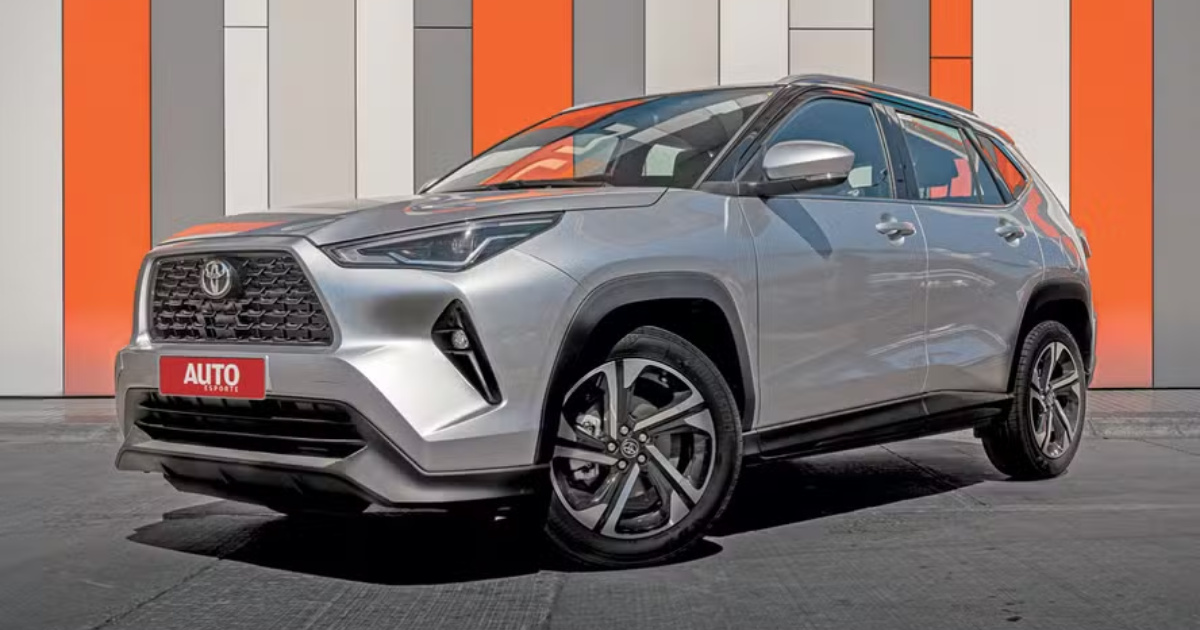
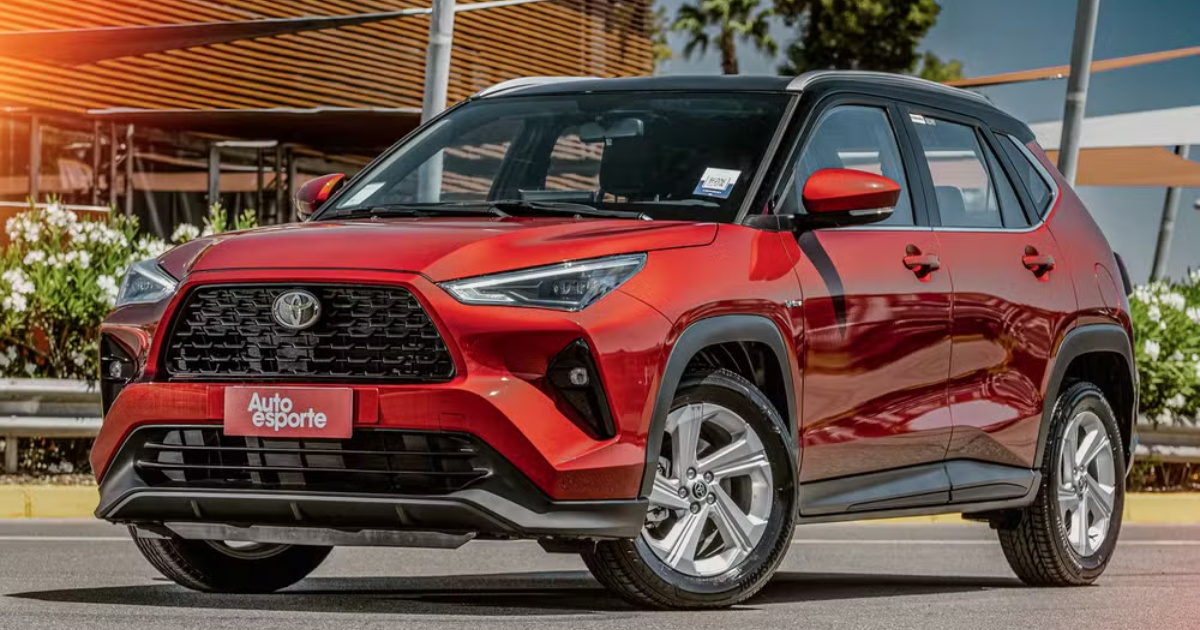
Confirmed for October 2025, the Toyota Yaris Cross will be produced in Sorocaba (SP) and will sit below the Corolla Cross in the brand’s lineup.
The new compact arrives to compete with Volkswagen T-Cross, Hyundai Creta, and other direct rivals, having the flex hybrid system as its main efficiency differentiator.
The arrival of the model also marks the exit of the Yaris hatch and sedan, concentrating the manufacturer’s strategy on SUVs. The information was originally disclosed by the website Autoesporte this Friday (15).
-
The car stored for 38 years: when opening the barn door, what appears is breathtaking and looks like a scene from a movie!

-
Fiat works miracles in the Brazilian market, lowers the price of its 0 km hatch to R$ 69,990, reestablishes the model as the cheapest car in the country, and reignites the battle against Kwid and C3.
-
Chevette with cooking gas: How the gas cylinder ends up being used in cars clandestinely and why this makeshift solution can result in leaks, explosions, damaged engines, and seized vehicles.

-
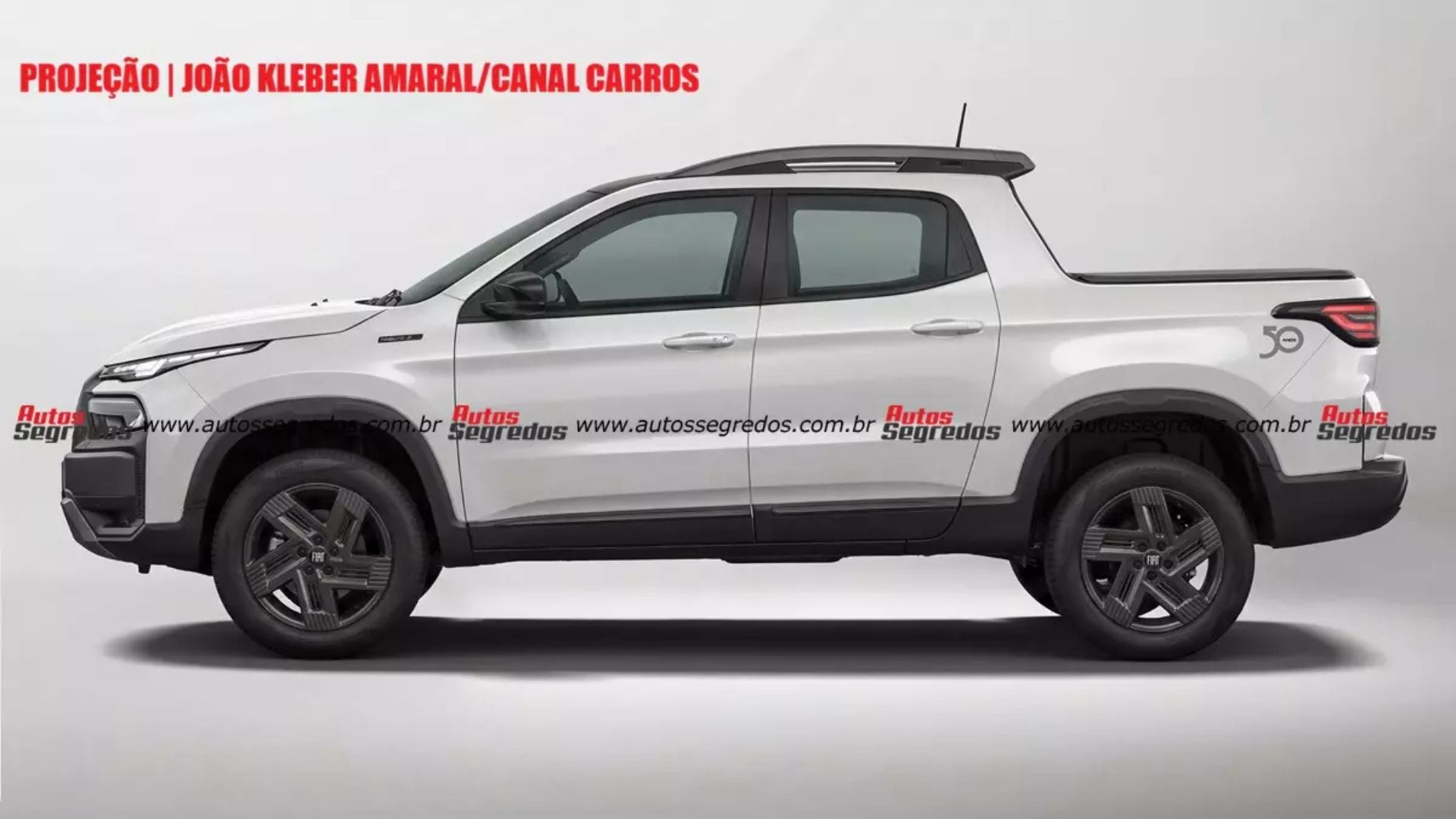
Fiat launches the new 2027 Toro hybrid with 48V, 176 hp, an electric motor of 15.5 hp, a 0.85 kWh battery, up to 7% fuel savings, 8% fewer emissions, and possible exemption from IPVA.

Strategy and Positioning in Brazil
With the Yaris Cross, Toyota reorganizes its portfolio and leaves the entry-level niche.
The priority shifts to a more profitable and expanding segment in the country.
The lineup of utilities now includes four representatives: Yaris Cross, Corolla Cross, RAV4, and SW4.
While the Corolla Cross remains an option among mid-sized models, the Yaris Cross takes on the role of an entry-level compact SUV, targeting consumers looking for ground clearance, a complete safety package, and updated connectivity.
Versions and Standard Items
According to data compiled by Carros na Web from a database supplied by the automakers — and also mentioned by Autoesporte — the Yaris Cross will have three versions in Brazil: XS, XLS, and XLS Hybrid.
All will come from Sorocaba with a broad set of technology, comfort, and safety features.
In the XS configuration, the list includes six airbags, a rearview camera, stability and traction controls, full-LED headlights, tire pressure sensor, and disc brakes on all four wheels.
The model also features lane departure warning, forward collision warning with automatic emergency braking, rear parking sensor, air conditioning, a height and depth adjustable steering wheel, a split and foldable rear seat, 17-inch wheels, electronic parking brake with auto-hold, and a multimedia center.
Above it, the XLS adds a front parking sensor, lane-keeping assist, emergency assistance call, and vehicle recovery service.
The cabin receives automatic air conditioning, air vents for the rear seat, a central armrest, and leather-trimmed seats with electric adjustment for the driver.
There is also adaptive cruise control, electrically foldable mirrors, automatic windshield wipers, 18-inch wheels, automatic headlight activation, onboard Wi-Fi, wireless smartphone charger, and real-time traffic information.
The top-of-the-line XLS Hybrid adds 360° cameras, high beam assist, panoramic sunroof with electric activation, start-stop system, and kinetic energy recovery.
Completing the package is the trunk lid with electric activation, along with other convenience features typical of the more complete versions.
Engines, Performance, and Consumption
The XS and XLS versions use the 1.5 flex aspirated engine without electrification, an evolution of the engine used in the Yaris hatch and sedan.
The set is always coupled to a CVT transmission with seven simulated gears and brings improvements in thermal efficiency, along with the start-stop feature to meet Proconve L8.
The disclosed figures indicate 106 hp with gasoline and 110 hp with ethanol, always with 14.3 kgfm of torque.
The acceleration from 0 to 100 km/h is 13 s, with a top speed of 170 km/h.
In terms of consumption, the reported data is 8 km/l in the city and 9 km/l on the highway with ethanol; with gasoline, 12 km/l and 13 km/l, respectively.
The tank holds 42 liters.
The XLS Hybrid combines a 1.5 Atkinson cycle engine with 92/95 hp and 12.3 kgfm with an electric motor of 80 hp and 14.4 kgfm, for a total of 115 hp of combined power.
The declared consumption is 13 km/l (city) and 11 km/l (highway) with ethanol; with gasoline, 19 km/l and 16 km/l.
In this configuration, the tank holds 36 liters.
The proposal, therefore, targets those looking to drive economically in urban areas without sacrificing adequate performance for everyday traffic.
Dimensions and Trunk
With a length of 4.31 m, a wheelbase of 2.62 m, a width of 1.77 m, and a height of almost 1.62 m, the Yaris Cross is positioned in the center of the segment.
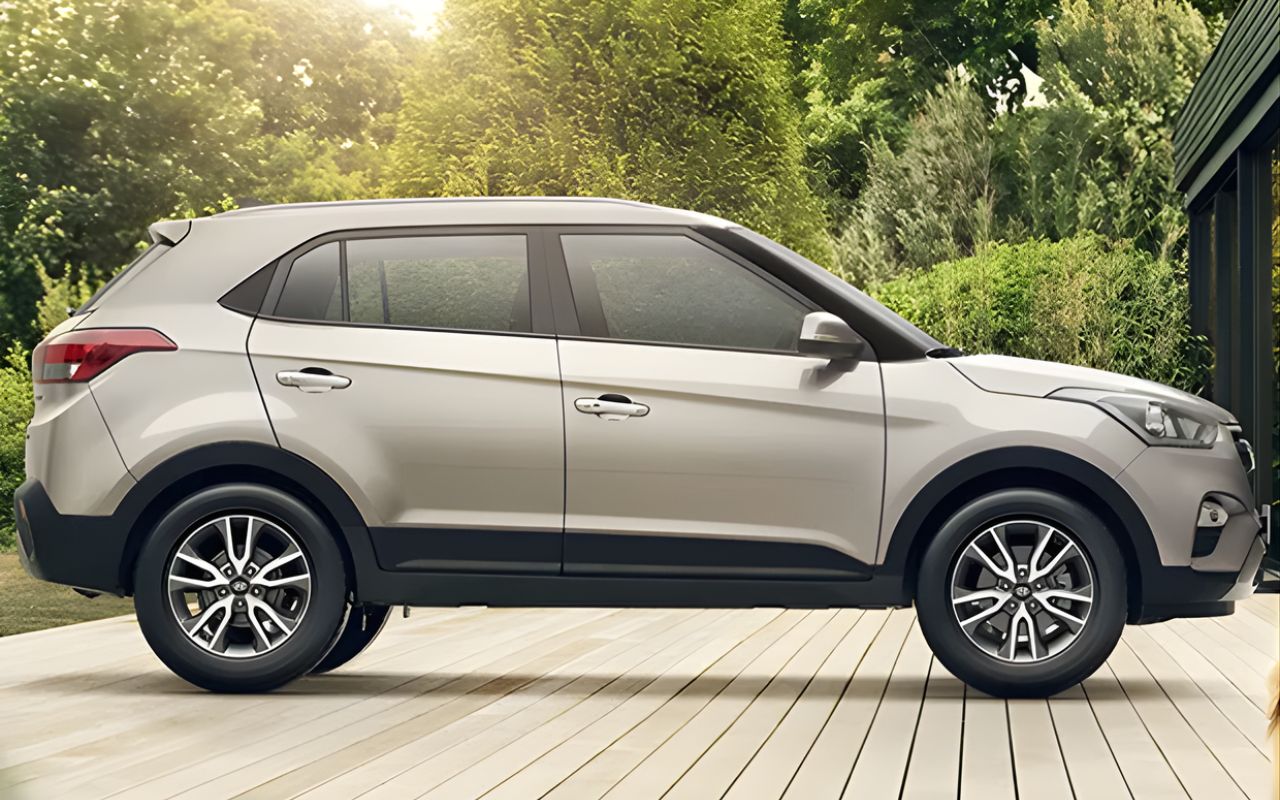
Compared to the Hyundai Creta (4.33 m in length, 2.61 m in wheelbase, 1.79 m in width, and 1.63 m in height), the measurements are very close.
The highlight is the trunk space of 471 liters, which is greater than the 422 liters of the Korean rival.
In comparison with the Volkswagen T-Cross, the Toyota is longer (4.31 m versus 4.19 m) and has a slightly shorter wheelbase (2.62 m compared to 2.65 m).
In terms of cargo volume, it again has the advantage: 471 liters against 420 liters of the Volkswagen utility.
These numbers reinforce the model’s family-oriented nature and help explain the brand’s bet on the audience migrating from compact hatches to SUVs.
Platform and Safety
The Yaris Cross uses the DNGA platform, conceived by Daihatsu as a simplified derivation of the TNGA architecture used by Corolla and Corolla Cross.
In evaluations carried out in Asia, the model received five stars in the ASEAN NCAP.
The scores, divided into four areas, were 36.4 points for adult occupant protection, 17.3 for child occupant protection, 16.9 in safety assistance, and 12.2 for motorcycle rider protection.
In these criteria, the ceiling is 40 points for adults and 20 points for the other indicators.
In the Brazilian context, vehicles from the brand are usually subjected to the Latin NCAP, a stage that will need to consolidate how the assistance systems and structure perform against local protocols.
Production, Investment, and Assembly Line
All production of the Yaris Cross will be concentrated in the Sorocaba (SP) factory, which integrates Toyota’s investment plan of R$ 11 billion in Brazil by 2030.
The plant already manufactures the Corolla Cross and plans to incorporate the Corolla sedan into its lineup.
The decision aims to optimize scale, reduce logistics costs, and ensure greater supply agility for the network, especially given the demand for SUVs in the country.
As highlighted by Autoesporte, the choice of Sorocaba reinforces the strategic role of the unit for the brand’s operations in Latin America.


Market Overview and Competition
Toyota has not yet disclosed sales targets for the Yaris Cross.
As a reference, the Corolla Cross leads the mid-size SUV segment in Brazil, ahead of the Jeep Compass, a scenario that highlights the importance of the new compact for the brand.
Among compact SUVs, an area directly relevant to the launch, the ranking from January to July indicates Volkswagen T-Cross in the lead, with 53,551 units, followed by Hyundai Creta (39,033) and Chevrolet Tracker (34,212).
In a competitive market, Toyota’s advantage will be the flex hybrid, along with a robust package of safety and connectivity features.
Considering this set, what do you think will weigh most in your decision when the Yaris Cross hits the stores: the safety package, the internal space, or the efficiency of the flex hybrid?







-

2 pessoas reagiram a isso.