





 Portuguese
  English
  Spanish
  5 min of reading
  2 comments


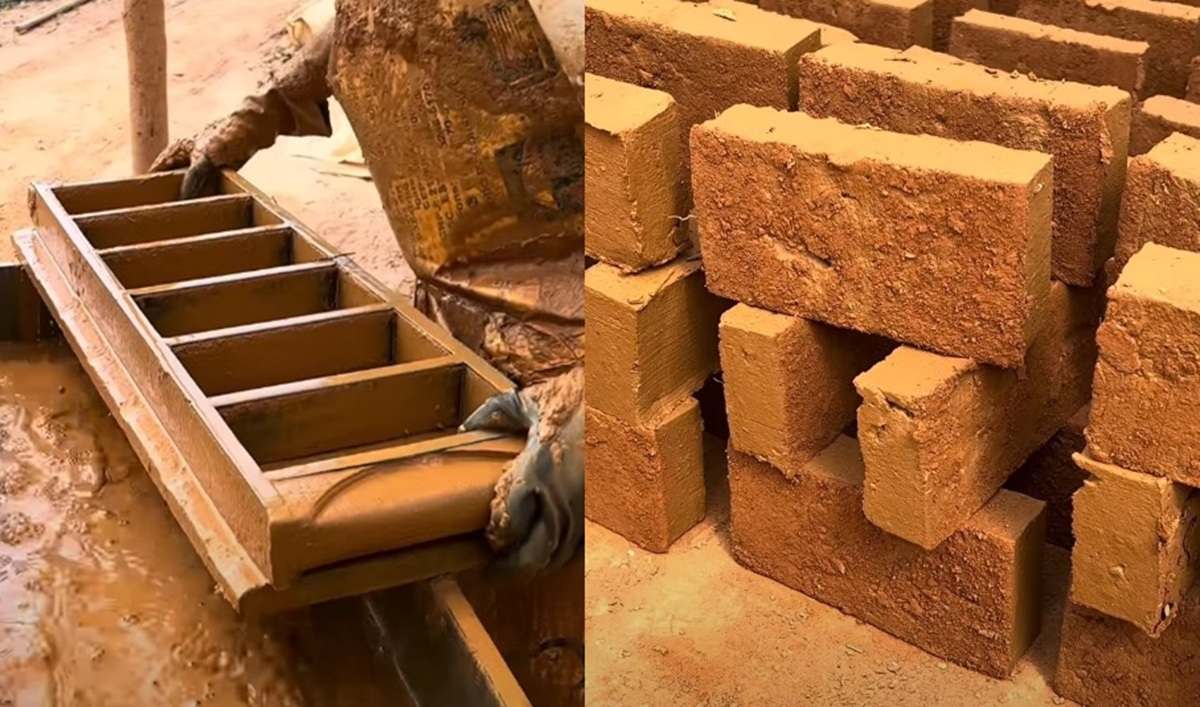


Ancient Technique Used by Ancient Peoples Withstands Time and Still Moves Communities in Brazil, Showing Cultural Strength and Sustainable Value.
The first constructions of humanity emerged long before modern concrete and masonry. About 9,000 years ago, peoples from the Mesopotamia and the Indus Valley were already shaping blocks of raw earth mixed with straw and water, dried in the sun, known as adobe bricks.
This rudimentary technique allowed entire cities, walls, and homes to be built in dry climate regions.
In Ancient Egypt, adobe was widely used in villages, storage facilities, and defensive walls, although some special constructions already showed signs of the use of fired bricks.
-
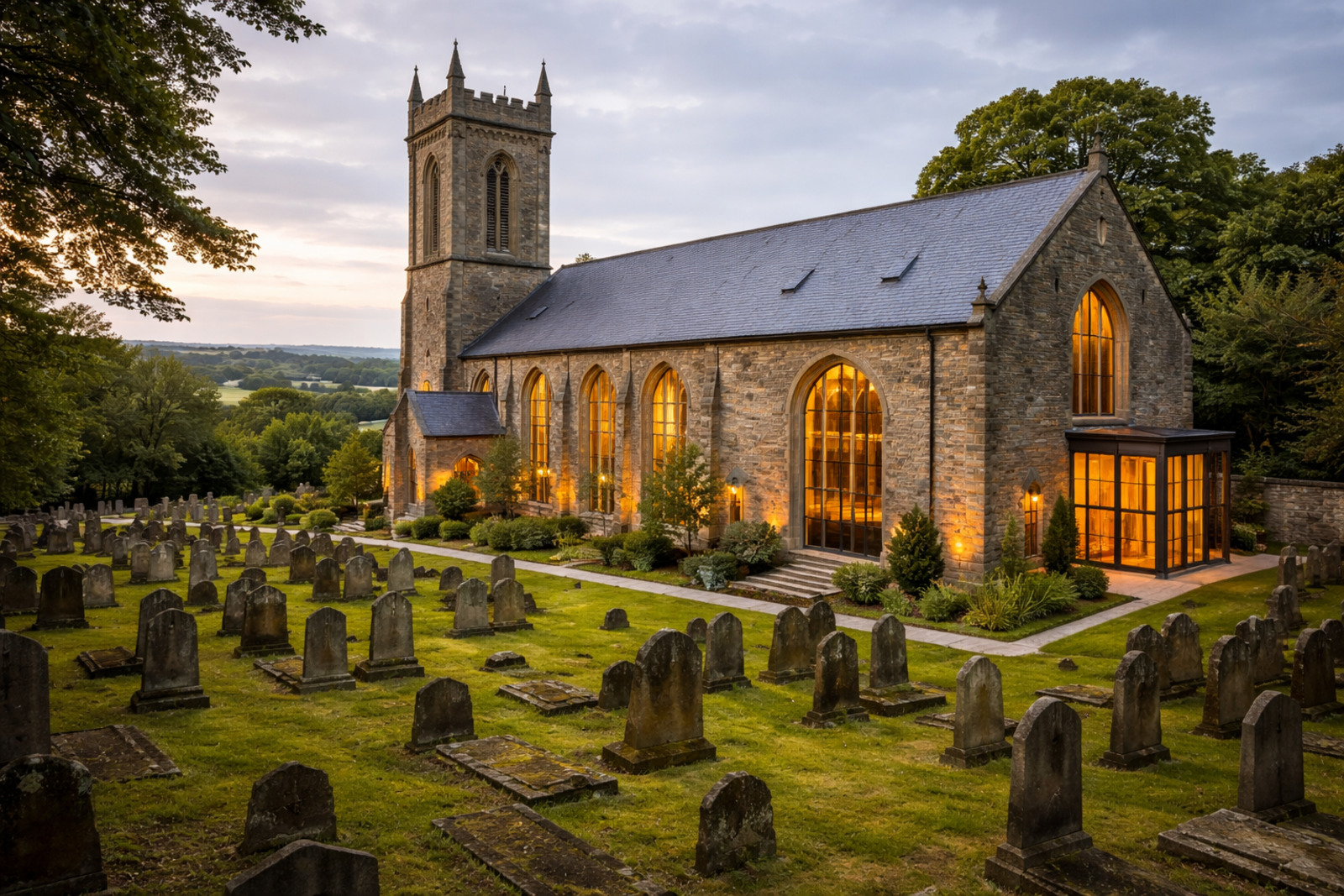
Couple buys 1846 church in ruins for R$ 660,000, invests R$ 3.2 million in renovations, transforms it into a millionaire mansion, and even preserved a historic cemetery with over 300 graves.
-
He started running at 66 years old, broke records at 82, and is now a subject of study for having a metabolic age comparable to that of a 20-year-old, in a case that is intriguing scientists and inspiring the world.

-
Oldest tree on the planet reappears after 130 years of searches: Wattieza, 385 million years old, was 10 meters tall and had no leaves or seeds; Gilboa fossils in New York solved the mystery in 2007.

-
A 48-square-meter house assembled in hours with 4,000 bricks made of recycled plastic that does not absorb moisture, has natural thermal insulation, and costs less than 90,000 reais in a complete kit.

In the Pre-Columbian Americas, cultures such as the Maya and Inca also adopted the technique, adapting it to local resources.
Over time, an innovation transformed the history of architecture: the firing of clay in rudimentary kilns.
This process hardened the material, making it waterproof and resistant to rain, giving rise to the fired brick, which spread throughout the Roman Empire and then across Europe.
In Brazil, brought by the Portuguese, adobe was common in rural areas and colonial towns, but with the urbanization of the 19th century, fired bricks dominated, especially in the Northeast.
To this day, in some dry and hot regions like the Northeast, fired bricks are still manufactured, being a cheap way to build.
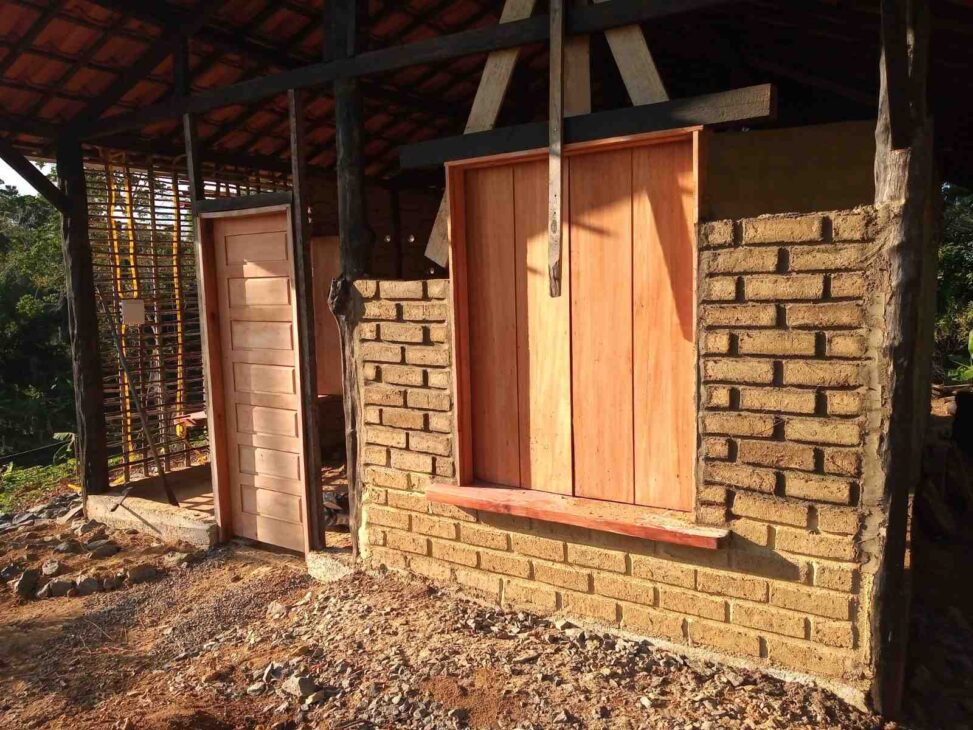
Earth Constructions: Economy and Sustainability
Earth construction has never lost relevance. It ensures financial savings, as it uses abundant resources from the land itself, and also offers environmental sustainability.
The process requires minimal energy, and the final result is durable and comfortable.
The temperature of an earth house tends to be stable, cool on hot days and cozy in cold periods.
What Is Adobe Brick
Adobe consists of a mixture of earth, straw, and water, shaped in wooden molds. After being dried in the sun, the blocks are stacked like common bricks and do not require pillars, as they support entire roofs.
It resembles the ecological brick, but with notable differences: it does not contain cement and is manually shaped, without machines.
The ecological brick typically has internal holes that facilitate the passage of pipes and conduits. Adobe, being more rustic, maintains the simplicity of a solid block.
How Adobe Brick Is Made
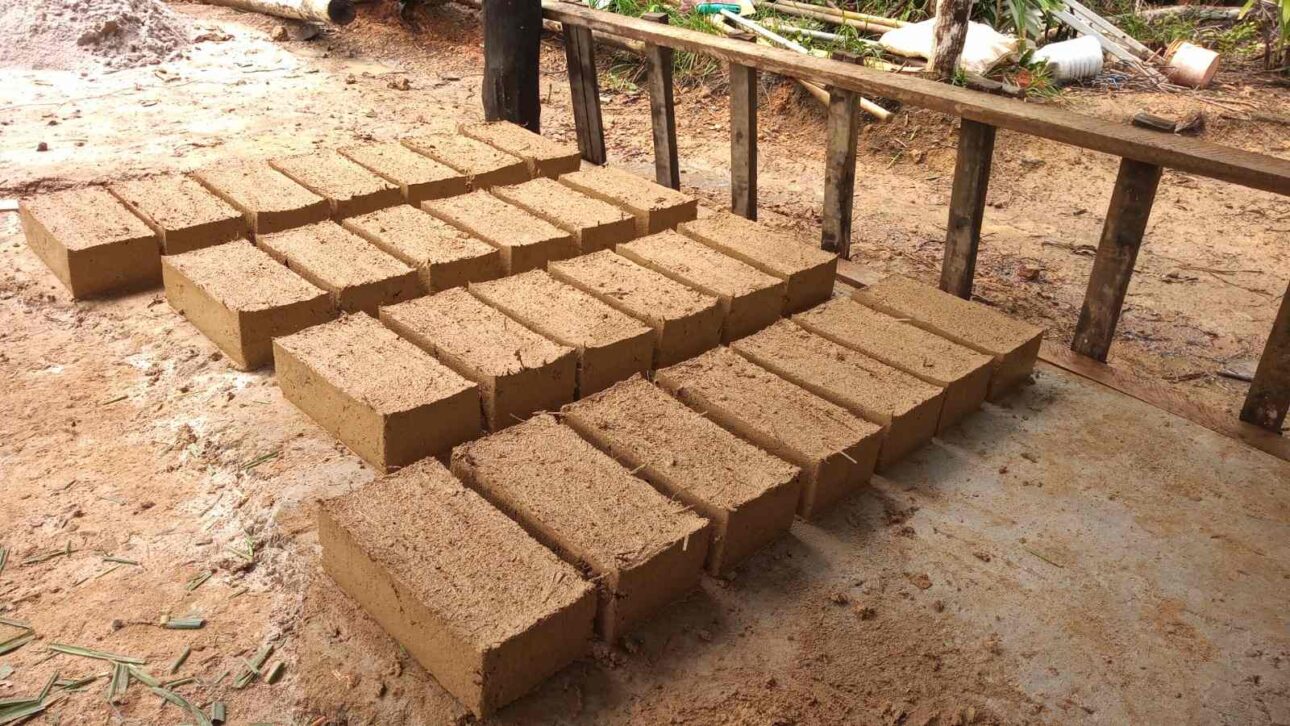
The traditional technique has remained almost unchanged since antiquity. Earth and straw are mixed, and water is gradually added until the mixture reaches the ideal consistency.
When the mixture is neither too wet nor too dry, it is placed in the mold and demolded. The blocks then dry in the sun for a few days.
The quality of the earth is crucial: if it is too sandy, the block falls apart; if it is too clayey, it loses strength. The balance lies in slightly moist earth, with small grains of sand perceptible to the touch.
There is no exact formula for the amount of water. The ideal point is to notice that the footprint is well defined in the mixture, without running or crumbling.
An example of a mold has internal dimensions of 30 cm in length by 14 cm in width and height, dimensions that result in the final size of the brick.
Historical Examples in Brazil
To this day, Brazilian historic cities hold adobe constructions. In Ouro Preto (MG) and Pirenópolis (GO), colonial mansions rise above this ancestral technique.
Adobe stands out as an ecological and economical material, which regulates internal temperature and can be recycled: just crush and dampen it to return to its original state.
However, it requires care. In humid regions, the raw brick disintegrates easily, which limits its use to dry places.

Advantages and Disadvantages of Adobe
Among the positives are sustainability, cost-effectiveness, and thermal comfort. Adobe absorbs up to 30 times more moisture than fired bricks, creating naturally balanced environments.
The downside is its fragility against rain and constant humidity. In addition, it is not suitable for multi-story constructions and can suffer cracks during drying. Keeping the blocks slightly moist helps to reduce this problem.
From Adobe to Fired Brick
The transition from raw adobe to fired adobe was a practical response to the limitations of raw clay in rainy regions. By burning the blocks in kilns, the material transformed into ceramic, ensuring greater durability.
In the Mesopotamia and the Indus Valley, records dating back to around 3000 B.C. already show fired bricks in temples and drainage systems. In Egypt, although adobe predominated, some special buildings were erected using fired bricks.
The Roman Empire took the technique to another level, standardizing measurements and spreading its use in aqueducts, baths, and walls. After the fall of Rome, the method lost strength, but it returned during the Renaissance in regions poor in stone, such as the Netherlands and Germany.
Expansion to Brazil
The Portuguese introduced fired bricks in Brazil, but for a long time, adobe remained the primary material in rural areas and villages.
The consolidation of fired bricks only came in the 19th century, when urbanization demanded greater strength and regularity.
In the Northeast, the transition was even more pronounced. The sudden rains from the hinterland quickly showed the superiority of fired clay, which began to replace adobe in many communities.
Process of Fired Brick
The artisanal manufacturing maintains well-defined steps:
- Clay Preparation – extracted from floodplains and riverbanks, allowed to rest, manually kneaded or mixed in machines, with the addition of sand.
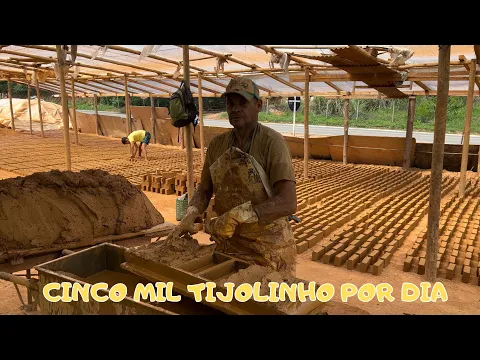
- Molding – wooden forms receive the mixture, which is pressed and demolded, resulting in the “raw brick.”
- Sun Drying – from 3 to 10 days, with periodic turning to avoid cracking.
- Firing in Kilns – stacked blocks are fired for days at temperatures from 800 °C to 1,000 °C, transforming the clay into ceramic.
In the Northeast, three types of kilns predominately exist:
- Caieira: rustic, cheap, but less uniform.
- Dome or Hive: closed, with better thermal control.
- Hoffmann: continuous and modern, but used only in larger factories.
Fired brick has surpassed adobe in key points. It withstands rain, supports greater structural weight, offers standardized measurements, and can be used both exposed and with plaster.
Artisanal production presents environmental challenges. The firing consumes a large volume of firewood, often sourced from native forests. Furthermore, it releases smoke and particles, increasing energy costs compared to adobe.
Fired brick dominates Brazilian civil construction, but the movement to revive raw adobe and bioconstruction is growing. The search for sustainable alternatives repositions earth at the center of the debate, balancing tradition and innovation.








enquanto outros países se esforçam para ter novas tecnologias, o Brasil faz o inverso.
Na verdade, esse modelo não é o Adobe, que têm formato retangular, no caso, é maior.