





 Portuguese
  English
  Spanish
  14 min of reading
  0 comments


On construction sites, construction workers have moved from skepticism to the daily use of solutions that fit in a backpack or cart: Jeda ACU Lier elevator, Skyote ACX winch, Trimble RE station, Forged Air respirator, Halo SL light, headphones that limit 82 dB, XR10 augmented reality, and exoskeleton today.
On construction sites, construction workers describe a practical change: equipment that once seemed “luxury” began to enter daily routines because they reduce physical effort and enhance safety in tasks involving height, marking, cutting, and moving loads without requiring heavy infrastructure to operate.
The set includes more controlled lifting, mobile power for cordless tools, robotic measurement that creates 3D points, a respirator with a large filtering area, and communication that limits incoming noise. The convergence is technical: less fatigue, fewer errors, and more predictability, with processes based on measurement, control, and more stable execution.
Lifting and Working at Height: Ladders, Winches, and Constant Visibility

For ladder work, the cordless elevator GEDA BatteryLadderLIFT appears as a compact and lightweight alternative designed to enhance safety and productivity for construction workers at heights.
-
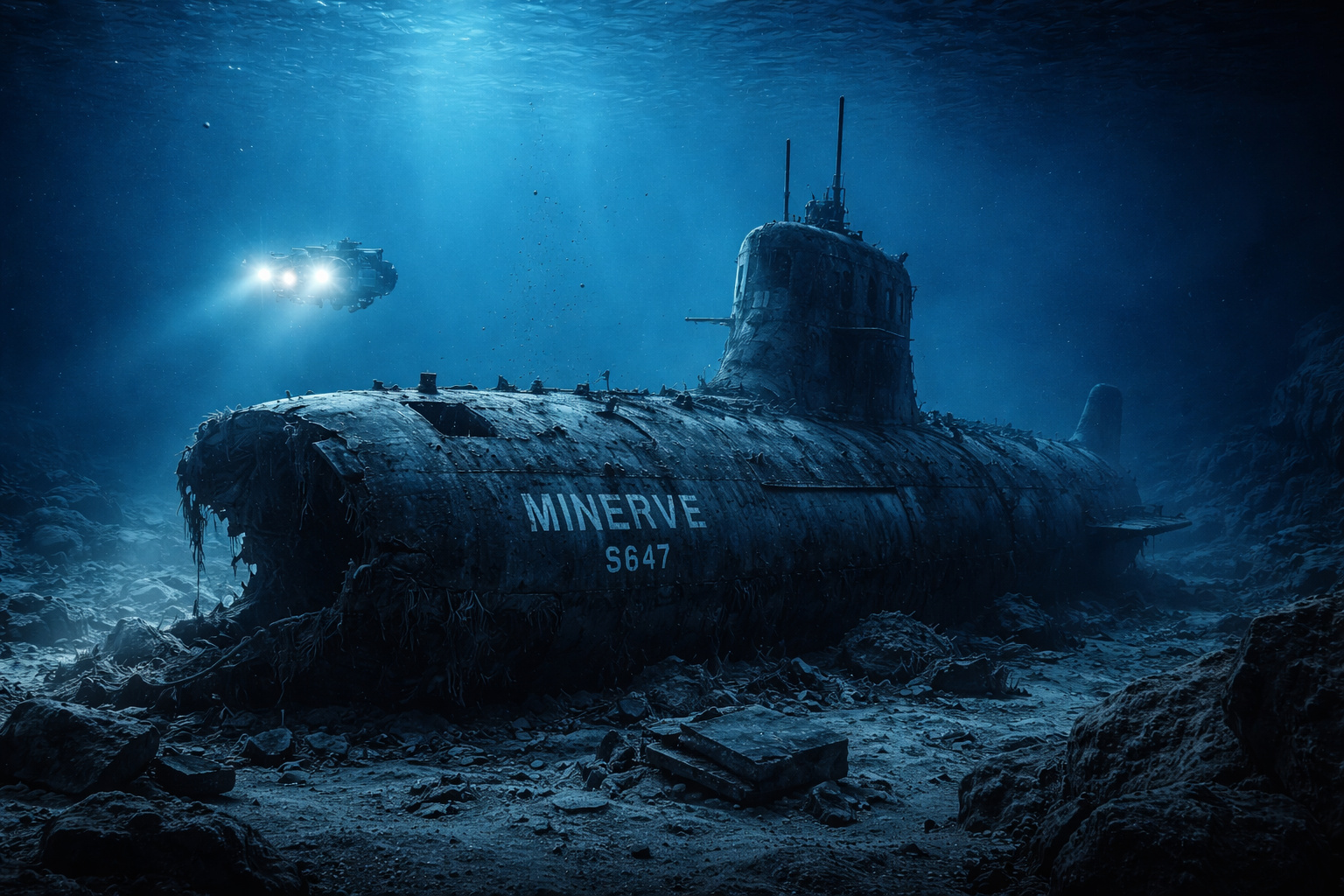
Few remember, but the submarine that disappeared in 1968 with 52 crew members was found after 51 years at the bottom of the sea at more than 2,000 meters, intriguing the entire world.
-
With 1,200 tons suspended, the Japan mega-structure in a grid shape with a floating sphere from Fuji TV features two 25-story towers connected by elevated walkways, titanium panels, and impresses the world with its ability to reduce wind impact.

-
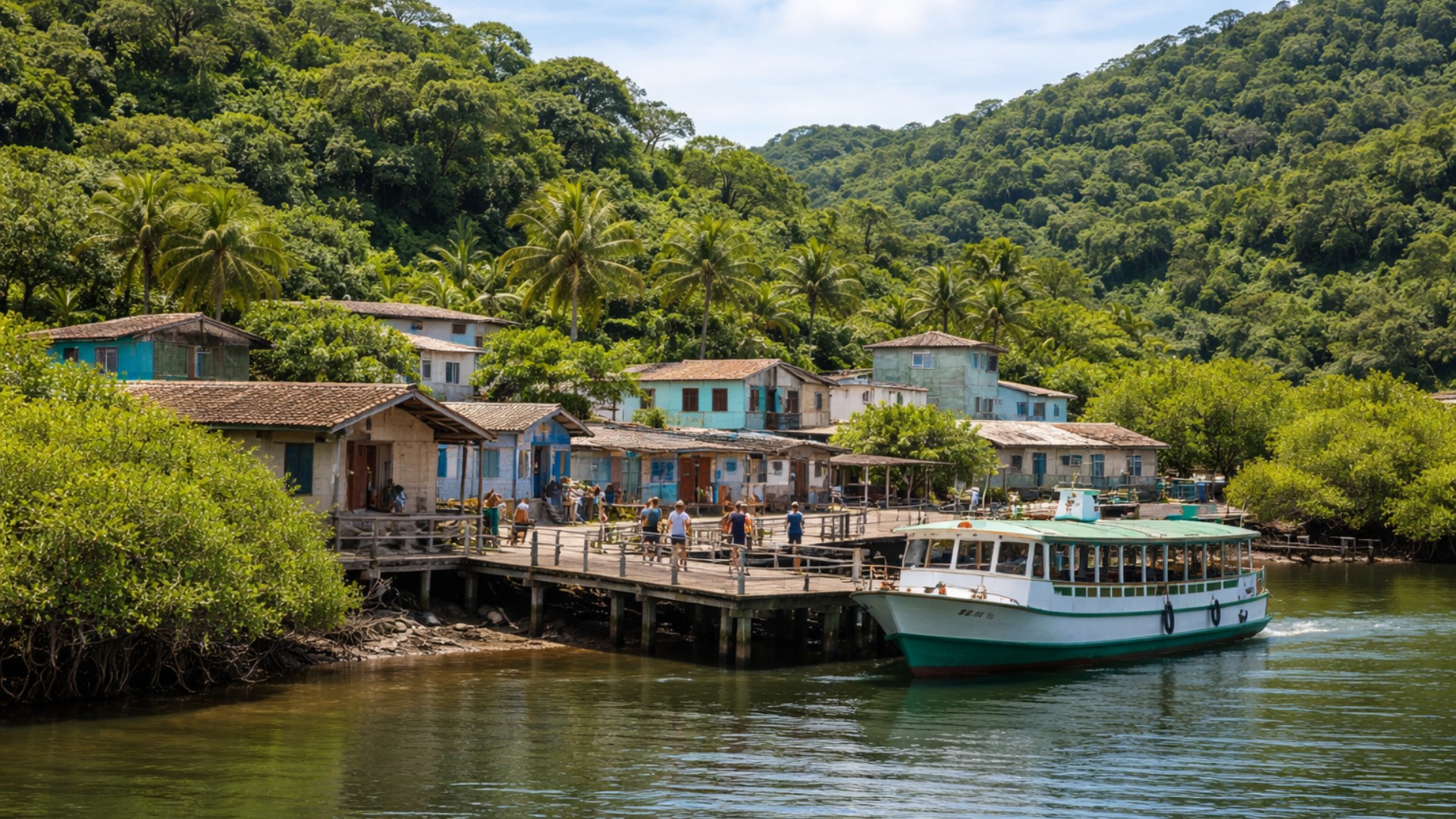
The village where two rivers run side by side without mixing in Santarém and Alter do Chão reveals some of the most beautiful freshwater beaches on the planet.

-
Brazil’s nuclear submarine with a speed 5 times greater than normal advances after nearly 50 years and R$ 40 billion spent.


The material describes easy transport and maneuverability on-site and attributes a loading capacity of “up to 264,” linking usage to the elevation of different objects, reducing improvised solutions on steps and landings.
The electric winch ActSafe ACX Power Ascender, in turn, is described as a compact and portable solution for lifting people to great heights, common in construction and industrial maintenance.
The lifting speeds are cited as being able to reach 24 meters per minute (79 feet per minute), with a modern control system that simplifies operation and maintains productivity on construction sites.
In terms of visibility, the Halo SL is presented as a device to enhance safety and visibility on construction sites through bright and constant light, improving the ability to see the surrounding environment and making the user more visible to others.
The set includes easy-to-use support and adjustable configurations for different situations.
Mobile Energy and Autonomy: Backpack Battery and Less Interruption

The Makita Heights backpack battery system is described as an innovative battery designed to provide reliable and efficient power for long periods, aimed at construction sites, gardening, forestry, and activities requiring mobile energy.
The backpack design favors continuous operation in areas with limited access to fixed power points.
The description highlights an intelligent control system for stable output current, overload protection, and an integrated cooling system.
For construction workers, the impact appears in logistics: less battery swapping, less movement, and maintenance of rhythm when tasks depend on cordless tools.
Measurement, Layout, and Control: 3D Points and Automated Marking

The Trimble RE robotic total station is presented as equipment that measures horizontal levels, vertical angles, and distances, creating three-dimensional points in space.
In robotic mode, the proposal is high precision and efficiency on construction sites, with an operational range cited as -4 to +122°F, allowing use in various climates without losing measurement continuity.
In the marking realm, the HP SitePrint is described as a robotic system for marking construction sites quickly and accurately, automating tasks in larger areas than an operator can cover manually.
The argument is to accelerate marking while maintaining precision and work quality, reducing rework when site layout defines the next steps.
In portable measurement, the Eape 16 appears as an electronic device that offers accurate measurements with a digital display, automatic logging, and monitoring of size changes and temperature for more consistent results.
The combination aims for the same goal on construction sites: quick readings and repeated actions with less wear.
Terrain and Navigation: Slope Mapping, Obstacles, and Drilling
For planning and navigation in drilling areas, the TeraTrak R1 is described as a mapping and layout tool, with a mobile app that allows visualization of slopes, obstacles, and reference points.
The goal is to create detailed maps and optimize processes, reinforcing operational safety when the environment requires precise mapping and quick decisions in the field.
Augmented Reality on the Site: XR10 for 3D Models and Visual Inspection
The Trimble XR10 is described as an augmented reality and mixed reality kit for construction, designed to overlay digital elements on physical objects and enable interaction with 3D project models.
The setup is associated with use alongside Microsoft HoloLens devices, focusing on digital data collection and applied visualization.
In practical terms on construction sites, augmented reality serves as a tool to enhance planning and quality control processes.
The proposal is to reduce time and resources in complex tasks while construction workers see, at the same point, what is in the project and what is installed, shortening the path between measurement, adjustment, and verification.
Air, Noise, and Communication: Filtering, 82 dB, and Attention to the Environment
In environments with high dust levels and toxic substance risks, the Forged Air respirator is described as an innovation with a large surface area for filtration, aimed at providing more effective filtering and comfort.
The equipment is associated with modern safety standards and use in scenarios with dust, toxic substances, or infectious agents in the air, where respiratory protection directly affects the ability to remain in the role.
In noise control, headphones designed for challenging conditions start from a cited scenario: circular saw at 90 dB and forklifts above 100 dB.
The solution limits incoming sounds to 82 dB, offers ambient listening functionality without removing the equipment, and provides separate volume adjustments for dialogue and background sounds.
The cited range reaches 1,600 feet, with Bluetooth for calls, radio, and connection, supporting coordination on construction sites.
Ergonomics and Assisted Strength: Robotic Arm, Exoskeleton, and Environmental Sensors
The EksoZeroG is described as a robotic arm capable of handling loads of up to 16 kg, aimed at relieving physical effort, reducing injuries, and increasing efficiency.
The gain lies in moving heavy objects more easily and controlling repetition more effectively, reducing the fatigue that tends to accumulate at the end of the shift.
The Guardian XO exoskeleton is described as capable of lifting up to 176 pounds, equivalent to approximately 80 kg, combining electric motors, onboard computers, and sensors.
The sensors monitor environmental parameters such as temperature and gas levels, connecting extra strength with safety in heavy-duty industrial, construction, and manufacturing tasks.
For construction workers, the exoskeleton becomes a tool when there is load, repetition, and risk in the same gesture.
Small Solutions that Change the Flow: Magnetic Pulse, Footwear, and Protected Fingers
The Tradesman magnetic wristband is described as a practical tool for installers, electricians, and carpenters, holding nails, screws, nuts, and small metal parts on the wrist for instant access.
The operational promise is to reduce searches in pockets and boxes, freeing hands and shortening interruptions.
The Comfort Rambler Fast footwear is described as high-quality work shoes made from durable calf leather, with a Gore-Tex membrane for water resistance and breathability.
The description includes fiberglass for impact protection and increased stability in work conditions, focusing on comfort and durability throughout the day.
In fastening, the “safety stapler” is described as a simple tool for nailing and stapling while protecting fingers against injuries and impacts, increasing precision and reducing material damage.
On construction sites, this kind of detail translates to direct safety, especially in repetitive tasks.
Robots and Assembly Systems: One Block Every 20 to 30 Seconds and Modular Forms
The robot Hadrien X is described as equipment that places blocks with high precision and speed based on a three-dimensional model, producing less waste.
The cited cadence is one block every 20 to 30 seconds or more than 1,000 standard bricks per day, with an example of a three-bedroom, two-bathroom house built in three days.
The blocks are described as 12 times larger than standard bricks and bonded by adhesive mortar that fully cures in 45 minutes.
In forms, the DOA 30 appears as a modular formwork system for skyscrapers, with quick assembly using plastic panels, setup and teardown without large tools, and adaptable elements for different sizes of slabs and walls.
In Finland, the Lammi Tassu is described as a prefabricated form that allows completing the main work in one day, with a minimal set of tools; a mounted section of about 16 feet and 5 inches weighs about 20 kg and can be used year-round.
One of the cited projects is a residential complex of 87 apartment units, and the cost of the form is indicated at approximately US$ 26 per square meter.
In the field of walls, the ICF system is described with molds resembling Lego that can be made of polystyrene foam, polyurethane foam, wood fiber with cement, or concrete cells.
The steel reinforcement is placed before filling with concrete, and the form remains for thermal and acoustic insulation and for space for electrical and plumbing wiring.
The description points out that structures like this can reduce heating and cooling needs by 60%.
Construction by Lifting and Modularity: Eight Jacks, 16 Stories, and One Weekend
The construction technology involving lifting appears in an example of a 16-story apartment building in Detroit.
The method is described as a response to an environment with a busy street and nearby elevated metro station, where traditional cranes would be unsafe and inconvenient.
Each floor is assembled on the ground around two concrete pillars and then lifted by eight hydraulic jacks, with a cited lifting speed of up to 9 km/h (6 mph).
The project cost is indicated at approximately US$ 64 million, and the construction period is described as not exceeding one year.
In modular construction, a case appears where an entire floor was added over a weekend.
The floor consists of nine modules and includes 15 new offices, a kitchen, and a bathroom, with modules ready for different purposes.
The assembly speed is described as being 70% faster than traditional methods, with modules arriving on-site already ready for use, including interior finishing, and production capacity around 12,000 modules per year.
Soil, Drainage, and Floors: Compaction, Pedestals, and 269 Square Feet in One Hour
The Sapo Compactador Delmag is described as a tool for soil compaction and gravel tamping, applicable for sand, gravel, clay, and crushed stone.
The description emphasizes that its high capacity allows even those with less physical preparation to work quickly, aligning productivity with safety by reducing extreme effort.
In adjustable technical floors, Systems P pedestals appear in two categories: non-adjustable and adjustable.
The non-adjustable one supports up to six tons but offers less flexibility and cannot be installed on sloped bases; the adjustable one supports weights above 1.5 tons and is suitable for bases with slopes of 1 to 2%, with compatibility between types for expansions when needed.
In the “pave and go” system, elements are installed without glue and without heavy physical work, allowing a single operator to improve an area of up to 269 square feet in just one hour.
The installation is described as silent, debris-free, and dust-free, with tile thickness between 0.7 and 1.1 inches, materials chosen for heavy pedestrian traffic and repair through piece replacement, without complex renovations.
In hidden floor fastening, the Camo Drive is described as a system that hides fasteners, creating a cleaner surface without visible elements.
The system is described as weather-resistant and aimed at quick and durable installation, combining finishing and stability.
Fast Materials and Protection Barriers: Tape, Geomembrane, and Rolled Concrete
The Syar multi-use roofing tape is described as one-sided tape with a thermal range of -58°F to +122°F, high adhesion on metal, concrete, and plywood, as well as UV resistance and resistance to microorganisms.
The description cites hot air welding and a roll of 65.6 feet by 1.64 feet, with a reported weight of 33. For construction workers, it serves as a seal and quick repair on roofs, where time and access are critical factors.
The geomembrane is described as a sheet material used to control the migration of liquids or gases, based on continuous polymer sheets and geotextile impregnation with asphalt elastomers or polymer spray.
Quoted uses include pit lining to prevent soil and groundwater contamination, as well as irrigation channels, reservoirs, and dams, reinforcing environmental safety in construction projects.
The concrete screen is described as a construction material made of PVC-coated mesh that contains a three-dimensional fiber matrix with a dry cement mixture.
The outlined procedure involves placing the plate and then pouring or immersing it in water; after two hours, it begins to set, and after 24 hours, the fibers fully reinforce the mix, preventing cracking.
The installation speed is noted at approximately 2,150 feet per hour, about 10 times faster than traditional concrete pavement, using 95% less material than standard concrete, and indicated lifespan of up to 120 years, with uses such as lining channels or ditches, protecting or stabilizing slopes, lining pits, and suppressing weeds, as well as protecting water pipes, drains, and overflows.
Renewal Without Excavation and Controlled Demolition: 4.3 Million Miles and Pressure in the Hole
In buried infrastructure, the internal tube renewal method emerges: installing new pipes inside old ones without excavation, using a flexible sleeve of fiberglass fabric reinforced with plastic.
The described process includes inserting into the old tube, inflating with compressed air, and curing with ultraviolet lights.
The cited history is of developers who have already slid the system over more than 4.3 million miles, focusing on accelerating repairs and reducing the inconveniences of excavation in already occupied areas.
In demolition, Bonate is described as a powder mixed with water, poured into drilled holes in concrete or stone; after a period, a chemical reaction occurs that causes decomposition and creates pressure, leading to controlled breaking of the surrounding material around the hole.
The use is associated with civil construction and mining, seeking efficiency and safety by reducing impact on surrounding structures.
Blocks and Alternative Constructions: Ecomet, HyperAdobe, and Roofing Pieces with a Deadline
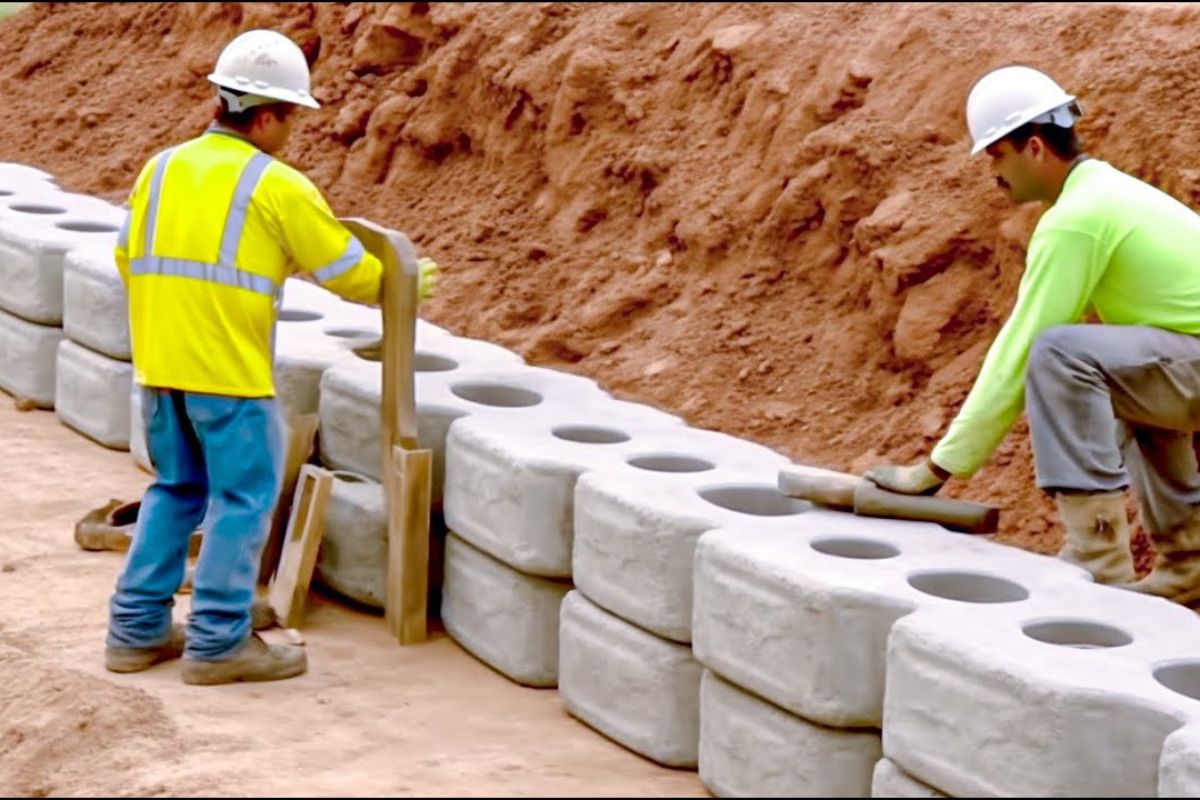
The Ecomet block system is described as an approach of blocks that resemble Lego, combining natural stone and concrete.
The standard sizes cited are lengths of 19.7, 39.4, and 78.7 inches, with heights of 11.8 and 19.7.
The cited settling speed can reach 107.6 feet per hour, aimed at retaining walls and other structures where repetition and fit determine the pace of execution.
In HyperAdobe, the description points to the use of fine mesh nets filled with a mixture of 70% soil and 30% clay, producing ready blocks.
The method is described as development linked to SuperAdobe, which used bags and barbed wire to join layers, with the distinction of HyperAdobe being presented as a development by Brazilian programmers.
For sloped roofs, the smart blocks of PS are described as pieces that enhance circulation safety, measuring 40 x 24 inches, weighing about 11 pounds, and capable of supporting loads from 200 to 300 pounds.
The description indicates application for any slope and roofing material but mentions a projected lifespan of four to five years, with a cost of US$ 500 for a set of three.
Installations, Electricity, and Cuts: Less Weight, More Control, and Less Error
The Waco 90 cordless applicator is described as equipment for applying adhesive to pipes in homes and apartments, compressing the tube and allowing a thin, even layer of glue.
The report points to compatibility with various types of adhesive and highlights that the applicator weighs less than 6 kg, favoring use with the operator standing and reducing repetitive effort.
In the electrical field, the Jokari Quadro tool is described as a compact and robust device for stripping and crimping cables, aimed at electrical and telecommunications applications.
The description emphasizes precise and clean insulation, cuts that keep the wire intact, and an ergonomic design, a critical point when productivity cannot compete with safety.
The Lumer 6 Sense is described as a current and voltage detector that weighs 0.7 oz and can operate for up to 74 hours on a single charge.
The operating range is noted between 50 and 60 Hertz, with detection in the specified range of 120 to 550, identified as a useful resource for emergency applications, recovery, and tasks where quick electrical readings are essential.
Coverings, Aesthetics, and Water Protection: Six Minutes and 0.12 Inches
The Hydrocap system is described as a solution for encapsulating rooftop heat pumps in a structure of 0.12 inches thick, made from aluminum casing. The material indicates installation in six minutes and use on roofs with slopes between 30 and 60°, aiming to integrate the equipment into the exterior look without requiring additional steps beyond connection.
For leak prevention, the Procat Ice and Water system is described as insulation material for ice and water from roof leaks, aimed at maintaining the integrity and durability of the roofing and preventing water entry into the building.
The description highlights high resistance and performance even in extreme conditions, focusing on continuous protection for roof structures.
In external finishing, Linear is cited with PVC fences described as elegant and practical, with environmental resistance and UV radiation resistance, without the need for painting and waterproofing.
The description also mentions a non-slip panel made of composite PVC, about 1.46 inches thick, lead-free and fully recyclable, with installation facilitated by Quick Clip technology.
Balconies and Ready Modules: 62 Pieces in One Day and Installation on the First Attempt
The Glide on Balcony system, described in a project near Wembley Stadium, appears as a balcony about twice as light as conventional models and secured by anchors described as three times stronger than competitors.
The sliding balconies are described as being delivered already assembled to the installation site, focusing on speeding up the process and facilitating secure attachment on the first attempt without a tendency to warp.
A cited record is the installation of 62 pieces in one day, with balconies described as easy to attach on the first try and not prone to warping.
Footings, Soil, and Retaining Walls: Holes from 4 to 10, Micropiles, and Six to Eight in One Hour
In soil reinforcement, the description mentions methods such as soil anchors, with installation by drilling holes with a diameter of 4 to 10, placing elements in the center, and filling the remaining space.
In parallel, concrete micropiles are cited as a more resilient alternative for controlling landslides, with an argument for speed and quality.
In foundations, a variant is described where it would be possible to install six to eight units in one hour, based on the principle of “pushing the tubes into the ground.”
The cited manufacturer claims that in almost 100% of cases, the foundation can tolerate freezing and thawing of the soil, applicable in both sandy and clayey soils, highlighting the lack of excavation, no debris cleanup, and no long waits for concrete.
Cold Laboratory and Ice Molds: -1°C, Six Types, and 24 Combinations
The ice mold method for making concrete blocks is described as a process in which ice blocks are pressed in the laboratory at -1°C, with rapid production and no waste.
After curing the molds, concrete is poured and left to dry; the next day, the ice melts and exposes the concrete.
The description points to the use of computational tools to create 24 combinations of modules in lattice structures using only six types of ice blocks.
Augmented reality is cited as support for visualization during design, with glasses assisting in manual assembly in a cold laboratory, while obtaining ice at scale is described as a challenge.
In practice, what connects these fronts is the same movement: construction workers gain assisted strength, automated measurements, and more consistent protection, while construction sites begin to operate with less improvisation and more traceability. If you live construction sites in your daily life, share what has changed in your team’s routine.
On your site, which innovation has delivered the most safety: augmented reality, exoskeleton, or a simple tool that no one notices?






-

-

-

-

-

-

236 pessoas reagiram a isso.